

 Wiki
Wiki Russian Aviation Museum
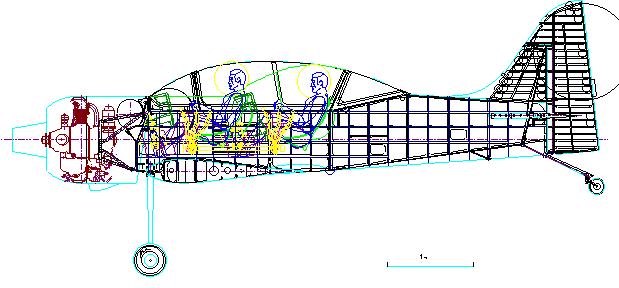
The E-3 is the export version of the SP-91, a multipurpose sport aerobatic and training aircraft capable of being changed between single and two seat configuration with minimal work. Conversion may be done less than in 1 hour in airfield conditions. It
is designed to have exceptional aerobatic performance, tremendous strength (concept of maximum safe damage), and a long service life while also having a low landing speed, good cruise speed, and honest handling characteristics.
The aircraft is a single engine monoplane of all metal construction utilizing electro-chemical coating of the metal for superior corrosion prevention. Fixed landing gear - conventional taildragger. Cockpit is equipped for good weather daylight flights.
The wing is of one piece design with a symmetrical profile airfoil and utilizes multi-longeron spar construction to prevent the possibility of catastrophic failure. The ailerons may be drooped for landing and takeoff.
This aircraft is powered by the M-14P engine. This engine is a single row air cooled supercharged radial with nine cylinders. The fuel and oil systems are adapted for both level and inverted flight.
The aircraft may be equipped with either the V-530 TA-D35 variable pitch two bladed propeller, the MT-3 and MT-9 three bladed propellers, or the Whirlwind three bladed propeller.
The aircraft may be configured for the following:
- High performance aerobatic flight and unlimited competition in the single seat configuration
- Aerobatic training and competition in the two seat configuration
- Cross country flight and tourism in either configuration
In many respects the E-3 is unique in aviation history. It is both a single seater and a two seater in one aircraft. It is easier to fly than a Decathalon, while being able to compete successfully at the unlimited level. In addition it cruises well and
even has a baggage compartment! You can take your wife or husband for a holiday cruise and then go out and compete with the best the next weekend. It does it all and it is of all metal construction allowing for inspection and repair at any qualified
service center. None of the uncertainties of composite construction are present.
Some confusion exists around airplane designation. It is known as:
- SP-91 - original domestic designation;
- I-3 or E-3 - different 'translations' of cyrillic designation, used for export version;
On August 2000, 19 aircraft were sold to Great Britain, Switzerland, USA, and Spain. (MDM Bank News)
Type I-3 (SP-91)
Function Trainer, Aerobatic
Crew 1 or 2
Type M-14P (Lycoming O-540)
Power 360hp (260hp)
Length 6.77m
Height (parked) 2.2m
Wingspan 8.1m
Wing area 11.54m2
Empty (one seat) 749kg
Empty (two seats) 769kg
Loaded (maximum) 1063kg
Maximum level 350km/h
Maximum allowed 450km/h
Maximum full control deflection 450km/h
Stall (landing) 105km/h
Inverted stall 105km/h
Roll rate 345 /sec
g-load (one seat) +12/-10
g-load (2 seats) +11/-9
Landing 452m
Takeoff 200m
Ferry 700km
Price under $100,000
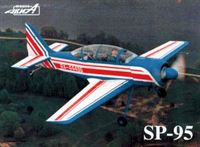
The SP-95 is a high performance aerobatic monoplane designed and built by Technoavia in Russia. It is a single place aircraft that converts two seats for training and is flown in the single seat configuration for unlimited competition.
The main design goals were high roll rates and structural strength. The use of metal as a primary structure allows for a high degree of strength and a structure that can be easily inspected and maintained.
The aircraft has a one-piece wing with multi spar construction it was designed with "safe damage" concept so that the possibility of structural failure has been largely eliminated. As an example the wing is attached to the fuselage with 4 attachment
points. With any one attachment damaged the aircraft is still capable of its +12-10g limits.
Full span flaperons provide positive and negative reflex allowing for low landing speeds and positive and negative lift augmentation.
The aircraft is a joy to fly with high performance fighter like performance, no adverse handling characteristics and excellent visibility. It has a locking tailwheel and Cleveland brakes, making ground handling docile and predictable.
The avionics suite by Gardner Aviation Avionics of Griffin Ga. is of particular note. A Garmin 250xl integrated GPS, COM and Intercom is installed. This allows maximum performance navigation and communication capabilities with minimum weight and maximum
reliability. The state of the art navigation system provides automated moving map, data base and communication capabilities that allows the pilot to fully concentrate on flying and enjoying the performance capabilities of this machine.
The team at Gardner Aviation specially designed this avionics system. It is especially applicable for high performance aircraft where pilot workload is high and maximum performance in avionics is a required.
Type SP-95
Function Aerobatic trainer
Crew 1 / 2
Engines 1*360hp M-14P
Length 7.02m
Wingspan 9.0m
Wing area 11.0m2
Empty weight 760kg
Loaded weight 945kg / 1080kg
Wing Load (kg/m2) 86 / 98
Power load (kg/hp) 2.6 / 3.0
Maximum Speed 450km/h
Maximum sustained speed 300km/h
Stall Speed 105km/h
G-limits +12-10 / +11-9
Roll rate 6.0rad/sec / 6.5rad/sec
Takeoff Roll 70m
Landing Roll 150m
Ferry Range 1300km
Climb Rate at 0m 19m/sec / 17m/sec
- Russian Aviation Museum
Фотографии

-

Jane's All the World Aircraft 2000 / 2-01 - AIRCRAFT - FIXED-WING - CIVIL
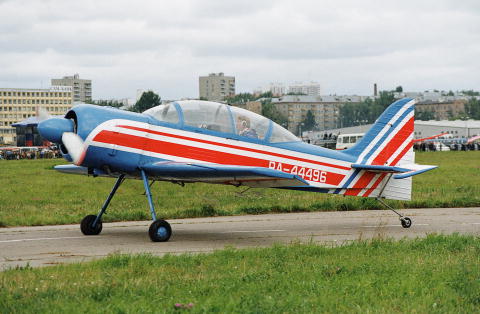
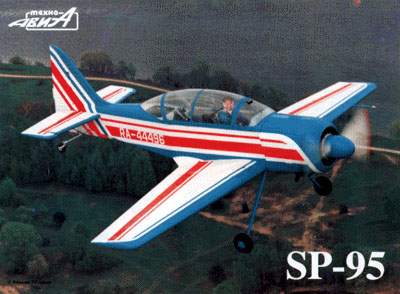
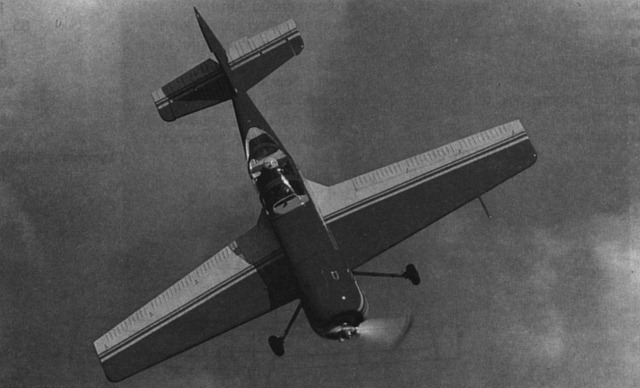
Регистрационный номер: RA-44496 [2] Technoavia SP-91, prototype for the SP-95 aerobatic competition and training aircraft (1999)
-
Russian Aviation Museum /WWW/
Регистрационный номер: RA-44496 [2] -
-
-

Jane's All the World Aircraft 2000 / 2-01 - AIRCRAFT - FIXED-WING - CIVIL
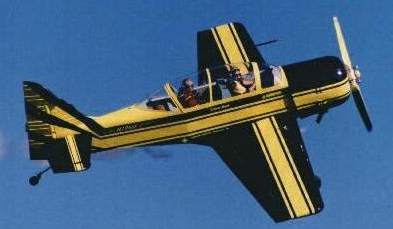
Interavia I-3 aerobatic aircraft in single-seat form (1998)
-
-

-

Jane's All the World Aircraft 2000 / 2-01 - AIRCRAFT - FIXED-WING - CIVIL
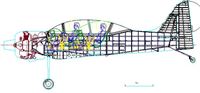
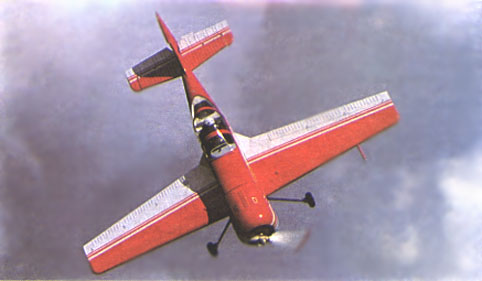
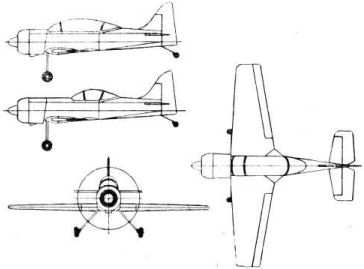
Technoavia SP-95 two-seat aerobatic aircraft; additional side view (bottom) of single-seater (1998)

- Фотографии