

Фотографии
-
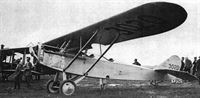
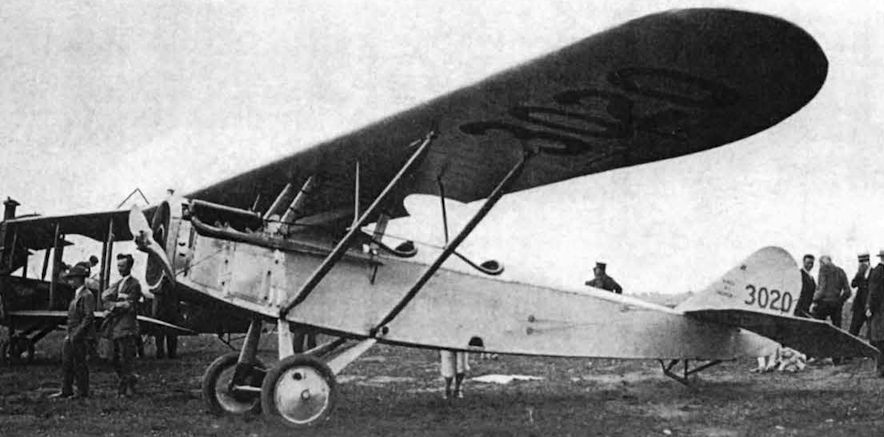
Регистрационный номер: N3020 The S-30 twin engine transport was not built, but for wing development Sikorsky fitted experimental 'high lift' wings for flight trials as parasols on the fuselages of three examples of the OX-5 engined Curtiss JN-4 'Jenny'. They were (N)3020 seen here, (N)C2044 and one other.
Самолёты на фотографии: Curtiss JN-4 Jenny - США - 1916
-
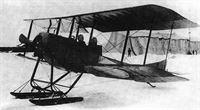
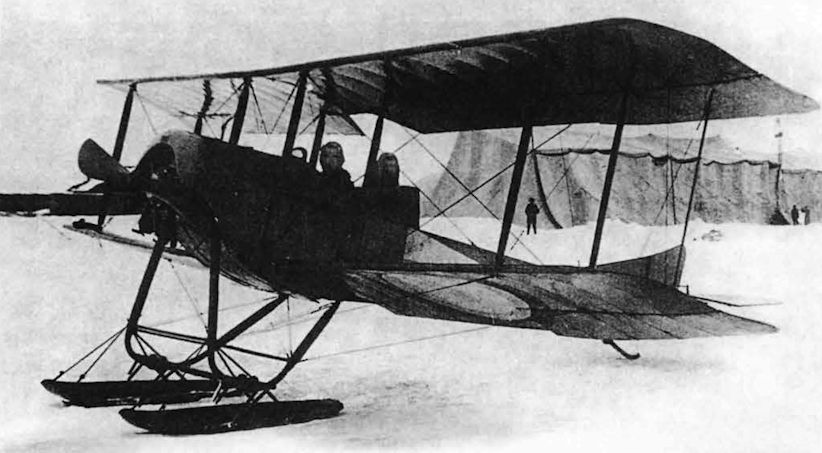
Sikorsky also designed single engine fighters, one example being the 1916 S-16 with 80 hp Gnome, seen here on skis. As a single seater it was armed with two machine guns, one fixed to fire forward.
Самолёты на фотографии: Сикорский С-16 / С-XVI - Россия - 1914
-
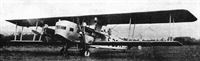
Sikorsky started his American designs in 1923 with the S-29A, a twin-engine biplane which clearly owed much to his Russian multi-engine biplanes. It first flew in May 1924.
Самолёты на фотографии: Sikorsky S-29 - США - 1924
-
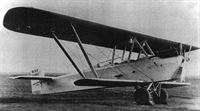
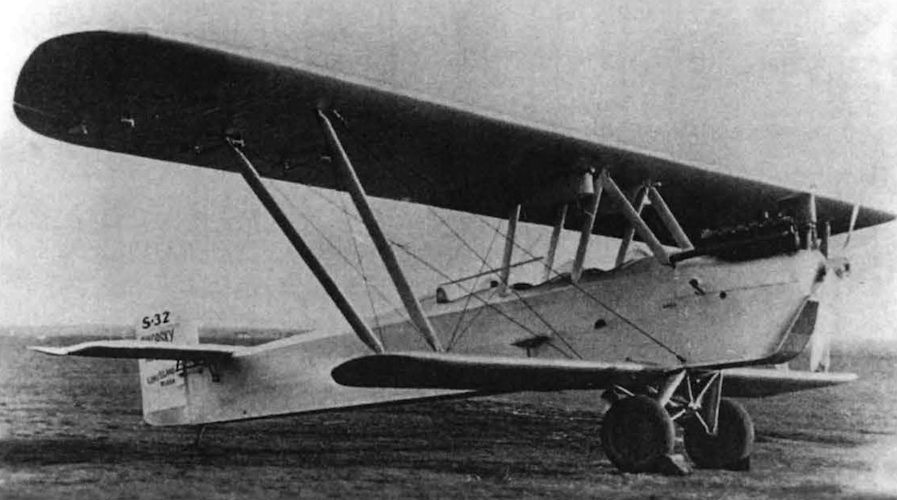
Регистрационный номер: A-5947 Одномоторный биплан S-32 был построен в 1925 году и мог брать на борт пять человек - они размещались в трех кабинах. На снимке - самолет во время испытаний с колесным шасси, хотя затем его поставили на поплавки и использовали как гидросамолет.
Another sesquiplane, the 1925 S-32 A5947 had three open cockpits and a 400 hp Liberty engine. As a transport or mailplane, it was flown mainly as a floatplane version. The sesquiplane concept, a mix of biplane and monoplane features, was to remain popular with Sikorsky up to the 1931 model S-40.Самолёты на фотографии: Sikorsky S-32 - США - 1925
-
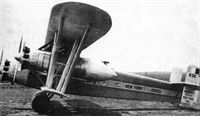
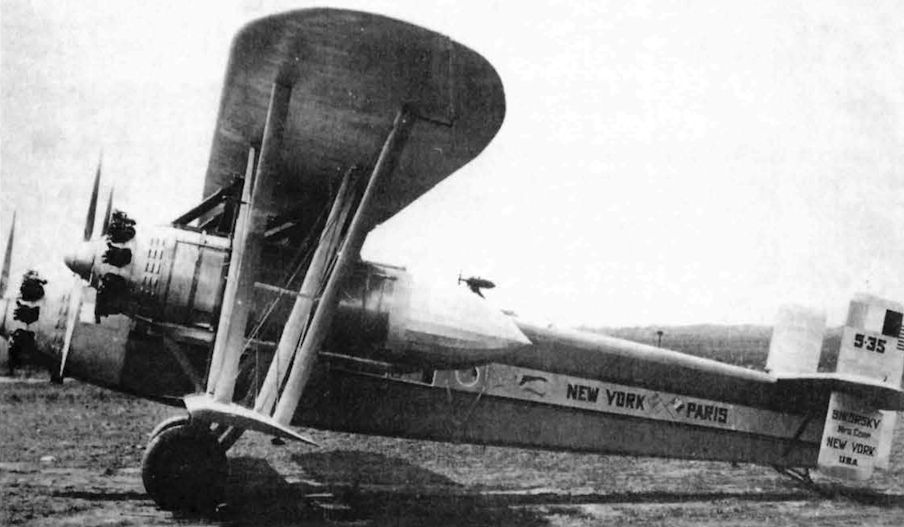
The S-35 was a sesquiplane powered by three 425 hp French-built Jupiter 9-cyl radials. and was designed for a takeoff weight of 24,300 lb. It bore NEW YORK - PARIS titles and flags on the fuselage for the Atlantic crossing attempt by WWI fighter ace Rene Fonck.
Самолёты на фотографии: Sikorsky S-35 - США - 1926
-
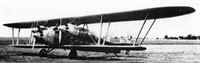
The S-35. 101ft span, 3 engines, 3 rudders (no fins), overloaded at 28,860 lb, on 21.9.26 take-off was started but lift-off never took place. It crashed at the end of the runway, killing the radioman and the mechanic. Fonck and co-pilot Curtin survived.
Самолёты на фотографии: Sikorsky S-35 - США - 1926
-
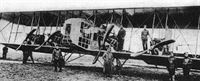
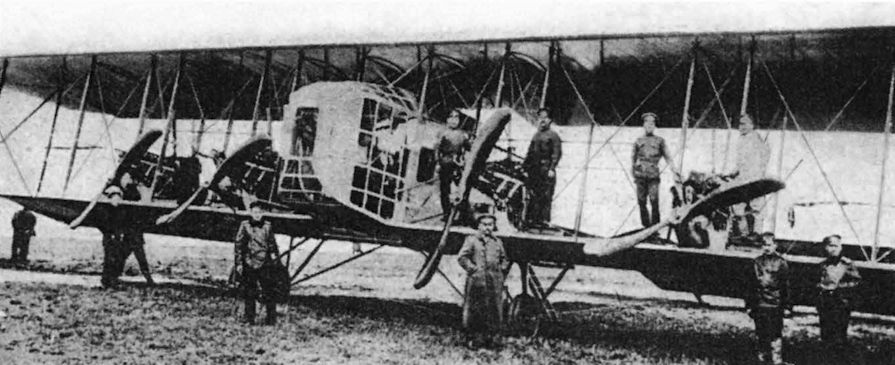
"Илья Муромец" V-й тип Е N 266 Е-56 штабс-капитана Г.В.Алехновича. Винница, осень 1916г.
Igor Sikorsky was a world-famous Russian aircraft designer before he came to the USA in 1919, having created a number of machines including in 1913 the world's first 4-engine aircraft. This was developed into the 102 ft span 'Ilya Mourometz' of 1914, the world's first 4-engine bomber in service.Самолёты на фотографии: Сикорский Илья Муромец серии Е - Россия - 1916
-
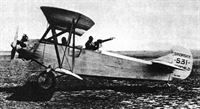
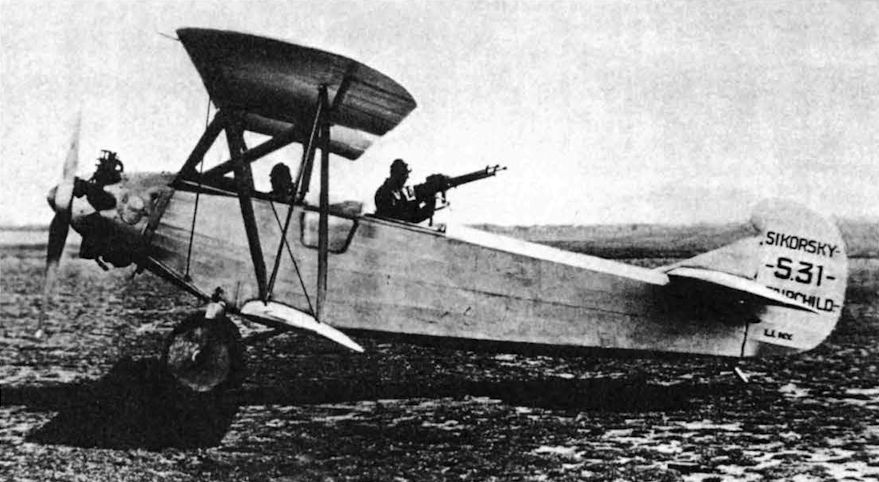
The Sikorsky S-31 was a two-seat sesquiplane with a 200 hp Wright J4. It was built for Fairchild for aerial photography but was also demonstrated with a gun mounting in the rear cockpit for a twin .303 in. Lewis. The initials L.I. N.Y. on the rudder stood for the Sikorsky factory at Long Island, New York.
Самолёты на фотографии: Sikorsky S-31 - США - 1925
-
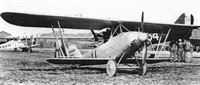
The S-33 sesquiplane was produced as two 60 hp examples, a single-seater seen here at the 1925 National Air Races, and a two-seater. The 60 hp L-4 three-cyl radial engine was produced by Charles L Lawrance who also designed the nine-cyl radial that became the Wright Whirlwind.
Самолёты на фотографии: Sikorsky S-33 Messenger - США - 1925
-
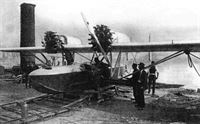
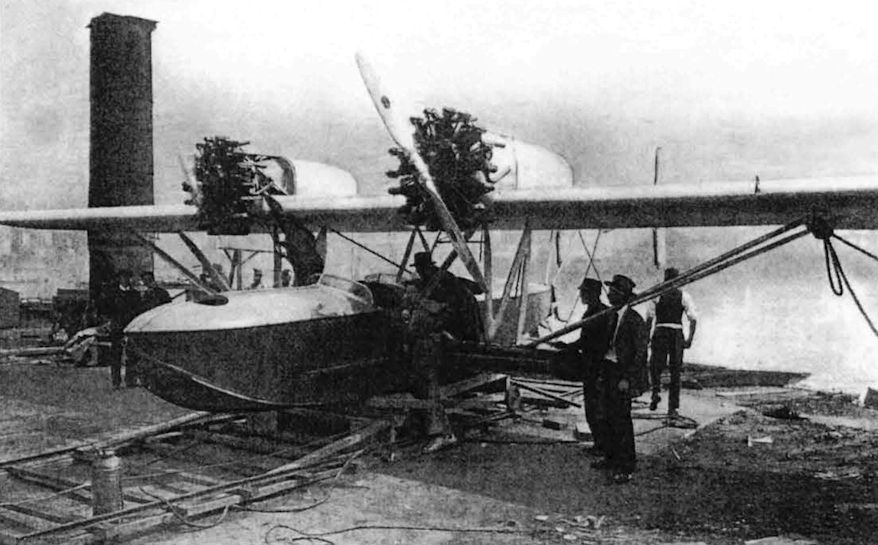
The S-34 five-seat sesquiplane was the first Sikorsky with a flying boat hull and it led to the S-36 amphibian (Sikorsky spelt it 'amphibion'). It had a boom-mounted twin-rudder tail unit and two uncowled 200 hp Wright J-4 9-cyl radial engines high on the leading edge with overwing nacelles, one being run up here. On trials, an engine failure resulted in a crash landing and it sank, pilot Collier, mechanic Olsen and Sikorsky unhurt.
Самолёты на фотографии: Sikorsky S-34 - США - 1926
-
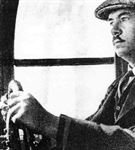
Igor Sikorsky, aged 41, flying his S-38 amphibian in 1931. The success of this aircraft established the Sikorsky company as a leading aircraft manufacturer.
Самолёты на фотографии: Sikorsky S-38 - США - 1928




Статьи
- Casualty Compendium (87)
- Feedback
- D.Hagedorn, B.Goethals - Post-War Surplus AT-6s (2)
- D.King - The Airspeed AS.57 Ambassador /The Whole Truth/ (1)
- J.Geelen, R.Deerness, R.Kerr - New Zealand (ZK-) /Complete Civil Registers/ (3)
- J.Meaden - The Scheller monoplane /Head-On View/ (6)
- J.Meaden - The Wickner monoplanes (3)
- M.Best - Sikorsky american fixed-wing aircraft (1)
- P.Gerhardt - East Germany (DM- DDR-) 1955-91 /Complete Civil Registers/ (13)
- S.Darke - Thai Airways and predecessors (2)
- T.Fujita - The Japanese Civil Register 1919-45 /Japanese Civil Register/ (27)