

Фотографии

-
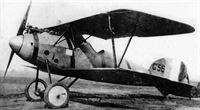
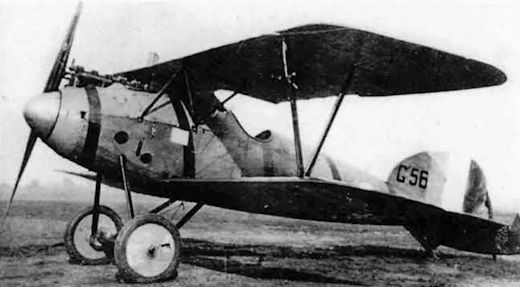
Регистрационный номер: G56, D2129/17 The 160hp Mercedes DIII engine on which the Junkers J15 was tested was the power unit of wartime aircraft such as this Albatros DV fighter c/n 2129/17 wearing its captured enemy aircraft No.G56. Captured in July 1917 it was tested at Martlesham 7.11.17 and toured Britain giving displays flown by Capt C F Collett MC and bar. On 23.12.17 at the Firth of Forth the DV fell out of a loop, crashed, and Collett was killed.
Самолёты на фотографии: Albatros D.V/D.Va - Германия - 1917
-
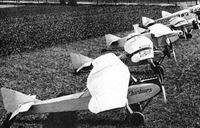
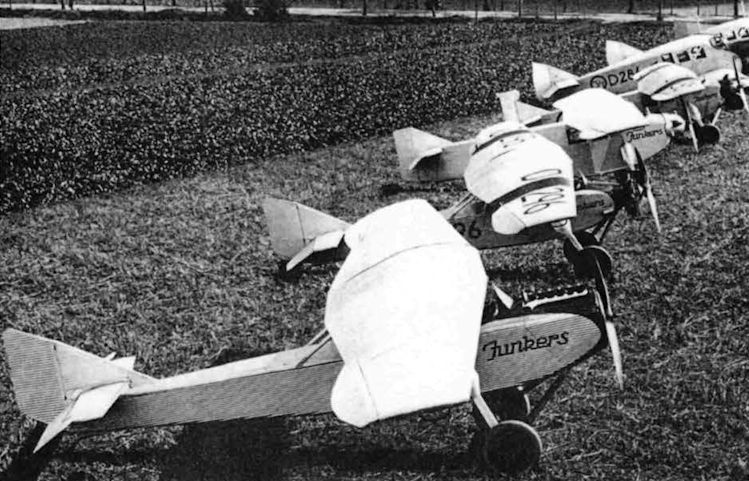
Регистрационный номер: D-295, D-296 [2], D-323 A revealing view of early Junkers monoplanes with, front to rear, the T26 prototype in monoplane form, T19 D-296, first prototype K16 D-323, production K16 D-295 and F13 monoplanes.
Самолёты на фотографии: Junkers F 13 - Германия - 1919Junkers K 16 - Германия - 1921Junkers T 19 / T 23 / T 26 - Германия - 1922
-
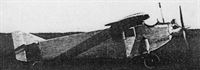
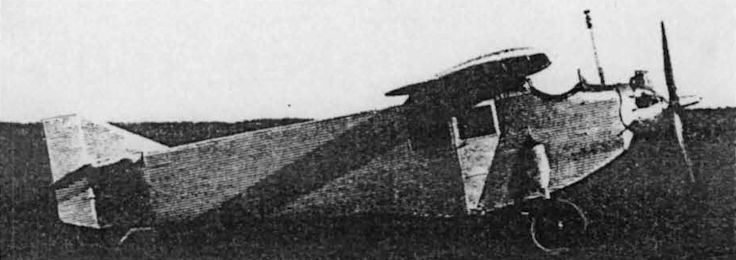
The prototype Junkers K16, a lightweight airframe 710 kg (1,565 lb) loaded, with a 50 hp 5-cyl Siemens-Halske engine. With a deep rear fuselage, this airframe was unique to the prototype but proved the layout.
Самолёты на фотографии: Junkers K 16 - Германия - 1921
-
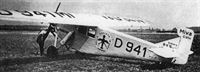
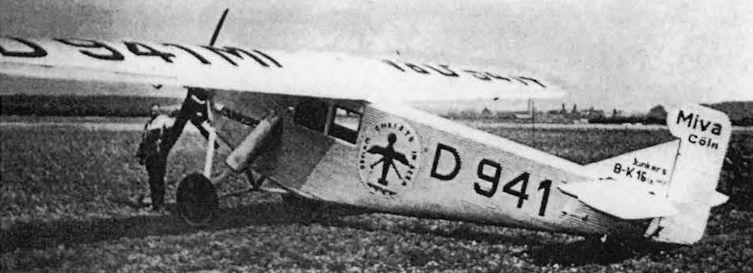
Регистрационный номер: D-941 D-941 shows the balanced rudder fitted as standard to the production K16 aircraft. The two large windows on each side below the shoulder high wing provided the two passengers with a good view of the ground below. Note the registration and Miva Coin titles painted across the top surface of the wing.
Самолёты на фотографии: Junkers K 16 - Германия - 1921
-
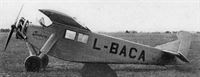
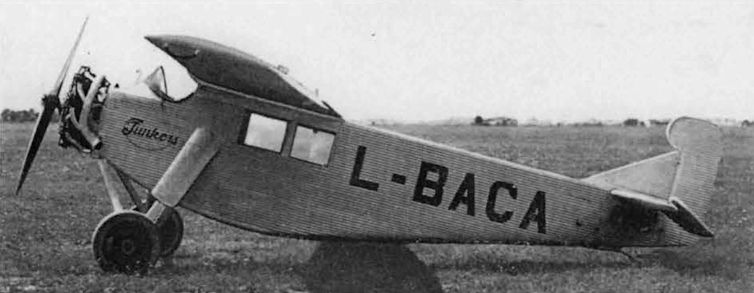
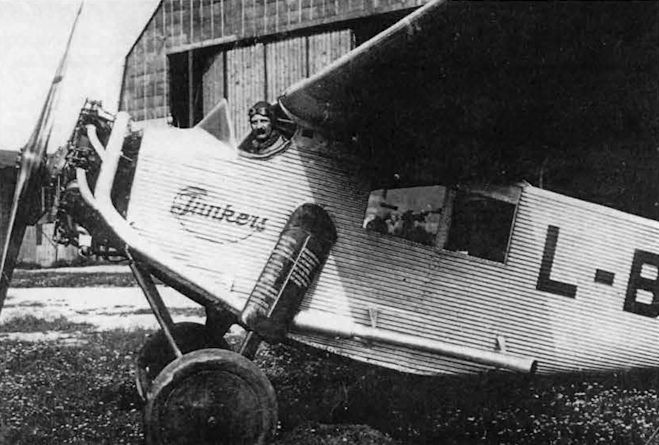
Регистрационный номер: L-BACA [2] Privately-owned Czechoslovakian L-BACA in side view shows the layout of all the features of the K16 from nose to tail. All these remained unchanged throughout except for a variety of engines, this one being a Czech 7-cyl Walter radial, perhaps the 110 hp Walter Venus.
Самолёты на фотографии: Junkers K 16 - Германия - 1921
-
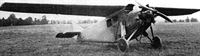
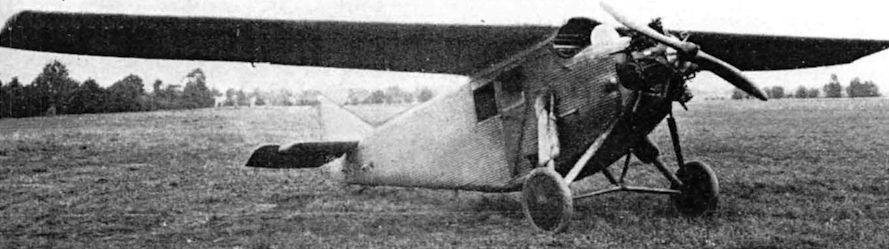
The first production K16 was a new and larger all-metal airframe of 850 kg (1,874 lb) loaded with a 77 hp 7-cyl Siemens Sh11 radial engine. The deep rear fuselage of the prototype had given way to a shallow orthodox type.
Самолёты на фотографии: Junkers K 16 - Германия - 1921
-
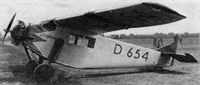
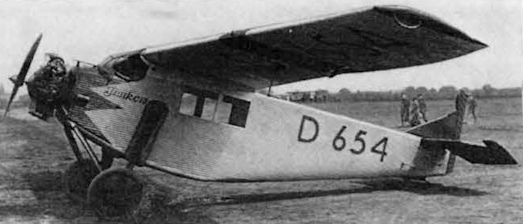
Регистрационный номер: D-654 [2], LN-ABH [2], SE-AEI [2] K16 c/n 475 D-654 "Kreuznach" of 1925 joined DLH in January 1926. In August 1930 it became "Sturmvogel" in Berlin. The engine was listed as a 110 hp 9-cyl Siemens Sh12 radial
Самолёты на фотографии: Junkers K 16 - Германия - 1921
-
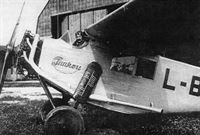
Регистрационный номер: L-BACA [2] L-BACA again, here with an extended exhaust pipe which would have made for a quieter cabin. On the shock absorber cover is a list of 22 airfields visited on a tour of Europe.
Самолёты на фотографии: Junkers K 16 - Германия - 1921
-
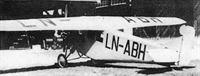
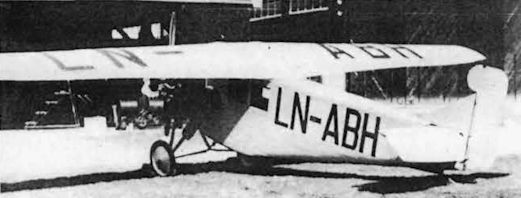
Регистрационный номер: LN-ABH [2], D-654 [2], SE-AEI [2] LN-ABH was previously D-654 and didn't move to Norway until April 1935. In July it moved again, this time to Sweden as SE-AEI, but its career ended in September when it crashed.
Самолёты на фотографии: Junkers K 16 - Германия - 1921
-
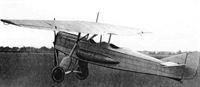
The prototype H21 had fuselage-side fuel tanks, but the rear cockpit was for observation only with no armament. Although of a much heavier build, its features show many similarities to the T26. The wing has a centresection cutout.
Самолёты на фотографии: Junkers T 21 / Ю-21 / J 22 - Германия - 1923
-
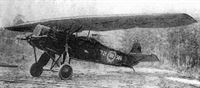
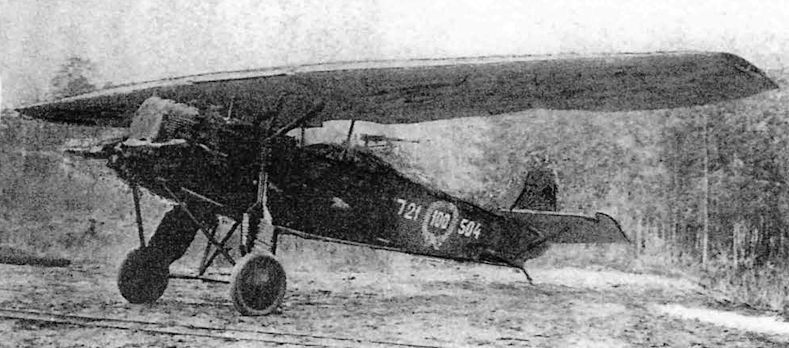
News photos often showed the version with the raised gunner's position, suggesting that it was the final production version. One such photo illustrated the 100th H21 but how many more were built is unknown.
Самолёты на фотографии: Junkers T 21 / Ю-21 / J 22 - Германия - 1923
-
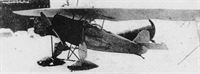
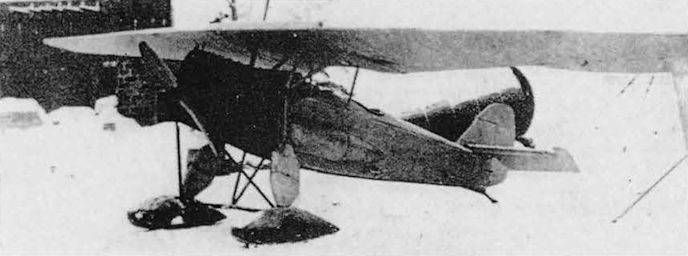
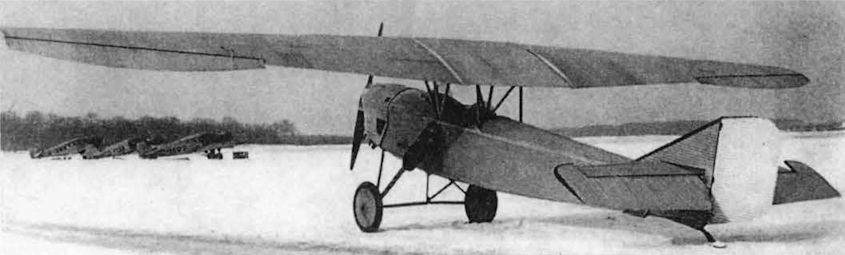
An H21 with the unarmed observer's cockpit is seen mounted on skis for winter operation. A nonstandard fin and balanced rudder suggests that it was made locally, perhaps during repairs.
Самолёты на фотографии: Junkers T 21 / Ю-21 / J 22 - Германия - 1923
-
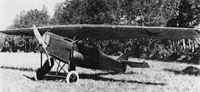
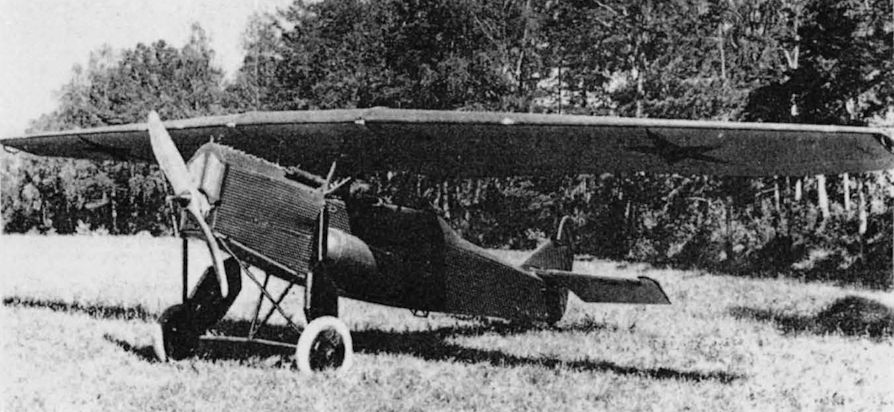
An H21 with the raised gunner's cockpit faired into the fuselage top and with forward-firing gun or guns on the cowling. This version incorporated modifications developed following experience of service use but the designation was unchanged.
Самолёты на фотографии: Junkers T 21 / Ю-21 / J 22 - Германия - 1923
-
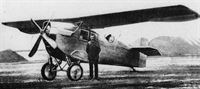
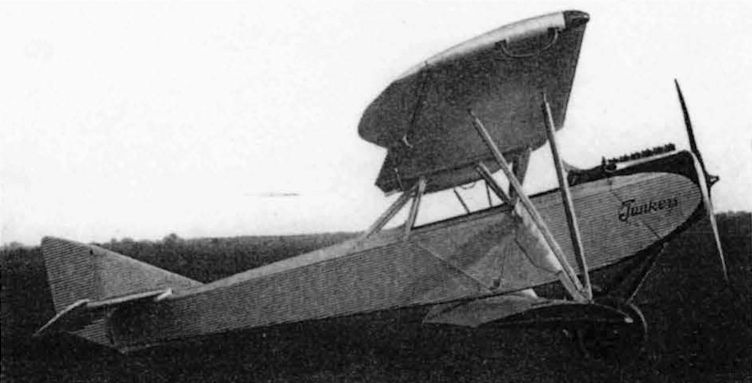
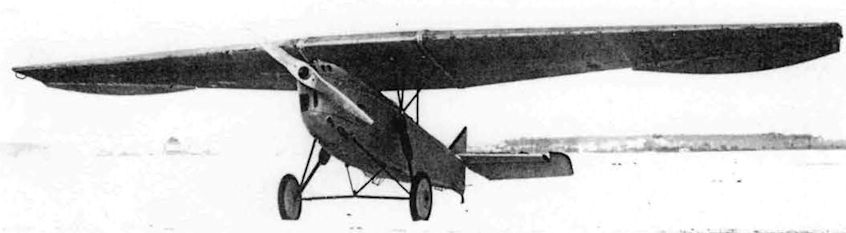
The only Junkers J15 seen in its final form with parasol wing attached by struts at the centre section. The original low wing has been removed and a cover is fitted over the frames where it was attached. Unexplained is the left hand tractor propeller.
Самолёты на фотографии: Junkers J 15 - Германия - 1921
-
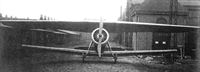
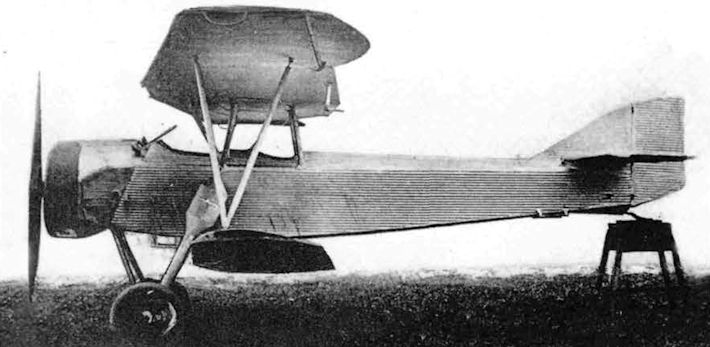
The prototype T23 in its biplane form, wings designed as cantilevers, minimal struts and no wire bracing so no complicated rigging adjustments to make.
A biplane with dihedral on the lower plane. Clues, you will recognise a rotary engine, unusually with fully circular cowl; wingtip interplane struts, mid-plane fuselage.Самолёты на фотографии: Junkers T 19 / T 23 / T 26 - Германия - 1922
-
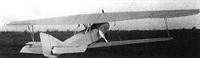
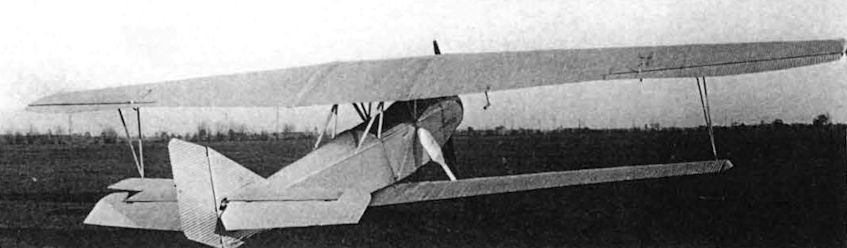
This three-quarter view of the biplane T26 shows the cantilever tail surfaces with the balanced elevators, the minimal vee interplane struts and the triangular door by the rear cockpit.
Самолёты на фотографии: Junkers T 19 / T 23 / T 26 - Германия - 1922
-
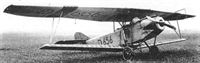
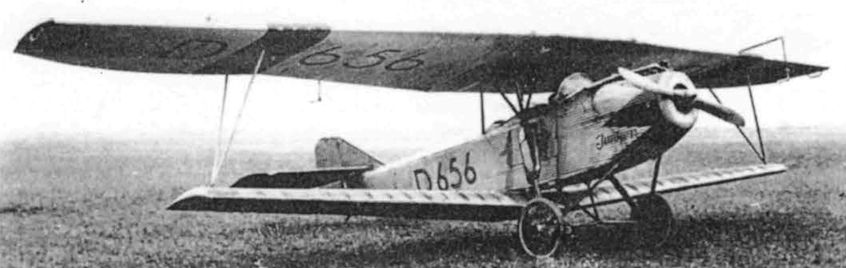
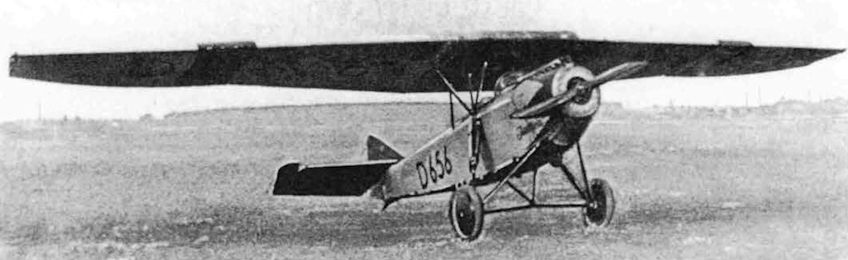
Регистрационный номер: D-656 [3] The previous photos showed the T26 as new in clean condition but after registration as D-656 it shows signs of hard work during testing. Here in biplane form the tip of the rudder is seen to have been rounded off and experimental pitots are fitted to both upper mainplanes.
Самолёты на фотографии: Junkers T 19 / T 23 / T 26 - Германия - 1922
-
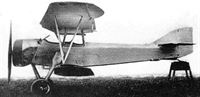
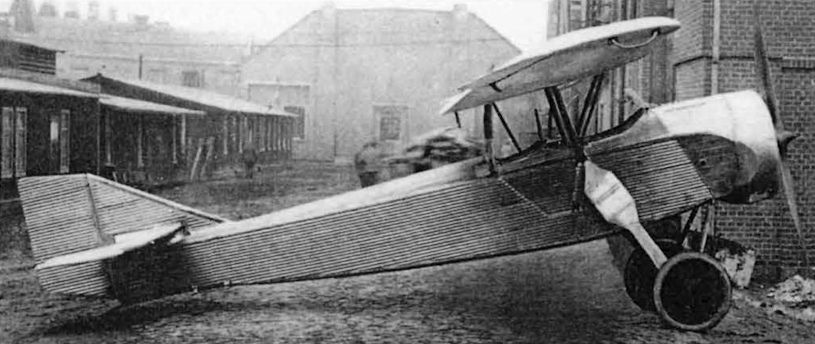
The T23 in side view shows the two open cockpits in tandem and the lower biplane wing slung on struts below the fuselage. The protruding ailerons allow a simple tapered structure for the upper wing mainplanes.
Самолёты на фотографии: Junkers T 19 / T 23 / T 26 - Германия - 1922
-
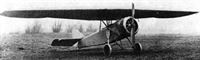
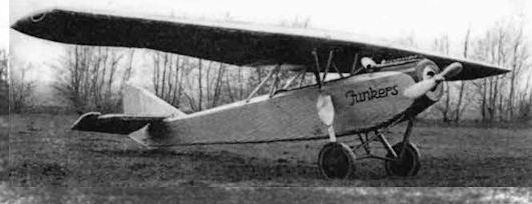
This view of the parasol version of the 80 hp Le Rhone rotary powered T23 was used to advertise the type for sale in 1925. The Argentine example R-234 was registered 18.8.33 and is the only known purchase of a T23 that has come to light.
Самолёты на фотографии: Junkers T 19 / T 23 / T 26 - Германия - 1922
-
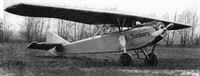
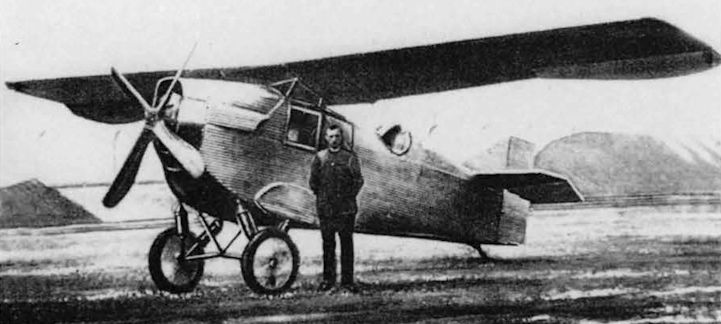
The Junkers T.26 is an all-Duralumin parasol monoplane with Junkers engine.
The T26 continued the bi/mono wing system to suit both schools of thought, but the main objective was to promote Junkers' first air-cooled in-line engine the 80 hp 6-cyl L-1, then being built as the L-1A.Самолёты на фотографии: Junkers T 19 / T 23 / T 26 - Германия - 1922
-
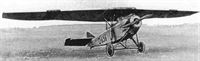
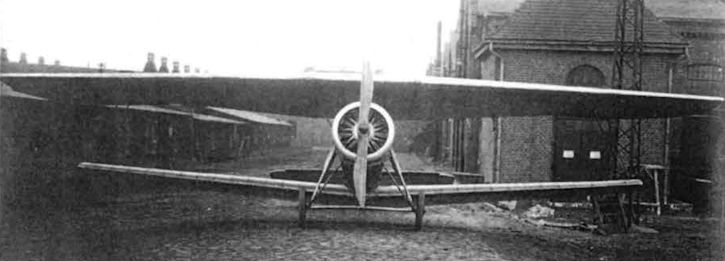
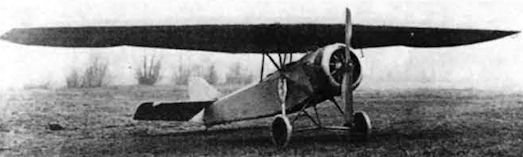
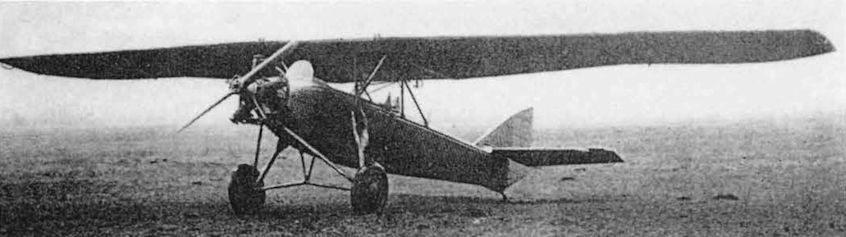
Регистрационный номер: D-656 [3] With its experimental lower wing discarded, T26E D-656 looks much smarter as a parasol wing monoplane, the basic form in which it was designed. Little is known of the circular front cowl on the in-line engine, but the L-1 was soon dropped and the T26 with L-1A was discontinued.
Самолёты на фотографии: Junkers T 19 / T 23 / T 26 - Германия - 1922
-
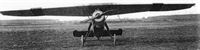
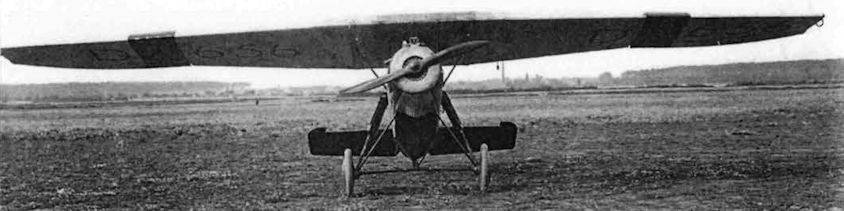
Регистрационный номер: D-656 [3] An excellent head-on view which is readily identified when compared with the previous photograph of T26E D-656 which was taken on the same occasion.
Самолёты на фотографии: Junkers T 19 / T 23 / T 26 - Германия - 1922
-
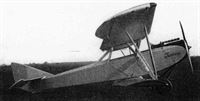
In its biplane form with the low wing slung beneath the fuselage the clean cowl lines of the L-1 did little to offset the untidy appearance of the T26D, as it was sometimes called, due to the extra aerofoils and struts.
Самолёты на фотографии: Junkers T 19 / T 23 / T 26 - Германия - 1922
-
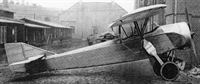
The T23 prototype, seen here without the lower wing as a parasol monoplane. The tail surface cantilevers were made possible by the stiffening effect of the corrugated metal skinning.
Самолёты на фотографии: Junkers T 19 / T 23 / T 26 - Германия - 1922
-
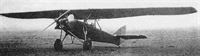
Регистрационный номер: D-296 [2] The first T19 parasol wing tandem open cockpit monoplane with 50 hp 5-cyl Siemens-Halske Sh5 radial engine. Structural similarities show it to be a close relative of the cabin K16. Note the pointed-tip rudder initially fitted. The later group photo illustrates it as D-296.
Самолёты на фотографии: Junkers T 19 / T 23 / T 26 - Германия - 1922
-
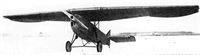
A T26E with an inverted air-cooled engine, not identified but undoubtedly the newly-developed Argus 80 hp As8, an ideal replacement for the L-1A if the T26 had gone into production.
Самолёты на фотографии: Junkers T 19 / T 23 / T 26 - Германия - 1922
-
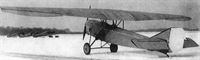
Another view of the unregistered Argus-powered T26E, showing its pristine new condition and larger area rudder with straight top. The narrow high-pressure tyres had to be on large diameter wheels to suit the grass airfield surfaces of the time.
Самолёты на фотографии: Junkers T 19 / T 23 / T 26 - Германия - 1922
Статьи
- Casualty Compendium (100)
- B.Martin, D.Sparrow, R.Esperou - F-1922: The French Civil Aircraft Register, 1922 (12)
- D.Hagedorn, B.Goethals - Post-War Surplus AT-6s (17)
- D.Rough - The Falkland Islands Civil Aircraft Register (VP-F) 1949-2005 /Complete Civil Registers/ (14)
- J.Meaden - Comper Successor: The Heston Aircraft Company (4)
- J.Meaden - Dornier - pioneer and survivor /Head-On View/ (9)
- J.Meaden - Junkers High Wing Singles, 1920-1926 /Head-On View/ (20)
- J.Meaden - Kinner Aircraft and Engines /Head-On View/ (19)
- M.Best - A History of the SO1221 "DJINN" Helicopter (5)