

 Wiki

Варианты
- Junkers - K 16 - 1921 - Германия
- Junkers - T 19 / T 23 / T 26 - 1922 - Германия
Flight, August 1923
GOTHENBURG International Aero Exhibition 1923
<...>
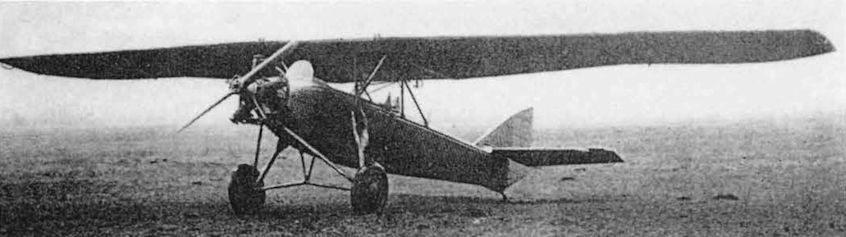
(Junkers T 19)
Although in its general constructional features it is similar to other Junkers machines, the type T differs materially in that it is a parasol monoplane of the "open" type, intended for school work and sports purposes. The same tubular construction and corrugated sheet covering is used as on the other types, and the undercarriage is also similar in general design. The fuselage is of triangular section, or, more correctly speaking, of trapezoidal, as it does not quite come to a sharp edge on the lower corner. The sides have in consequence a distinct outward slope, so that the undercarriage telescopic struts are attached to the top longerons instead of the usual procedure of securing them to the lower.
The two occupants are seated tandem fashion in a common cockpit, entrance to which is by a triangular door, which forms, when closed and locked, part of the load-resisting structure. This door forms the subject of a sketch.
The wing, which is of usual Junkers tubular construction, is mounted in a somewhat unusual fashion so as to avoid members running diagonally across the sides of the cockpit and being in the way. The front spar is supported on each side by a "tripod" strut, while the rear spar has two struts on each side, one approximately vertical and the other sloping back so as to triangulate the structure and locate the wing in a fore-and-aft sense.
The most interesting feature of the Junkers type T is perhaps its engine, which is of Professor Junkers' design, and is unusual in that it is air-cooled, although being of the six-cylinder, vertical type. A fan mounted in the nose of the machine forces air back through ducts surrounding the cylinder heads and exhaust valves, so as to obtain forced draught past the hottest parts. At present the makers do not wish particulars published, as the engine is still in the experimental stage, but it may be stated that it is of 70 h.p. The type T can also be supplied fitted with 60 h.p. Siemens or 120 h.p. Mercedes engine.
Fitted with the Junkers 70 h.p. engine the data relating to the type T are: Length o.a., 7.5 m. (24 ft. 7 ins.); span 13 m. (42 ft. 8 ins.); useful load, 350 kgs. (770 lbs.); speed, 145 km. (90 m.p.h.).
Описание:
- Flight, August 1923
GOTHENBURG International Aero Exhibition 1923 - Flight, June 1924
THE THIRD INTERNATIONAL AERO SHOW AT PRAGUE - Flight, May 1925
THE ROUND-GERMANY FLIGHT
Фотографии

-
Air-Britain Archive 2006-03 / J.Meaden - Junkers High Wing Singles, 1920-1926 /Head-On View/ (20)
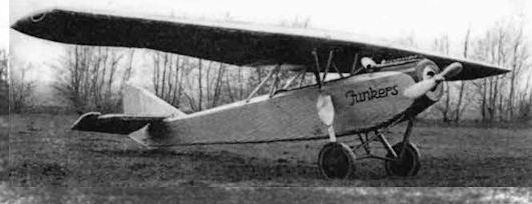
Регистрационный номер: D-296 [3] The first T19 parasol wing tandem open cockpit monoplane with 50 hp 5-cyl Siemens-Halske Sh5 radial engine. Structural similarities show it to be a close relative of the cabin K16. Note the pointed-tip rudder initially fitted. The later group photo illustrates it as D-296.
-
Air-Britain Archive 2006-03 / J.Meaden - Junkers High Wing Singles, 1920-1926 /Head-On View/ (20)
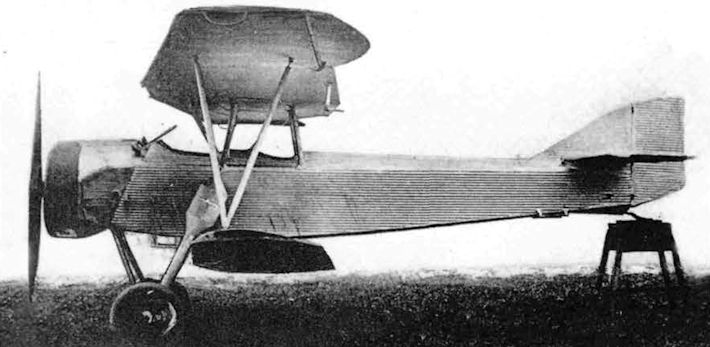
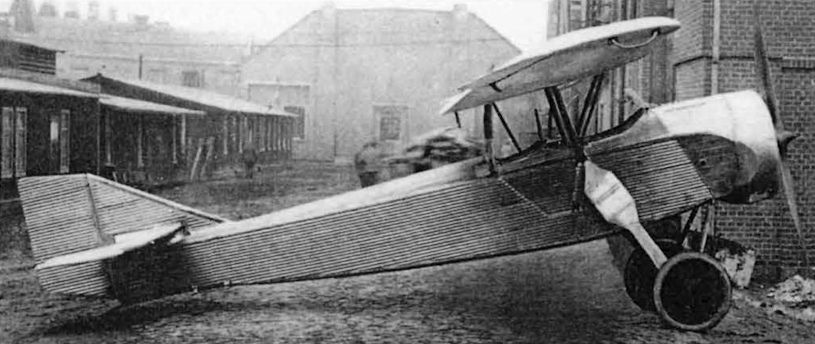
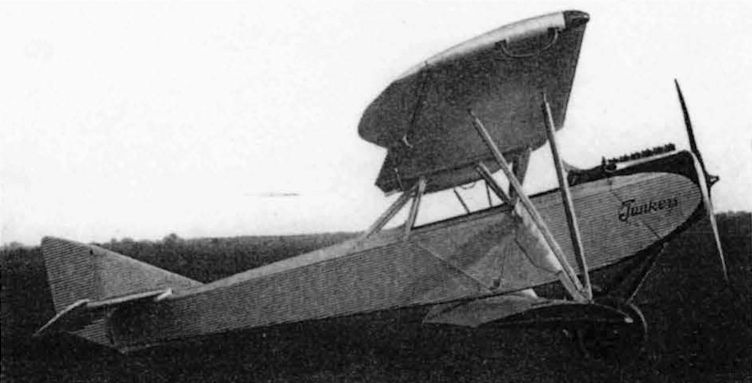
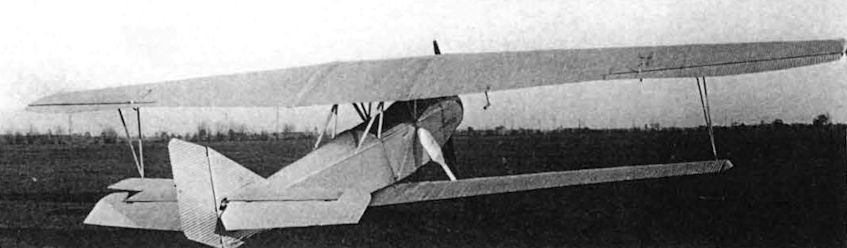
The prototype T23 in its biplane form, wings designed as cantilevers, minimal struts and no wire bracing so no complicated rigging adjustments to make.
A biplane with dihedral on the lower plane. Clues, you will recognise a rotary engine, unusually with fully circular cowl; wingtip interplane struts, mid-plane fuselage. -
Air-Britain Archive 2006-03 / J.Meaden - Junkers High Wing Singles, 1920-1926 /Head-On View/ (20)
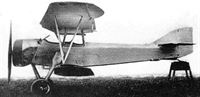
The T23 in side view shows the two open cockpits in tandem and the lower biplane wing slung on struts below the fuselage. The protruding ailerons allow a simple tapered structure for the upper wing mainplanes.
-
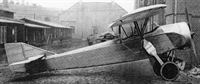
Air-Britain Archive 2006-03 / J.Meaden - Junkers High Wing Singles, 1920-1926 /Head-On View/ (20)
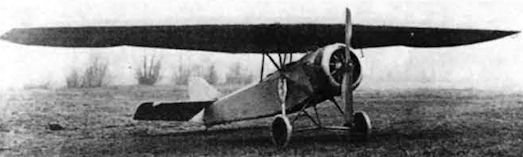
The T23 prototype, seen here without the lower wing as a parasol monoplane. The tail surface cantilevers were made possible by the stiffening effect of the corrugated metal skinning.
-
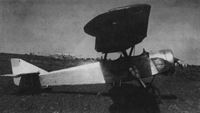
Air-Britain Archive 2005-04 / M.Magnusson - The Argentine R-Register, 1928-37 (6)
Регистрационный номер: R-234 R-234 is listed as a Junkers Ju 22 "Parasol Biplane" but this illustration of the unmarked aircraft shows it to be a monoplane. Does anyone know more?
Archive's Argentine R Register on p. 2005/181 illustrated R-234, wrongly listed as a Ju 22 and shown after removal of its lower wing converted it to a T23 in its parasol form. The lower cowling is removed, presumably to improve cooling. -
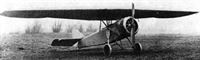
Air-Britain Archive 2006-03 / J.Meaden - Junkers High Wing Singles, 1920-1926 /Head-On View/ (20)
This view of the parasol version of the 80 hp Le Rhone rotary powered T23 was used to advertise the type for sale in 1925. The Argentine example R-234 was registered 18.8.33 and is the only known purchase of a T23 that has come to light.
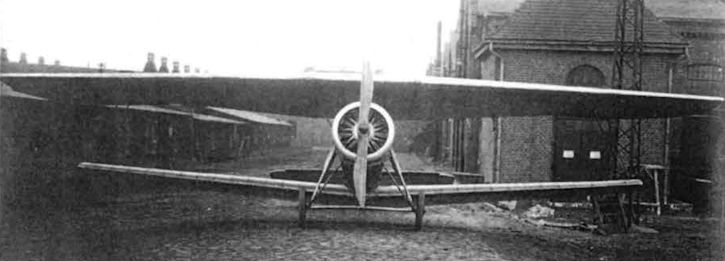

-
Air-Britain Archive 2006-03 / J.Meaden - Junkers High Wing Singles, 1920-1926 /Head-On View/ (20)
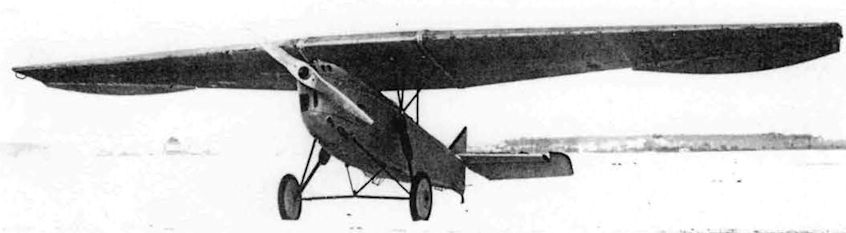
The Junkers T.26 is an all-Duralumin parasol monoplane with Junkers engine.
The T26 continued the bi/mono wing system to suit both schools of thought, but the main objective was to promote Junkers' first air-cooled in-line engine the 80 hp 6-cyl L-1, then being built as the L-1A. -
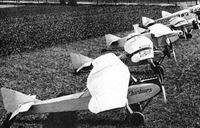
Air-Britain Archive 2006-03 / J.Meaden - Junkers High Wing Singles, 1920-1926 /Head-On View/ (20)
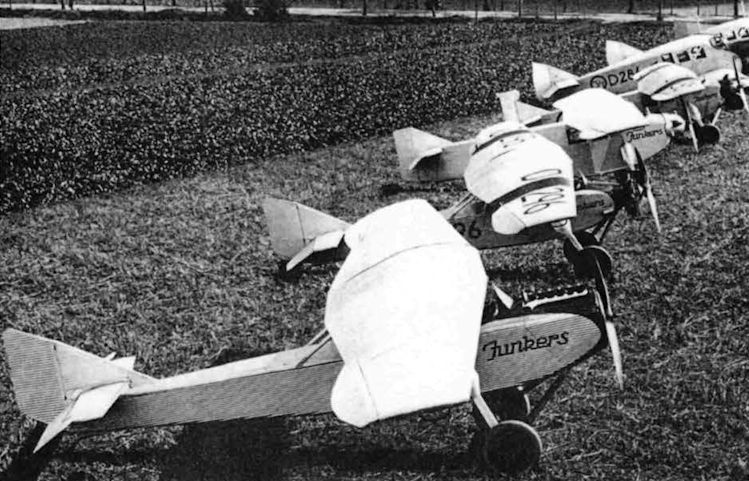
Регистрационный номер: D-296 [3] A revealing view of early Junkers monoplanes with, front to rear, the T26 prototype in monoplane form, T19 D-296, first prototype K16 D-323, production K16 D-295 and F13 monoplanes.
Другие самолёты на фотографии: Junkers F 13 - Германия - 1919Junkers K 16 - Германия - 1921
-
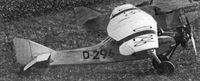
Air-Britain Archive 2006-04 / J.Meaden - Junkers High Wing Singles, 1920-1926 /Head-On View/ (20)
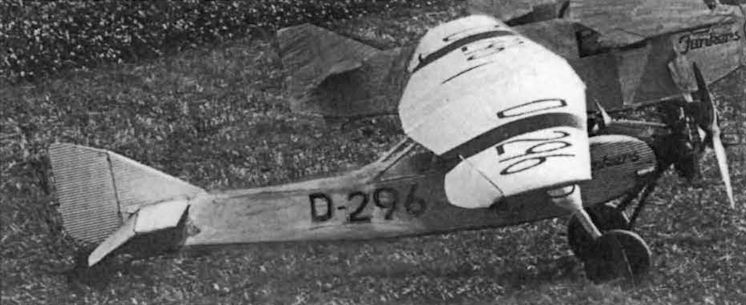
Регистрационный номер: D-296 [3] Junkers T 19 D-296 appeared in the company group photograph partly obscured by adjacent aircraft. Here the other aircraft have been taken out to show the T 19 in its entirety. The Siemens Sh5 is confirmed by its right-hand tractor propeller.
-
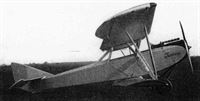
Air-Britain Archive 2006-03 / J.Meaden - Junkers High Wing Singles, 1920-1926 /Head-On View/ (20)
In its biplane form with the low wing slung beneath the fuselage the clean cowl lines of the L-1 did little to offset the untidy appearance of the T26D, as it was sometimes called, due to the extra aerofoils and struts.
-
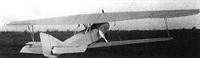
Air-Britain Archive 2006-03 / J.Meaden - Junkers High Wing Singles, 1920-1926 /Head-On View/ (20)
This three-quarter view of the biplane T26 shows the cantilever tail surfaces with the balanced elevators, the minimal vee interplane struts and the triangular door by the rear cockpit.
-
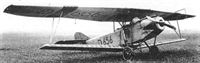
Air-Britain Archive 2006-03 / J.Meaden - Junkers High Wing Singles, 1920-1926 /Head-On View/ (20)
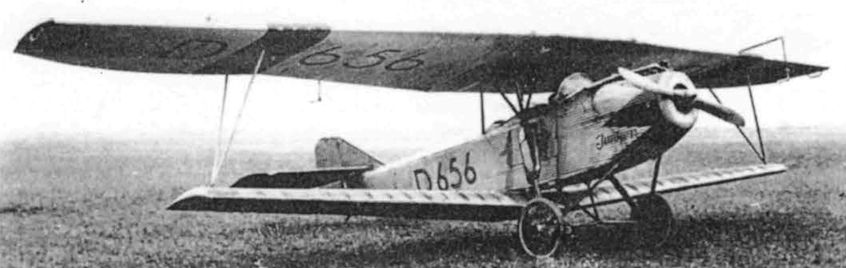
Регистрационный номер: D-656 [3] The previous photos showed the T26 as new in clean condition but after registration as D-656 it shows signs of hard work during testing. Here in biplane form the tip of the rudder is seen to have been rounded off and experimental pitots are fitted to both upper mainplanes.
-
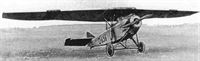
Air-Britain Archive 2006-03 / J.Meaden - Junkers High Wing Singles, 1920-1926 /Head-On View/ (20)
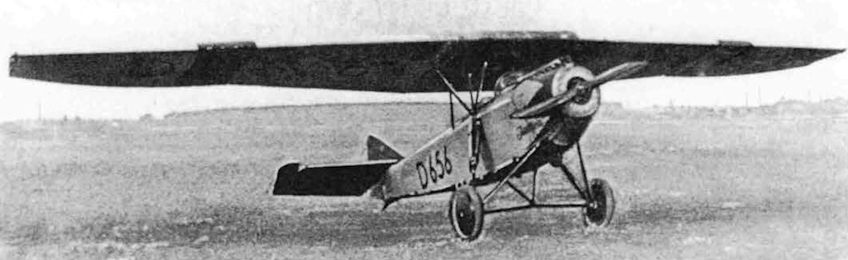
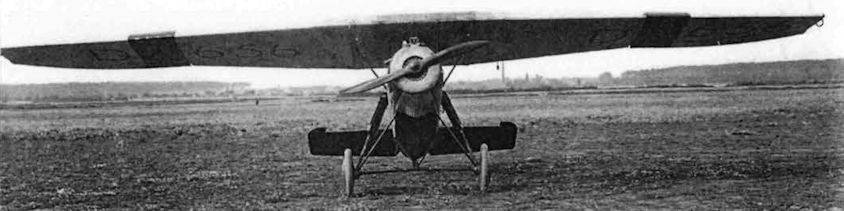
Регистрационный номер: D-656 [3] With its experimental lower wing discarded, T26E D-656 looks much smarter as a parasol wing monoplane, the basic form in which it was designed. Little is known of the circular front cowl on the in-line engine, but the L-1 was soon dropped and the T26 with L-1A was discontinued.
-
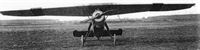
Air-Britain Archive 2006-03 / J.Meaden - Junkers High Wing Singles, 1920-1926 /Head-On View/ (20)
Регистрационный номер: D-656 [3] An excellent head-on view which is readily identified when compared with the previous photograph of T26E D-656 which was taken on the same occasion.
-
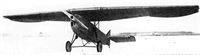
Air-Britain Archive 2006-03 / J.Meaden - Junkers High Wing Singles, 1920-1926 /Head-On View/ (20)
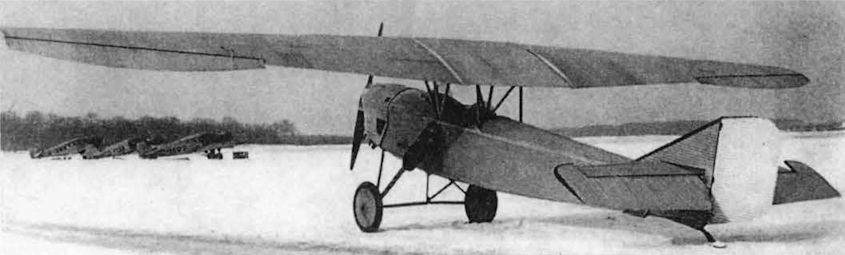
A T26E with an inverted air-cooled engine, not identified but undoubtedly the newly-developed Argus 80 hp As8, an ideal replacement for the L-1A if the T26 had gone into production.
-
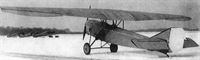
Air-Britain Archive 2006-03 / J.Meaden - Junkers High Wing Singles, 1920-1926 /Head-On View/ (20)
Another view of the unregistered Argus-powered T26E, showing its pristine new condition and larger area rudder with straight top. The narrow high-pressure tyres had to be on large diameter wheels to suit the grass airfield surfaces of the time.
-

Flight 1925-05 / Flight
The Junkers L.I air-cooled engine as installed in the Junkers T.26 aeroplane.

-

Flight 1923-08 / Flight
JUNKERS AT GOTHENBURG: (Junkers T 19) 1 is a perspective view of the small school machine, type T, which is fitted with a six-cylinder vertical air-cooled Junkers engine. 2 details of the undercarriage. 3 the fan which is used for cooling the air-cooled engine. 4 access to the cockpit of the type T is gained through a triangular door. 5 a typical strut assembly.
-

Flight 1924-06 / Flight
SOME GERMAN CONSTRUCTIONAL DETAILS AT PRAGUE: 1. The strut-attachment on the lower plane of the Junkers type "U."
-

Flight 1924-06 / Flight
SOME GERMAN CONSTRUCTIONAL DETAILS AT PRAGUE: 2. Attachment of lower plane to fuselage on the same machine.


- Фотографии