Фотографии

-
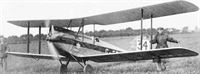
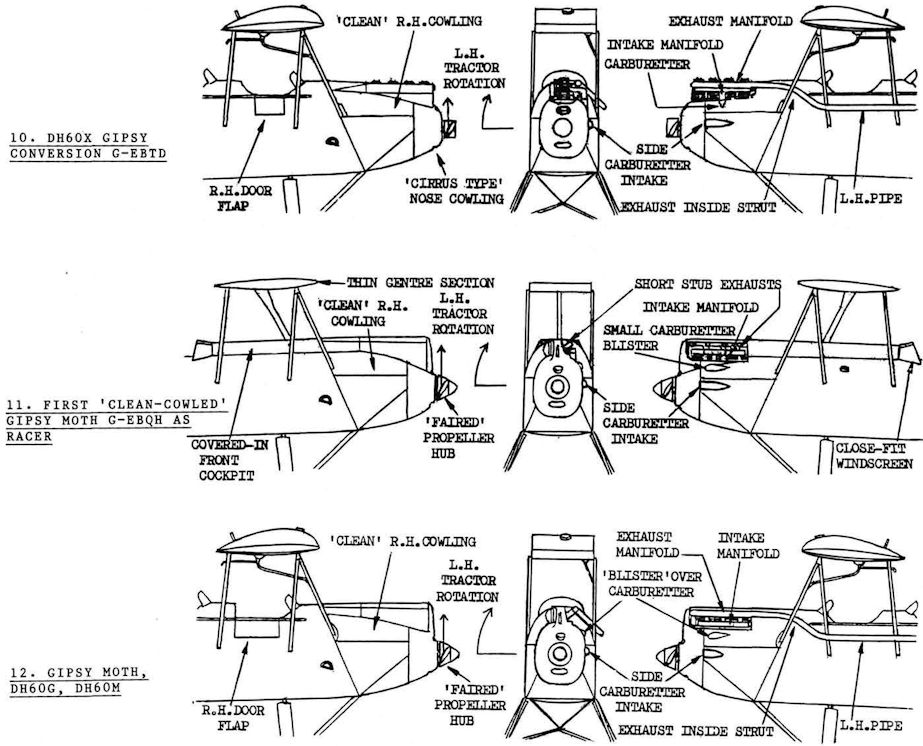
Регистрационный номер: G-EBQH G-EBQH c/n 276, initially the first Cirrus II Moth with the lowered engine mounting, here converted to the first 'pointed nose' Gipsy Moth or DH.60G. To advertise the Gipsy it was modified to single seat racer, with main fuel tank moved to the front cockpit and replaced by a slim fixed centre-section containing a small gravity tank. This was faired into the mainplanes, removing the wing-folding capability and recognizable by the curved cutout. Note the streamlined windscreen, small cockpit opening and head fairing extending back almost to the fin. The straight-axle undercarriage was retained but fitted with small wheels, and exhaust stubs were the buried type. The 1 ft increase in span and slightly enlarged gap introduced on G-EBQH in its original form as the first straight-axle DH.60X are normally too small to be noticeable.
Самолёты на фотографии: De Havilland Moth / D.H.60 - Великобритания - 1925
-
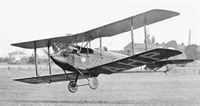
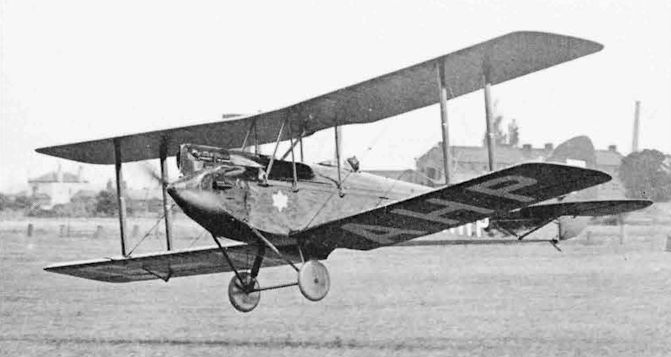
Регистрационный номер: G-AAHP Gipsy Moth G-AAHP c/n 1067 with racing no.7 was flown from the rear cockpit which had a small opening and a streamlined windscreen. Main fuel tank was in the covered-over front cockpit and the fairing over the out-and-return fuel pipes to the gravity tank in the special slim centre section can be seen sloping forwards. Racing centre sections were nonstandard and the curved cutout varied in size, this one being almost non-existent. The record-breaking G-EBWV on page 88/25 had a straight trailing edge with no cutout at all.
Самолёты на фотографии: De Havilland Moth / D.H.60 - Великобритания - 1925
-
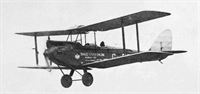
Регистрационный номер: G-EBTD [2] G-EBTD with a straight-axle undercarriage replacing the divided one which was wrecked in the slot demonstration test. Here it is being used on the Gipsy Endurance Test, for which a new Gipsy engine was taken at random off the production line and sealed with 40 seals so that no part could be removed for servicing during the test. It will be seen that the slots have been removed. (Strictly speaking it is the slats that were removed as the slots are the spaces formed when the slats are moved out by the airstream at higher angles of attack of the wing, but the complete installation was always known as 'Handley Page Slots'.)
Самолёты на фотографии: De Havilland Moth / D.H.60 - Великобритания - 1925
-
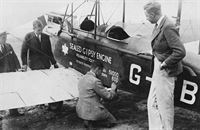
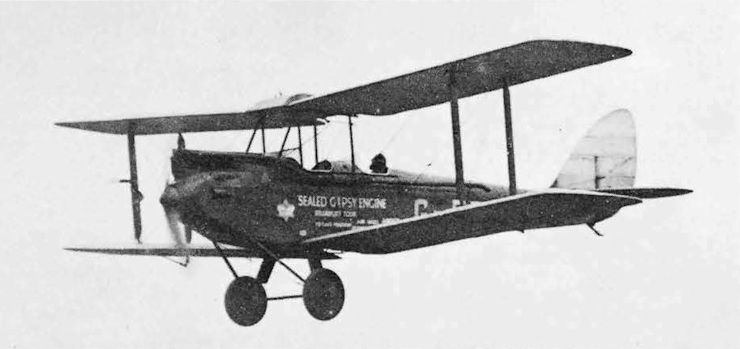
Регистрационный номер: G-EBTD [2] The top corner of this historic photo was already broken off when added to the writer's collection after the war. It shows G-EBTD at the end of the Gipsy Endurance Test having the final figures painted on: 600 hours and 51,000 air miles, indicating operation at 85 mph. The cockpit openings are still the original "rounded hole" type which had the small-sized RH door flap, but the front windscreen has been replaced by a steeply-sloping three pane racing type.
Самолёты на фотографии: De Havilland Moth / D.H.60 - Великобритания - 1925
-
-
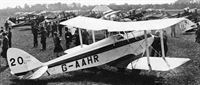
Регистрационный номер: G-AAHR Gipsy Moth G-AAHR c/n 1068 as racing no.20. It was unusual in obtaining a better view for the pilot by being flown from the front cockpit and having the main fuel tank in the covered-over rear cockpit. This would have made it nose-heavy when most of the fuel was used up and it would have been necessary to fit balance weights in the tail end of the fuselage to guard against ground nose-ups after landing. Note the curved cutout in the slim centre section of the non-folding wing and (just visible) the small racing wheels. The enclosed cockpit was faired right back to the tail.
Самолёты на фотографии: De Havilland Moth Coupe - Великобритания - 1928
-
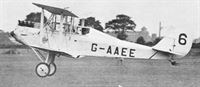
Регистрационный номер: G-AAEE Lady Bailey taking off in G-AAEE c/n 981 Gipsy Moth coupe. The Gipsy LH features are all evident, induction manifold, blister over carburetter, side carburetter intake, and stub exhausts are fitted. The bungee cord-sprung tailskid dug in on the grass surfaced aerodromes and tended to keep the aircraft running straight on the ground but often picked up bits of turf as shown here. The standard coupe top was a production item but a number of 'specials' with different configurations were produced.
Самолёты на фотографии: De Havilland Moth Coupe - Великобритания - 1928
-
Самолёты на фотографии: De Havilland Moth Coupe - Великобритания - 1928
-
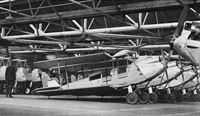
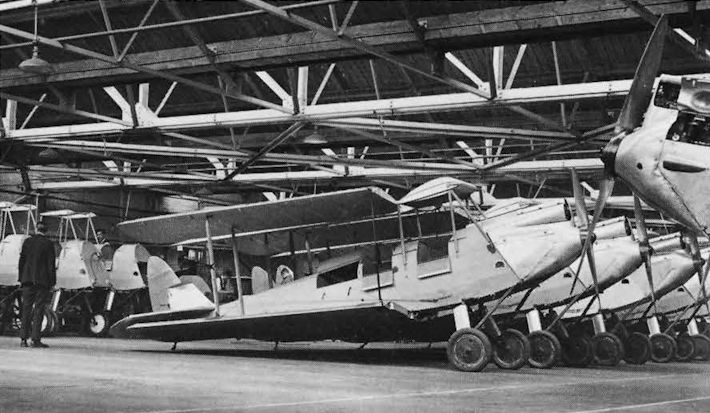
Late production DH.60M Moths at the factory. The centre aircraft has wings folded with jury struts in position supporting the inboard leading edge, exposed fuel tank and wing root section, and 'clean' right side cowling with airscoop at the top. The long doors to the squared-off cockpits are open, as is the locker behind them. Not showing up well are the lines of the wood stringers supporting the fabric shape over the metal fuselage frame. On the right the nose of another aircraft shows the LH tractor propeller, side carburetter intake and opened-up blister cover over the carburetter.
Самолёты на фотографии: De Havilland Gipsy Moth / Moth X - Великобритания - 1928
-
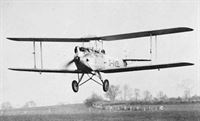
Регистрационный номер: G-AASL DH.60M G-AASL c/n 1430 with the first Gipsy II engine. It adopted a new wing section based on that of the aerobatic Genet Moth and the exhaust pipe was detoured clear of the cockpits by taking it down the engine bulkhead inside the cowling to an exit underneath.
Самолёты на фотографии: De Havilland Gipsy Moth / Moth X - Великобритания - 1928
-
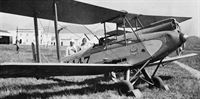
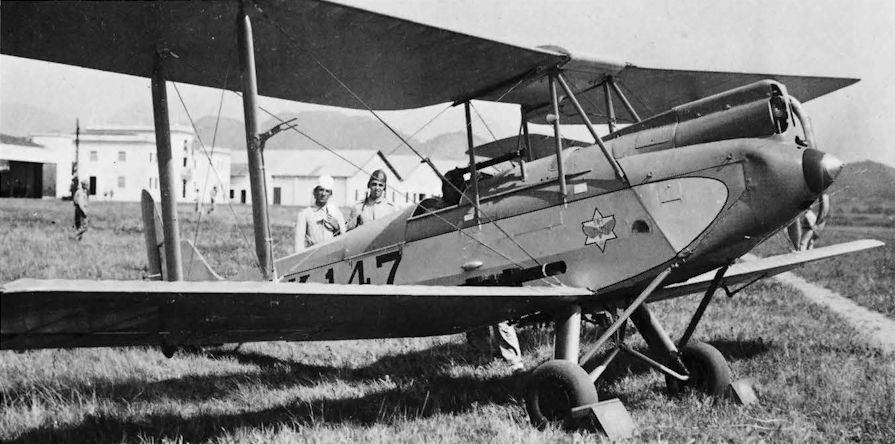
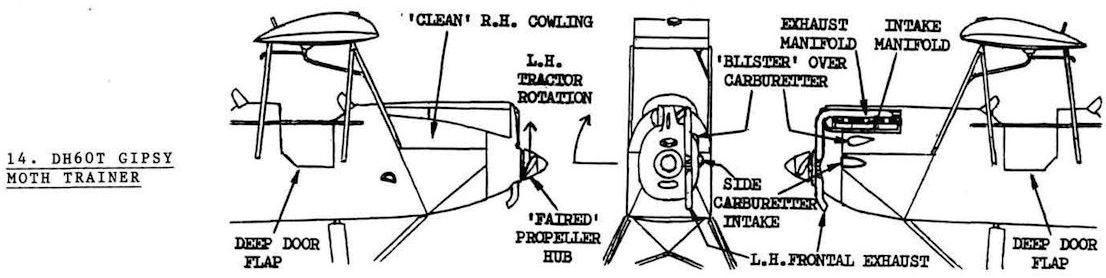
Регистрационный номер: K-147 DH.60T K147 c/n 3007 of the Escola de Aviacao Militar, Brazil, as a single seater with offset gunsight, camera gun on the starboard lower wing root and rack for 4 x 20 lb practice bombs under the fuselage behind the undercarriage. Note the LH exhaust pipe brought forward and down the front of the cowling which was unique to the DH.60T. Another feature of the T was the wing roots cut away at 45 degrees to enlarge the cutout and improve the pilot's upward view. The divided undercarriage has 'doughnut' tyres, properly known as Dunlop Airwheels. Goodyear also made them but Dunlop were standard for the Moth. With chocks in position and engine running the pointed nose provided by the small boss, tapered propeller hub and faired cowling which was common to all the production Gipsy Moths is emphasised.
Самолёты на фотографии: De Havilland Gipsy Moth / Moth X - Великобритания - 1928
-
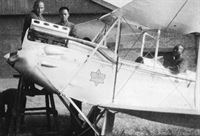
An unidentified DH.60M, apparently in the Far East, with engine top cover opened up shows clearly the Gipsy LH features, exhaust manifold with pipe passing inside the front centresection strut, induction manifold, carburetter blister cover, side intake and LH tractor propeller. The second design of fuel tank, standard since the DH.60X straight-axle model, shows the curve of the base projecting below the bottom surface of the wing due to its more symmetrical form. The wing-folding struts are in position.
The wings hinged on the rear spar, the inboard trailing edge of the top wing rotated into the cutout space behind the fuel tank, the trailing edge of the bottom wing being below the fuselage. With the wings spread and locked the bottoms of the two jury struts were pulled out of their wing sockets, telescoped, folded up and back and secured along the upper wing root.Самолёты на фотографии: De Havilland Gipsy Moth / Moth X - Великобритания - 1928
-
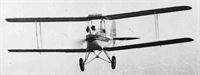
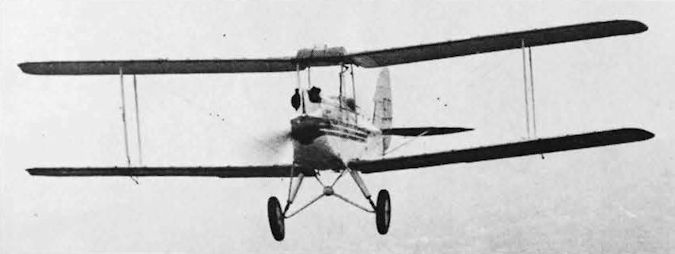
Регистрационный номер: EC-AQQ DH.60G single seater EC-AQQ c/n 919 showing the clean lines of the Moth and the Gipsy features from a frontal view. The standard airscoop on the right of the engine and the stub exhausts on its left show up well but the LH carburetter intake is here largely obscured by the paint scheme. The divided undercarriage has faired portions on the main legs containing the rubber-compression shock absorbers and a rarely seen feature - an 'acorn' fairing over the central junction.
Самолёты на фотографии: De Havilland Gipsy Moth / Moth X - Великобритания - 1928
-

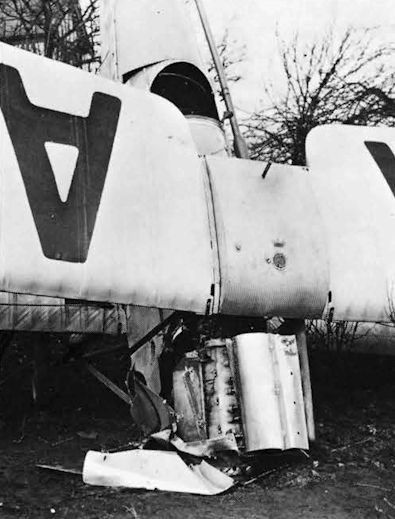
Регистрационный номер: G-AADV Gipsy Moth G-AADV c/n 998 of John Scott-Taggart after an accident showing features not normally visible in photos, such as the mouthpiece of the speaking tube sticking out of the rear cockpit by the exhaust pipe and the locker sprung open behind the cockpit. The fuel filler cap and the vertical-reading fuel gauge can be seen atop the fuel tank and the locking pin 'handles' and securing straps holding the wings locked in the spread position can be seen at the leading edge roots.
Самолёты на фотографии: De Havilland Gipsy Moth / Moth X - Великобритания - 1928
-
Самолёты на фотографии: De Havilland Gipsy Moth / Moth X - Великобритания - 1928