Фотографии
-
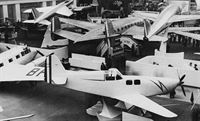
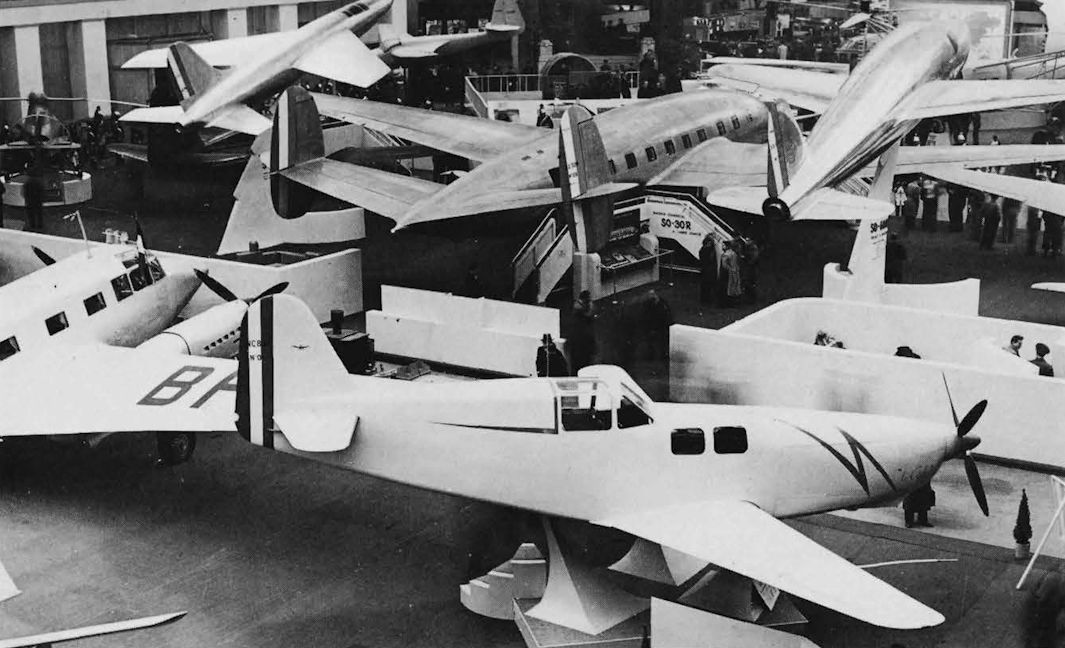
Регистрационный номер: F-BBFP, F-WAYB The SNCAC NC800 Cab in the foreground was a mockup for an air taxi to carry four passengers seated in pairs facing each other with the pilot's cockpit above and behind. The 240 hp 6-cyl in-line 6Q engines were to be mounted side by side driving a pair of 2 blade counter-rotating propellers. No undercarriage was apparent and "le Cab" appeared to be an uncompleted project which never flew as nothing more was heard of it. On the left, F-BBFP was the all-metal NC702 Martinet with two 590 hp 12-cyl inverted vee Renault 12S-00 engines driving Ratier 3 blade controllable pitch propellers. The NC702 was the German Siebel 204A built by SNCAC during the war with the Renault engines in place of the Argus and its production was continued postwar.
Top left is the SO M1 swept-wing glider aerodynamic development airframe which led to the Derwent powered SO M2, this becoming the first French aircraft to achieve 1000 km/hr (621 mph) in level flight. From these were developed the SO 6020 series jet fighters and France's first jet bomber the SO 4000 of which the twin Nene prototype flew only once before being abandoned.
Top centre is the twin-finned SO 30R, the 02 second prototype Bellatrix (two Gnome-Rhone 14-cyl 2 row 14R radials driving 3-blade c/s propellers) later registered F-WAYB. The production version was the SO 30P and 45 were built.
Top right is the first French jet plane the SO 6000 Triton, which was designed as a test bed for the Rateau GTS 65 turbojet. It was first flown 11.11.46 with a Jumo 004B-2 and proved suitable as a jet engine test bed. With its side by side cockpit seating it was also adapted for jet training.Самолёты на фотографии: Siebel Si.204 - Германия - 1941SNCAC NC.800 Cab - Франция - 1947Sud-Ouest SO.30 Bretagne - Франция - 1945Sud-Ouest SO.4000 Vautour - Франция - 1949Sud-Ouest SO.6000 Triton - Франция - 1946
-
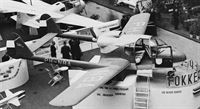
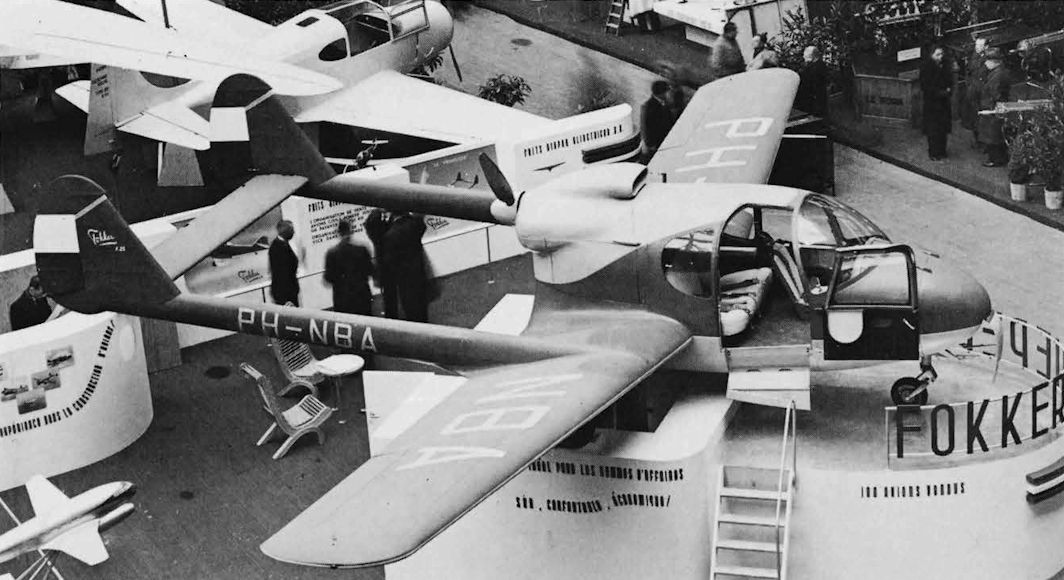
Регистрационный номер: PH-NBA The Fokker F.25 Promoter four-seat twin boom cabin monoplane with retractable tricycle undercarriage and a 190 hp Lycoming O-435-A flat six engine with a two position variable pitch pusher propeller. The prototype PH-NBA c/n 6066 was rushed through just in time to fly and appear at Paris 1946. One hundred were ordered by Frits Diepen Vliegtuigen and the F.25 clearly owed a great deal to Diepen's own design the Difoga 421 illustrated on p.92/21. In the event only twenty-one were built and not all flew.
Самолёты на фотографии: Fokker F.25 Promoter - Нидерланды - 1946
-
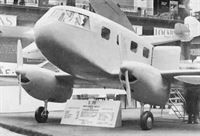
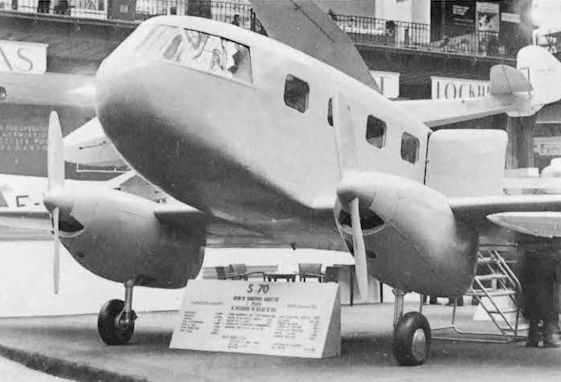
The SIPA S70 wood and metal 8 passenger feeder liner was powered by two Mathis 200 hp 8-cyl G8R inverted vee in-line engines with cowlings and propellers similar to those on the same engine in the S20. The undercarriage main wheels were to be retractable but the tailwheel was fixed. The aircraft on display appeared to be largely a mockup intended to investigate sales possibilities and like the S20 no more was heard of it. Behind is the tail of the Arsenal SA103 Emouchet training glider, a standard single seat type which was widely used in France. The T107 exhibited by Guerchais-Roche was very similar.
Самолёты на фотографии: Arsenal / Guerchais-Roche Emouchet - Франция - 1942SIPA S.70 - Франция - 1949
-
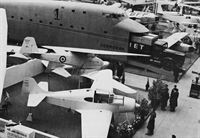
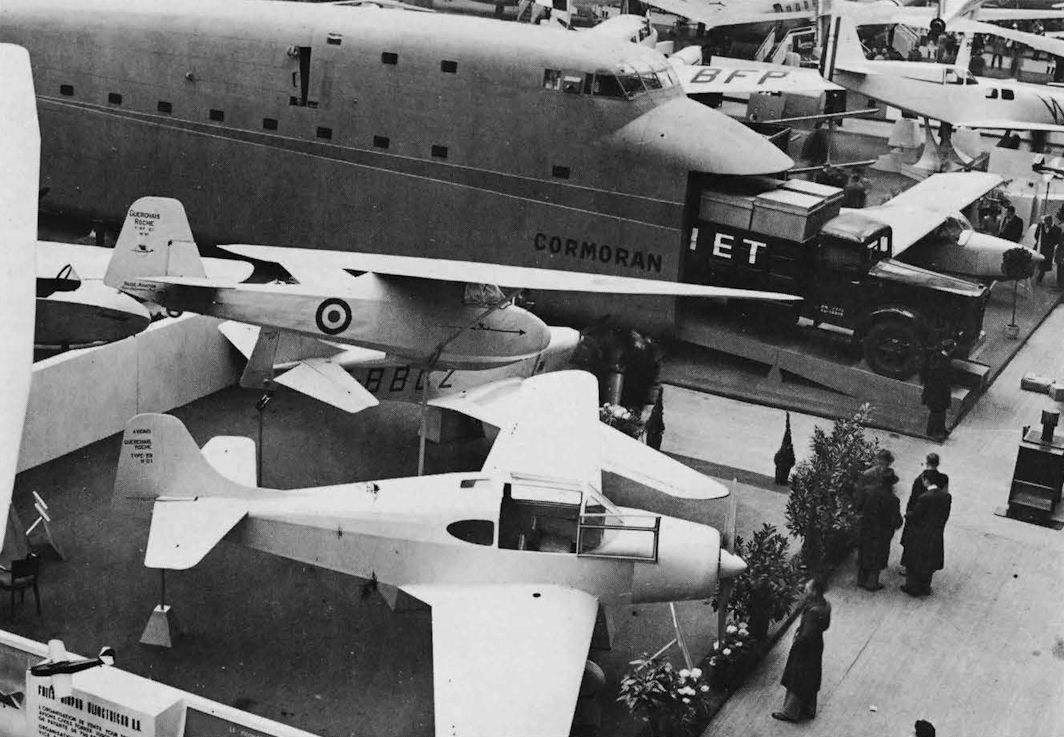
Регистрационный номер: F-BBCZ, F-BCEG, F-WCEG The fuselage of the 144 ft span SNCAC NC211 Cormoran prototype cargo plane at the top of this photograph overshadowed everything else on display. Powered by four Gnome-Rhone 1600 hp 14-cyl 2-row radials, this prototype crashed when the elevators proved inadequate to control the change of trim when the flaps were lowered for landing. All the tail surfaces on the second prototype F-WFKH were enlarged and it flew successfully, but no more were built and the SNCAC went into voluntary liquidation.
The nose of the NC840 Chardonneret shows on the other side of the truck making a still-life exit from the Cormoran. The NC840 with 140 hp 4-cyl inverted in-line Renault 4P-01 engine led to several variants with other engines and the production version became the NC856A Norvigie, 112 examples of which were produced by SNCAN for Armee liaison after the SNCAC close-down.
In the foreground is the prototype Guerchais-Roche T39 three-seat wood and fabric cabin monoplane tourer with a 175 hp 7-cyl Mathis G7R radial engine. It flew the following year as F-WCEG/F-BCEG.
Overhead in the centre is the prototype Guerchais-Roche T107E single seat training glider and below it is F-BBCZ, the prototype T35 two-seater with 140 hp Renault 4Pei from which the T39 was developed.Самолёты на фотографии: Guerchais-Roche T.107 - Франция - 1945Guerchais-Roche T.35 / T.39 - Франция - 1944SNCAC NC.211 Cormoran - Франция - 1948SNCAC NC.840 Chardoneret - Франция - 1947
-
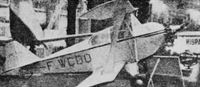
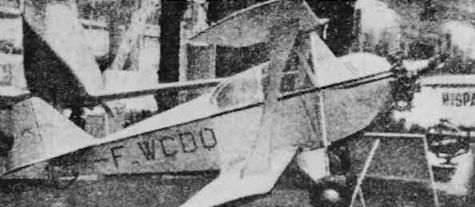
Регистрационный номер: F-WCDQ, F-PCDQ The SNCAC JC.1 Levrier dual-control tandem seat enclosed cockpit trainer and sports biplane was powered initially by a 60 hp 9-cyl Salmson 9ADR radial engine. The display aircraft F-WCDQ was built by Jean Chapeau and later became F-PCDQ with a 65 hp Continental flat four, open cockpits and a new turtle deck.
The Jean Chapeau JC.1 Levrier was not put into production by SNCAC although it led to the similar Aero 110 and 101 two-seater.Самолёты на фотографии: Chapeau & Blanchet JC-1 Levrier - Франция - 1946
-
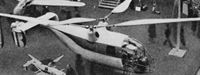
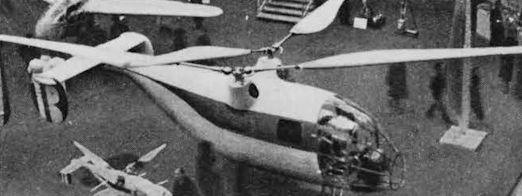
The SNCAC NC2001 Abeille helicopter had some similarities to the Breguet G11E with vertical and horizontal tail surfaces but its twin 2-blade rotors were mounted on separate pylons and inter-meshed. It had a cleanly streamlined fuselage and the undercarriage was retractable. The engine was the 12-cyl inverted vee in-line Renault 12S.00 giving 600 hp at 3300 rpm for take-off. It was probably influenced by the SE3000 but was no more successful. The example displayed was unmarked.
Самолёты на фотографии: SNCAC NC.2001 Abeille - Франция - 1946
-
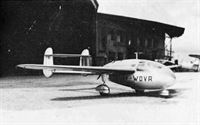
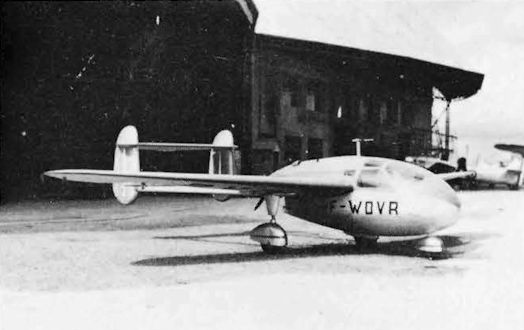
Регистрационный номер: F-WDVR The SNCAC AL.06 La Fregate side-by-side 2-seat tourer registered F-WDVR at about the time of its first flight at Toussus le Noble in 1947. It was powered by a 4-cyl inverted in-line Regnier 4JO engine with a Shwarz fixed pitch 2-blade propeller. The airframe was all-metal except for fabric covered control surfaces and flaps. The AL designation stood for the designers Alliet and Lariviere.
Самолёты на фотографии: Alliet-Lariviere AL-06 - Франция - 1946
-
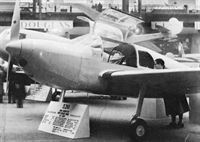
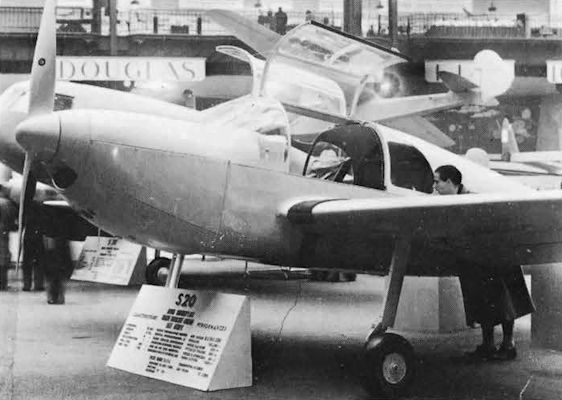
The all-wood SIPA S20 was what a retractable Messenger might have looked like if it had been designed by a Frenchman! The upwards-opening cockpit cover with spinal hinges and the over-the-shoulder side windows and the projecting flaps and twin-fin tail unit also had similarities. The display board gave the engine as a Mathis G8R, a 200 hp 8-cyl inverted vee in-line air-cooled engine for which the upwards curved cowling with intake under the spinner is appropriate. The propeller was a 2-blade wooden fixed pitch right hand tractor. Nothing more was heard of the S20.
Самолёты на фотографии: SIPA S.20 - Франция - 1946