

Фотографии
-
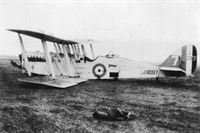
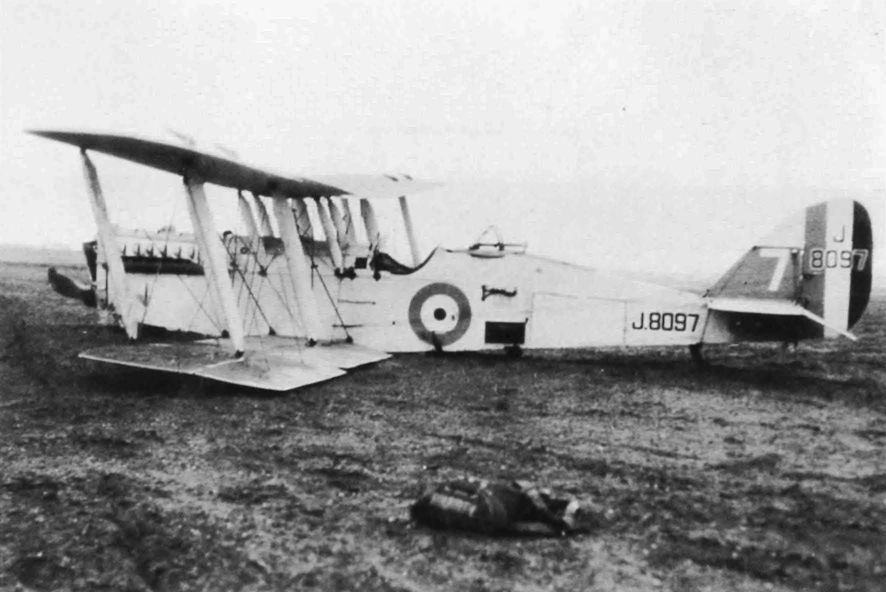
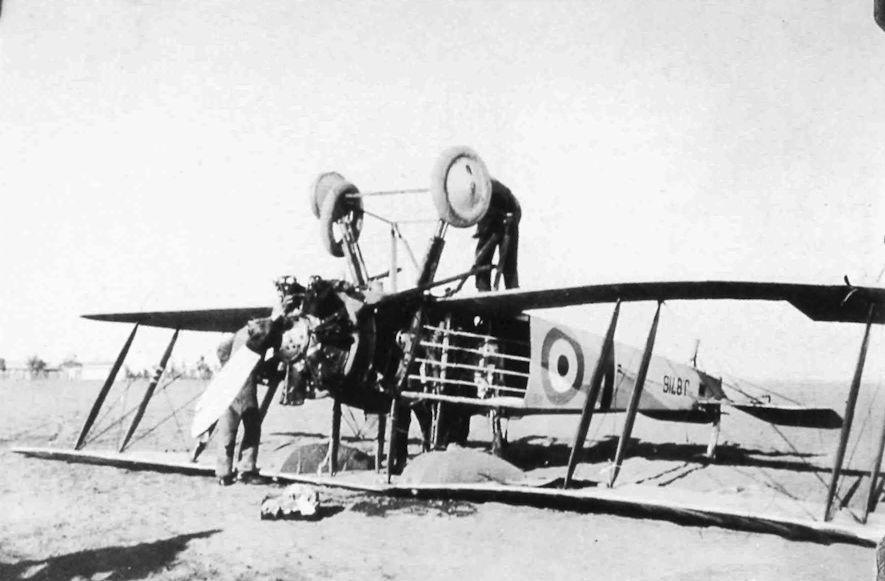
Регистрационный номер: J8097 Westland-built D.H.9A loses its undercarriage in a heavy landing while serving with No.4 Flying Training School at Abu Sueir, Egypt.
Самолёты на фотографии: De Havilland D.H.9A - Великобритания - 1918
-
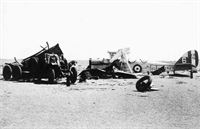
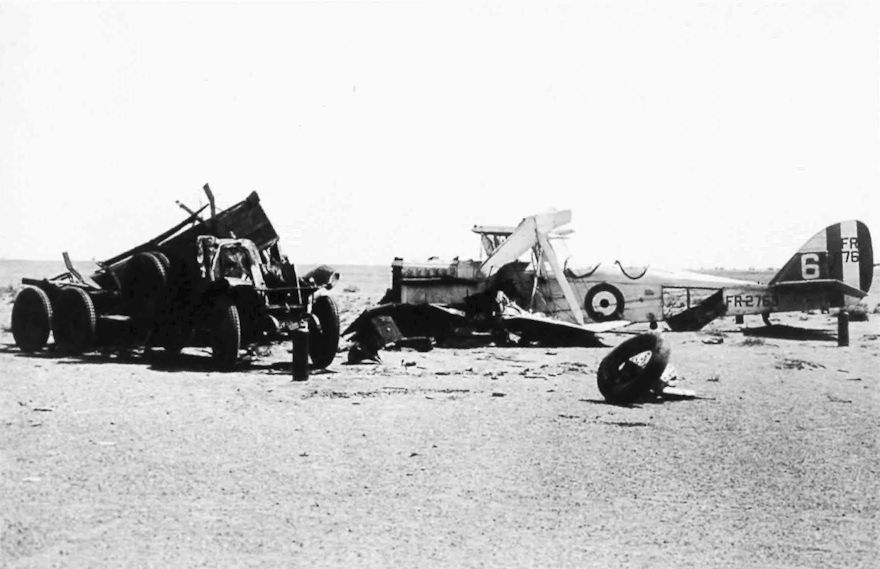
Регистрационный номер: FR2763 FR2763 was another D.H.9A, this time built by F. W. Berwick & Co. It appears to have demolished a tender while wrecking itself. The 'R' in the serial denotes that it had already been rebuilt once but when this accident happened is not known.
Самолёты на фотографии: De Havilland D.H.9A - Великобритания - 1918
-
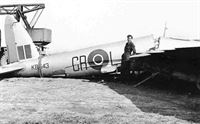
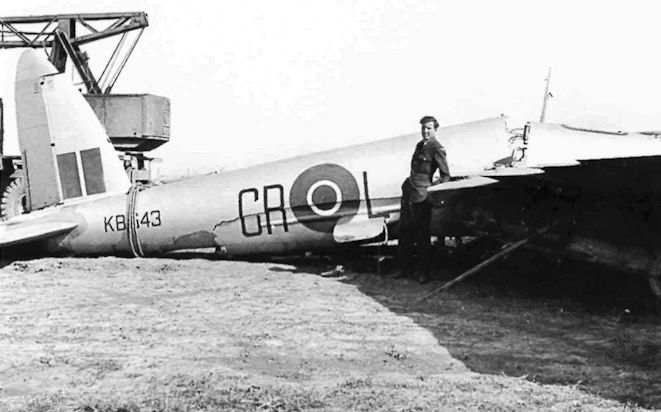
Регистрационный номер: KB643 A Mosquito B.25 built in Canada, KB643 was with No.162 Squadron when it undershot landing at Buckeburg on 28 April 1946
Самолёты на фотографии: De Havilland Mosquito B / D.H.98 - Великобритания - 1940
-
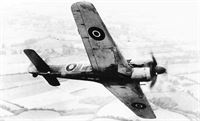
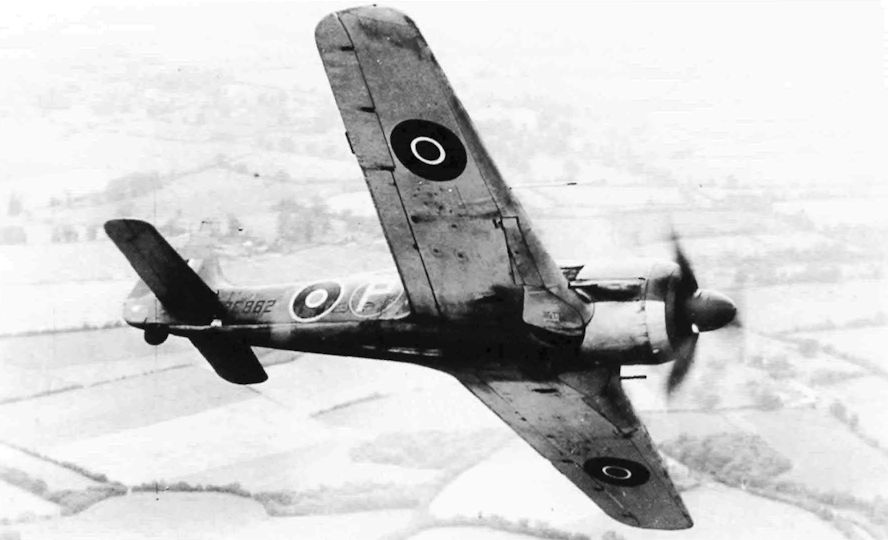
Регистрационный номер: PE882 A Focke-Wulf FW 190 landed in error at West Mailing on 17 April 1943 and was taken to the RAE at Farnborough for tests. Given the serial PE882, this example turned out to be a FW 190A-4/U8 with a 1,700 hp B.M.W 801D-2 engine. Later it was passed on to No.1426 (Enemy Aircraft) Flight as part of a flying circus of enemy types that toured RAF and USAAF bases until it caught fire and crashed near Collyweston on 13.10.44
Самолёты на фотографии: Focke-Wulf FW.190A - Германия - 1941
-
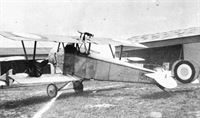
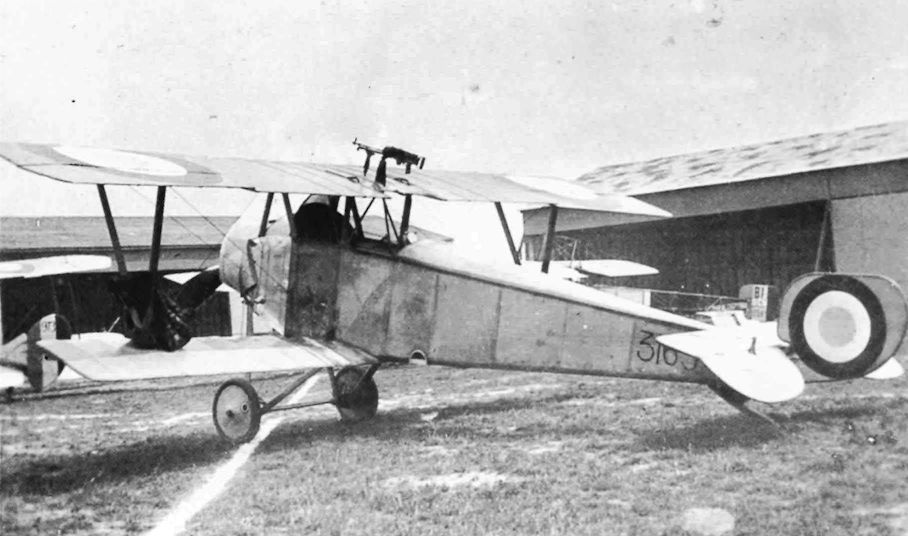
Obviously trying to avoid being shot at by friends is this Nieuport 12 two-seater of No.1 Squadron at St.Pol. Or could it be that the painter had not read the instructions?
Самолёты на фотографии: Nieuport Nieuport-12 - Франция - 1915
-
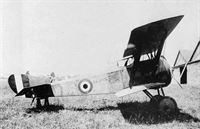
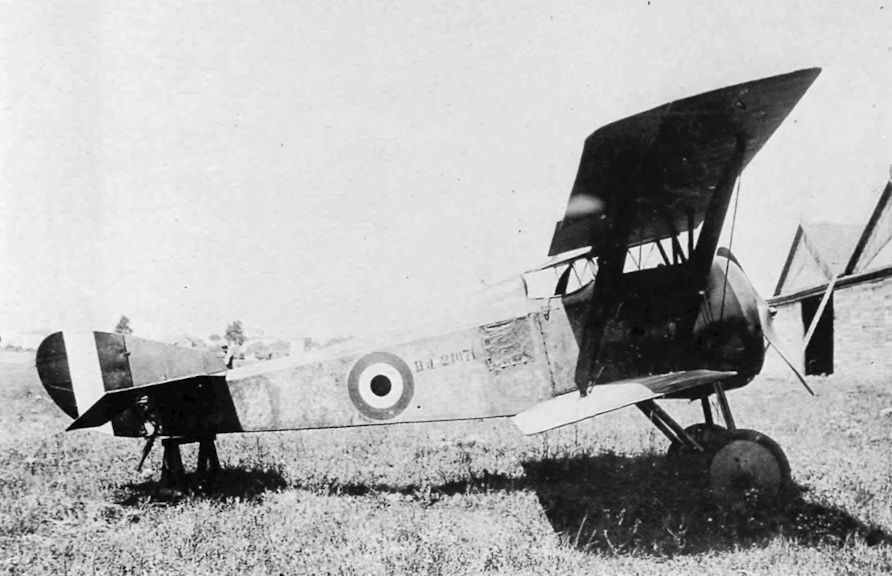
The Hanriot H.D.1 was a French-designed single-seat fighter that did not join French fighter squadrons but served with the Belgian air arm. In addition, Macchi in Italy built the type under licence, a total of 901 being quoted.
Самолёты на фотографии: Hanriot HD.1 - Франция - 1916
-
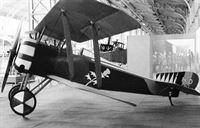
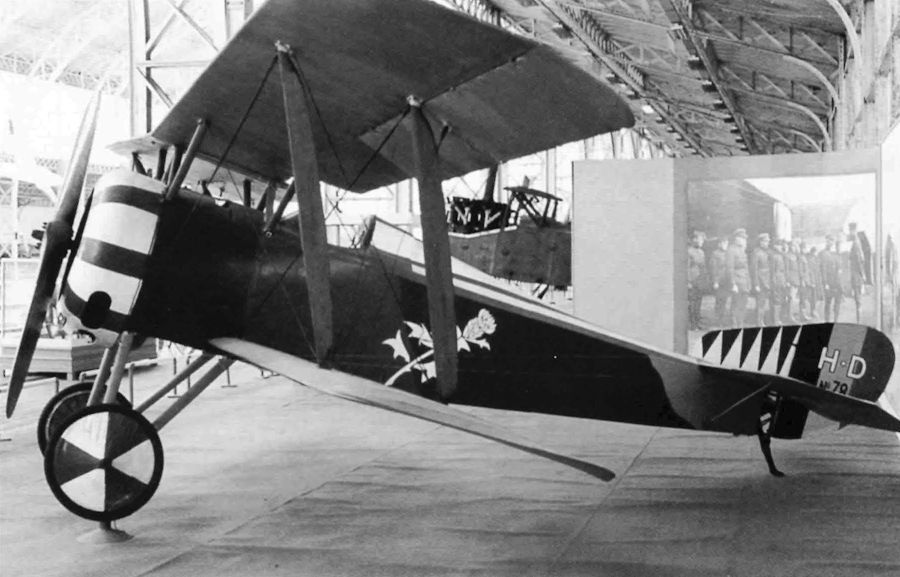
Preserved in the Musee des Armes in Brussels is Hanriot No.79. Painted with the thistle emblem of 9eme Escadrille, it was the standard wartime fighter of the Belgian air arm. Before and for some time after World War Two, the Hanriot was invariably described as being a Belgian design in most publications, presumably because it was never mentioned in connection with French fighter units, only Belgian.
Самолёты на фотографии: Hanriot HD.1 - Франция - 1916
-
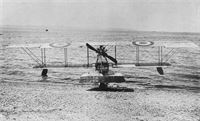
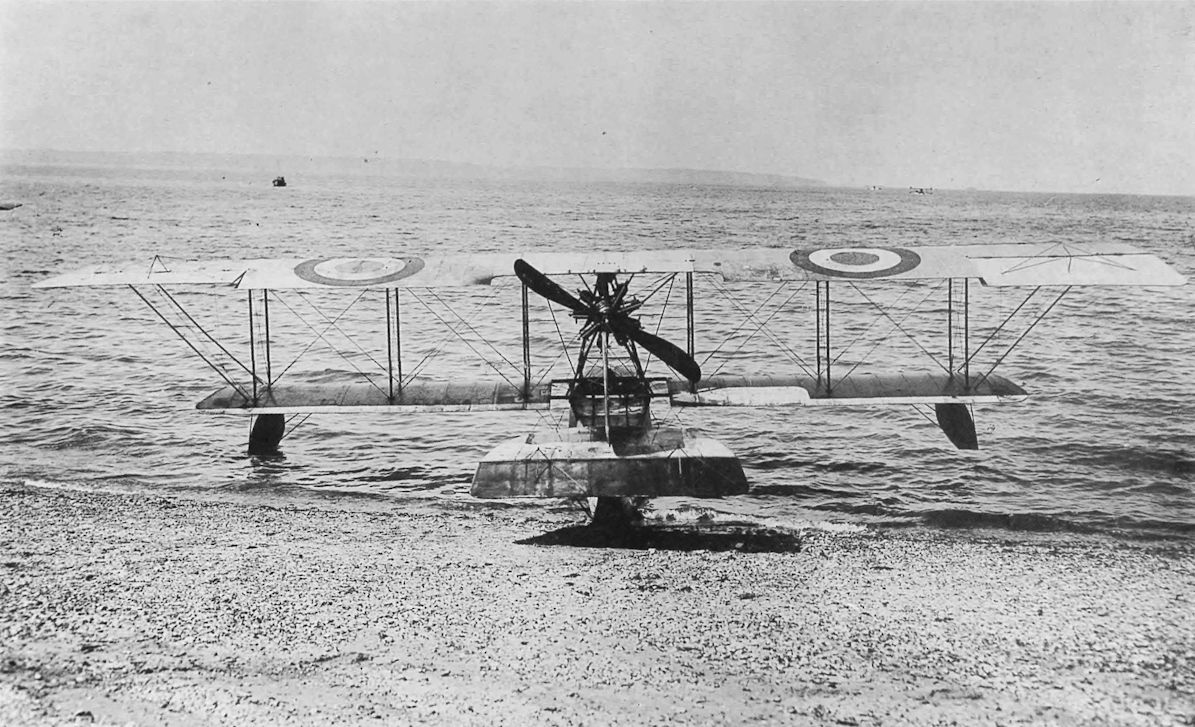
A Royal Naval Air Service F.B.A. flying boat on the beach. From the background, it would seem to be more likely to be Calshot than Lee-on-Solent.
Самолёты на фотографии: FBA Type A/B/C - Франция - 1913
-
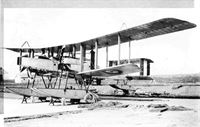
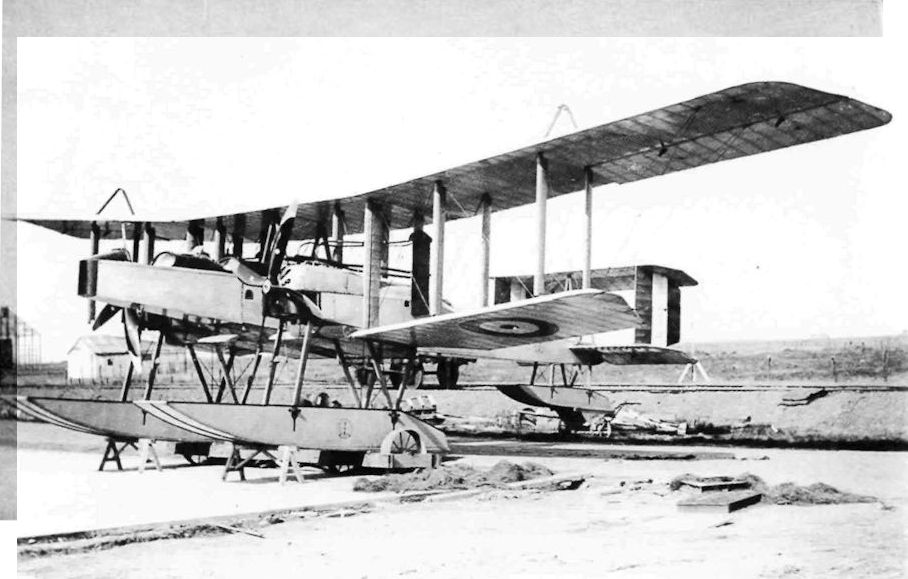
Регистрационный номер: 1415 The first Blackburn G.P. patrol seaplane, No.1415, at the Isle of Grain for tests in 1916. Based in the earlier T.B. anti-zeppelin seaplane, it had two 150 hp Sunbeam Nubian engines and folding wings to conserve hangar space. With a crew of three it had an endurance of eight hours. A second G.P. was built with Rolls-Royce Falcons but the type did not go into production although it paved the way for the Kangaroo.
Самолёты на фотографии: Blackburn GP - Великобритания - 1916
-
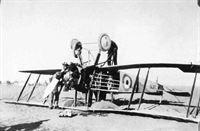
Регистрационный номер: J8716 Avro 504N J8716 was also with No.4 FTS when it had this accident but it was rebuilt before colliding with J8981 near Abu Sueir on 8 January 1930.
Самолёты на фотографии: Avro Avro 504N - Великобритания - 1920
-
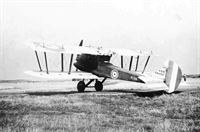
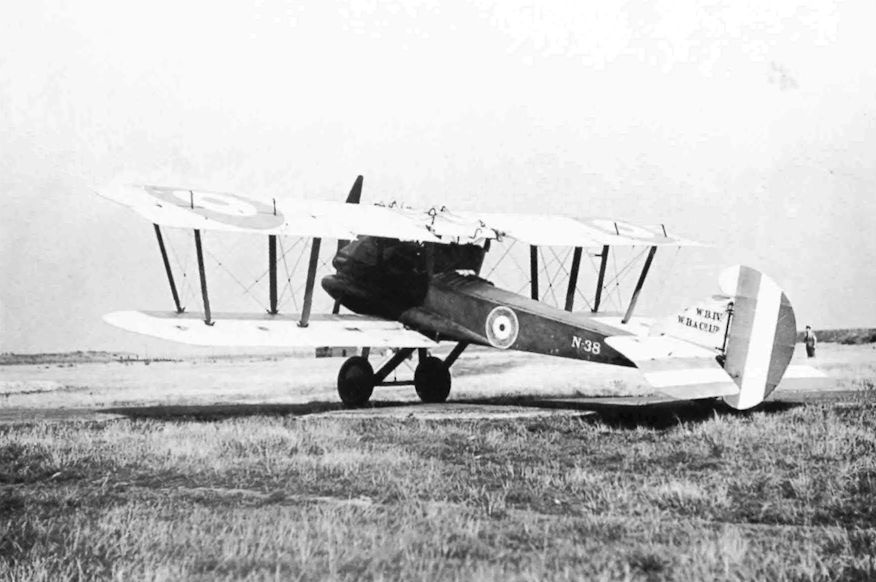
Регистрационный номер: N38 Another Beard more design was the more-utilitarian WB.IV fleet fighter-reconnaissance aircraft. Designed for operating from turret platforms and carriers, it was built with a boat-type hull that would stand up to the inevitable ditching and had fitted pick-up cable anchorages for hoisting inboard. The pilot sat ahead of the wings with the engine behind him. N38 was tested in the summer of 1918 but the war had ended before any decision on production was taken.
Самолёты на фотографии: Beardmore W.B.IV - Великобритания - 1917
-
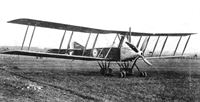
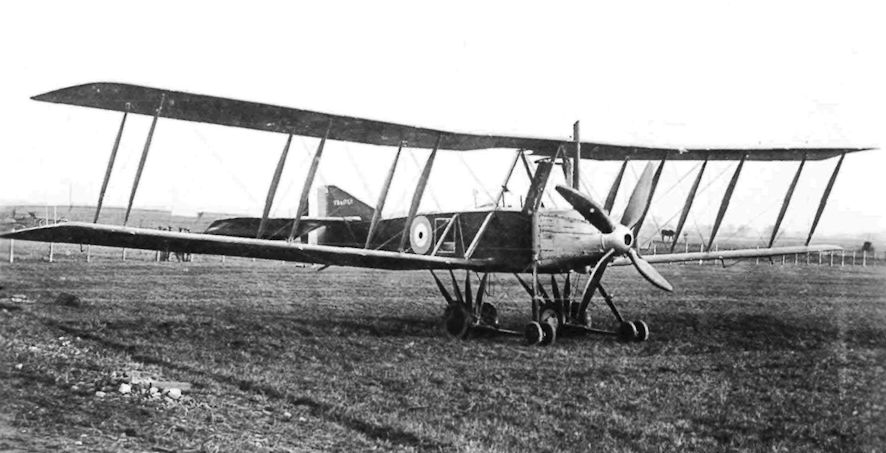
The Beardmore W.B.I was the Scottish ship-builders and engineering works' first essay into aeroplanes of its own design. Having a licence to build D.F.W. biplanes, Beardmore undertook construction of B.E.2Cs before getting G.Tilghman Richards to begin work on its own designs. The W.B.I was built as a two-seat bomber powered by one of Beardmore's own Adriatic engines in 1915. It remained a prototype and is seen in a field at Dalmuir.
Самолёты на фотографии: Beardmore W.B.I - Великобритания - 1916
Статьи
- -
- Operational requirements (1)
- Picture Pages