


Описание
 Wiki
Wiki 
Страна : Германия
Год : 1924
Транспортный самолет с экипажем из двух человек
Варианты
- Dornier - Komet - 1921 - Германия
- Dornier - Merkur / Komet III - 1924 - Германия
Dornier Do B Merkur, Do C Komet III, Do D и Do T
Последним в семействе сухопутных транспортных самолетов Komet был Do C Komet III, первый полет которого состоялся 7 декабря 1924 года. Он создавался как улучшенный и увеличенный по размерам вариант Komet II. В конечном итоге получился новый самолет, который имел такое же родство с летающей лодкой Delphin III, как Komet I и II с летающими лодками Delphin I и II. Komet III был оснащен двигателем Rolls-Royce Eagle IX мощностью 360 л.с. (268 кВт), хотя на самолеты позднего выпуска могли устанавливаться двигатели Liberty 12 мощностью 400 л.с. (298 кВт) или Napier Lion мощностью 450 л.с. (336 кВт). Самолет мог перевозить шесть пассажиров при двух членах экипажа. Komet III использовался на авиалиниях в Германии, Дании, Швейцарии и СССР (на Украине). Небольшое число этих машины строилось по лицензии в Японии фирмой "Kawasaki" с двигателями Eagle IX, Lorraine-Dietrich 12 или лицензионным вариантом BMW.
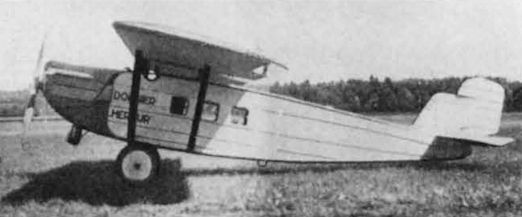
Первый самолет Do В Merkur I поднялся в воздух 10 февраля 1925 года. От Komet III он отличался крылом увеличенного размаха с вырезом на задней кромке, свободнонесущим оперением с килем увеличенной площади и другой силовой установкой. В качестве последней использовались двигатели BMW VI мощностью 450 и 600 л.с. (336 и 447 кВт) для вариантов Merkur I и Merkur II, соответственно. Некоторое количество Komet III были доработаны до этого стандарта, получив либо безредукторный вариант BMW IV мощностью 450 л.с. (336 кВт), либо BMW VI, оснащенный редуктором мощностью 500 л.с. (373 кВт). Эти замены затрудняют работу авиационных историков, поскольку доработанные Komet III также стали называть Merkur. Merkur I и II могли перевозить от шести до восьми пассажиров с двумя членами экипажей. Merkur II мог эксплуатироваться при большей массе, которая была еще больше увеличена у модификации Do B Bal Merkur II с двигателем BMW VIu мощностью 640 л. с. (477 кВт).
Крупнейшим оператором Merkur была, без сомнения, компания DLH, которая вместе с доработанными Komet III имела до 30 самолетов этого типа. Самолеты также использовались авиакомпаниями в Китае, Швейцарии и Японии. Кроме того, Бразилия и Колумбия приобрели по одному Merkur с поплавковым шасси.
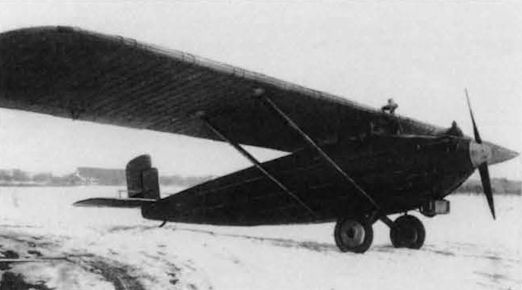
Самолет Do C представлял собой многоцелевую машину на базе Komet III. В открытой кабине этой машины бок о бок размещались два члена экипажа (курсант и инструктор), а еще шесть человек (обучаемые и инструкторы) могли расположиться в закрытой кабине с посадочной дверью по левому борту. Точное количество построенных Do C не установлено, но известно, что несколько из них использовались в качестве бомбардировщиков чилийскими ВВС в 1930 году.
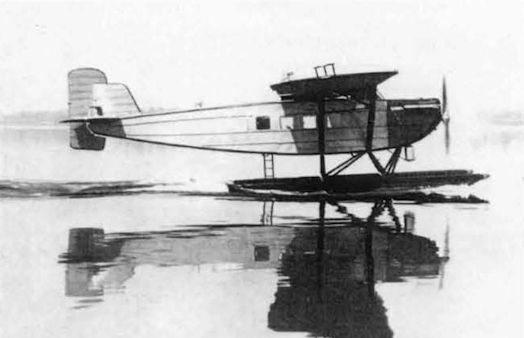
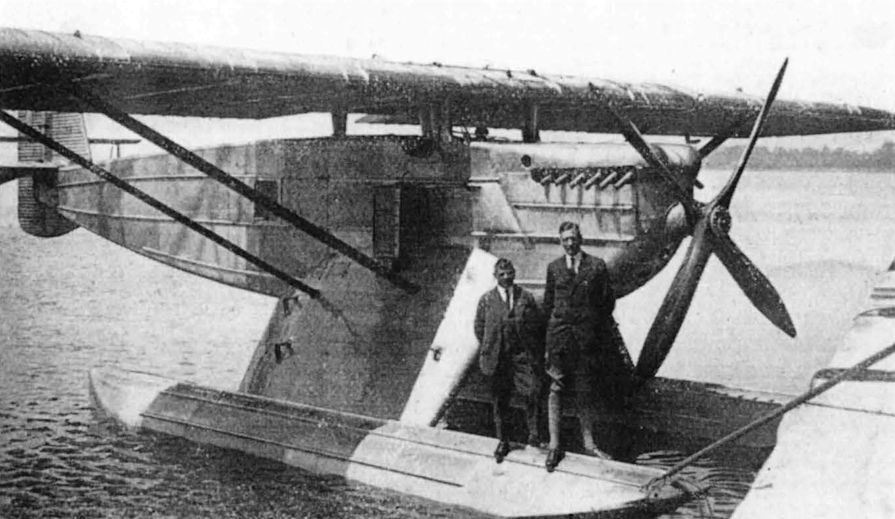
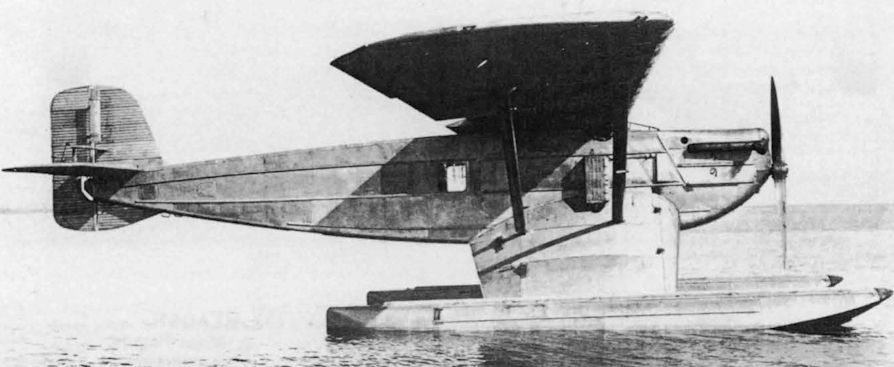
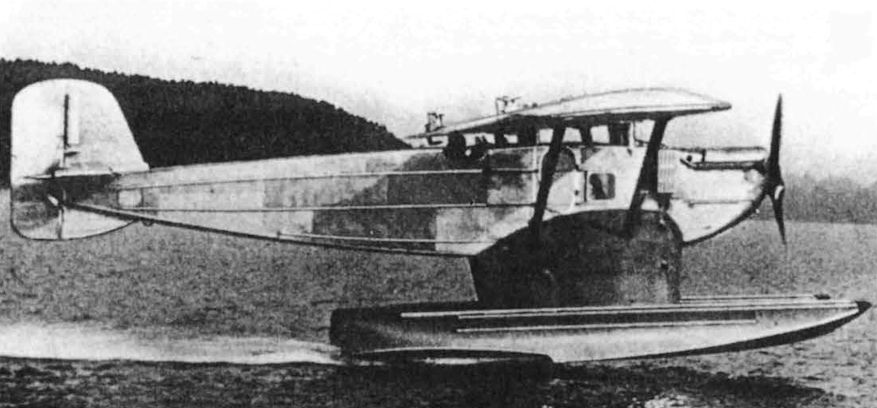
Самолет Do D представлял собой вариант Do C с двухпоплавковым шасси и в 1927 году строился в Югославии в качестве торпедоносца. Do T представлял собой сухопутный санитарный самолет и, вероятно, небольшое количество этих машин использовалось военными.
ТАКТИКО-ТЕХНИЧЕСКИЕ ХАРАКТЕРИСТИКИ
Dornier Do B Merkur II (сухопутный вариант)
Тип: транспортный самолет с экипажем из двух человек
Силовая установка: один V-образный поршневой двигатель BMW VI мощностью 600 л. с. (447 кВт)
Летные характеристики: максимальная скорость на оптимальной высоте 200 км/ч; крейсерская скорость на оптимальной высоте 180 км/ч; потолок 5200 м
Масса: пустого 2100 кг; максимальная взлетная 3600 кг
Размеры: размах крыла 19,60 м; длина 12,50 м; высота 3,56 м; площадь крыла 62,00 м2
Полезная нагрузка: до 8 пассажиров
Описание:
- Dornier Do B Merkur, Do C Komet III, Do D и Do T
- История конструкций самолетов в СССР до 1938 г.
- The Japanese Civil Register 1919-45
Фотографии

-
Авиация и Космонавтика 2025-07 / А.Пухлов - Советская гражданская авиация довоенного периода 1920-1941гг. (1)
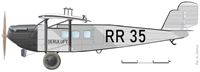
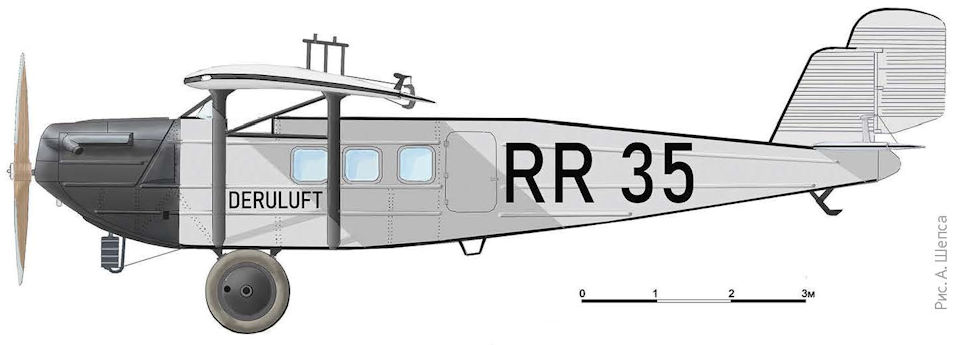
Регистрационный номер: RR-35 [3] Dornier «Merkur»
-
История Авиации 2003-02 / С.Корж - Коммерческая авиация /Ретроспектива/ (7)
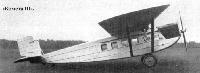
Пассажирский самолет Dornier Komet III
-
Air-Britain Archive 2004-01 / J.Meaden - Dornier - pioneer and survivor /Head-On View/ (9)
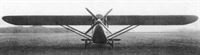
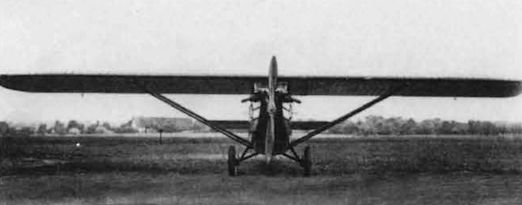
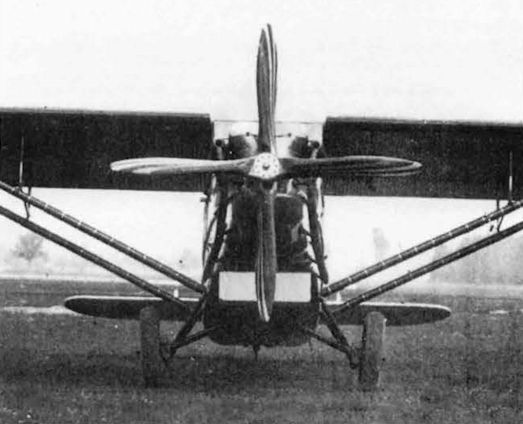
Head-on view of the prototype Komet III emphasises the larger 19 m (62 ft 4 in) span parasol wing with rounded tips. The distinctive Rolls-Royce radiator, with taper top and filler cap, extends around and below the propeller hub.
-
Air-Britain Archive 2004-04 / J.Meaden - Dornier - pioneer and survivor /Head-On View/ (9)
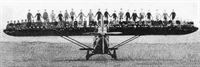
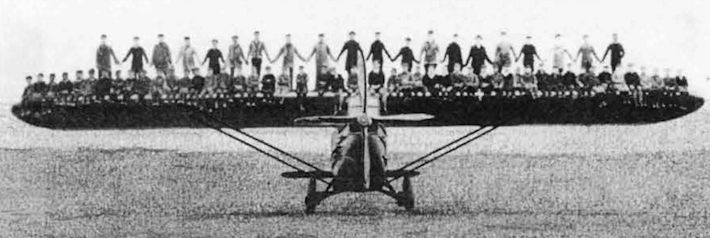
An early Komet III with R-R Eagle engine was posed with 20 standing and 49 sitting personnel on the wing, a total of 69 persons. A few appear to be schoolchildren but it still looks a lot of bodies. Room for one more on the starboard wing - or had one fallen off?
-
Air-Britain Archive 2004-01 / J.Meaden - Dornier - pioneer and survivor /Head-On View/ (9)
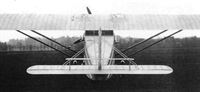
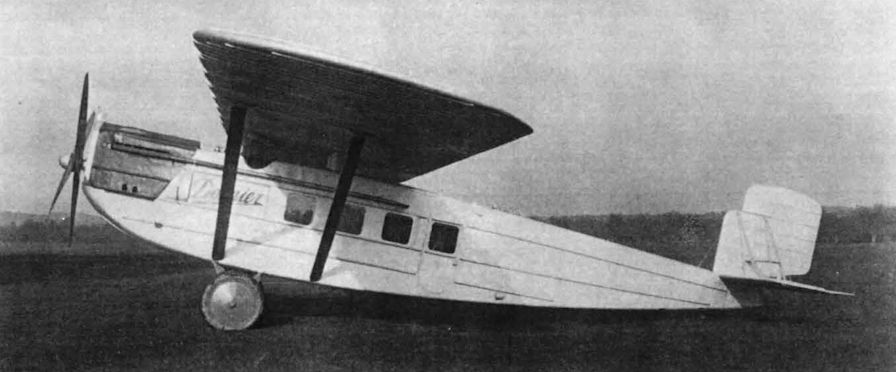
The prototype Komet III viewed from the rear shows the round-tipped tailplane and the long link-tab trimmer for the elevators passing through the fin. The two fuel tanks and their filler caps are in the wing roots.
-
Air-Britain Archive 2004-01 / J.Meaden - Dornier - pioneer and survivor /Head-On View/ (9)
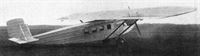
The Komet III prototype showing the 3-rib fuselage sides and 2-strut bracing on the fin. This photograph was used by Dornier in an advertisement, appearing on 25.2.25 and after.
-
Air-Britain Archive 2003-04 / J.Meaden - Dornier - pioneer and survivor /Head-On View/ (9)
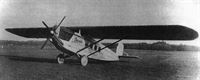
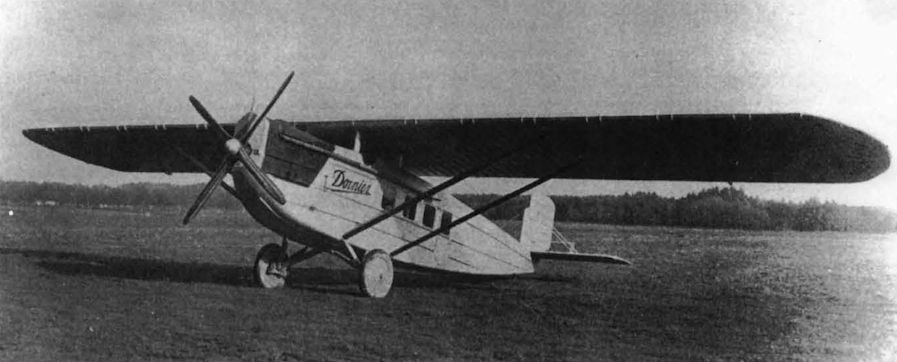
The Dornier Komet III prototype, parasol wing with rounded tips and 360 hp Rolls-Royce Eagle IX engine with four-blade propeller. Although based on the Komet II, the III was an entirely new design.
-

Air-Britain Archive 2004-01 / J.Meaden - Dornier - pioneer and survivor /Head-On View/ (9)
An entirely new design, the parasol-wing Komet III prototype c/n 55 with 4-blade left hand tractor propeller for the Rolls-Royce Eagle engine. The early type long exhaust is installed. Note the small fin size of the early Komet III series.
-
Air-Britain Archive 2004-01 / J.Meaden - Dornier - pioneer and survivor /Head-On View/ (9)
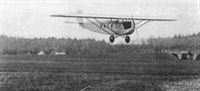
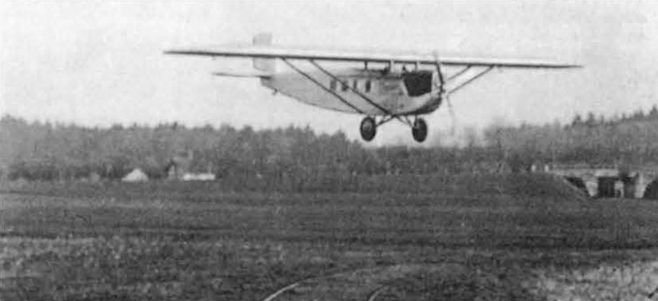
The Komet III prototype on the approach to land, not yet wearing a registration. The shallow angle of approach is typical of the aircraft of the time which were not fitted with flaps and so had a flat gliding angle when power was reduced to descend.
-
Air-Britain Archive 2004-01 / J.Meaden - Dornier - pioneer and survivor /Head-On View/ (9)
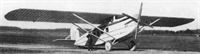
An early model Komet III with Rolls-Royce Eagle engine with the original long exhaust pipe, not yet wearing a registration. The pilot can be seen peering out from the 'dip' in the cockpit side which was his only means of obtaining a forward view of the ground in level flight.
-
Air-Britain Archive 2003-04 / J.Meaden - Dornier - pioneer and survivor /Head-On View/ (9)
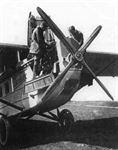
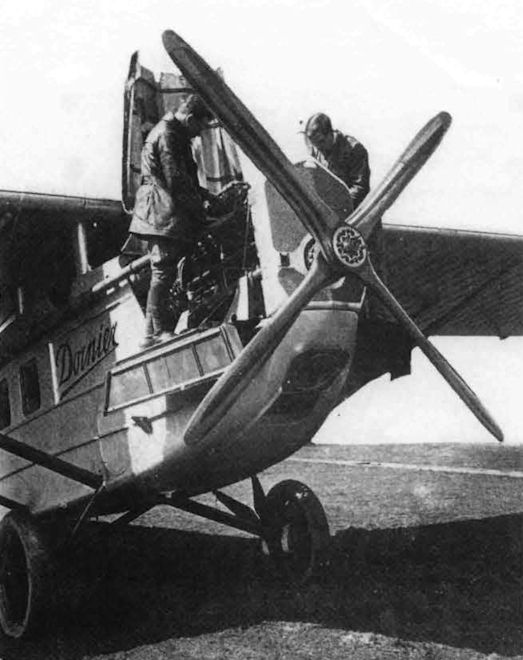
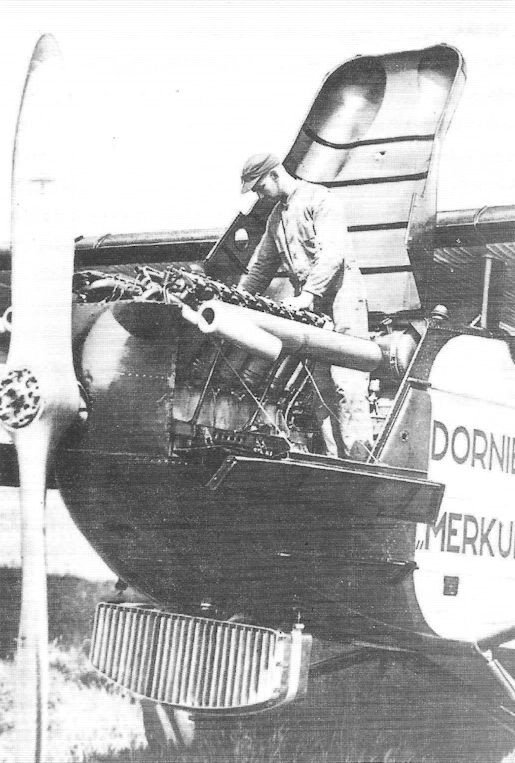
Close-up of the nose of the Komet III shows features incorporated to make engine servicing easier, crocodile top cowl for unimpeded access, downwards-folding side cowl forms work platform, built-in steps make ladders unnecessary.
-

Air-Britain Archive 2004-01 / J.Meaden - Dornier - pioneer and survivor /Head-On View/ (9)
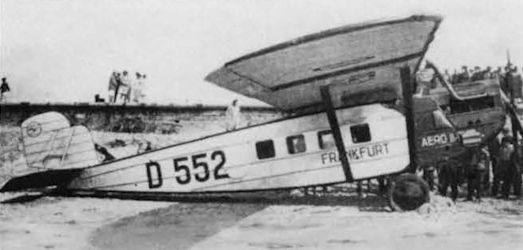
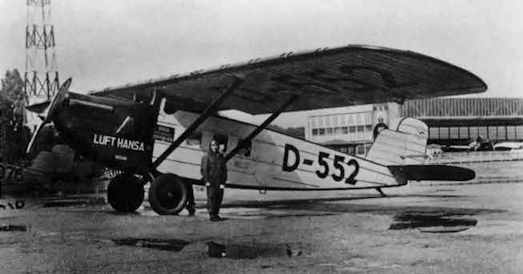
Регистрационный номер: D-552 [2] Komet III D552 c/n 66 was first Deutscher Aero Lloyd's "Frankfurt" with an unusual overwing-ejecting exhaust pipe and original small fin-braced tail unit.
-

Aeroplane Monthly 1984-01 / J.Stroud - Wings of Peace
Регистрационный номер: D-580 [3] This Luft Hansa Komet III, D-580, was later named Panther and it is believed to have operated Luft Hansa’s first service, on April 6, 1926.
-

Air Enthusiast 1996-09 / P.Cooksley - Celestial Coaches
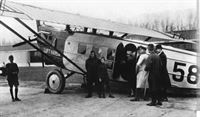
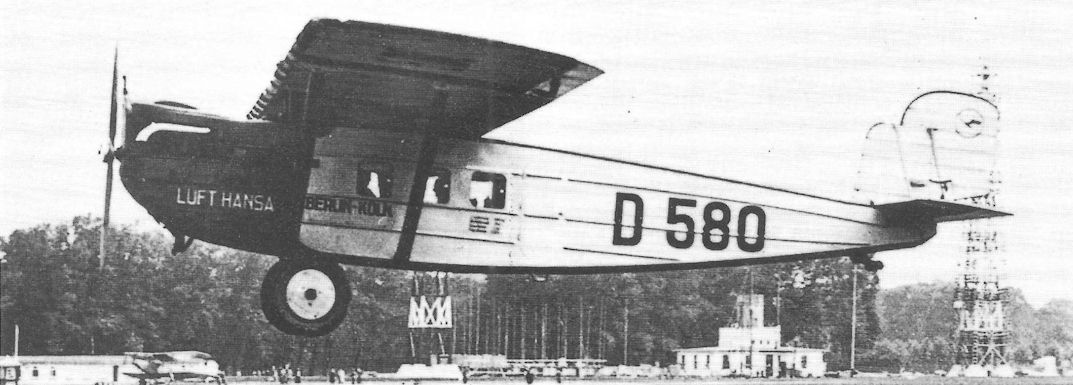
Регистрационный номер: D-580 [3] ‘Komet’ III ‘Panther’, later to become a ‘Merkur’, carries the route board ‘Berlin-Koln’ on the fuselage side under the wing. It is seen landing at what was later Berlin’s Tempelhof.
The Komet III D580 c/n 74, of Lufthansa taking off on the Berlin-Koln (Cologne) route, as marked on the side of the aircraft. The list of approved weights and loadings appears on the fuselage under the rear window. In later photographs the registration on the fuselage was taller and had acquired a hyphen. -
Air-Britain Archive 2004-02 / J.Meaden - Dornier - pioneer and survivor /Head-On View/ (9)
Регистрационный номер: D-580 [3], D-585 [2], T-DODB [2] 6 апреля 1936г.: "Luft-Hansa" начала выполнять регулярные рейсы на самолетах Dornier Komet III между Берлином, Галле, Эрфуртом, Штутгартом и Цюрихом.
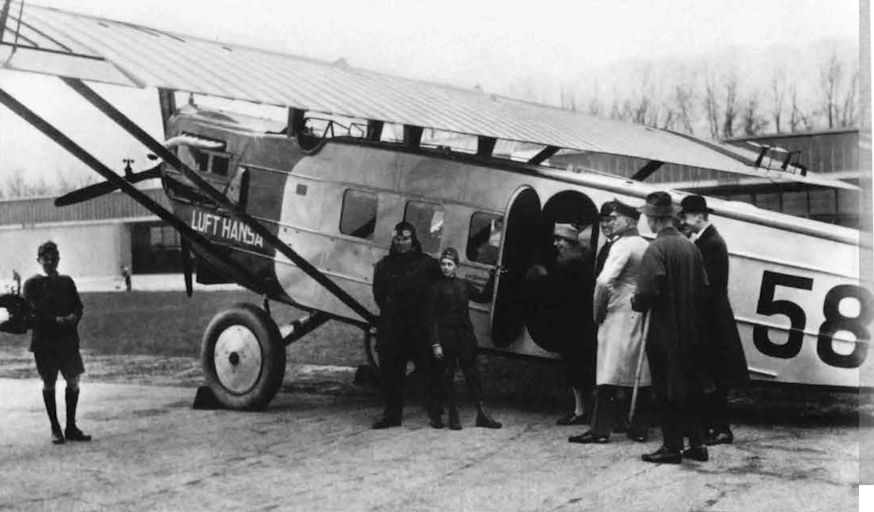
Dornier Komet III D-585 Puma takes aboard passengers at Berlin-Tempelhof for the first scheduled Lufthansa flight on April 6, 1926. Note the uniformed "cabin-boy” holding the door open.
C/n 74, D580, features in a number of Lufthansa publicity photos. Here, as a B Ral Komet III it is said to be inaugurating the Berlin - Halle - Erfurt - Stuttgart - Zurich route on 6.4.26 with pilot and passengers posing for the occasion. -
Air-Britain Archive 2004-02 / J.Meaden - Dornier - pioneer and survivor /Head-On View/ (9)
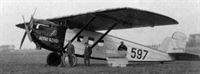
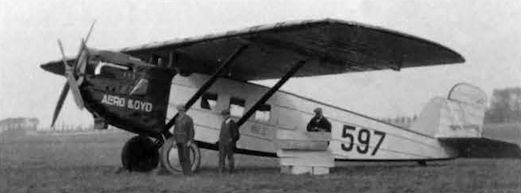
Регистрационный номер: D-597 An early view of c/n 76 as D597 with Aero Lloyd, presumably in 1925
-
Air-Britain Archive 2004-01 / J.Meaden - Dornier - pioneer and survivor /Head-On View/ (9)
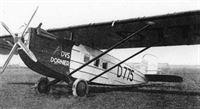
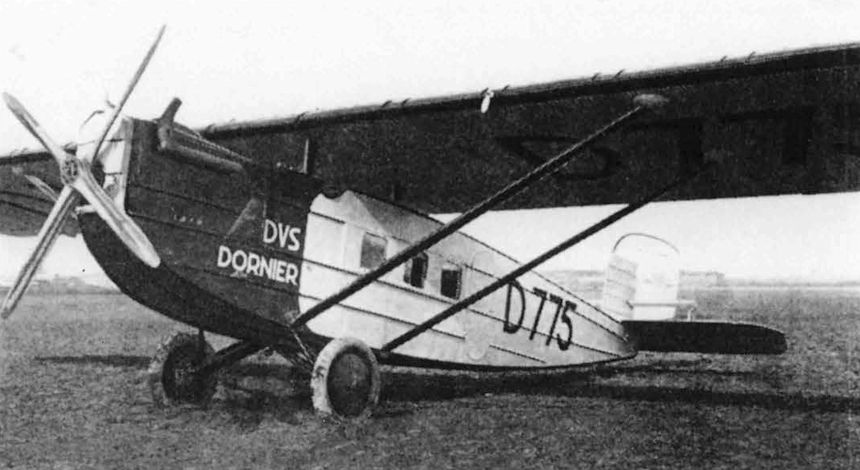
Регистрационный номер: D-775 An Eagle-engined Komet III, D-775, identified by the Rolls-Royce radiator and left hand tractor propeller. The exhaust manifold has an upwards ejector pipe at the front end. D-775 was c/n 84, operated by the DVS - Deutsche Verkehrsflieger-Schule.
On Komet III D-775 c/n 84 of the DVS the elevator link-tab trimmer above the tailplane shows up well as it is at a large angle associated with the lowered elevators. Full left rudder is also applied, providing a convenient photographic background for the tab. -
Air-Britain Archive 2004-02 / J.Meaden - Dornier - pioneer and survivor /Head-On View/ (9)
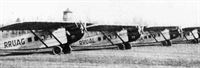
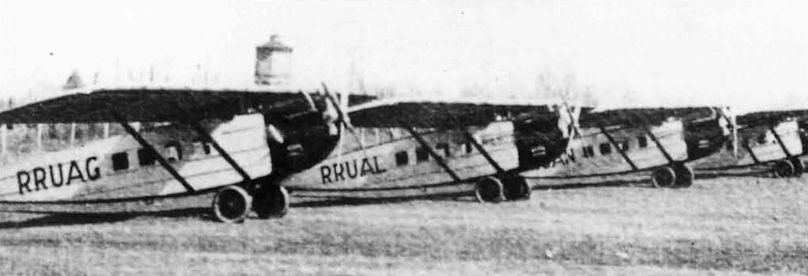
Регистрационный номер: R-RUAG, R-RUAL, R-RUAN A line-up of four B Ral Komet IIIs of the Ukrainian airline Ukrvozdukhput' including RRUAG (c/n 67), RRUAL (79), RRUAN (82) and one other
-
Air-Britain Archive 2004-01 / J.Meaden - Dornier - pioneer and survivor /Head-On View/ (9)
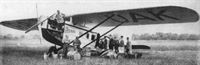
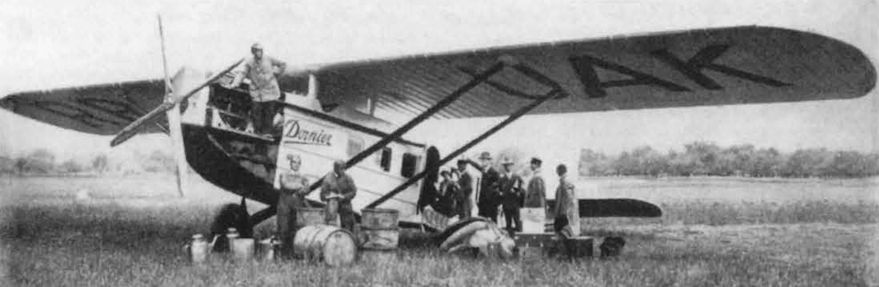
Регистрационный номер: R-RUAK Komet III RRUAK c/n 70 with R-R Eagle engine and 4-blade propeller before a flight. Refuelling and passenger loading has stopped for the photographer, the first passenger posing with one foot on the step of the open cabin door.
-

Air Enthusiast 1996-09 / P.Cooksley - Celestial Coaches
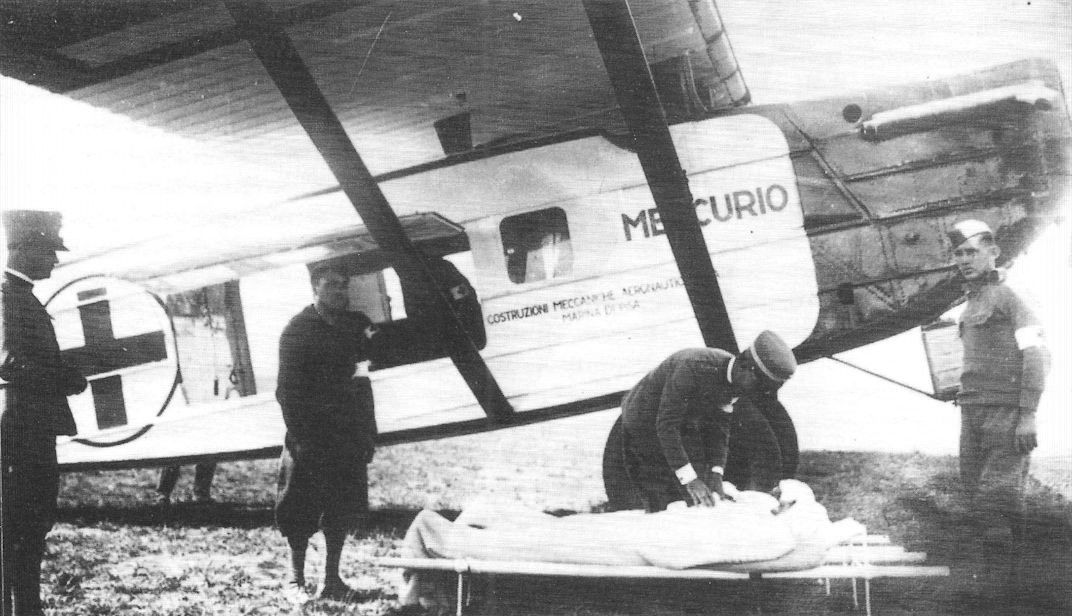
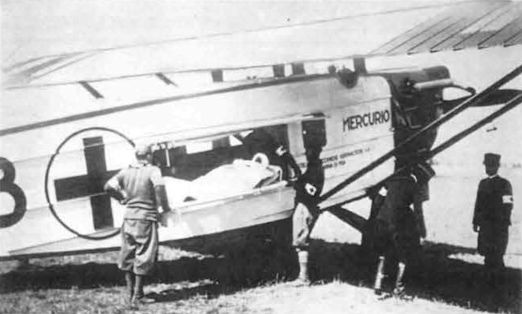
Регистрационный номер: CH-173 [2] A Swiss Red Cross ‘Merkur’ I named ‘Mercurio’ carries the Italian licence-build marking ‘Construzioni Meccaniche Aeronautica Marina di Pisa’. There were only two machines of this type in Switzerland.
-
Air-Britain Archive 2004-02 / J.Meaden - Dornier - pioneer and survivor /Head-On View/ (9)
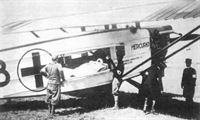
Регистрационный номер: CH-173 [2] Komet III CH-173 "Mercurio" c/n 93 was an ambulance designed to load two stretcher cases through the right side with a further four seats for walking cases and attendants. It is seen with a stretcher loaded and the door still open.
-

Aeroplane Monthly 1984-01 / J.Stroud - Wings of Peace
Регистрационный номер: T-DODB [2], D-585 [2] DDL Danish Air Lines’ Komet III T-DODB had been Deutscher Aero Lloyd’s D-585 and was bought by DDL in 1925.
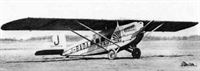
Komet III of DDL T-DODB c/n 75 with R-R Eagle and 4-blade propeller. It was later converted to Merkur with DLH and on 23.9.27 its remains were scattered on a hillside when it crashed following structural failure. -
Air-Britain Archive 2004-04 / J.Meaden - Dornier - pioneer and survivor /Head-On View/ (9)
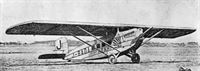
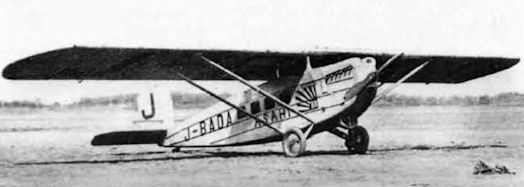
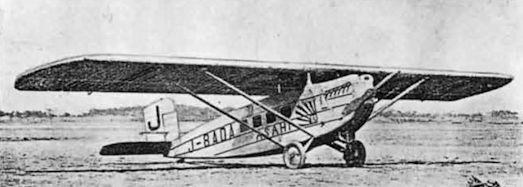
Регистрационный номер: J-BADA [3], J-BAHA [3] J-BADA was very similar to J-COFH in its original form with Lorraine engine but with stub exhausts and without undercarriage leg fairings. It went to Asahi/TTK, was re-engined with a BMW VI and later re-registered J-BAHA. The BMW VI became the standard replacement engine in Japan.
-
Air-Britain Archive 1996-03 / The Japanese Civil Register 1919-45 /Japanese Civil Register/ (4)
Регистрационный номер: J-BADA [3], J-BAHA [3] Dornier Komet III J-BADA of Asahi Shimbun, with their sunray flag and "Asahi" on the fuselage side, was one of several used as flying editorial offices and for photo delivery. The lack of a wing cutout and the vertical, smaller fin distinguish it from the later Merkur.
-

Aeroplane Monthly 1984-01 / J.Stroud - Wings of Peace
Регистрационный номер: J-BADA [3], J-BAHA [3] Kawasaki-built Komet III, J-BADA, with Lorraine engine and two-blade airscrew. This example incorporates some Merkur features and was operated by Tozai Teiki Kokukai on the Tokyo-Osaka route.
-

Air Enthusiast 1996-09 / P.Cooksley - Celestial Coaches
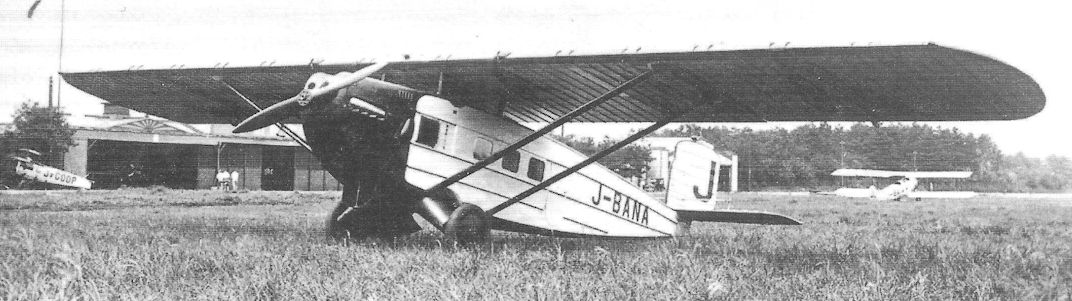
Регистрационный номер: J-BANA [2], J-COFH [2] The ‘Komet’ III was licence-built in Japan in 1926. J-BANA owned by the Kawasaki Dockyard Company was operated by the Tozai Teiki Kokukai (TTK) airline, one of Japan’s first.
J-BANA was J-COFH re-registered after an engine change to a 460 hp Napier Lion 12-cyl 'broad arrow' or W engine, As seen here the original cowling was used but the Lion is identifiable by the lower-set four exhaust stubs and the left hand tractor propeller. -
Air-Britain Archive 1996-01 / The Japanese Civil Register 1919-45 /Japanese Civil Register/ (2)
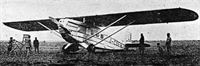
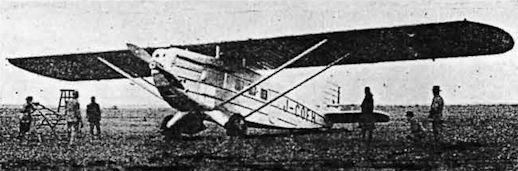
Регистрационный номер: J-COFH [2], J-BANA [2] Komet III J-COFH was shipped to Japan and assembled by Kawasaki with a Lorraine engine, the installation suggesting the 410 hp vee-12. It had fairings over the undercarriage legs and a square fin and rudder with only a small step, this latter a Japanese standard.
Dornier Komet III J-COFH is seen with a BMW VI engine with which all the remaining Japanese Komet IIIs were eventually re-engined. According to the register the only one originally fitted with a Lorraine engine was this aircraft. -
Air-Britain Archive 2004-01 / J.Meaden - Dornier - pioneer and survivor /Head-On View/ (9)
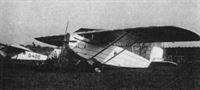
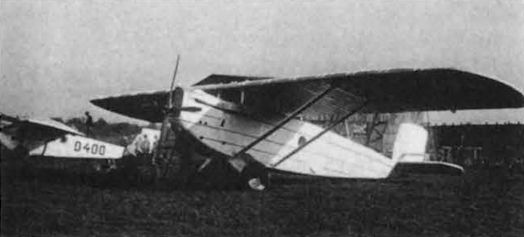
The Dornier D c/n 57 single-window freighter demonstrated to the Japanese in 1925 is seen with the last Komet II D400, indicating the many differences in its larger airframe.
Другие самолёты на фотографии: Dornier Komet - Германия - 1921
-
Air-Britain Archive 2004-01 / J.Meaden - Dornier - pioneer and survivor /Head-On View/ (9)
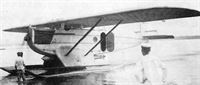
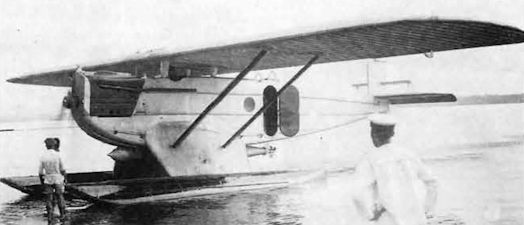
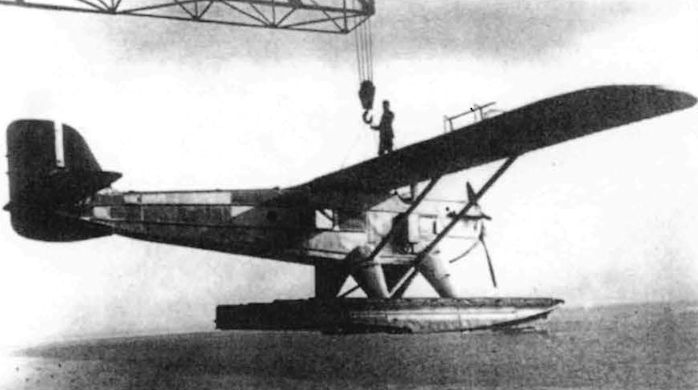
C/n 57 with its single window, was fitted with floats [before or after delivery to Kawasaki?] and is seen here during Japanese Navy trials with a torpedo slung under the fuselage.
-
Air-Britain Archive 2004-02 / J.Meaden - Dornier - pioneer and survivor /Head-On View/ (9)
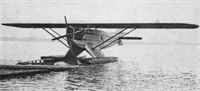
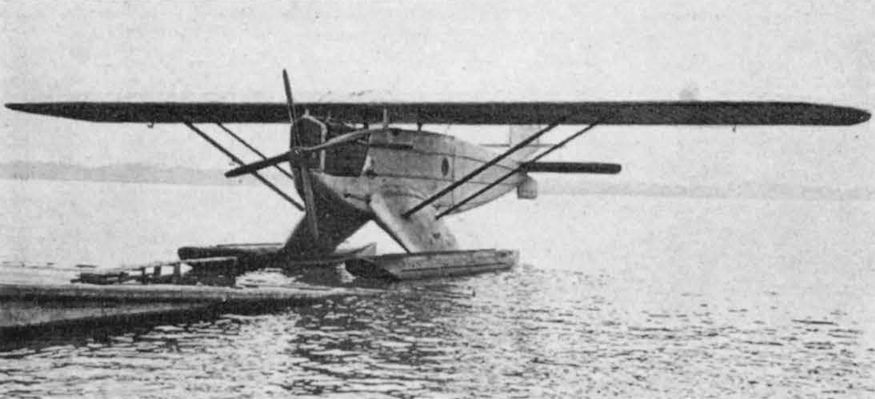
The first D showing the Rolls-Royce tall frontal radiator and the 4-blade propeller formed by two 2-bladers crossed at right angles. The long side exhaust extends past the open cockpit.
-
Air-Britain Archive 2004-02 / J.Meaden - Dornier - pioneer and survivor /Head-On View/ (9)
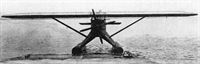
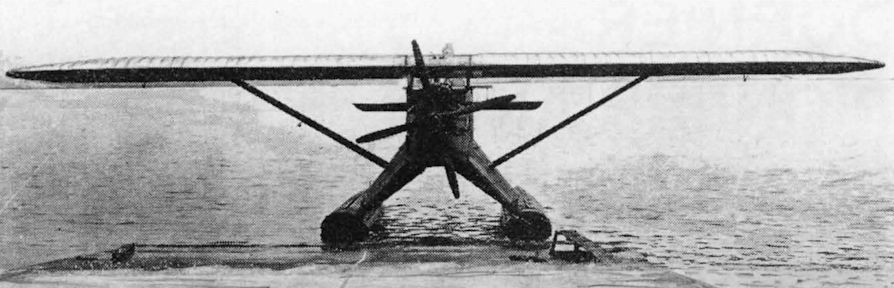
Head-on view of the first Dornier D shows the wide straddle created by the faired float supports and the greater angle of the wing struts produced by their attachment low down on the float struts instead of on the fuselage.
-
Air-Britain Archive 2004-02 / J.Meaden - Dornier - pioneer and survivor /Head-On View/ (9)
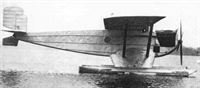
The Dornier D torpedo bomber first prototype with 360 hp Rolls-Royce Eagle IX 12-cyl vee engine and underside extension to the rudder to improve its effectiveness in counter-balancing the side area of the floats.
-
Air-Britain Archive 2004-01 / J.Meaden - Dornier - pioneer and survivor /Head-On View/ (9)
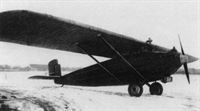
The Napier Lion engine fitted to Dornier C c/n 62 in 1925 resulted in a more pointed nose but it did not become a production installation for the Komet III series.
-
Air-Britain Archive 2004-01 / J.Meaden - Dornier - pioneer and survivor /Head-On View/ (9)
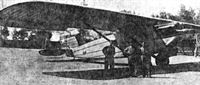
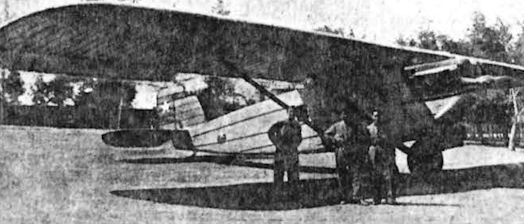
C/n 62 with BMW power seen in Chilean military colours in a rare but poor quality image.






-

Air Enthusiast 1996-09 / P.Cooksley - Celestial Coaches
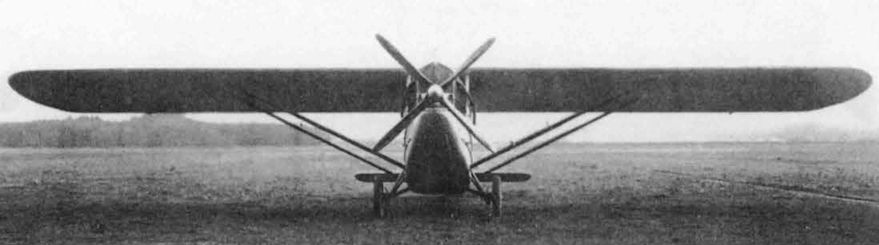
The prototype ‘Merkur’ showing the strengthening rib above the wheel which identified the early models.
-
Air-Britain Archive 2004-01 / J.Meaden - Dornier - pioneer and survivor /Head-On View/ (9)
Head-on view of a Merkur with the tail raised up on a trestle. The faired cowling over the two rows of BMW VI cylinders are seen, also right hand propeller, outwards ejecting exhausts and chin radiator with curved base.
-
Air-Britain Archive 2004-01 / J.Meaden - Dornier - pioneer and survivor /Head-On View/ (9)
An early unregistered Merkur with BMW VI engine and chin radiator. The pilot is seated high and is holding the control column back to raise the elevators, perhaps making a check or about to start up.
-
Air-Britain Archive 2004-01 / J.Meaden - Dornier - pioneer and survivor /Head-On View/ (9)
With tail raised at the start of take-off, an unregistered Merkur reveals much detail, including stiffening ribs in the skin and the aileron and elevator link-tab trimmers.
-
Air-Britain Archive 2004-01 / J.Meaden - Dornier - pioneer and survivor /Head-On View/ (9)
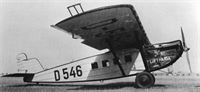
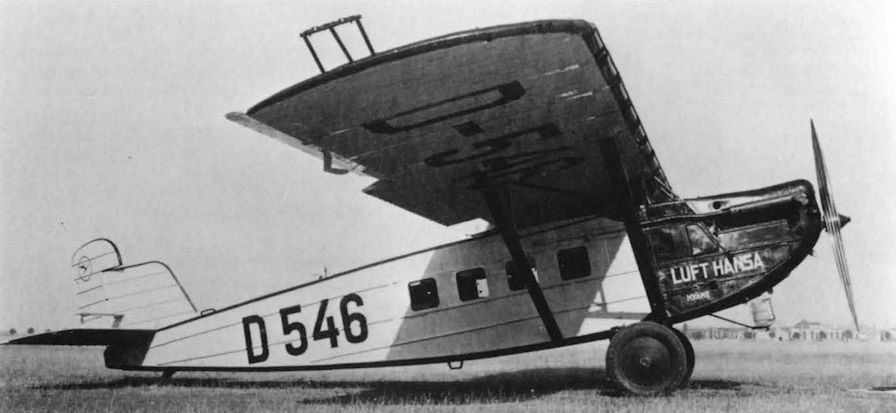
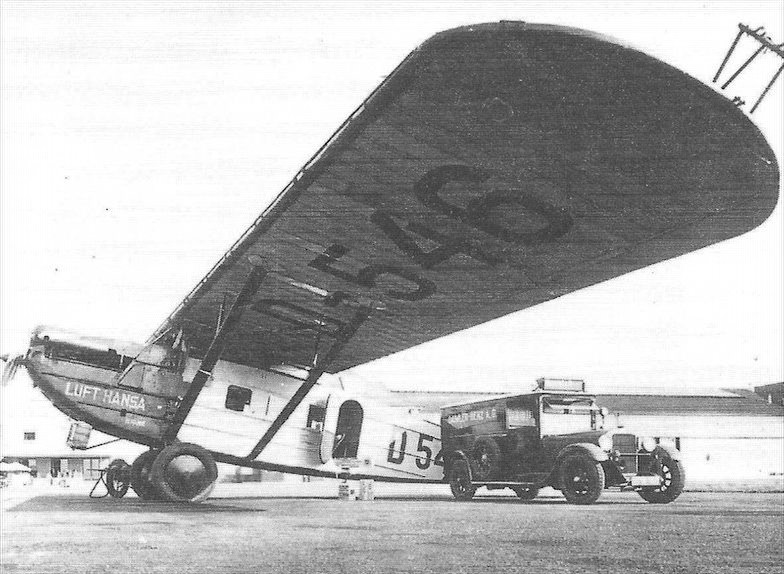
Регистрационный номер: D-546 [2] C/n 65 started life as a Komet III but was converted to B Bal Merkur standard with BMW VI engine, wing cutout and unbraced fin in 1926 as Luft Hansa's D546 "Hyane".
-

Air Enthusiast 1996-09 / P.Cooksley - Celestial Coaches
Регистрационный номер: D-546 [2] ‘Merkur’ II D-546 ‘Hyane’ (the name appears in minuscule letters under the final pair of letters of ‘Luft Hansa’) at Stuttgart with a Daimler-Benz van providing scale. Note the relatively crude navigation lamp mounting on the wingtip.
-
Air-Britain Archive 2004-01 / J.Meaden - Dornier - pioneer and survivor /Head-On View/ (9)
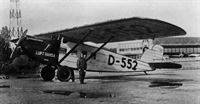
Регистрационный номер: D-552 [2] D-552 (note hyphen) later as Luft Hansa's "Gepard" now converted to Merkur with BMW VI engine, 2-blade propeller, centre section cutout and enlarged cantilever fin. The route board below the cockpit shows "Berlin - Essen/Mulheim".
-
Air-Britain Archive 2004-02 / J.Meaden - Dornier - pioneer and survivor /Head-On View/ (9)
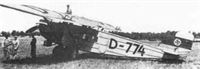
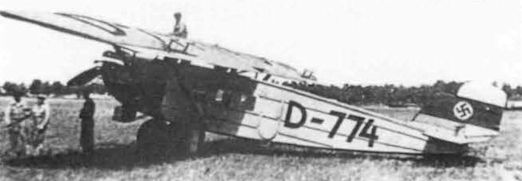
Регистрационный номер: D-774 D-774 c/n 83 late in its career with the DVS has a hyphen in the registration and a swastika on the fin.
-

Air Enthusiast 1996-09 / P.Cooksley - Celestial Coaches
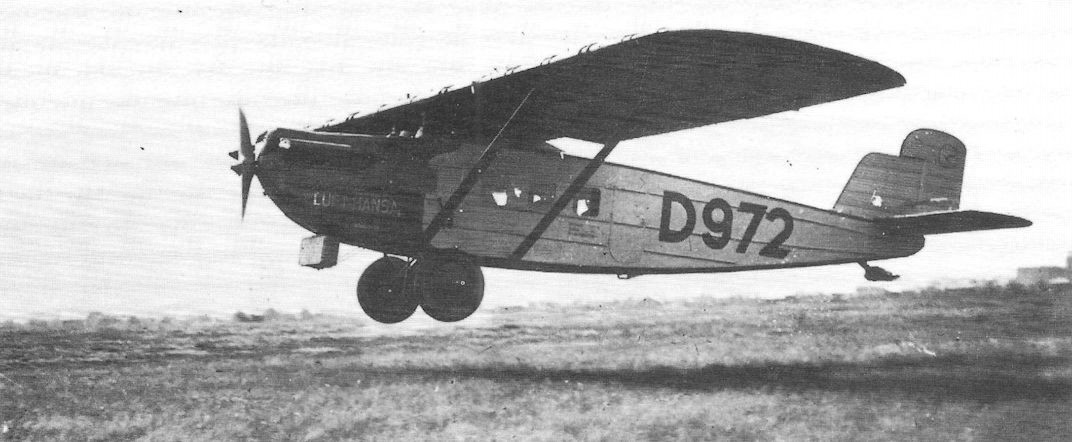
Регистрационный номер: D-972, D-UQET D972 ‘Konigstiger’, later to become D-UQET, takes off from Berlin’s central airport in 1926.
-
Air-Britain Archive 2004-03 / J.Meaden - Dornier - pioneer and survivor /Head-On View/ (9)
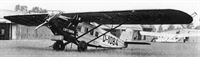
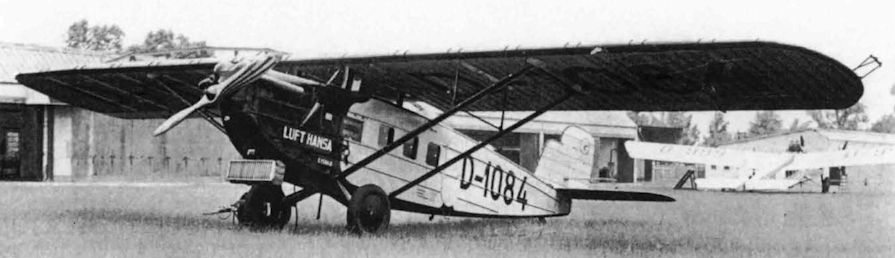
Регистрационный номер: D-1084, D-UVIZ Lufthansa Merkur D-1084 c/n 158 "Eisbar (polar Bear) with BMW VID engine, also here on the Moscow-Berlin route, stayed with them for seven years and was reregistered D-UVIZ in 1934 before going to DVS. In the background is Rohrbach Roland D-999, later to be D-AHIM.
Другие самолёты на фотографии: Rohrbach Ro.VIII Roland - Германия - 1926
-
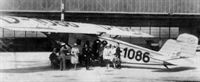
Air-Britain Archive 2004-03 / J.Meaden - Dornier - pioneer and survivor /Head-On View/ (9)
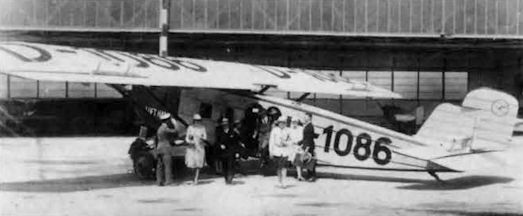
Регистрационный номер: D-1086 Passengers disembarking from DLH D-1086 'Bar' c/n 160.
-

Aeroplane Monthly 1984-01 / J.Stroud - Wings of Peace
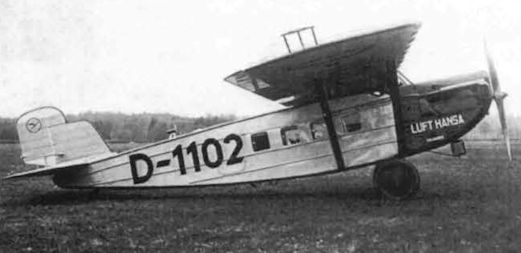
Регистрационный номер: D-1102 [2] Luft Hansa’s Merkur D-1102 Edelmarder, with BMW VID engine, was built in 1927. It is believed to have been later used by Deruluft and finally re-registered D-UDYF.
-
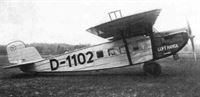
Air-Britain Archive 2004-02 / J.Meaden - Dornier - pioneer and survivor /Head-On View/ (9)
Регистрационный номер: D-1102 [2] Merkur D-1102 c/n 87 "Edelmarder" (Pine Marten) of DLH. Although otherwise standard, the BMW VI engine installation has a lengthened exhaust pipe and changes to fuel delivery pipes. A winddriven generator is mounted on the rear fuselage. A tube fitted to the wingtips of this and a number of other aircraft may have been intended to indicate yaw to the pilot but whatever the purpose they were soon discarded.
-
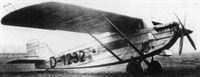
Air-Britain Archive 2004-04 / J.Meaden - Dornier - pioneer and survivor /Head-On View/ (9)
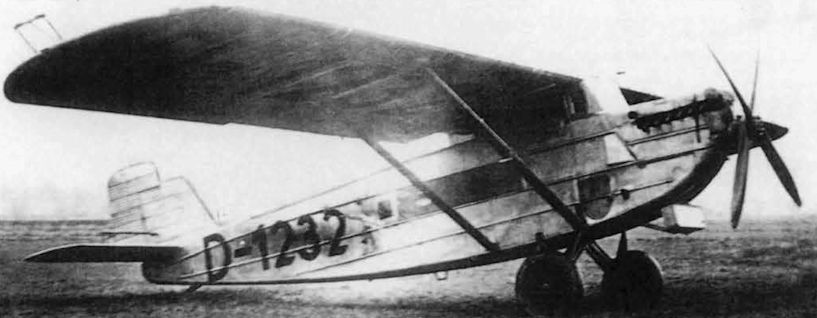
Регистрационный номер: D-1232 Merkur D-1232 c/n 166, used by Dornier before going to DVS, was a later model with enclosed cockpit. It was unusual in that its BMW VI engine had stub exhausts, perhaps assuming that the enclosed hood would keep fumes out of the cockpit. Used experimentally, most cabin windows were covered over and other modifications were made.
-
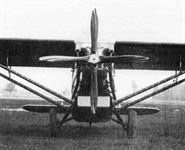
Air-Britain Archive 2004-04 / J.Meaden - Dornier - pioneer and survivor /Head-On View/ (9)
Another, unidentified, closed cockpit Merkur, this one with long exhausts, has the bracing members between underwing struts and wing underside as seen on Deruluft machines.
-

Air Enthusiast 1996-09 / P.Cooksley - Celestial Coaches
The ‘Merkur’s’ BMW VI engine which dispensed with ‘Komet’s’ face-type radiator. The airscrew bears the red and black Dornier trademark.
-
Мировая Авиация 109
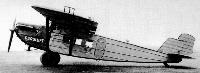
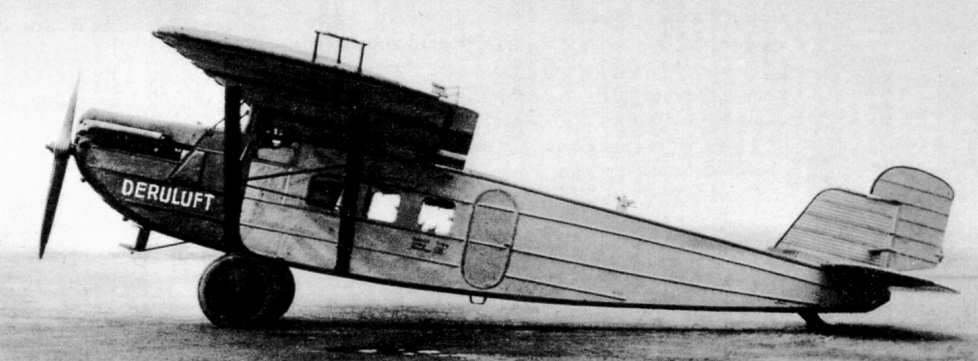
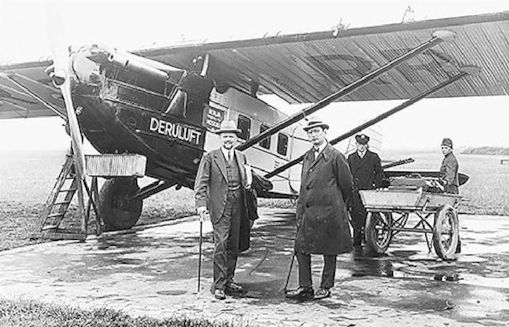
"Меркурий" авиакомпании "Дерулюфт".
Высокорасположенное крыло Merkur было подкреплено четырьмя подкосами. Экипаж из двух человек размещался в открытой кабине перед передней кромкой крыла. Кабина экипажа была смещена к левому борту. В закрытой кабине могли разместиться шесть пассажиров. -
Air-Britain Archive 2004-04 / J.Meaden - Dornier - pioneer and survivor /Head-On View/ (9)
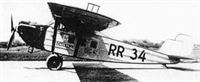
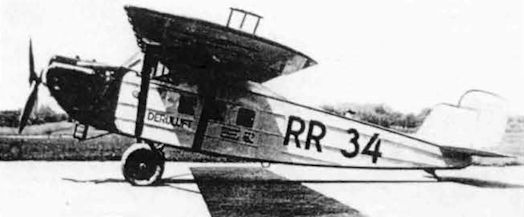
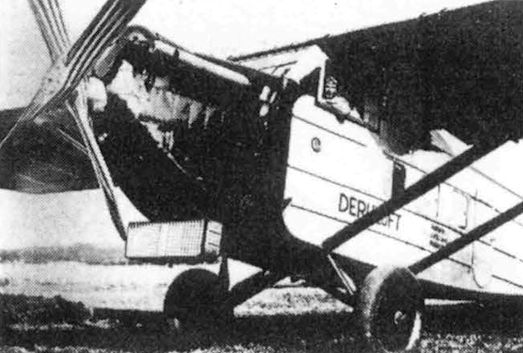
Регистрационный номер: RR-34 [2] Merkur RR 34 c/n 173 of Deruluft has the enclosed cockpit, the fairing of which continues under the centre section cutout and tapers down behind it.
-
Air-Britain Archive 2004-04 / J.Meaden - Dornier - pioneer and survivor /Head-On View/ (9)
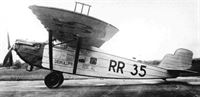
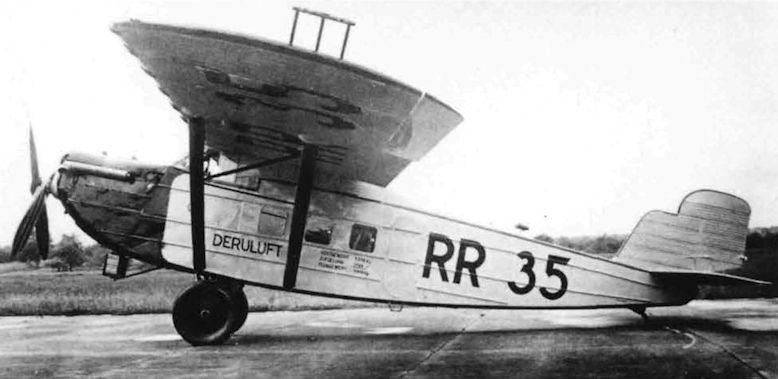
Регистрационный номер: RR-35 [3] Deruluft’s Merkur RR35 with four-blade airscrew, enclosed cockpit and night flying equipment.
RR-35 c/n 174 clearly shows the cockpit side windows and also a jury strut running from the front underwing strut to the wing underside, a modification apparently not generally adopted. -
Авиация и Космонавтика 2022-05 / Некоторые знаменательные даты мая в истории авиации
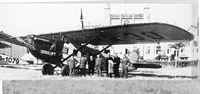
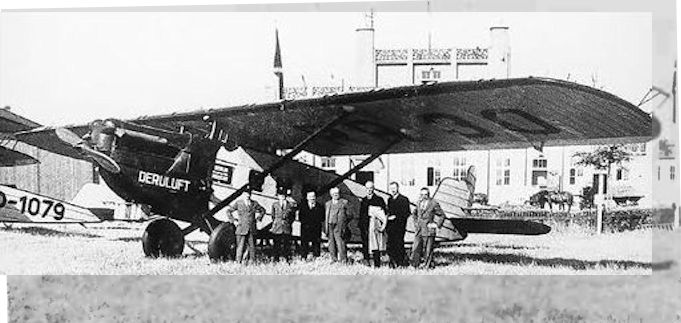
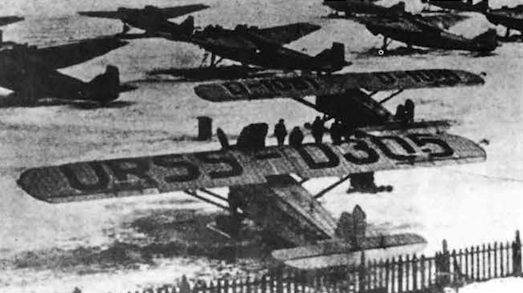
Регистрационный номер: D-1079, RR-30 [2], URSS-D305 [2] C/n 130 RR-30 parked by D-1079 at Konigsberg, posing for a photograph with 2 pilots and 5 passengers when operating on Deruluft's Moscow-Berlin service. The route appears on the fuselage below the cockpit.
-

Air Enthusiast 1996-09 / P.Cooksley - Celestial Coaches
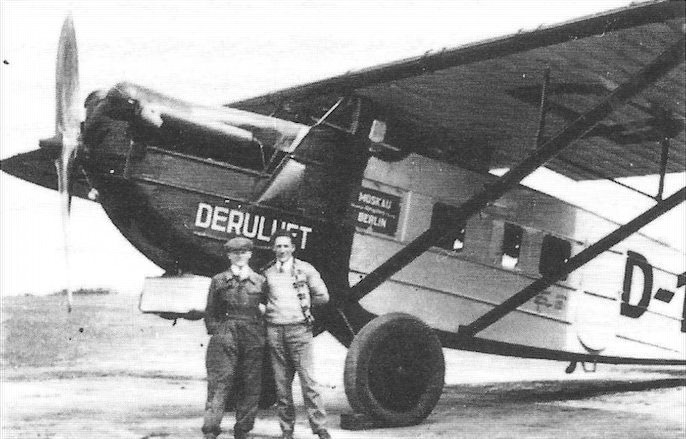
‘Merkur’ II ‘Kreuzfuchs’ joined ‘Deruluft’s’ fleet in 1929. The panel before the forward window reads ‘Moskau-Berlin’.
-

Авиация и Космонавтика 2018-01 / В.Морозов - Авиация Литвы: 1919-2018гг. (1)
Один из пассажирских «Юнкерсов» советско-германской авиакомпании «Дерулюфт», летавших на линии Москва-Кенигсберг. Снимок сделан во время промежуточной посадки в Каунасе во второй половине 1920-х гг.
-
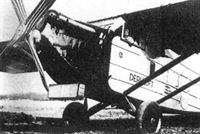
Air-Britain Archive 2004-04 / J.Meaden - Dornier - pioneer and survivor /Head-On View/ (9)
Регистрационный номер: RR-35 [3] Merkur RR 35, its BMW VI engine driving a 4-blade right hand tractor propeller showing its wood laminations, was one of several Deruluft machines with enclosed cockpits to counter the eastern European winters.
-

Aeroplane Monthly 1984-01 / J.Stroud - Wings of Peace
Регистрационный номер: RR-34 [2] With the early Soviet registration RR-34 repeated under both wings, a ‘Merkur’ II shows its intermediate wing struts necessary due to increased weight. This is probably a machine operated by ‘Deruluft’.
On the reverse of this Dornier photograph of Deruluft’s RR34 it is described as a Merkur I.
RR 34 has the standard BMW VI engine and is seen starting to climb away after a demonstration takeoff from the trees in the background. The tall window of the enclosed cockpit is clearly visible. -
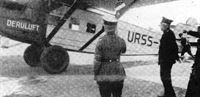
Air-Britain Archive 2004-03 / J.Meaden - Dornier - pioneer and survivor /Head-On View/ (9)
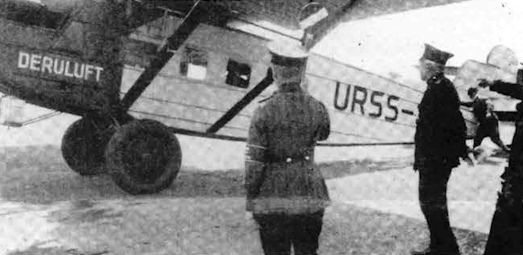
Partial view of one of Deruluft's Merkurs, either c/n 122, 126 or 130 with only URSS-3 . . visible,
-
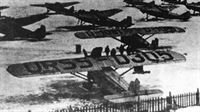
Air-Britain Archive 2004-03 / J.Meaden - Dornier - pioneer and survivor /Head-On View/ (9)
Регистрационный номер: URSS-D305 [2], RR-30 [2] C/n 130 again, showing registration URSS-D305, the letter D indicating a Deruluft machine in a series introduced in 1931.
-

Авиация и Космонавтика 2006-03 / А.Лашков - Из истории собственных наименований воздушных судов России (2)
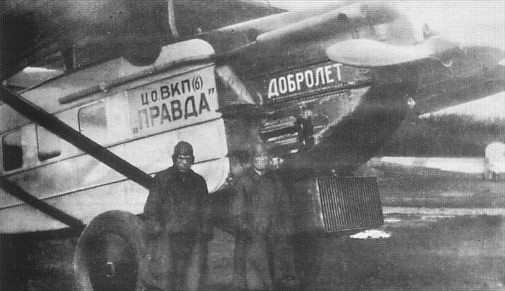
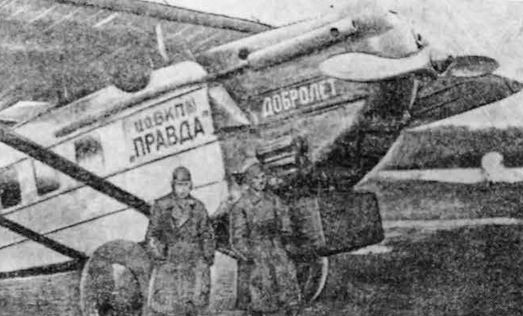
Регистрационный номер: R-RDAW [2] Именной самолет общества ДОБРОЛЕТ "Ц.О. ВКП(б) "Правда"". 1923г.
-
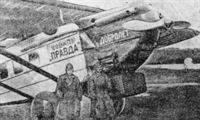
Air-Britain Archive 2004-03 / J.Meaden - Dornier - pioneer and survivor /Head-On View/ (9)
Регистрационный номер: R-RDAW [2] Crew posing in front of c/n 163 RRDAW of Dobrolet which carries the inscription 'Pravda' ('Truth') below the cockpit.
-
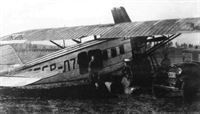
Air-Britain Archive 2004-02 / J.Meaden - Dornier - pioneer and survivor /Head-On View/ (9)
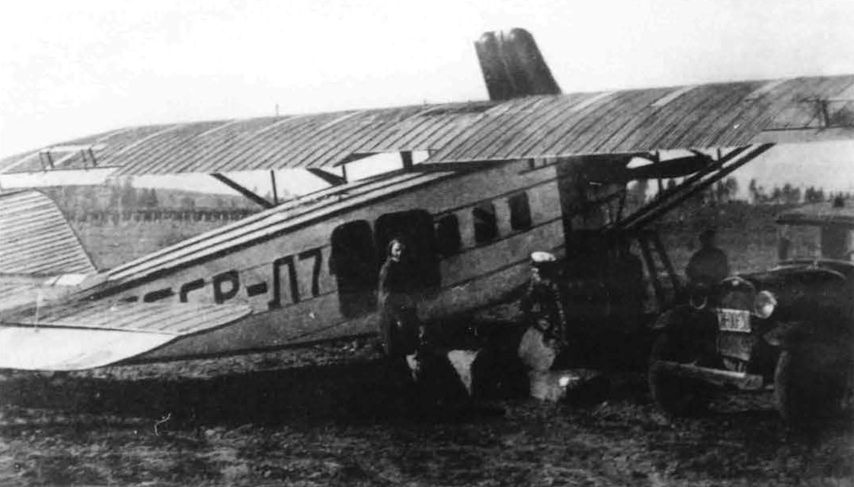
Регистрационный номер: СССР-Л740 Merkur c/n 121 СССР-Л740 of GVF seen here with engine cowling raised and freight being loaded.
-
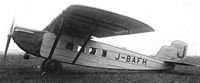
Air-Britain Archive 2004-03 / J.Meaden - Dornier - pioneer and survivor /Head-On View/ (9)
Регистрационный номер: J-BAFH [3] J-BAFH was a Dornier Merkur, similar in appearance to the Komet III but with a cantilever tailplane and a wing centre section cutout. This example was used for many years as an ambulance aircraft.
Merkur J-BAFH c/n 162 with BMW VI engine was imported by Kawasaki in 1928 and was used by Asahi Shimbun before going to the army in 1932 as an ambulance. Like the first prototype it had an extra window in the door. -
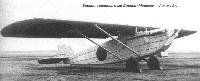
АвиаМастер 2005-02 / Ю.Свойский - Китайский дебют "воздушных самураев" /Из истории воздушных войн/ (1)
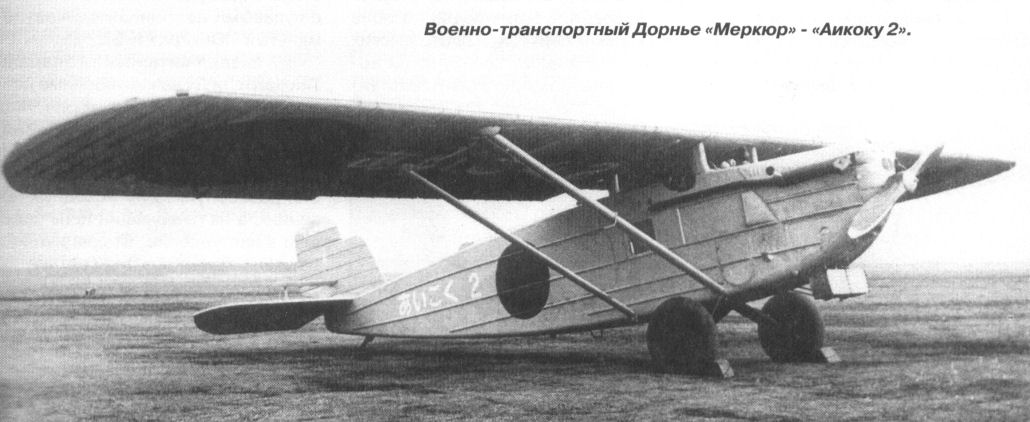
Регистрационный номер: J-BAFH [3] Военно-транспортный Дорнье "Меркюр" - "Аикоку 2".
-
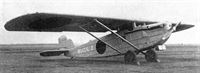
Air-Britain Archive 2004-03 / J.Meaden - Dornier - pioneer and survivor /Head-On View/ (9)
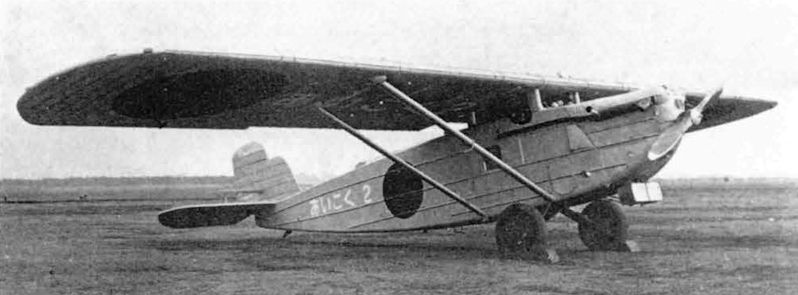
Регистрационный номер: J-BAFH [3] C/n 162 after conversion to ambulance with two beds and nine seats seen in military markings as 'Aikoku No.2'.
-
Flight 1928-08 / Flight
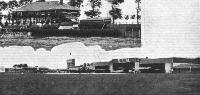
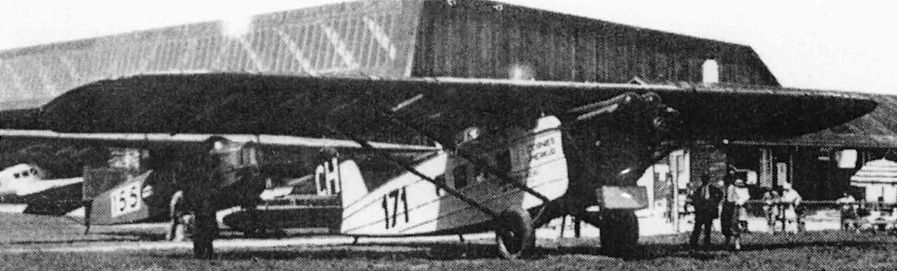
THE AMSTERDAM AIR TERMINUS: The lower photograph shows the hangars, offices, etc. at the Schiphol aerodrome. The international character of this Dutch airport may be gathered from the machines in front of the buildings, which include a Farman "Jabiru," a three-engined Junkers monoplane, a Fokker monoplane, and a Dornier monoplane. The upper photograph shows the aerodrome restaurant where excellent meals are served, and from which a good view of the aerodrome, machines, etc. is obtained.
Другие самолёты на фотографии: Farman F.120 / F.3X / F.4X Jabiru - Франция - 1923Fokker F.VII / C-2 / F.XIV - Нидерланды - 1924Junkers G 23 / G 24 / Г-24 - Германия - 1924
-
Air-Britain Archive 2004-02 / J.Meaden - Dornier - pioneer and survivor /Head-On View/ (9)
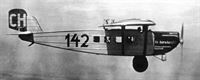
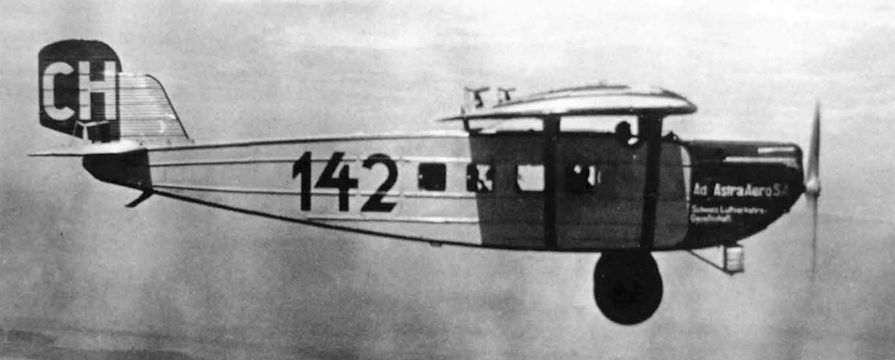
Регистрационный номер: CH-142 Merkur c/n 77 was CH-142 with Ad Astra Aero in Switzerland. The chin radiator for the 640 hp BMW VI 12-cyl water-cooled vee is prominent, in a very accessible position for cleaning and servicing.
-
Air-Britain Archive 2004-04 / J.Meaden - Dornier - pioneer and survivor /Head-On View/ (9)
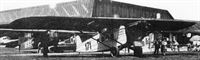
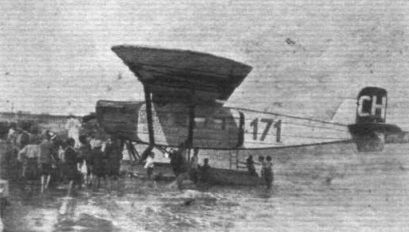
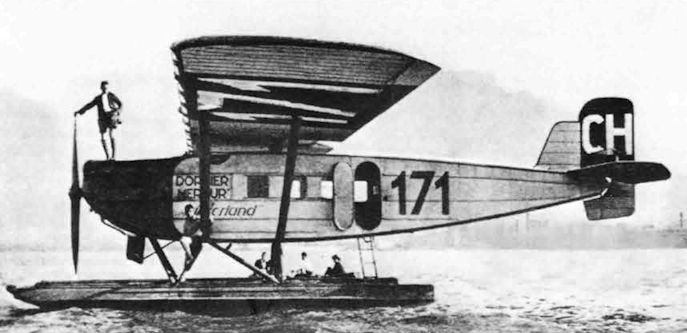
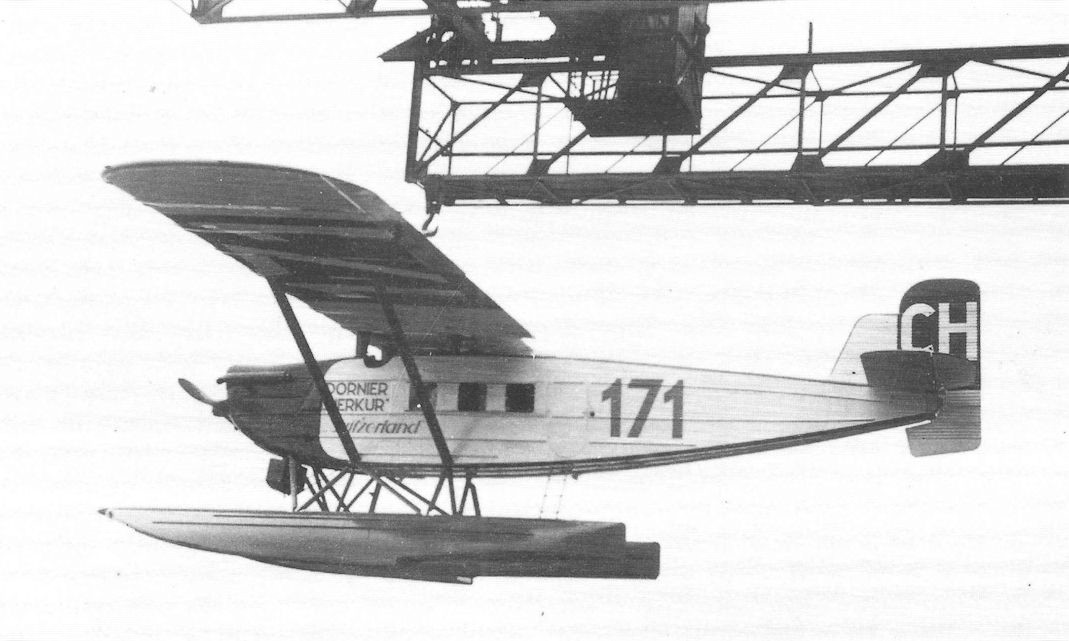
Регистрационный номер: CH-171 [8] Merkur CH-171 c/n 165 served as a landplane first with Adastra and then Swissair, but it is best remembered for its flight to Capetown as a floatplane.
-

Flight 1927-03 / Flight
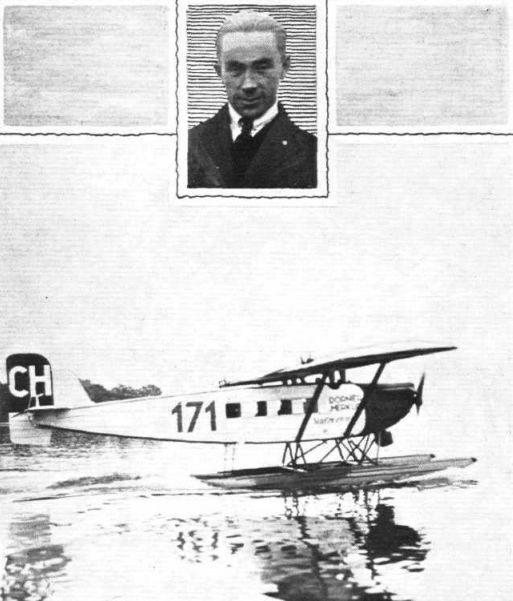
Регистрационный номер: CH-171 [8] THE SWISS AFRICAN FLIGHT: Lieut. Mittelholzer (top), the Swiss pilot, and the Dornier "Mercury" plane (below) on which he has just completed a flight from Zurich to Cape Town.
-

Aeroplane Monthly 1984-01 / J.Stroud - Wings of Peace
Регистрационный номер: CH-171 [8] The open-cockpit BMW VI-powered Merkur CH 171 Switzerland in which Walter Mittelholzer flew from Zurich to Cape Town in 1926-27. With floats fitted this Merkur was given additional rudder area.
-
Air-Britain Archive 2004-04 / J.Meaden - Dornier - pioneer and survivor /Head-On View/ (9)
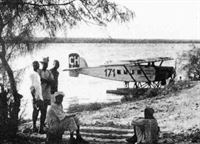
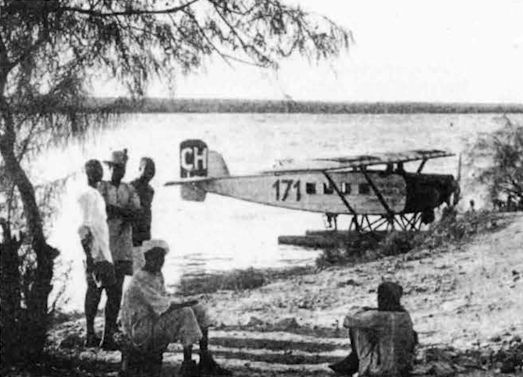
Регистрационный номер: CH-171 [8] Mittelholzers Merkur seaplane CH-171 moored on the Nile during his flight covering the length of Africa.
-

Air Enthusiast 1996-09 / P.Cooksley - Celestial Coaches
Регистрационный номер: CH-171 [8] Mittelholzer’s ‘Merkur’ floatplane flew to Cape Town in the winter of 1926-27.
-
Flight 1928-03 / Flight
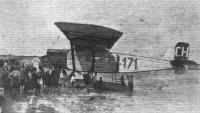
Регистрационный номер: CH-171 [8] LADY HEATH'S TOUR IN SOUTH AFRICA: The picture on is of historical interest. It shows the arrival of the Swiss pilot, M. Mittelholzer, in his Dornier-Merkur "Switzerland" at East London, in 1926, during his great flight from Switzerland to South Africa. He is seen standing before the propeller. As a direct result of this visit, the East London Club was formed later on.
-
Air-Britain Archive 2004-04 / J.Meaden - Dornier - pioneer and survivor /Head-On View/ (9)
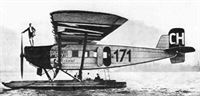
Регистрационный номер: CH-171 [8] CH-171 was named "Switzerland" for the flight by Mittelholzer between 7.12.26 and 21.2.27 from Zurich to Capetown, a distance of 20,000 km (12,427 miles) in 100 flying hours averaging 200 kn/hr (124 mph). [This would have required quite a tailwind since the maximum speed of the floatplane was given as 185 km/hr (115 mph)]
-

Air Enthusiast 1996-09 / P.Cooksley - Celestial Coaches
Регистрационный номер: CH-171 [8] Switzerland’s second ‘Merkur’ was Walter Mittelholzer’s floatplane named after that country and numbered 171.
-
Air-Britain Archive 2004-03 / J.Meaden - Dornier - pioneer and survivor /Head-On View/ (9)
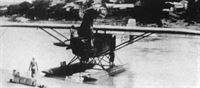
B Bal/s c/n 124 was operated by SCADTA on floats in Colombia as A-23, here with the cowling raised for maintenance.
-
Air-Britain Archive 2004-02 / J.Meaden - Dornier - pioneer and survivor /Head-On View/ (9)
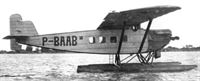
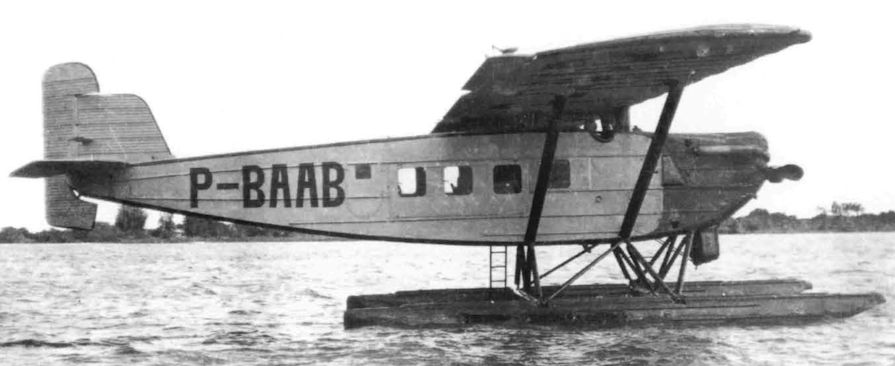
Регистрационный номер: P-BAAB Dornier B Bas P-BAAB c/n 92 of the Brazilian airline Varig lacks the wing centresection cutout of the Merkur but has a prominent extended rudder as required on a floatplane.
-
Air-Britain Archive 2004-04 / J.Meaden - Dornier - pioneer and survivor /Head-On View/ (9)
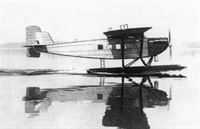
Taxying on Lake Constance, this unidentified BMW VI engined standard Merkur seaplane has the so far unexplained wingtip fittings seen on a number of Merkur landplanes (such as c/ns 166, 173, 174). It has an enclosed cockpit for protection from spray.
-
Air-Britain Archive 2004-02 / J.Meaden - Dornier - pioneer and survivor /Head-On View/ (9)
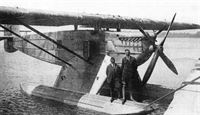
The second D with BMW VI was used for record breaking and is seen here with the pilots concerned, Zinsmaier and Wagner. The records were good publicity and must have influenced sales of the Merkur.
-
Air-Britain Archive 2004-02 / J.Meaden - Dornier - pioneer and survivor /Head-On View/ (9)
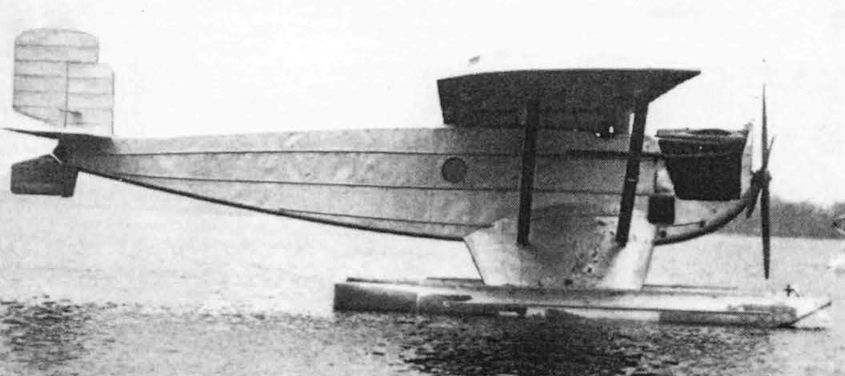
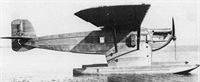
The second Dornier D had the 600 hp BMW VI with radiators on the fuselage side just behind the front wing struts. The float support struts fairing is widened with steps at the front for access. The tail unit has been redesigned with greater area fin and rudder.
-
Air-Britain Archive 2004-02 / J.Meaden - Dornier - pioneer and survivor /Head-On View/ (9)
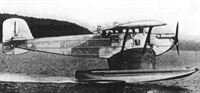
This photo of the record breaker taking off was used as a heading with the publicity after the event and shows the radiator on this side close behind the engine, but the date of the photo is not given.
-
Air-Britain Archive 2004-02 / J.Meaden - Dornier - pioneer and survivor /Head-On View/ (9)
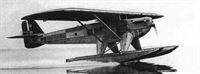
The Dornier D taking off in its final form now has an extra circular window in the aft cabin, probably for the benefit of a crew member in its general duties form, however there were no orders for this version.
-
Air-Britain Archive 2004-02 / J.Meaden - Dornier - pioneer and survivor /Head-On View/ (9)
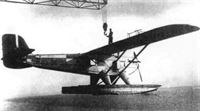
In its final form the BMW prototype has the float support struts with four separate fairings but how this affected the performance is not known. A link-tab trimmer was fitted on the rudder and the propeller had now changed to a 2-blader.
-

Air Enthusiast 1999-03 / V.Isaic - Yugoslav Naval Strike
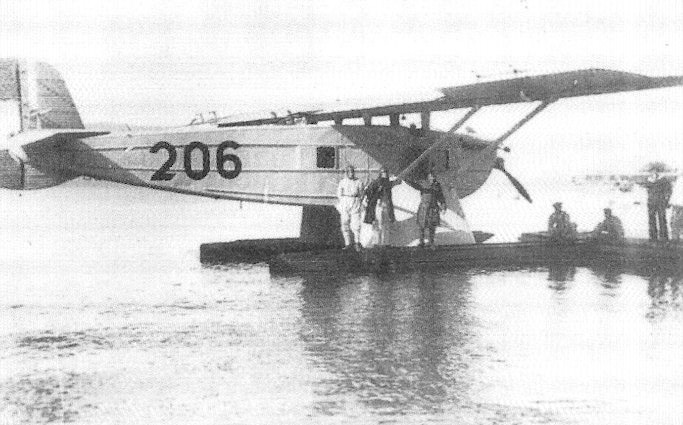
Do D 206, part of the first series.
-
Air-Britain Archive 2004-03 / J.Meaden - Dornier - pioneer and survivor /Head-On View/ (9)
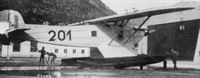
A total of 25 Dornier D Bis floatplanes were built for the Yugoslav Navy, c/n 131 serial 201 is seen here being hosed down to reduce salt corrosion.
-
Air-Britain Archive 2004-04 / J.Meaden - Dornier - pioneer and survivor /Head-On View/ (9)
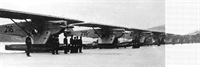
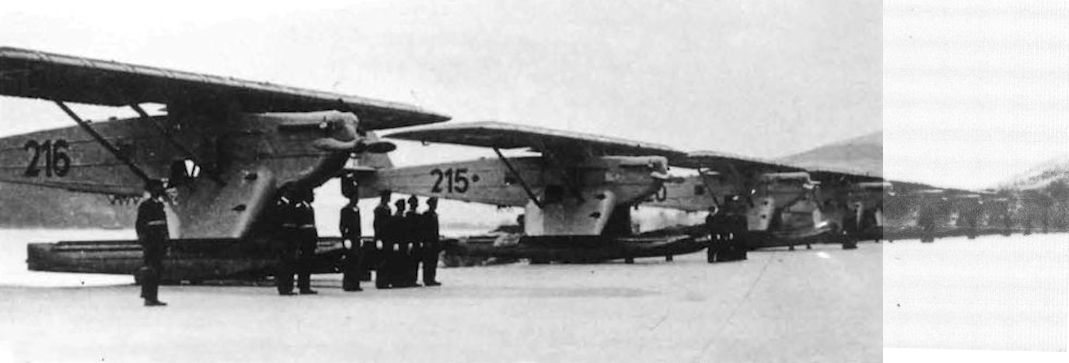
An inspection of a line-up of eight Merkurs at Divulje, Split.
A line-up of Yugoslav Navy Dornier D Bis floatplanes with serial numbers 216 and 215 (c/ns 98 and 97) nearest to the camera. -

Air Enthusiast 1999-03 / V.Isaic - Yugoslav Naval Strike
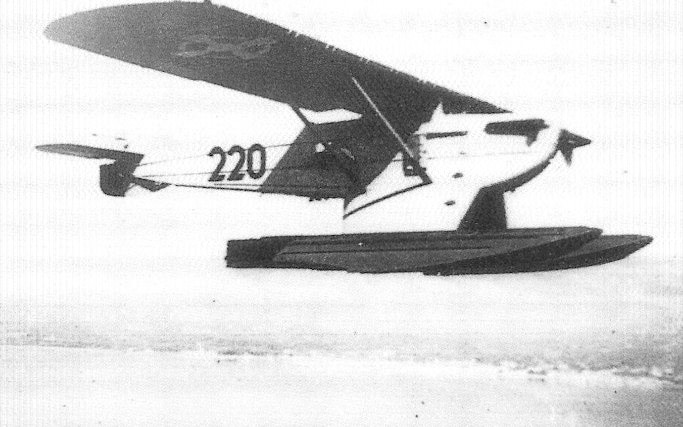
Air-to-air of second series 220, note national markings.
-

Air Enthusiast 1999-03 / V.Isaic - Yugoslav Naval Strike
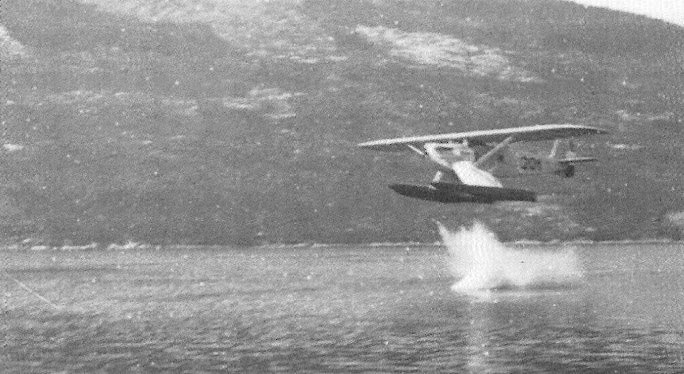
Merkur 201 during torpedo dropping trials. The weapon has just been released, almost merging with the shore line.
-

Air Enthusiast 1999-03 / V.Isaic - Yugoslav Naval Strike
Detail view of the torpedo in situ.
-

Air Enthusiast 1999-03 / V.Isaic - Yugoslav Naval Strike
The French-built Torpedo hits the water. Trials were very quickly discontinued.
-
Air-Britain Archive 2004-04 / J.Meaden - Dornier - pioneer and survivor /Head-On View/ (9)
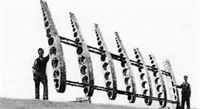
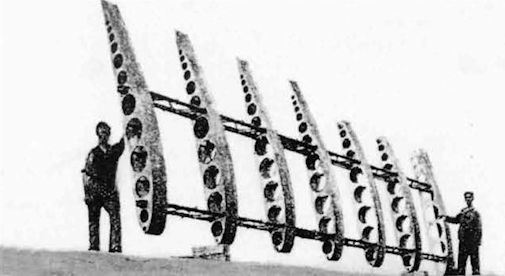
The uncovered port mainplane structure of a Komet III wing minus the aileron shows a unique assembly of steel spars with light alloy ribs while appear to be machined from solid. Whether the Falke cantilever wing was similar was not revealed.













-

Aeroplane Monthly 1984-01 / J.Stroud - Wings of Peace
The passenger cabin of a Komet III. Behind the camera are two aft-facing seats. At least some of the windows could be slid open.
-

Aeroplane Monthly 1984-01 / J.Stroud - Wings of Peace
Регистрационный номер: RR-36 Deruluft’s Merkur RR36 in an undignified position. This example has an enclosed cockpit “beneath” which is the route placard reading Moskau-Berlin.
RR 36 c/n 175 of Deruluft after becoming inverted during a landing accident on the Moscow-Berlin route. Visible are the shattered propeller, the undamaged bracing members on the underwing struts and the pilot's post crash escape route via the enclosed cockpit open window. -

Air Enthusiast 1999-03 / V.Isaic - Yugoslav Naval Strike
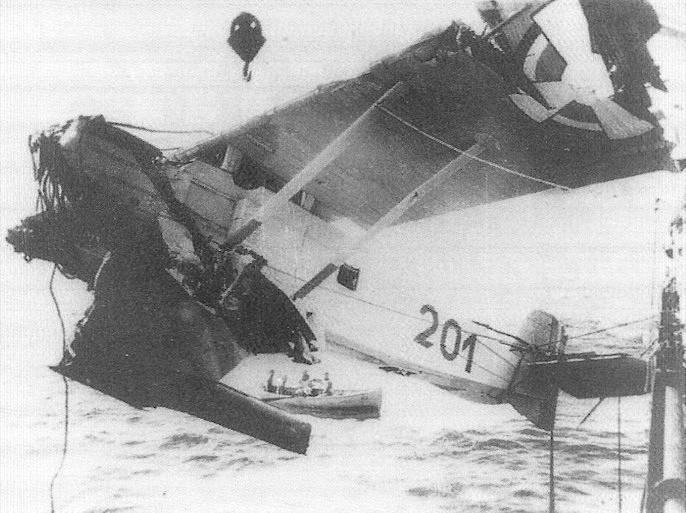
Salvaging 201 following an accident. This is likely to be the event that wrote it off - Jun 13, 1931, at Selce.
-

Air Enthusiast 1996-09 / P.Cooksley - Celestial Coaches
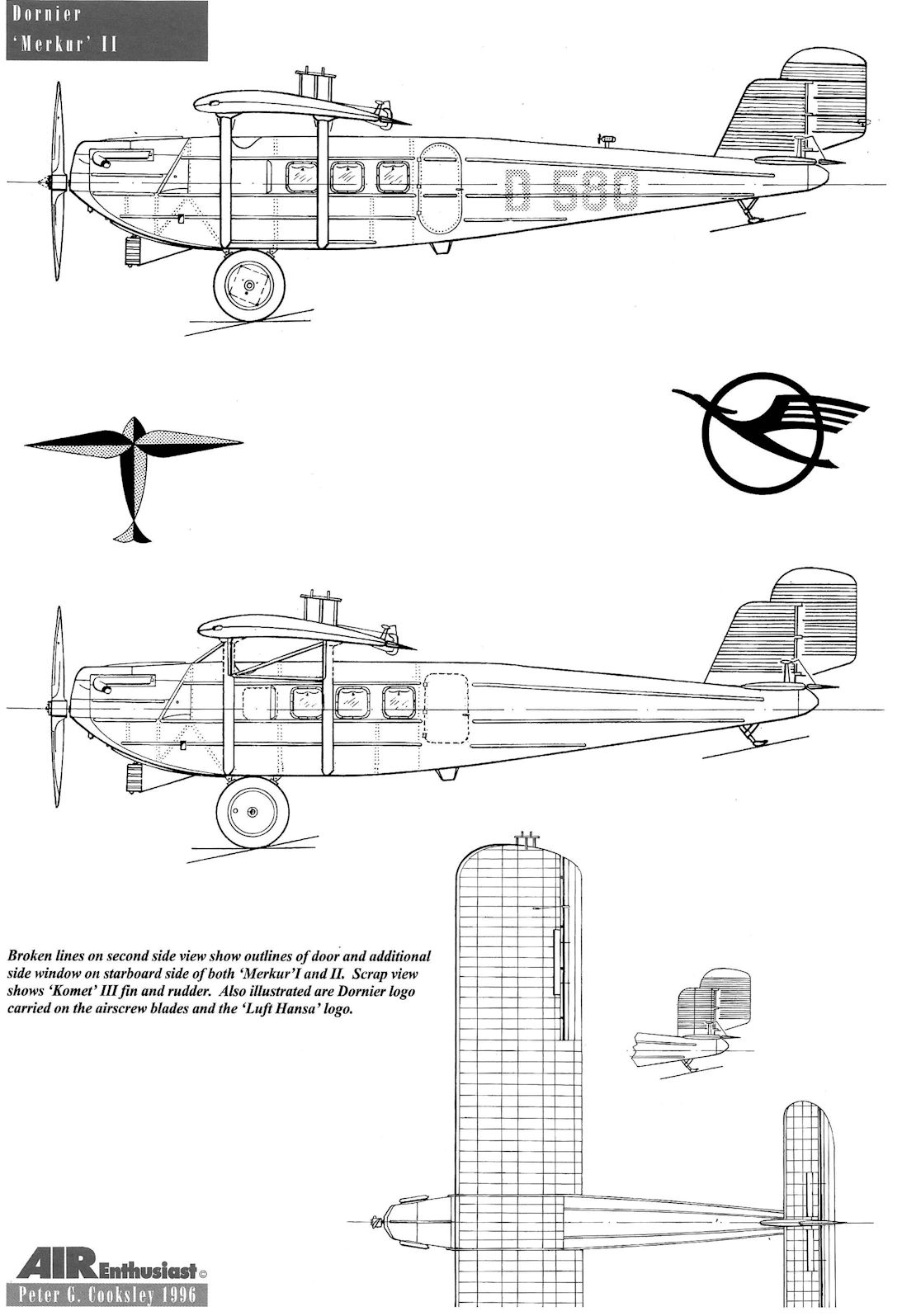
Broken lines on second side view show outlines of door and additional side window on starboard side of both ‘Merkur’ I and II. Scrap view shows ‘Komet’ III fin and rudder. Also illustrated are Dornier logo carried on the airscrew blades and the ‘Luft Hansa’ logo.
-

Air Enthusiast 1999-03 / V.Isaic - Yugoslav Naval Strike
Dornier Do D (Merkur) Military Floatplane



- Фотографии