

Фотографии

-
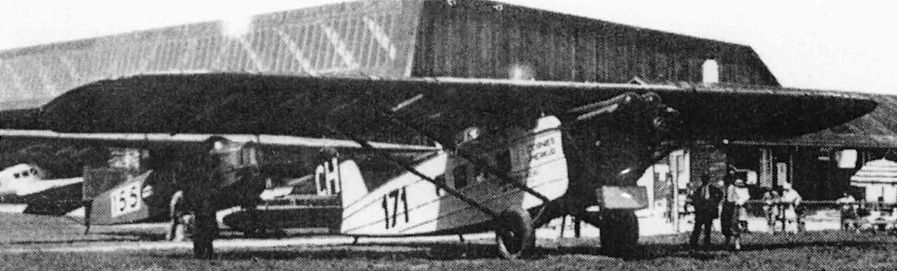
Регистрационный номер: CH-171 [3] Merkur CH-171 c/n 165 served as a landplane first with Adastra and then Swissair, but it is best remembered for its flight to Capetown as a floatplane.
Самолёты на фотографии: Dornier Merkur / Komet III - Германия - 1924
-
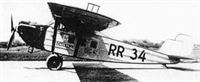
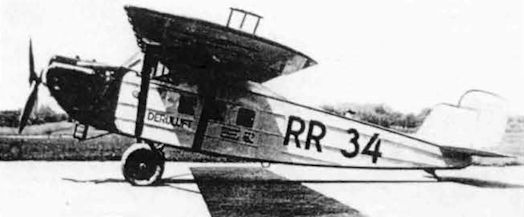
Регистрационный номер: RR-34 Merkur RR 34 c/n 173 of Deruluft has the enclosed cockpit, the fairing of which continues under the centre section cutout and tapers down behind it.
Самолёты на фотографии: Dornier Merkur / Komet III - Германия - 1924
-
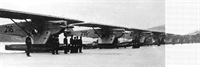
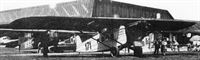
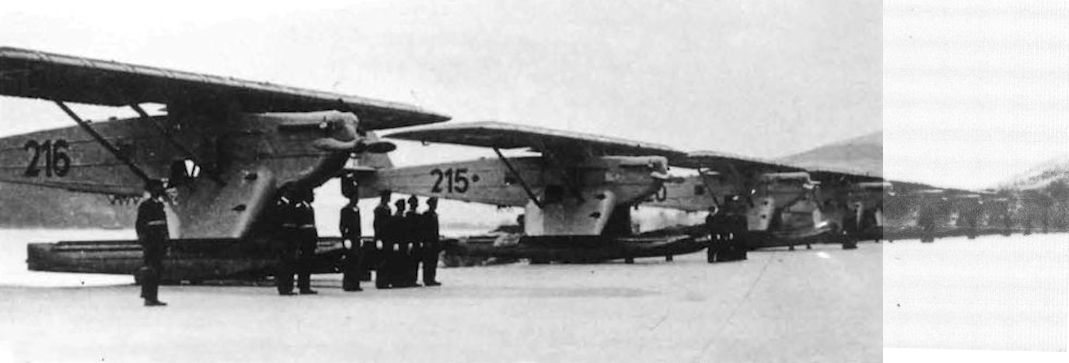
An inspection of a line-up of eight Merkurs at Divulje, Split.
A line-up of Yugoslav Navy Dornier D Bis floatplanes with serial numbers 216 and 215 (c/ns 98 and 97) nearest to the camera.Самолёты на фотографии: Dornier Merkur / Komet III - Германия - 1924
-
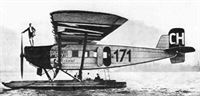
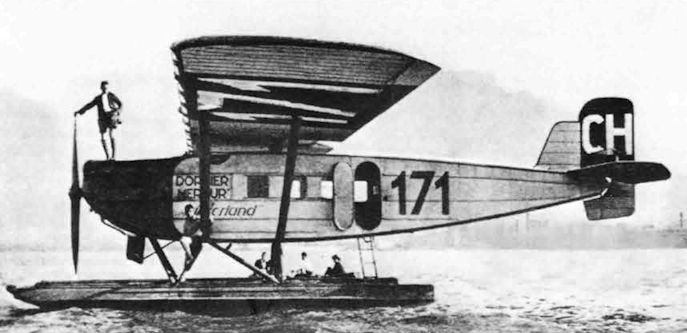
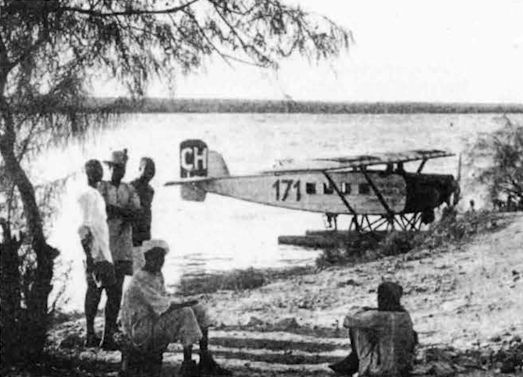
Регистрационный номер: CH-171 [3] CH-171 was named "Switzerland" for the flight by Mittelholzer between 7.12.26 and 21.2.27 from Zurich to Capetown, a distance of 20,000 km (12,427 miles) in 100 flying hours averaging 200 kn/hr (124 mph). [This would have required quite a tailwind since the maximum speed of the floatplane was given as 185 km/hr (115 mph)]
Самолёты на фотографии: Dornier Merkur / Komet III - Германия - 1924
-
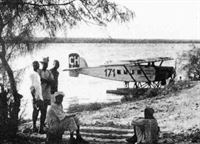
Регистрационный номер: CH-171 [3] Mittelholzers Merkur seaplane CH-171 moored on the Nile during his flight covering the length of Africa.
Самолёты на фотографии: Dornier Merkur / Komet III - Германия - 1924
-
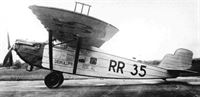
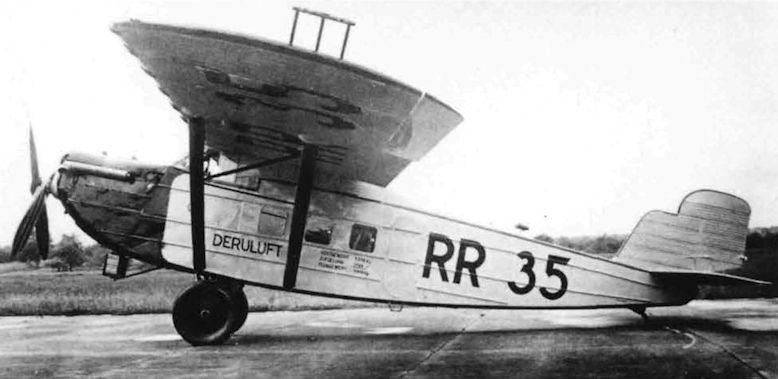
Регистрационный номер: RR-35 [2] Deruluft’s Merkur RR35 with four-blade airscrew, enclosed cockpit and night flying equipment.
RR-35 c/n 174 clearly shows the cockpit side windows and also a jury strut running from the front underwing strut to the wing underside, a modification apparently not generally adopted.Самолёты на фотографии: Dornier Merkur / Komet III - Германия - 1924
-
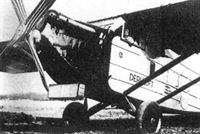
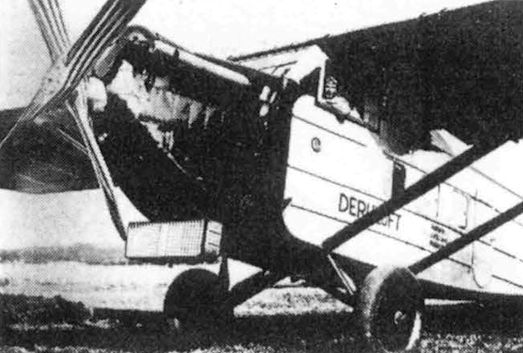
Регистрационный номер: RR-35 [2] Merkur RR 35, its BMW VI engine driving a 4-blade right hand tractor propeller showing its wood laminations, was one of several Deruluft machines with enclosed cockpits to counter the eastern European winters.
Самолёты на фотографии: Dornier Merkur / Komet III - Германия - 1924
-
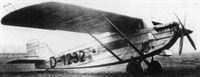
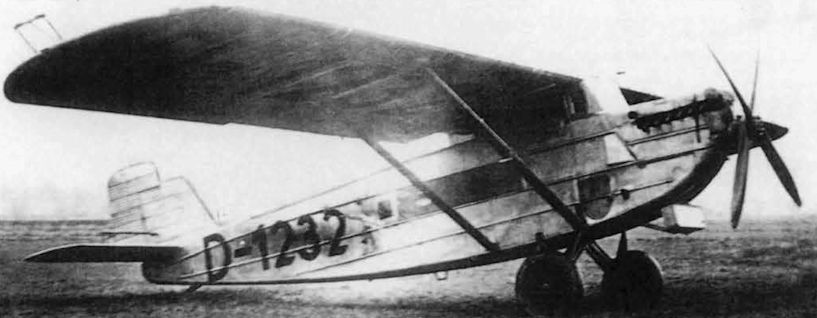
Регистрационный номер: D-1232 Merkur D-1232 c/n 166, used by Dornier before going to DVS, was a later model with enclosed cockpit. It was unusual in that its BMW VI engine had stub exhausts, perhaps assuming that the enclosed hood would keep fumes out of the cockpit. Used experimentally, most cabin windows were covered over and other modifications were made.
Самолёты на фотографии: Dornier Merkur / Komet III - Германия - 1924
-
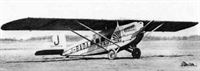
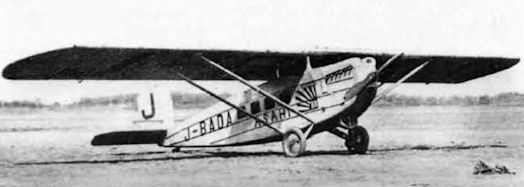
Регистрационный номер: J-BADA, J-BAHA J-BADA was very similar to J-COFH in its original form with Lorraine engine but with stub exhausts and without undercarriage leg fairings. It went to Asahi/TTK, was re-engined with a BMW VI and later re-registered J-BAHA. The BMW VI became the standard replacement engine in Japan.
Самолёты на фотографии: Dornier Merkur / Komet III - Германия - 1924
-
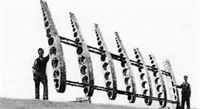
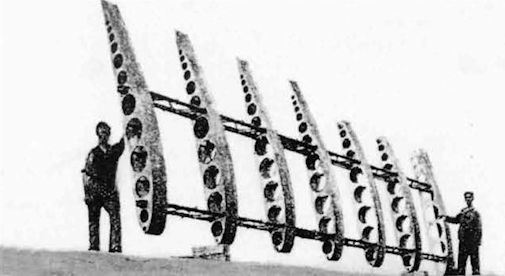
The uncovered port mainplane structure of a Komet III wing minus the aileron shows a unique assembly of steel spars with light alloy ribs while appear to be machined from solid. Whether the Falke cantilever wing was similar was not revealed.
Самолёты на фотографии: Dornier Merkur / Komet III - Германия - 1924
-
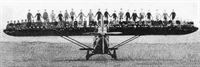
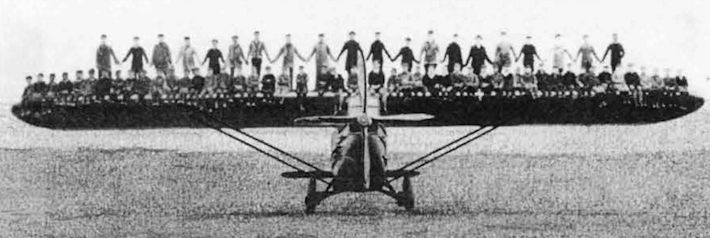
An early Komet III with R-R Eagle engine was posed with 20 standing and 49 sitting personnel on the wing, a total of 69 persons. A few appear to be schoolchildren but it still looks a lot of bodies. Room for one more on the starboard wing - or had one fallen off?
Самолёты на фотографии: Dornier Merkur / Komet III - Германия - 1924
-
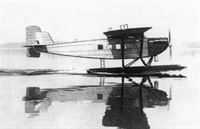
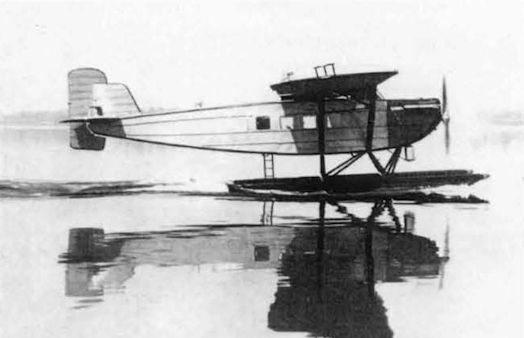
Taxying on Lake Constance, this unidentified BMW VI engined standard Merkur seaplane has the so far unexplained wingtip fittings seen on a number of Merkur landplanes (such as c/ns 166, 173, 174). It has an enclosed cockpit for protection from spray.
Самолёты на фотографии: Dornier Merkur / Komet III - Германия - 1924
-
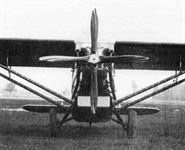
Another, unidentified, closed cockpit Merkur, this one with long exhausts, has the bracing members between underwing struts and wing underside as seen on Deruluft machines.
Самолёты на фотографии: Dornier Merkur / Komet III - Германия - 1924
-
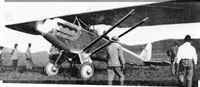
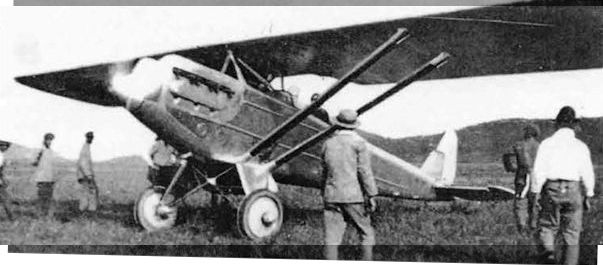
Регистрационный номер: J-BEYF The Kawasaki KDA-3 was a great deal bigger than the Falke with 630 hp BMW VI engine and it had underwing bracing struts. Seen on an early run-up, it was soon registered J-BEYF but it remained experimental.
Самолёты на фотографии: Kawasaki KDA-3 - Япония - 1928
-
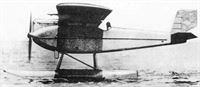
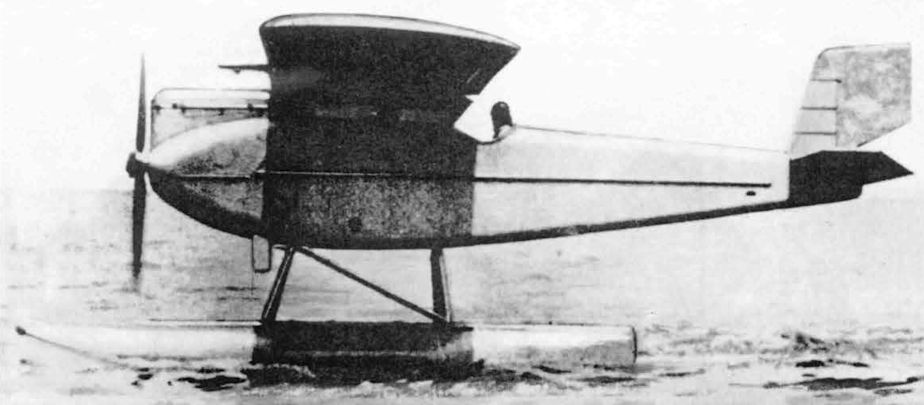
The Falke floatplane looking high in the water (which may have been painted on the photo afterwards). With BMW IV engine it appears identical to the prototype and may have been the same aircraft, as building another aircraft to demonstrate floats would have been expensive.
Самолёты на фотографии: Dornier Do.H Falke - Германия - 1922
-
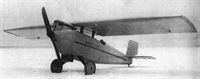
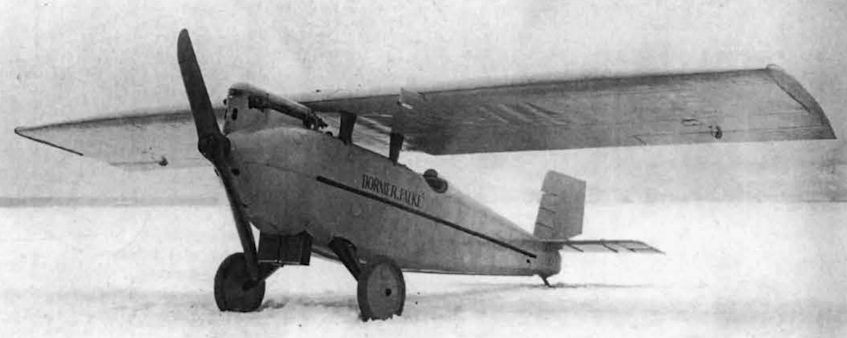
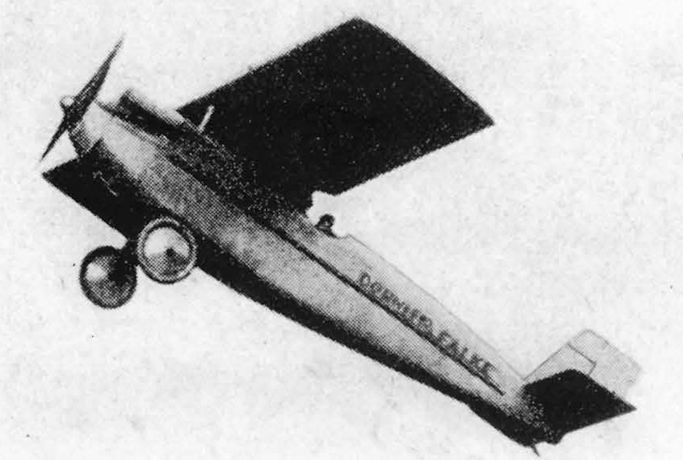
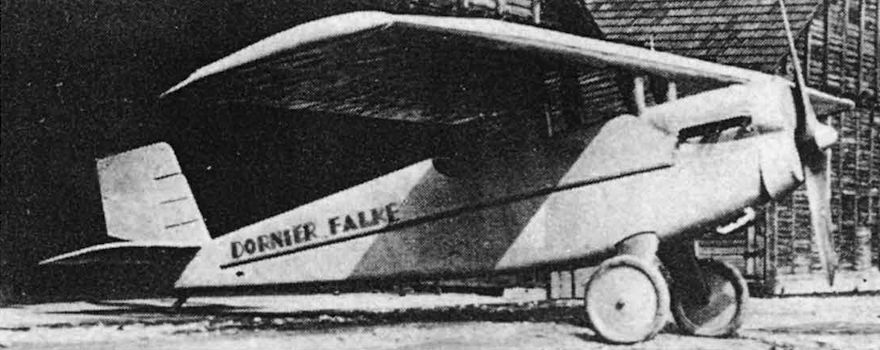
The Dornier H Falke Swiss-built fighter prototype with its name on the side and pilot in the cockpit. The 320 hp BMW IV 6-cyl upright inline water-cooled engine has a fixed radiator under the nose.
Самолёты на фотографии: Dornier Do.H Falke - Германия - 1922
-
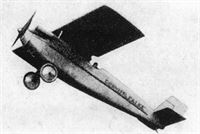
The Falke from the previous photograph showing off its clean lines during an airborne demonstration of its speed and manoeuvrability.
Самолёты на фотографии: Dornier Do.H Falke - Германия - 1922
-
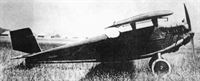
A Hispano powered Swiss-built Falke in 1924, used for development and now with a retractable radiator, an important feature in service since when extended a great deal of drag was produced by its large frontal area.
Самолёты на фотографии: Dornier Do.H Falke - Германия - 1922
-
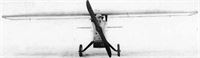
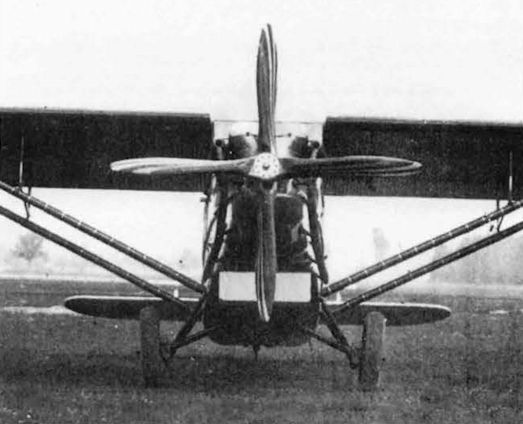
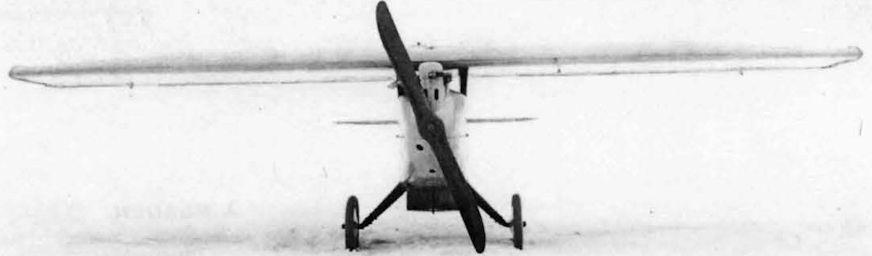
Taken at the same time as the previous photo, this head-on-view of the prototype Falke emphasises its outstanding feature, the clean lines of the cantilever monoplane wing, cantilever tail surfaces and single leg undercarriage, with no drag-producing struts or projections.
Самолёты на фотографии: Dornier Do.H Falke - Германия - 1922
-
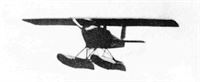
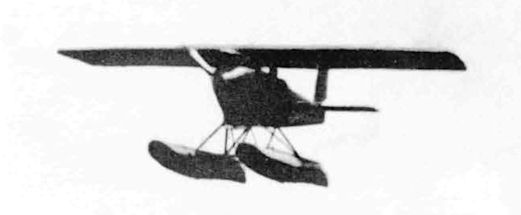
The floatplane Falke in flight shows the single-step floats, similar to those used on the Merkur but smaller. If it had gone into service it would no doubt have had the retractable radiator developed later.
Самолёты на фотографии: Dornier Do.H Falke - Германия - 1922
-
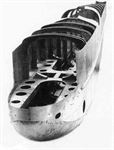
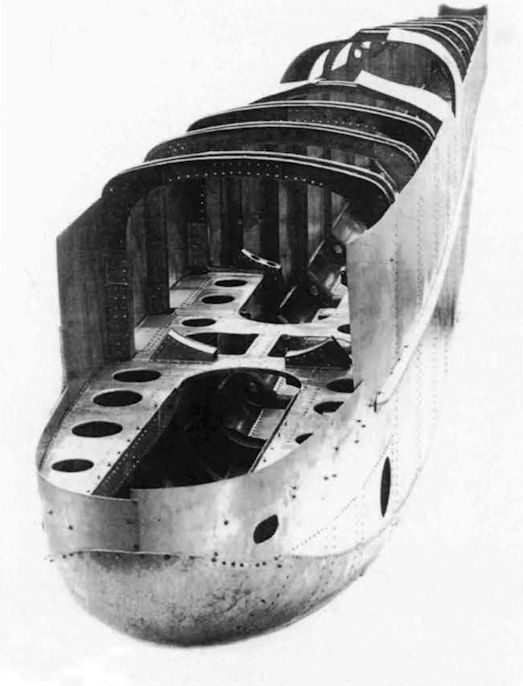
The fuselage frame of one of the Italian-built Falkes shows the all-metal structure with no bracing wires. The flat-topped forward fuselage gave the pilot a good forward view in spite of his aft position.
Самолёты на фотографии: Dornier Do.H Falke - Германия - 1922
-
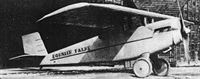
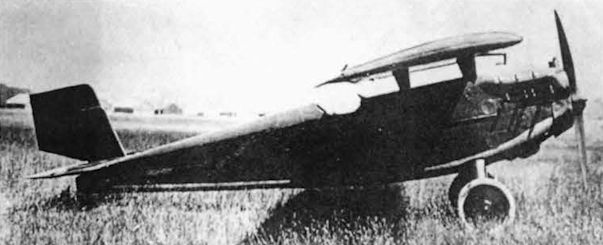
A Swiss-built Falke with name on the side and with 340 hp Hispano-Suiza 8-cyl water-cooled engine with retracted radiator underneath between the undercarriage legs. Just forward of this is the oil cooler.
Самолёты на фотографии: Dornier Do.H Falke - Германия - 1922
-
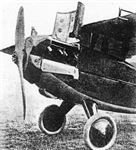
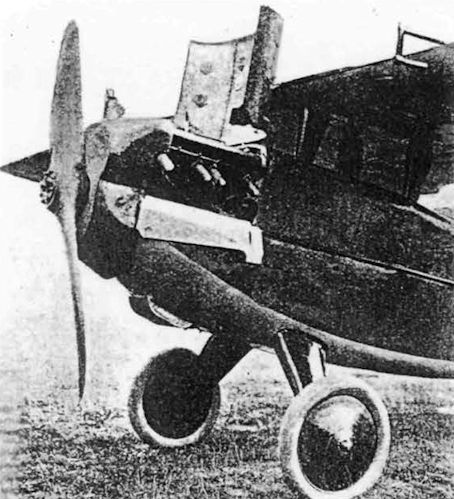
A nose-end close-up of the Falke in the adjacent side-view photo. The base of the retracted radiator is just discernible between the undercarriage legs. The crocodile cowling top is open but the cowling platform sides are not raised.
Самолёты на фотографии: Dornier Do.H Falke - Германия - 1922
-
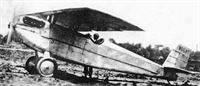
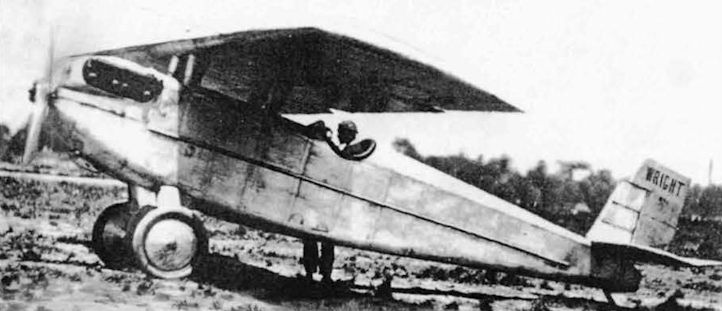
The US Navy Falke was fitted with a Wright-built Hispano engine and was renamed the Wright WP-1. The name Wright appears on the rudder. The radiator appears to be fixed.
Самолёты на фотографии: Dornier Do.H Falke - Германия - 1922
Статьи
- Casualty Compendium (95)
- B.Martin, D.Sparrow, R.Esperou - F-1922: The French Civil Aircraft Register, 1922 (5)
- D.Hagedorn, B.Goethals - Post-War Surplus AT-6s (10)
- J.Meaden - Dornier - pioneer and survivor /Head-On View/ (9)
- J.Meaden - The Comper Streak /Head-On View/ (14)
- J.Meaden, M.Fillmore - The Comper lightplanes /The Whole Truth/ (5)
- M.Best - Sikorsky american fixed-wing aircraft (9)
- M.Magnusson - The Argentine R-Register, 1928-37 (2)
- P.Berry - The Spartan 7W Executive
- P.Gerhardt - East Germany (DM- DDR-) 1955-91 /Complete Civil Registers/ (13)
- S.Darke - Thai Airways and predecessors (10)