Фотографии
-
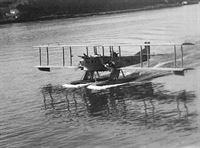
The Liore-et-Olivier H-257bis was a twin-engined torpedo bomber seaplane developed from the LeO 25 series of night bombers. 60 were built with enclosed cockpits but this example has an open cockpit. The unit marking appears to be 1B4 and we do not recognise the location. It seems inconceivable that H-257s were used in daylight attacks on German columns during the Battle of France.
Our bafflement at the LeO 257 in the last issue has been explained by Lucien Morareau. It was because it was a Farman F 65 TOR! We were fixated on the nose and failed to notice the small underwing floats faired in at the wingtips.Самолёты на фотографии: Farman F.62BN.4 / F.160 Goliath - Франция - 1922
-
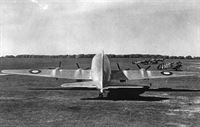
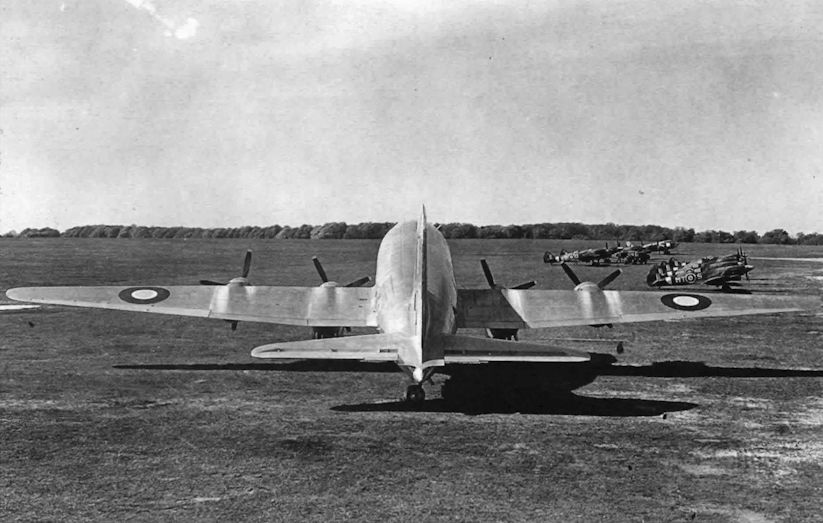
Регистрационный номер: TE580 The Hastings prototype shares the grass at Wittering with Spitfires of Nos.41 (EB) and 122 (MT) Squadrons. TE580's first flight was on 7 May 1946 and Wittering was used in preference to Radlett, where the prototype Hermes, G-AGSS, had crashed on its first flight on 2 December 1945.
Самолёты на фотографии: Handley Page Hastings / H.P.67 - Великобритания - 1946Supermarine Spitfire Mk.XVIII / 21 / 22 / 24 - Великобритания - 1944
-
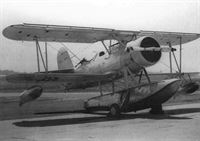
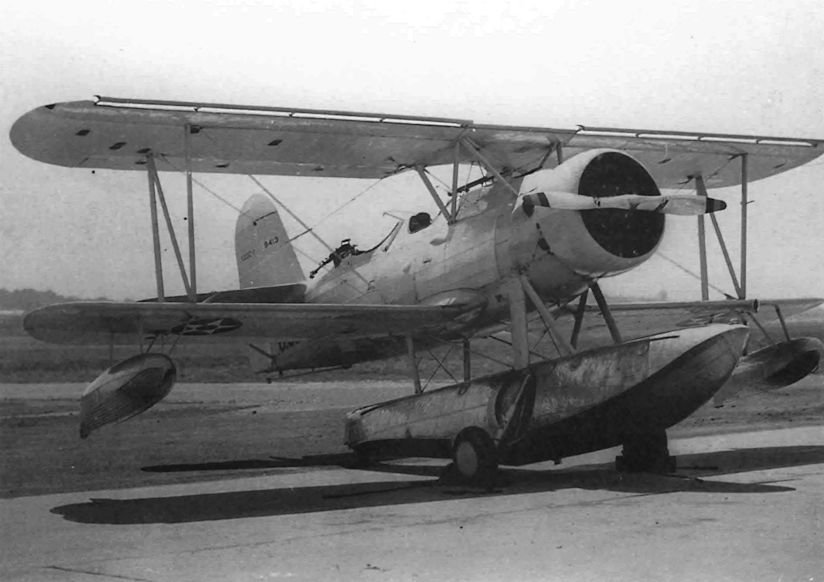
The open-cockpit Curtiss XO3C-1 was the prototype of the numerous SOC Seagull catapult aircraft that were to be found on all the catapults of US battleships and cruisers until replaced by Kingfishers. It first flew in March 1934 with an amphibious float but was modified to have a cabin and interchangeable float and wheel undercarriages, becoming the XSOC-1.
Самолёты на фотографии: Curtiss SOC Seagull - США - 1934
-
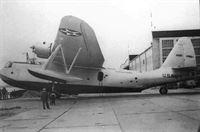
The Sikorsky XPBS-1 was a large patrol boat, equivalent to the Short Sunderland, which first flew on 13 August 1937. It had a 0.5-inch machine gun in a tail turret, the first to be fitted to an American aircraft, another in the nose and two more in the waist positions. It was not ordered into production and is seen here at NAS Hampton Roads.
Самолёты на фотографии: Sikorsky PBS / VS-44 Excalibur - США - 1937
-
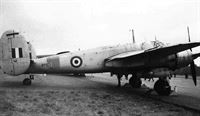
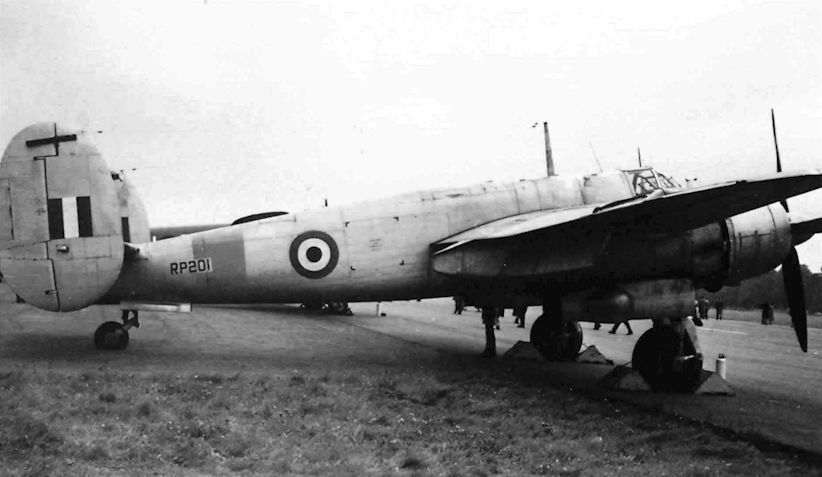
Регистрационный номер: RP201 The Bristol Buckmaster was developed in parallel with the Brigand to provide training for pilots destined for the latter. With a pair of Centaurus engines it must have been the most powerful piston-engined trainer ever. RP201 was with No.238 OCU and is photographed at Middleton St.George in 1956.
Самолёты на фотографии: Bristol Buckmaster / Type 166 - Великобритания - 1944
-
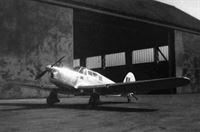
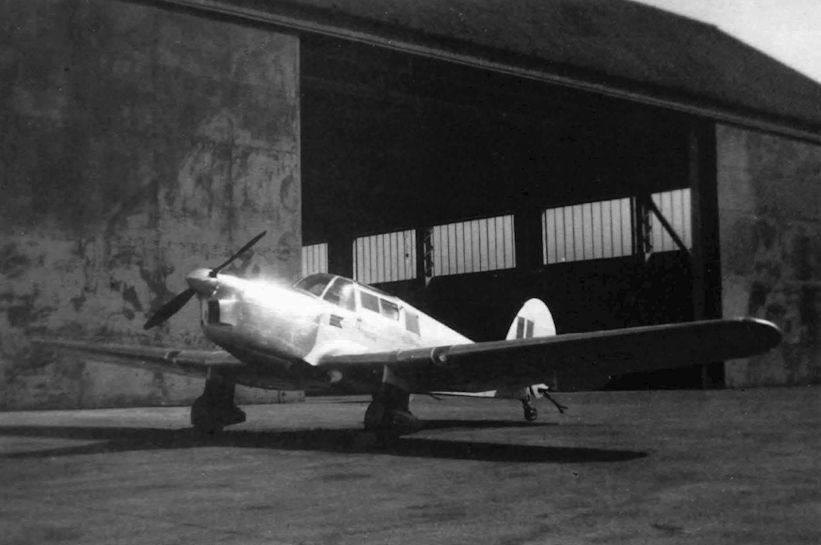
Регистрационный номер: DX232 Middle Wallop's Station Flight had Proctor III DX232 on strength in May 1947 when it was photographed. It has a highly-polished cowling and a rank pennant under the cockpit.
Самолёты на фотографии: Percival Proctor / P.28 - Великобритания - 1939
-
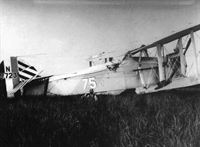
Регистрационный номер: N9723 Deeply involved in some very long grass is Blackburn Dart N9723 of No.464 Flight from HMS Courageous, as indicated by the white 'Fleet Number' outlined in black and blue upper decking of the fuselage and stripes on fin.
Самолёты на фотографии: Blackburn Swift T.1 / Dart T.2 - Великобритания - 1920
-
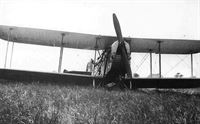
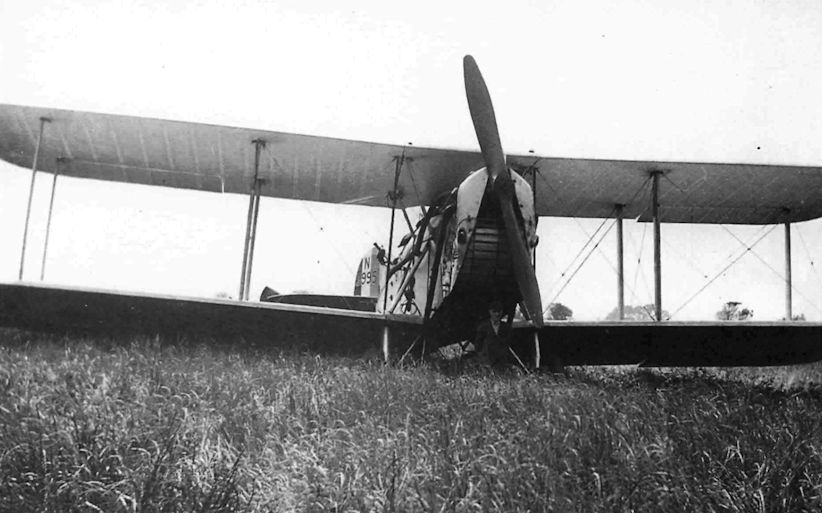
Регистрационный номер: N9995 Also embedded in grass is another Dart, N9995, also of No.464 Flight. There is no clue as to how and when this incident occurred. The aircraft have not nose-tipped; the engine was fitted that way!
Самолёты на фотографии: Blackburn Swift T.1 / Dart T.2 - Великобритания - 1920
-
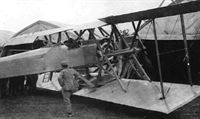
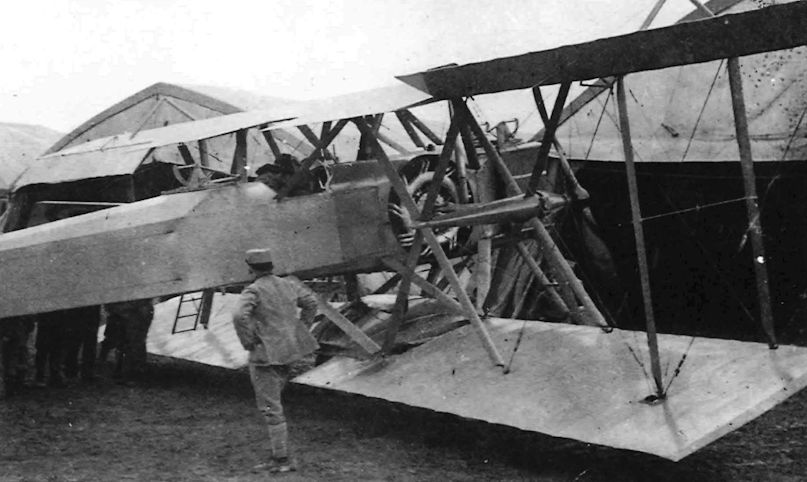
'No, Pierre. The engine should have been put in facing forward!'. The Moineau-Salmson was one of those designed to operate propellers via a series of drive shafts. All seemed to suffer from the same problem - how to keep the engine cool when it was tucked away inside the fuselage. The designers obviously intended it to go to war as it is fitted with a gun mounting in the rear cockpit. Did they get it airborne?
Самолёты на фотографии: Salmson-Moineau S.M.1 - Франция - 1916
-
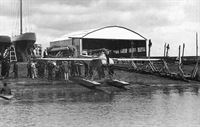
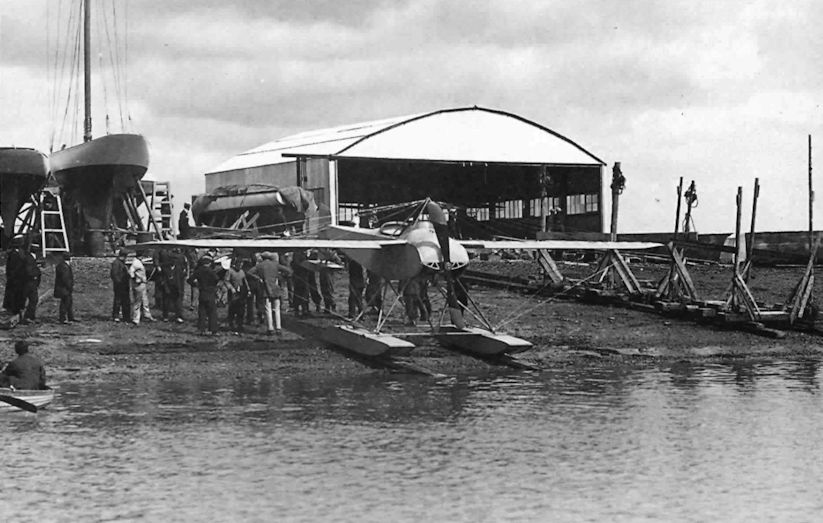
One of the eight Borel Monoplanes acquired for the Naval Wing of the Royal Flying Corps. No serial appears to have been painted on the fuselage or tail and since the photograph is dated 11 June 1913, it would appear to be either No.37 or No.48.
Самолёты на фотографии: Borel hydro-monoplane - Франция - 1912
-
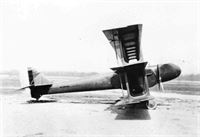
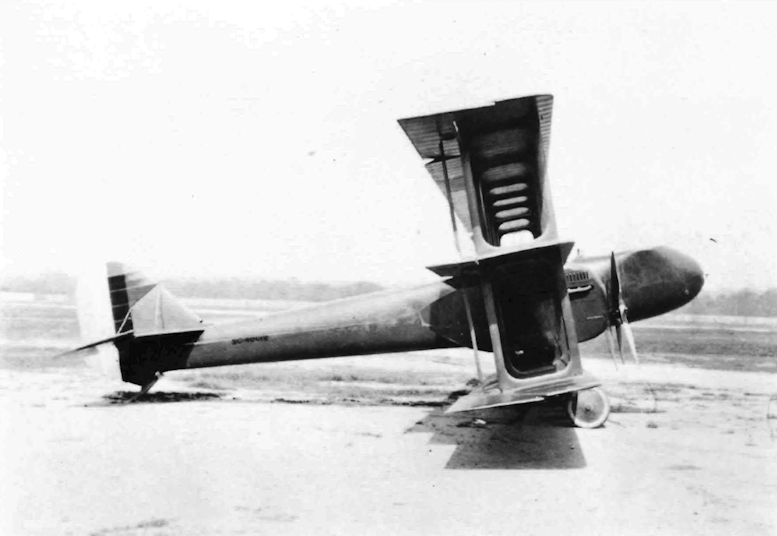
Perhaps a notable example of how remote the USA was from the battlefields of France was the Packard-Le Pere LUSAO-11. Produced at a time when a vain effort was being made to supply US-designed aircraft, it was intended as an observation type in the corps reconnaissance role being carried out by the RAF with R.E.8s and Bristol Fighters. It had a pair of Liberty 12A engines and came to nothing, fortunately for the potential crews.
Самолёты на фотографии: Packard-LePere LUSAO-11 - США - 1918