

Фотографии
-
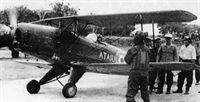
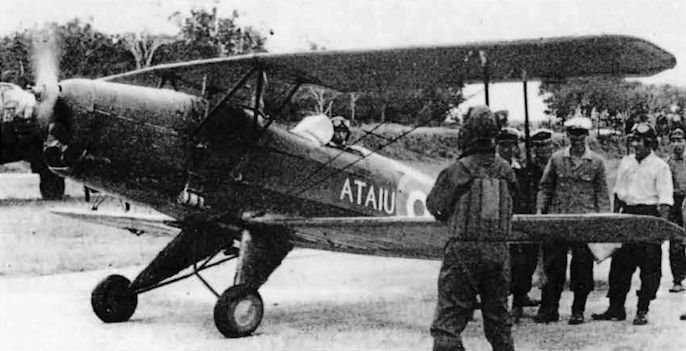
The Japanese-built Bucker Jungmann captured by the British on test with ATAIU (the Allied Technical Air Intelligence Unit) still in RAF markings and with Japanese tail marking B2-21. Initially twenty-one aircraft were supplied by Germany, including two Jungmeisters. Licence-built were 339 Navy K9W1 built by Watanabe (which later became Kyushu) and 1037 Army Ki-86 built by Kokusai, all to military contracts. The Allied code name was Cypress in line with naming trainers after trees, a bit of a coincidence since the Japanese name for the K9W1 was Momiji (= Maple)
Самолёты на фотографии: Bucker Bu.131 Jungmann - Германия - 1934
-
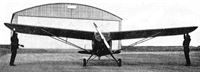
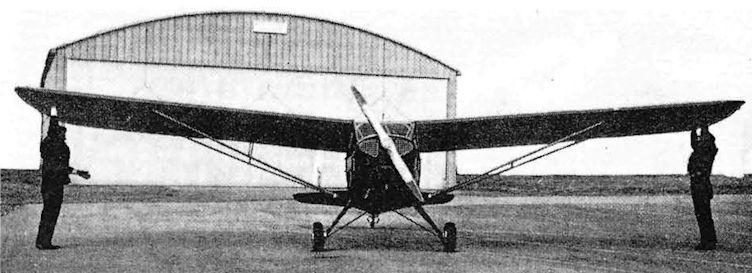
The Taylorcraft normally needs no dihedral and it is created in flight only when the pistons of the air-oil cylinders extend under increased loading from gusts or pilot input. Here 2 helpers push up the wingtips to show the dihedral effect.
Самолёты на фотографии: Taylorcraft A / B / C / F-19 / F-21 / F-22 - США - 1937
-
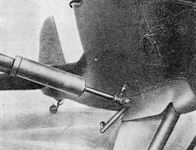
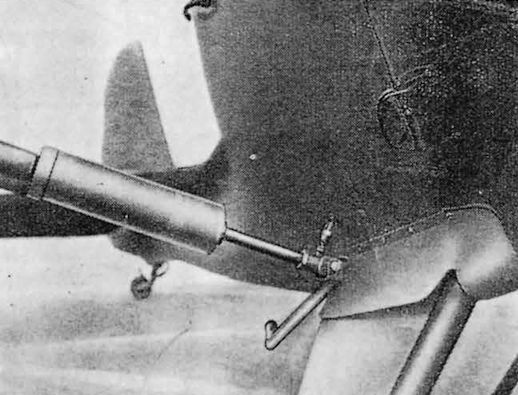
Close-up of one of the air-oil cylinders on the single attachment of the 2 wing struts. It is in the extended position which allowed the wingtip to move up a maximum of 30 inches. A gust under one wing affected that wing only, keeping the aircraft laterally level with no need for aileron action by the pilot.
Самолёты на фотографии: Taylorcraft A / B / C / F-19 / F-21 / F-22 - США - 1937
-
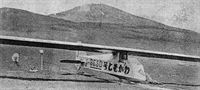
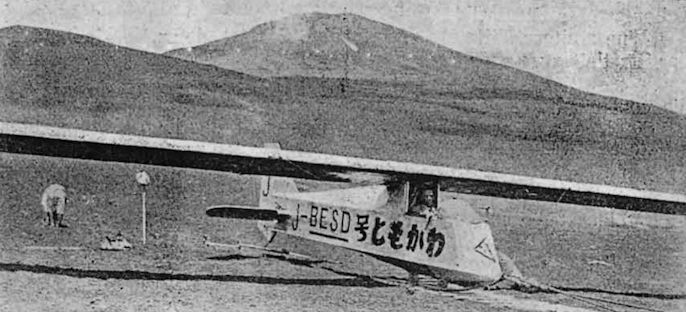
Регистрационный номер: J-BESD Said to be the first Japanese-built glider J-BESD was designed by Yoshio Yamazaki.
Самолёты на фотографии: Yamazaki glider - Япония - 1931
-
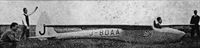
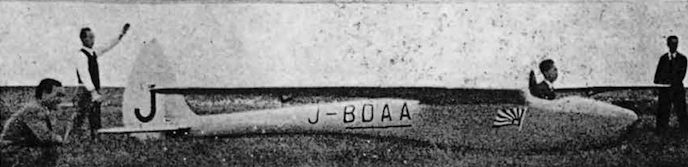
Регистрационный номер: J-BDAA J-BDAA, Asahi No. 1 glider, constructed by Mirajama, had a span of 15 m, length 6.36 m, weight 220 kg and a glide ratio of 1 : 18.5
Самолёты на фотографии: Murayama Asahi No.1 - Япония - 1935
Статьи
- Casualty Compendium (71)
- Elmdon Airport Movements Log 1939 (1)
- Extracts
- Feedback
- J.Meaden - The Hammond Y "Safety 'Plane" (1)
- K.Ellis - The ABC of the Flying Flea (2)
- M.Fillmore - The de Havilland Puss Moth /The Whole Truth/ (6)
- P.Gerhardt - East Germany (DM- DDR-) 1955-91 /Complete Civil Registers/ (13)