Фотографии
-
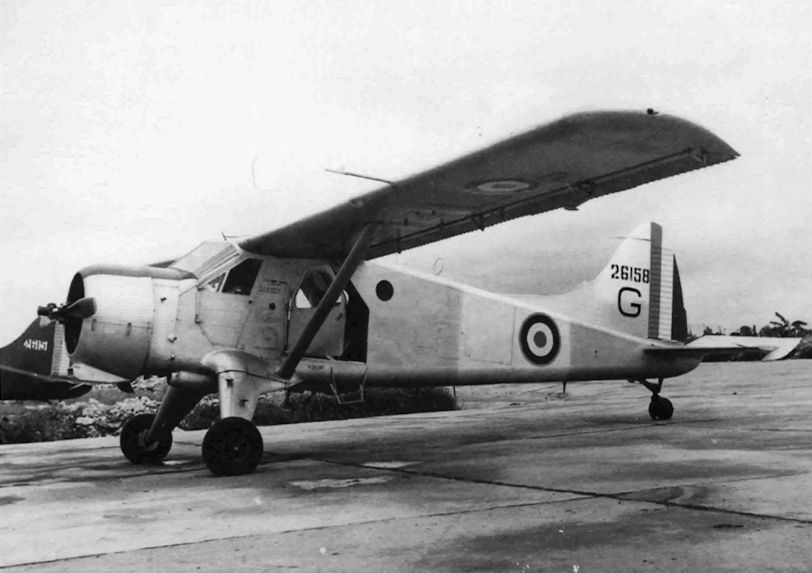
The De Havilland (Canada) Beaver served in all parts of the world and with many air forces. Designed as a bush aircraft, its rugged construction was ideal for operations from primitive airstrips. 25158 served with the Armee de I'Air and is in natural finish while 25151 behind is painted in olive drab.
Самолёты на фотографии: De Havilland Canada DHC-2 Beaver - Канада - 1947
-
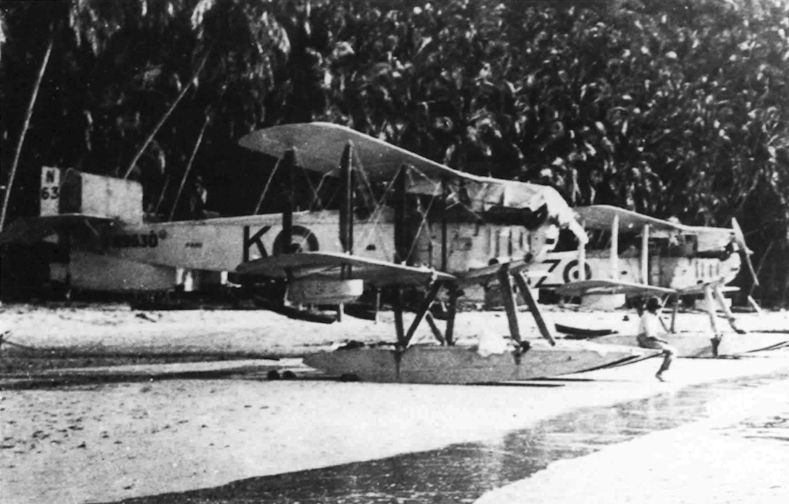
Регистрационный номер: N9630, N9632, G-EBKE HMS Pegasus was a wartime seaplane carrier that was not disposed off at the end of World War One. On 26 February 1924, she was recommissioned and sailed to Singapore where her aircraft carried out survey flights in Malaya and Borneo. N9630 and N9632 are on a tropical beach. The only clue is the name 'Pulo Aor' on the back of the photograph, a location which baffled our Times Atlas.
Самолёты на фотографии: Fairey Fairey III - Великобритания - 1917
-

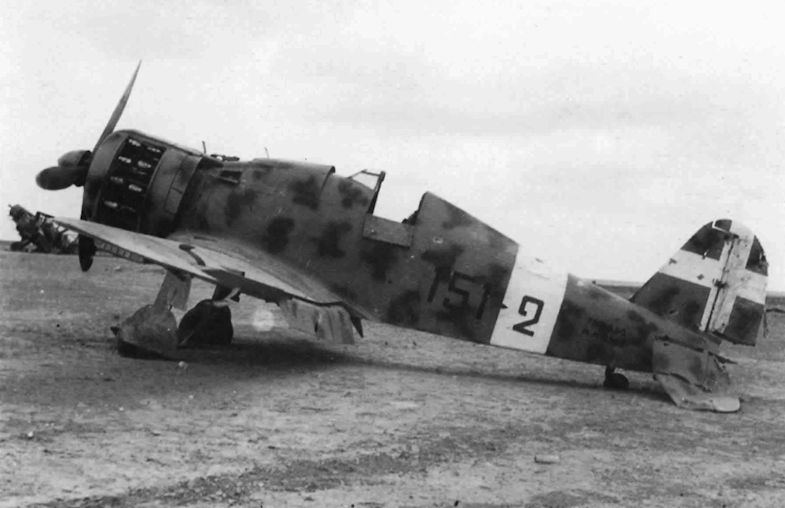
The Fiat G-50 Freccia was one of several monoplane fighters that met a 1936 specification for a replacement for the CR 32 biplanes. It flew for the first time on 26 February 1937. Twelve of the initial batch of 45 were used during the Spanish Civil War for development purposes. The result was an order for 200 more but the cockpit canopy was disliked as impeding visibility and subsequent aircraft had an open cockpit. This G-50 sits forlornly on a Libyan airfield after a RAF strafing attack.
Самолёты на фотографии: FIAT G.50 Freccia - Италия - 1937
-
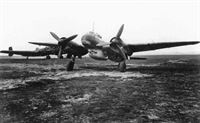
Faced with increasing numbers of Soviet tanks on the Eastern Front, the Ju 88 was adapted to take a pair of 37 mm cannon in a large pannier below the fuselage in place of the usual gondola. The Ju 88P1 had a 75 mm cannon but the Ju 88P2 illustrated had twin 37 mm guns. Although intended as an anti-tank aircraft, some Ju 88P-2s were used as heavy fighters against B-17s and B-24s on daylight raids. However, the performance was low and the P-2s found it difficult to catch up with bomber formations.
Самолёты на фотографии: Junkers Ju.88P - Германия - 1942
-
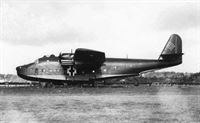
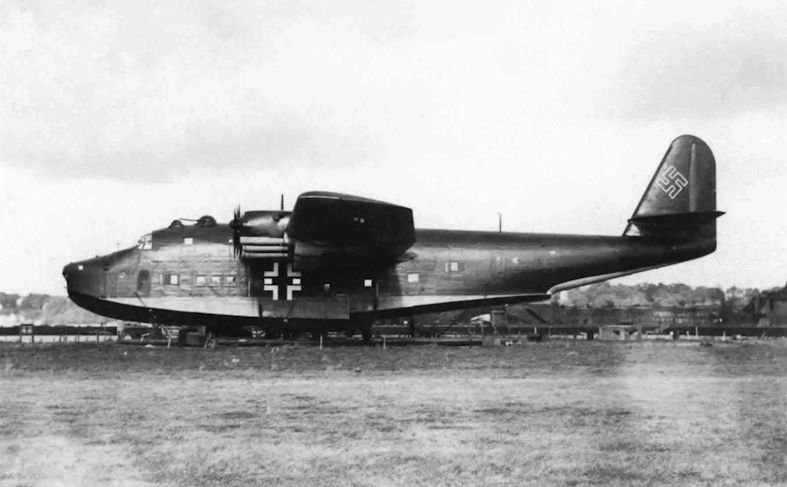
The Blohm & Voss BV 222 second prototype on its beaching gear at Finkenwerder, on the Elbe near Hamburg. Designed for the Transatlantic routes, the first BV 222 did not fly until 7 September 1940, by which time such flights were impossible. The second prototype flew on 7 August 1941 as a long-range reconnaissance aircraft and was armed with eleven machine guns. BV 222V2 survived the war and was destroyed in Norway.
Самолёты на фотографии: Blohm und Voss BV.222 Wiking - Германия - 1940
-
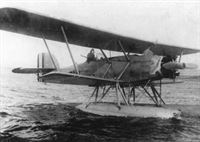
The Marinens Flyvebatfabrikk at Horton on Oslofjord designed and built the Hover M.F.11 to replace the Norwegian Navy's Hansa-Brandenburg W.33s. It was powered by a 575 hp Armstrong Siddeley Panther radial engine and flew in October 1931. Twenty-five were built and during the German invasion in April 1940 thirteen were engaged in operations. Three flew to Finland when the Germans occupied Norway and were put into service as coastal reconnaissance aircraft.
Самолёты на фотографии: Marinens (Hover) MF-11 - Норвегия - 1931
-
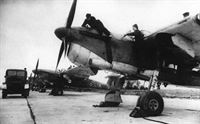
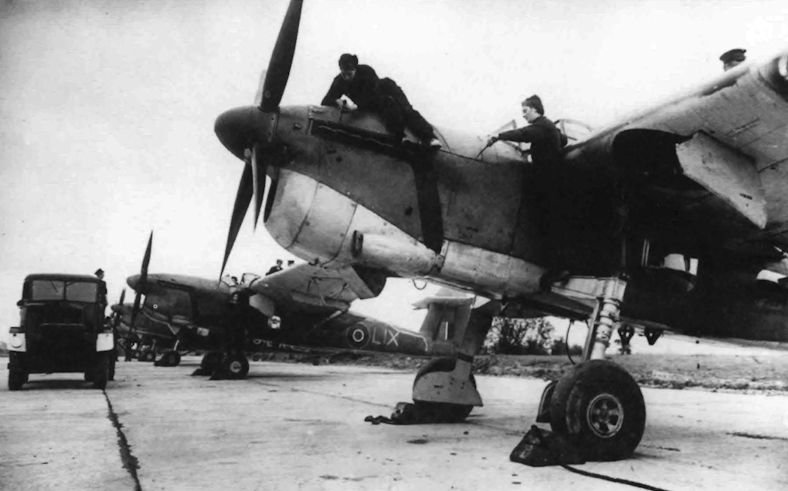
Wrens service a Barracuda. We think this was taken in May 1944 at Stretton when No.798 Squadron had a detachment based there to convert Barracuda pilots. The code is L1X, not an academic way of showing '59' in Latin.
Самолёты на фотографии: Fairey Barracuda - Великобритания - 1940
-

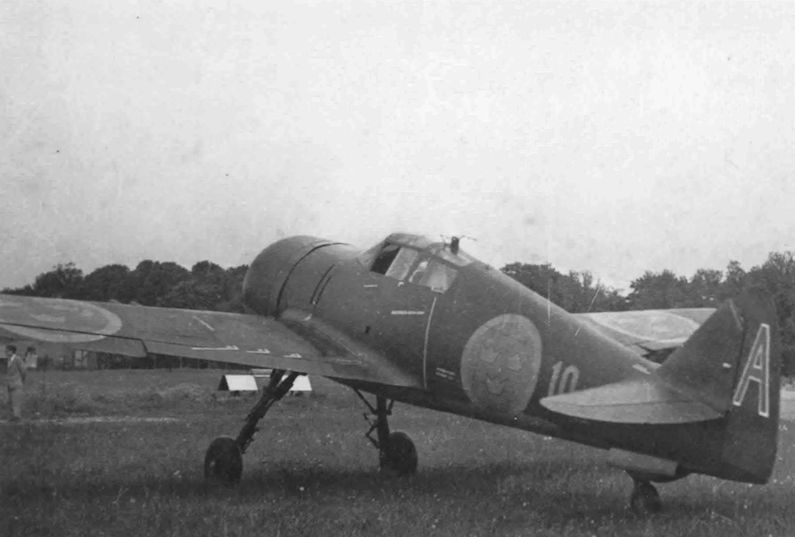
On the outbreak of the Second World War, the sea routes to Sweden became dangerous as German U-boats took no notice of neutrality marks. Buying aircraft from Germany and Italy could not be relied upon and this boosted the domestic Swedish air industry. Intended to use as much non-strategic material as possible, the J-22 was designed and built by a Swedish Air Ministry team. It first flew on 1 September 1942 and 198 were built.
Самолёты на фотографии: FFVS J-22 - Швеция - 1943
-
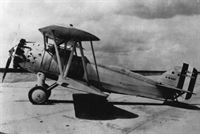
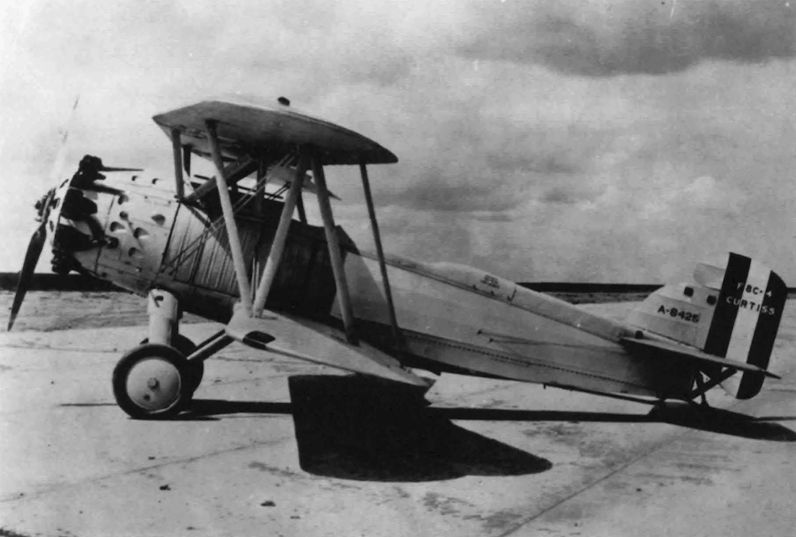
Регистрационный номер: A-8425 The Curtiss F8C-4 was developed from the Falcon to fill the role of a carrier-based dive-bomber. It could carry a 500-lb bomb and had two fixed and one flexible machine guns. Twenty-five F8C-4s were built and served with VF-1B aboard USS Saratoga. Despite its 'F' designation, the type was primarily a bomber and was popularly known as the Helldiver, beginning a family under that generic title.
Самолёты на фотографии: Curtiss F8C Falcon / Helldiver - США - 1928
-
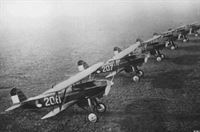
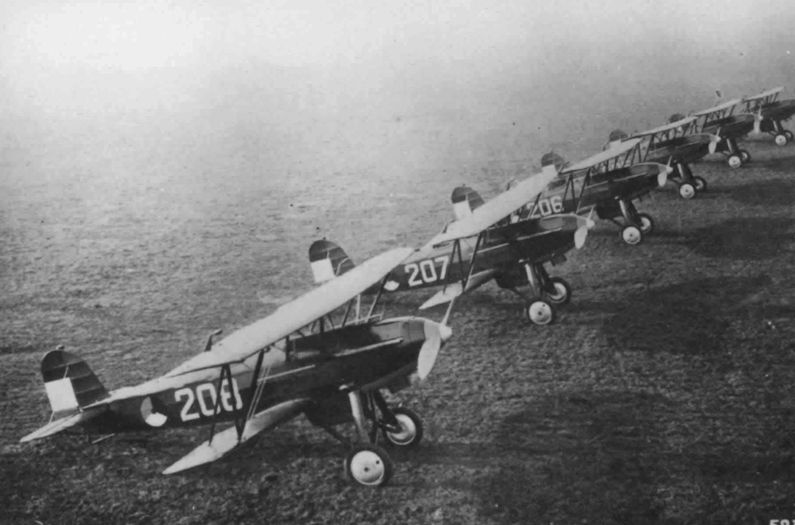
The Fokker D.XVII was the last fighter biplane in a line that began during the First World War. It was a development of the D.XVI which had been ordered as replacements for the venerable D.VIIs. Powered by a 595 hp Rolls-Royce Kestrel IIS, eleven examples were ordered in 1933. Some were fitted with Hispano-Suiza 12Xbrs or Lorraine-Dietrich Petrel engines. Six were still in service in May 1940. The D.XVII was equivalent to the Fury II in performance.
Самолёты на фотографии: Fokker D.XVII - Нидерланды - 1932
-
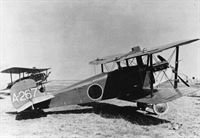
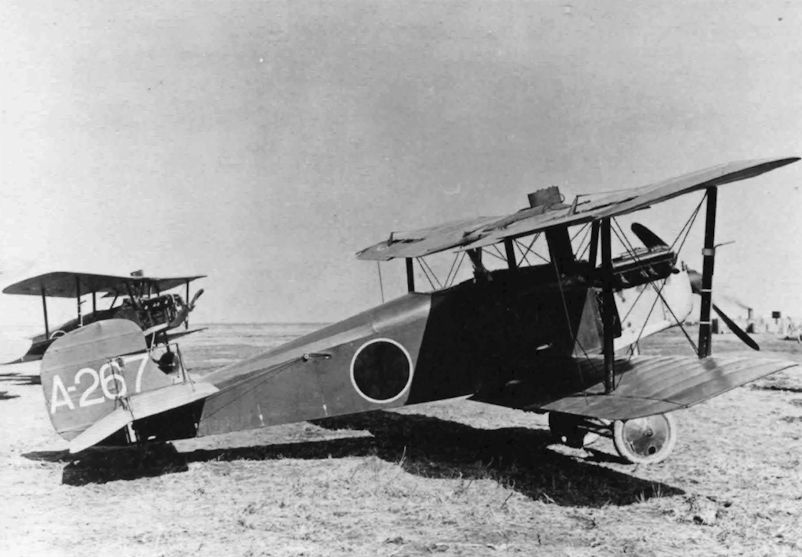
The Japanese Navy was quick to appreciate the need for aircraft carriers as developed by the Royal Navy during the First World War. A team of British aircraft engineers was hired to set up a naval aircraft section at Mitsubishi and their input resulted in a Type 10 Carrier Fighter, or 1MF1-S in the company's system. It first flew in October 1921, piloted by an ex-RAF pilot and was the first specially-designed carrier fighter, beginning operations from the carrier Hosho in March 1923. The type remained in service until 1930.
Самолёты на фотографии: Mitsubishi 1MF / Type 10 - Япония - 1921
-
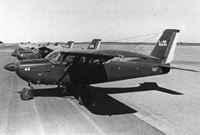
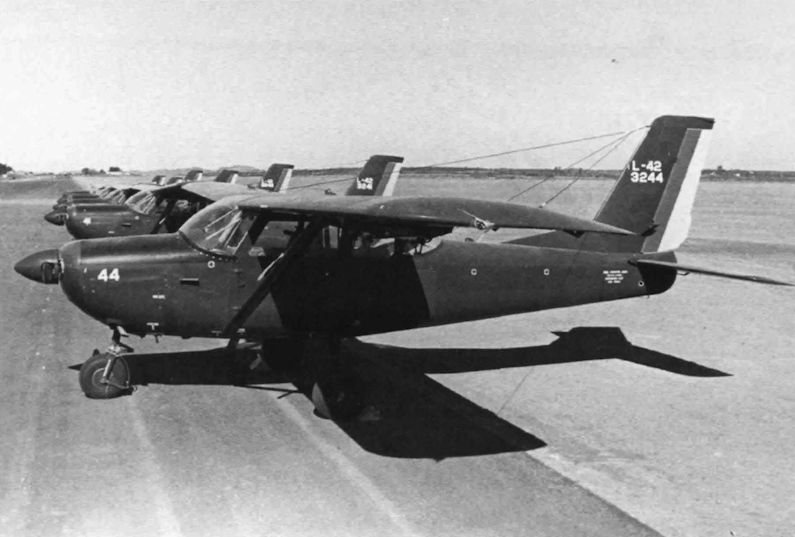
The Brazilian Neiva company began to build light aircraft soon after the end of the Second World War. Its first type, the Paulistinha 56, was similar to a Piper Cub but in 1959 it began work on the Regente, a four-seater corresponding to a Cessna 172 in lay-out. The Regente 420L was a military version designated U-42, later C-42 by the Brazilian Air Force. Eighty were built, followed by forty of the L-42 version as illustrated.
Самолёты на фотографии: Neiva Regente / Lanceiro - Бразилия - 1961