Фотографии
-
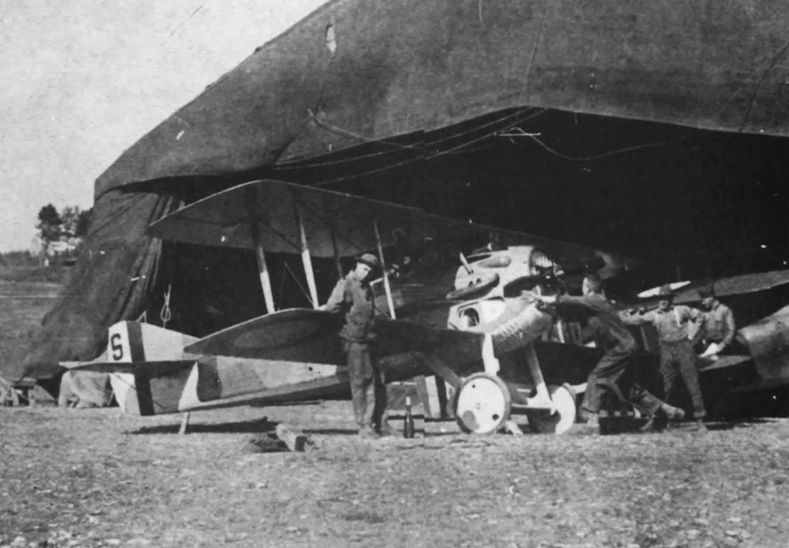
In the absence of any domestic fighter aircraft, it was proposed that 2,000 Spad XIIIs be built by Curtiss. However, none appeared before the Armistice but 893 were delivered by France to the US forces. Many were shipped to the USA after the end of the war for service with fighter squadrons and training units until US-designed fighters could be acquired. This aircraft was photographed at No.1 Air Depot at Colombey-les-Belles on 26 July 1918.
Самолёты на фотографии: SPAD S.XIII - Франция - 1917
-
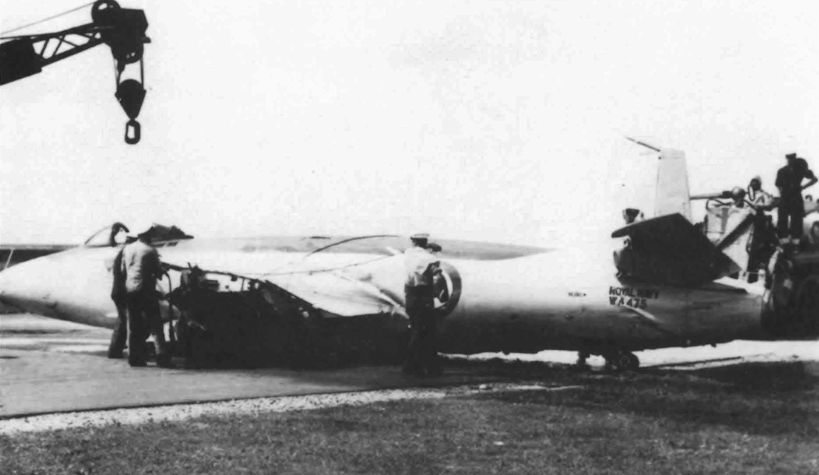
Регистрационный номер: WA475 Attacker F.1 WA475 of No.702 Squadron at Culdrose on 4th June 1952 after the engine flamed out on approach.
Самолёты на фотографии: Supermarine Attacker - Великобритания - 1946
-
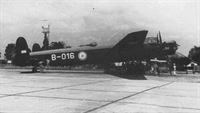
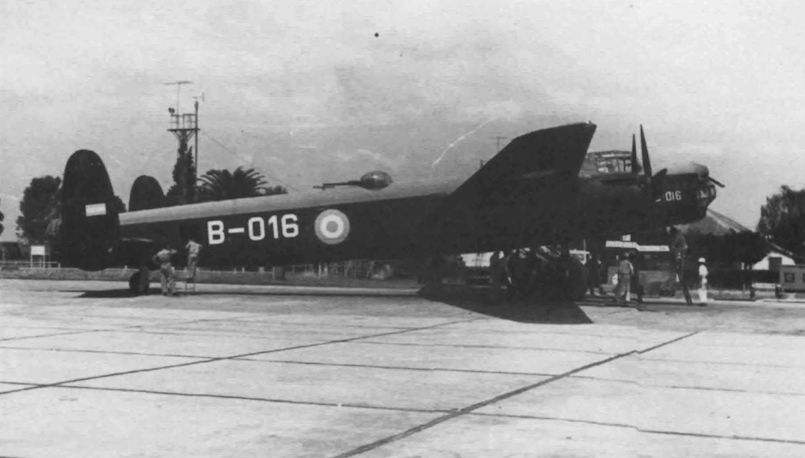
Регистрационный номер: B-016 From 1947, the Argentine Air Force acquired thirty Avro Lincoln B.2s to replace the surviving Martin 139s in its bomber units. With serials B-001 to B-030, they joined 15 Lancasters as the equipment of II Brigada Aerea. One, B-003, was supplied with Lancastrian-type nose and tail fairings for Antarctic research and named 'Cruz del Sud'. Although not flown extensively, they remained in service until the mid-1960s.
Самолёты на фотографии: Avro Lincoln / Type 694 - Великобритания - 1944
-
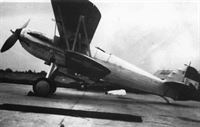
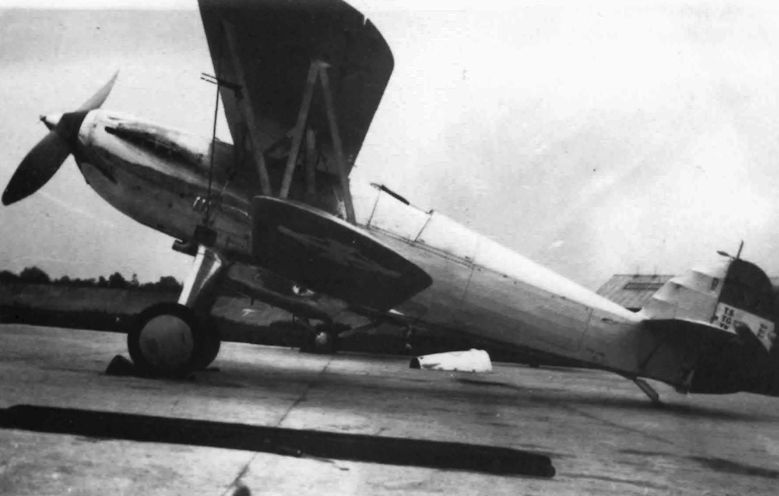
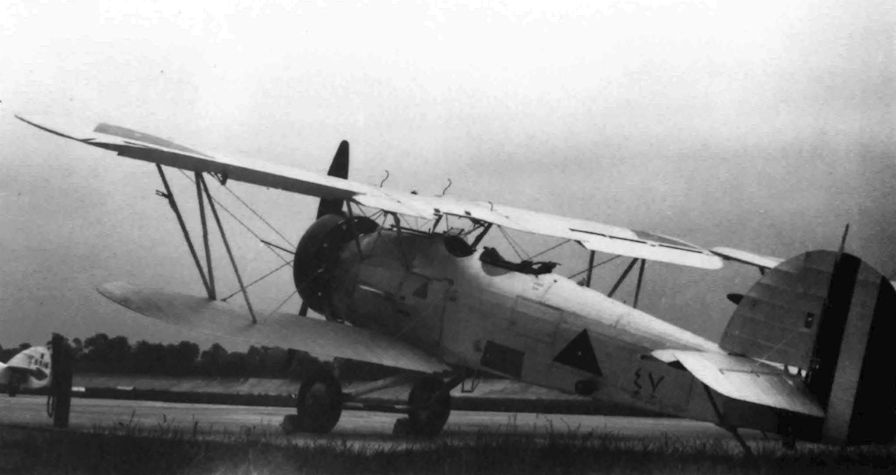
After operating six early-production Hawker Fury Is in 1932, Yugoslavia placed a repeat order for ten more at the end of 1935. The first of these flew on 14 September 1936. These differed from standard Furies in being powered by Kestrel XVIs, the original plan to fit Lorraine Petrels having been abandoned. A cantilever undercarriage was fitted with internally-sprung wheels and a maximum speed of 242 mph was attained. Two additional machine guns could be mounted under the wings.
Самолёты на фотографии: Hawker Fury - Великобритания - 1931
-
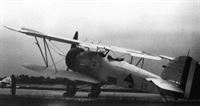
In 1936, the Iraqi Air Force took delivery of 34 Hawker Audaxes, being renamed 'Nisr'. These were fitted with Bristol Pegasus radial engines, initially IIM2s and for later aircraft VIPs. Radial engines were chosen because of the normal high temperatures found in Iraq. All were fitted as army co-operation aircraft with message pick-up hooks. During the German-backed uprising in Iraq in 1941, the Audaxes of No.4 FTS at Habbaniya found themselves opposing Audaxes of the Iraqi Air Force.
Самолёты на фотографии: Hawker Audax - Великобритания - 1931
-
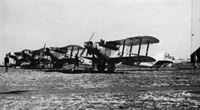
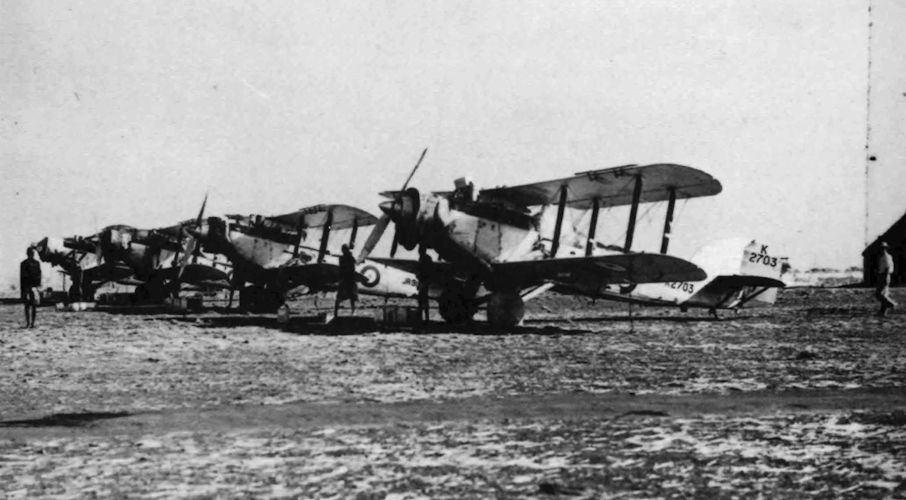
Регистрационный номер: K2703 Four Fairey Gordon Is of No.47 Squadron, Khartoum, lined up on the airfield at Malakal, Southern Sudan, in 1933. The Gordon was an updated Fairey IIIF with a
525 hp Armstrong Siddeley Panther IIA radial engine. No.47 was responsible for policing the Sudan, including the string of landing grounds south of Khartoum leading to Uganda that marked the Imperial Airways routes south from Egypt.Самолёты на фотографии: Fairey Gordon / Seal - Великобритания - 1931
-
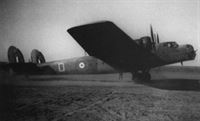
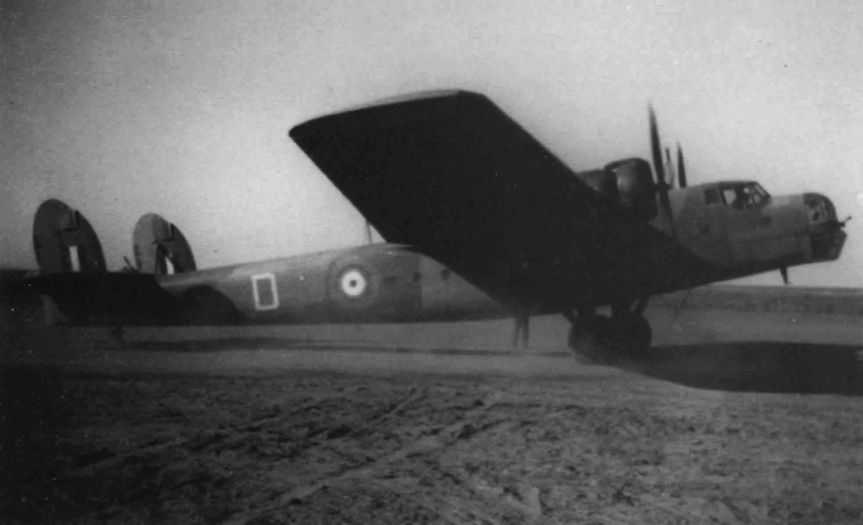
Регистрационный номер: L5845 Bristol Bombay L5845 of No.216 Squadron coded D in the Western Desert. After serving with this squadron, L5845 went on to act as an ambulance with No.1 Air Ambulance Unit before endings its days with Comm Flight Khartoum.
Самолёты на фотографии: Bristol Bombay / Type 130 - Великобритания - 1935
-
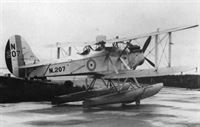
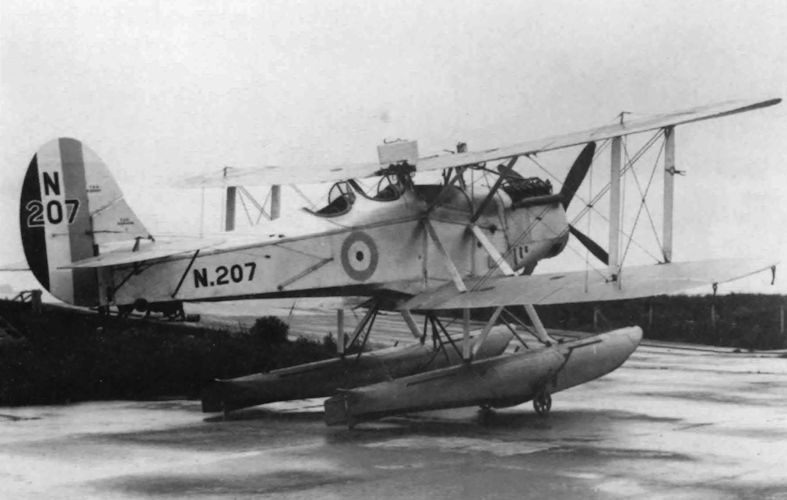
Регистрационный номер: N207 The Blackburn T.R.1 Sprat was built to meet Specification 5/24 for a training aircraft. It had to be capable of using both wheels and floats, the Fleet Air Arm seeing it as a possible deck landing trainer and for seaplane conversion. Powered by a 275 hp Rolls-Royce Falcon III, the Sprat was first flown on 24th April 1926. Fitted with floats, N207 went to Felixstowe in June 1926 for trials alongside the Vickers Vendace and Parnall Perch. However, the requirement was cancelled.
Самолёты на фотографии: Blackburn Sprat / T.R.1 - Великобритания - 1926
-

First of the C-series of transport designations used by the US Army, the Douglas C-1 was an eight-seat cabin biplane based on the design of the World Cruiser. Two pilots sat in an open cockpit. Power was provided by a Liberty engine and ten were built in 1925, 25-425 to 25-434. 25-426 was converted to a C-1A by fitting a supercharged engine. The C-1C was a nine-seat version and seventeen were built.
Самолёты на фотографии: Douglas C-1 - США - 1925
-
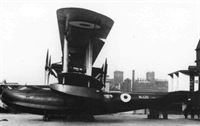
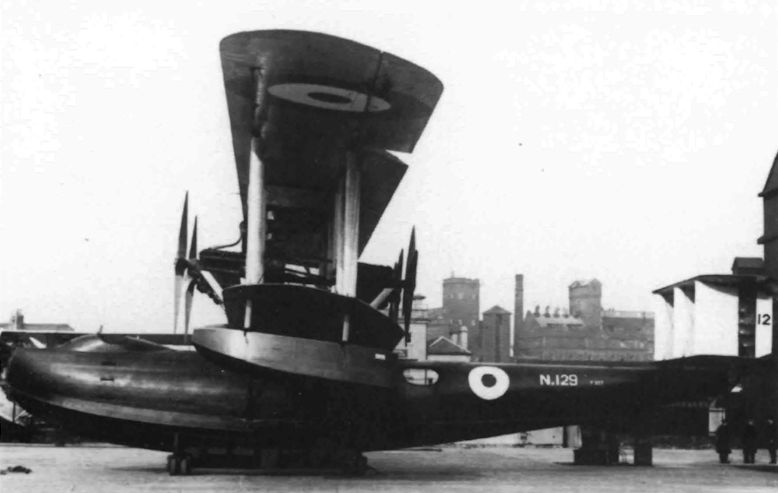
Регистрационный номер: N129 Admiralty Specification N.4 called, in 1917, for a long-range flying boat for fleet co-operation. Fairey built two boats, N119 Atalanta and N129 Titania, the first appearing in 1923 and the second in 1925. Both had Linton-Hope flexible hulls built by boat-builders while Fairey produced the superstructure. Power was supplied by four 650 hp Rolls-Royce Condors in push-me-pull-you layout. N129 was built on the Clyde and taken to Fairey's Hythe factory, then on to Felixstowe for trials.
Самолёты на фотографии: Fairey N.4 Atalanta - Великобритания - 1923
-
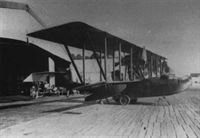
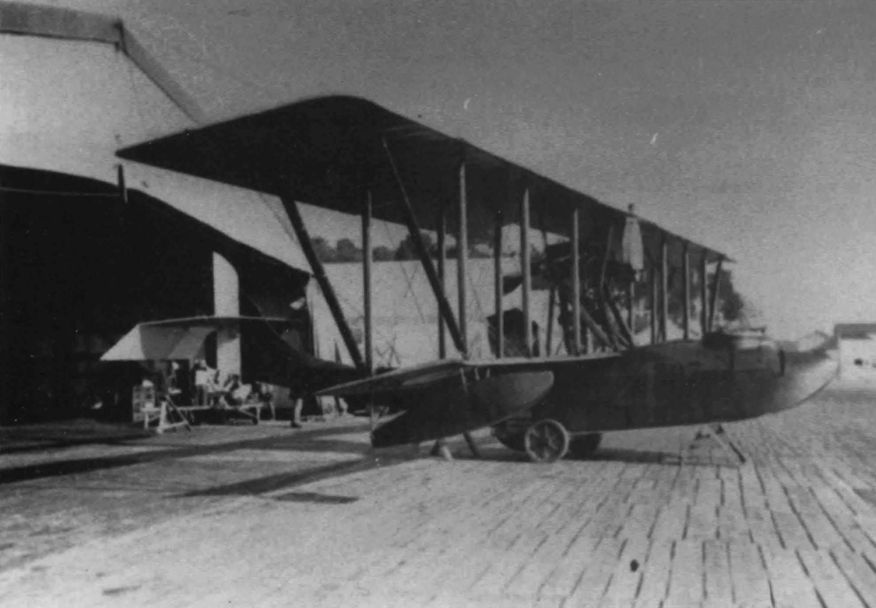
Donnet-Denhaut two-seat flying boats equipped a large number of seaplane stations in France and the Mediterranean. Fitted initially with 160 hp Lorraine 8Aby engines, 130 were built before being supplemented by about 500 fitted with 200 hp Hispano-Suiza 8Bd engines. When the USA entered the war in 1917, 35 were supplied to the US Navy for operations on the Biscay coast. A single machine gun was operated from a gunring in the nose. A final version had nose and dorsal positions, each with twin Lewis guns.
Самолёты на фотографии: Donnet-Denhaut DD.8 / DD.9 - Франция - 1917