Фотографии
-
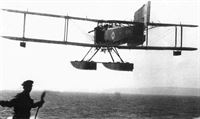
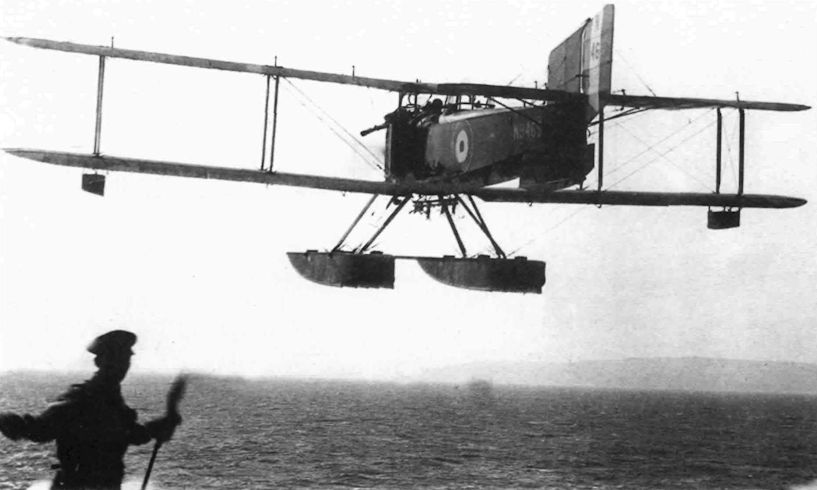
Регистрационный номер: N9469 Fairey IIID Mk.I N9469 takes off from the flight deck of HMS Argus. Delivered in 1922 to the Seaplane Training Squadron at Lee-on-Solent, N9469 was taken to sea in Argus in August 1922 for trials in launching seaplanes from a flight deck. It was mounted on a launching trolley fitted with guide arms running on a monorail. We are uncertain whether the object falling below the floats is part of this or a mark on the negative. N9469 went on to serve with No.267 Squadron in Pegasus, AAA Flight in Vindictive and the School of Naval Co-operation.
Самолёты на фотографии: Fairey Fairey III - Великобритания - 1917
-
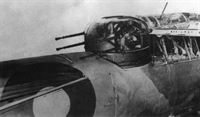
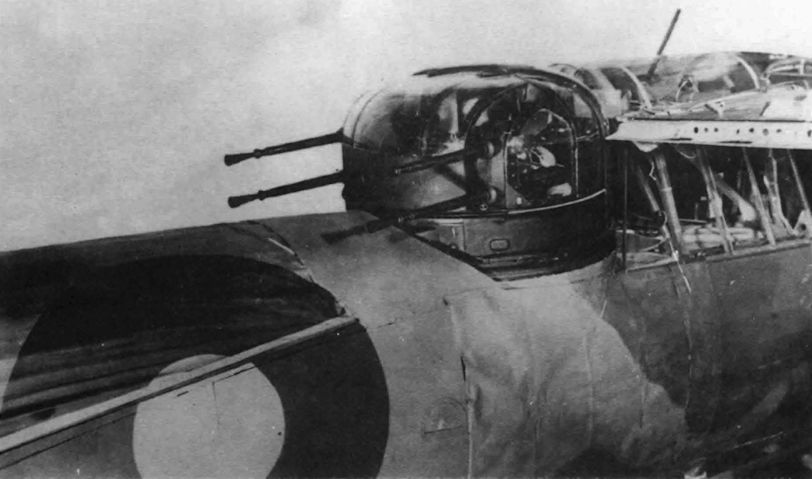
To improve the rearward defence on a Lysander and also to provide it with ground-strafing potential, a mock-up was fitted with a Boulton Paul Type A turret. It was too heavy in this position and moved the CG too far aft. A solution was to fit it as a tail turret and the prototype K6127 was re-designed to take this. A wide twin-fin tail unit was also fitted on the lines of the French Delanne system and in this form it was flown.
Самолёты на фотографии: Westland Lysander - Великобритания - 1936
-
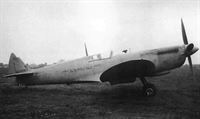
Регистрационный номер: N74138, G-15-109, G-PRXI, PL983 Spitfire PR.XI N74138 was used by the Air Attache at the US Embassy in London in 1948/49. It started life as PL983 and was returned to Vickers-Armstrongs in 1949 where it was flown as G-15-109. It was sold to the Shuttleworth Trust in 1950 as a static display airframe but as G-PRXI was restored and flown again in 1984. On 3 June 2001 it crashed at Rouen-Boos.
Самолёты на фотографии: Supermarine Spitfire PR / FR - Великобритания - 1939
-
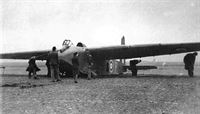
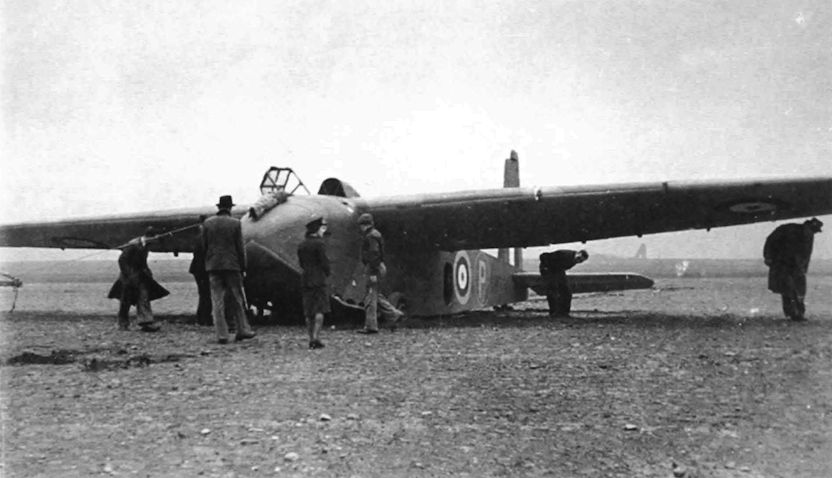
Регистрационный номер: T0227, DP226 Concerned citizens anxiously inspect a Hamilcar that has been left out in the rain and has shrunk. Or, just possibly, they are looking at the GAL.50 half-scale Hamilcar first flown from Heathrow on 15 November 1941 under Class B markings T-0227. After trials from Hanworth, it became DP226 and finished up in the Air Historical Branch collection at Stanmore Park where it still was in 1955. In 1958 it was advertised for sale in the Personal column of The Times!
Самолёты на фотографии: General Aircraft Hamilcar / GAL.49 - Великобритания - 1942
-
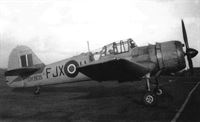
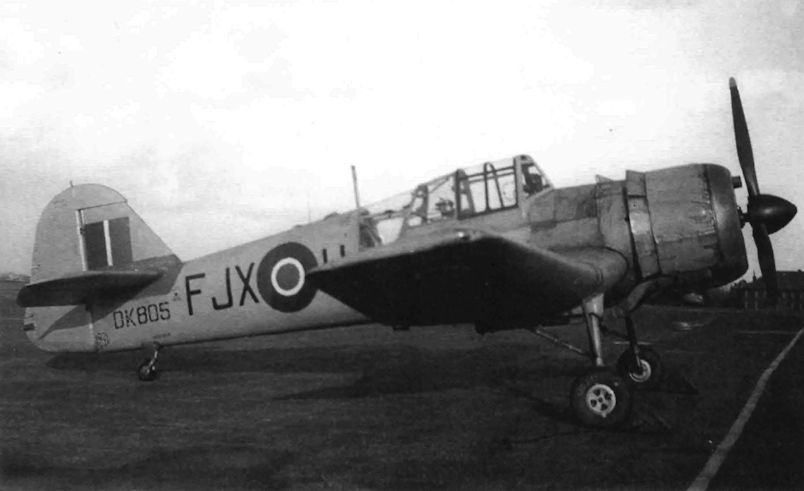
Регистрационный номер: DK805 Master II DK805 was delivered in January 1942 and its first user was No.16 (Polish) Service Flying Training School at Hucknall. Post-war it moved to the Central Gunnery School at Leconfield, being sold for scrap on 17 April 1951, The code FJX was one applied to CGS aircraft under the post-war system for non-operational units.
Самолёты на фотографии: Miles Master II M.19 / Master III M.27 - Великобритания - 1939
-
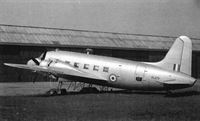
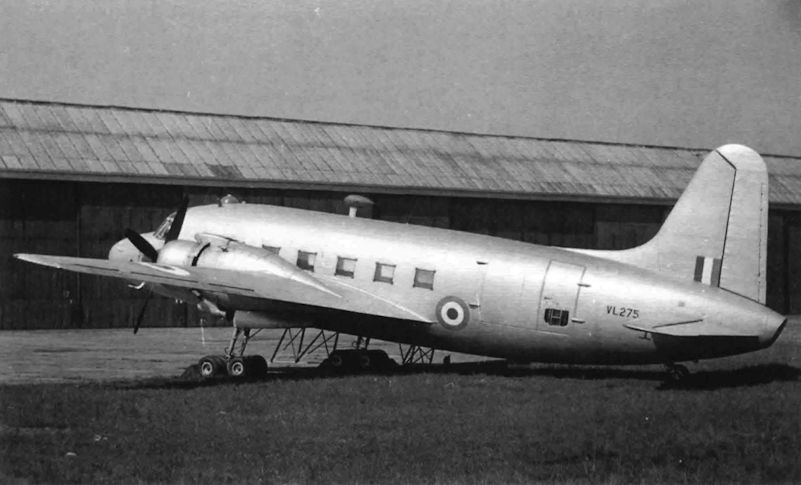
Регистрационный номер: VL275 Valetta C.1 VL275 was not delivered to the Royal Air Force but was retained by Vickers-Armstrongs for trials work. Seen outside the sheds at Wisley, VL275 was photographed while testing a bogey undercarriage. The cut-off tail cone was adopted for possible glider-towing tasks.
Самолёты на фотографии: Vickers Viking / Valetta - Великобритания - 1945
-
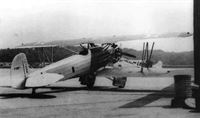
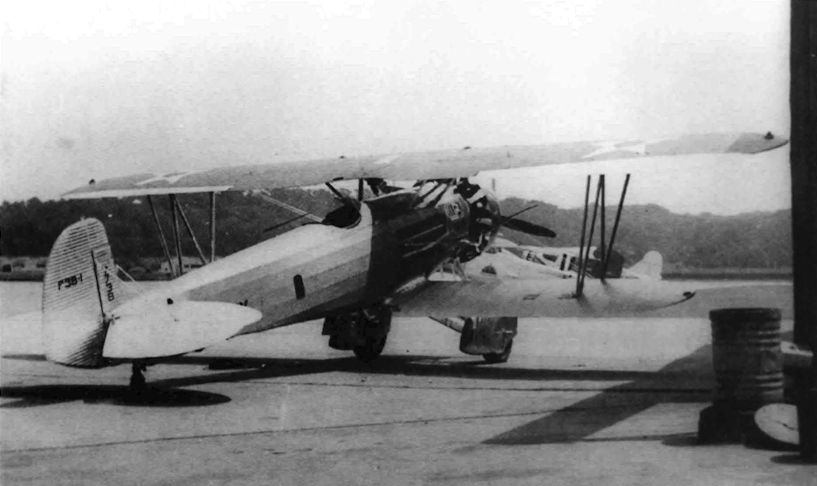
The Boeing F3B-1 was developed from the XF3B-1 which had not received a production order. It differed in many ways when it first flew on 3 February 1928 and 73 were built. 7738 was used by the CO of USS Lexington but is seen here while based at Anacostia to provide transport and refresher flying for desk-bound officers in Washington. The spats were not a standard fitting but were usually hand-made for 'executive' aircraft.
Самолёты на фотографии: Boeing F2B / F3B - США - 1926
-
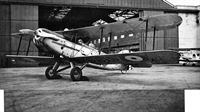
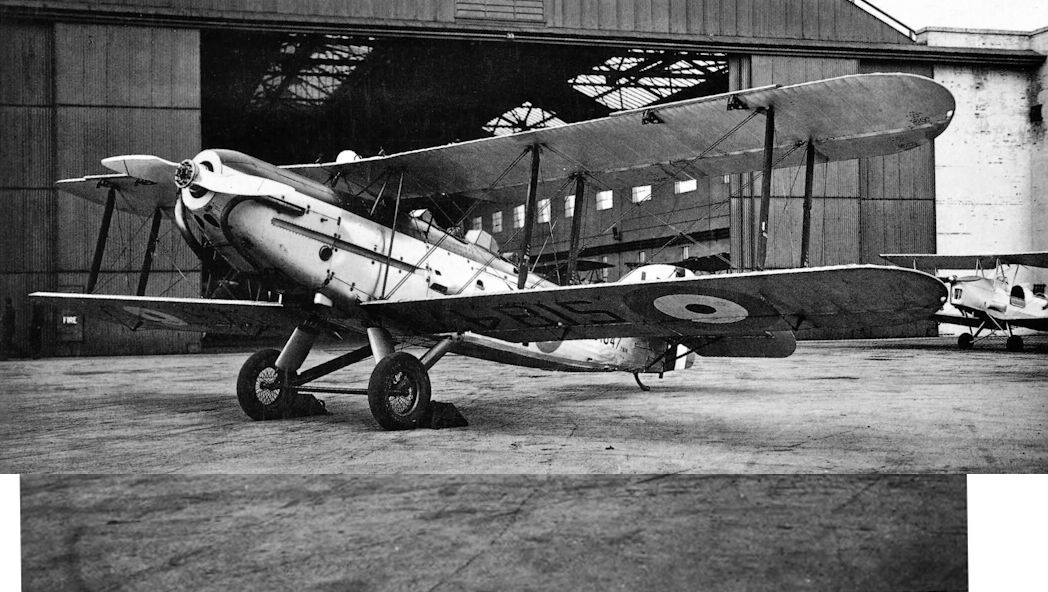
Регистрационный номер: S1847 Fairey IIIF Mk.III(DC) S1847 outside the Fairey hangar at Heath Row. The twin windscreens show it to be a two-seat trainer version. S1847 was delivered in November 1931 to RAF Base Leuchars, It was returned to Heath Row for fitment of blind flying hood and equipment then went to the A&AEE at Martlesham Heath for trials and spinning tests. It returned to Leuchars in September 1934 and remained there until it force-landed in a field. While being flown out, it hit a wall and crashed on 10 April 1937, being written off as beyond economic repair.
A catapult-capable Mk.IIIB(DC) dual-control trainer, S1847 was first issued to 'C' Flight at the RAF Training Base, Leuchars. The unit was later renamed 1 Flying Training School. By April 1, 1935 it was in use on the catapult installed at Leuchars. On August 6, 1937, S1847 was hit by 501 (County of Gloucester) Squadron Hawker Hart K3017 during a landing accident at Leuchars on August 6, 1937. Deemed beyond economical repair, S1847 was scrapped while K3017 survived to serve another day.Самолёты на фотографии: Fairey Fairey IIIF - Великобритания - 1926
-
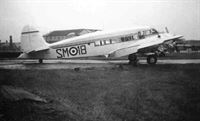
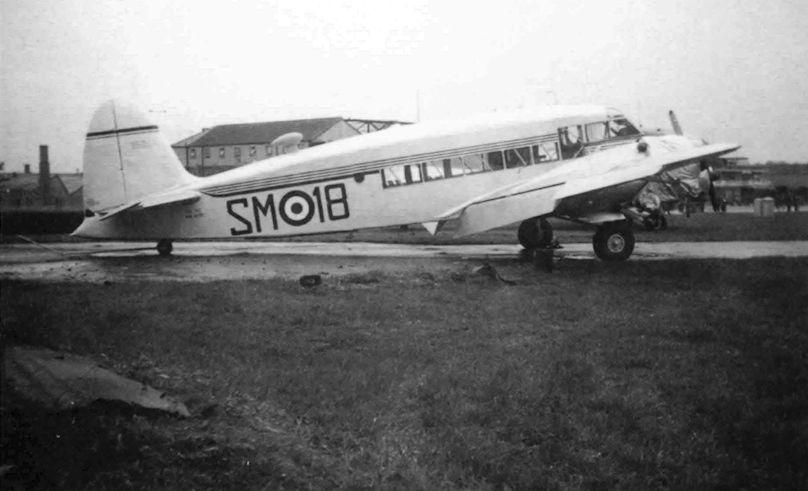
The SIAI-Marchetti S.M.102 was the Italian Air Force's equivalent of the Anson C.19. SM-18 was MM61791 and was used by the Air Attache at the Italian Embassy in London. First flown on 24 February 1949, the S.M.102 was an eight-seat light transport with two 500 hp Ranger engines. The production version for the Italian Air Force had 450 hp Pratt & Whitney R-985 Wasp Juniors and the first of these flew on 7 April 1950. We are not clear on how many were built but it was not a large number. SM-18 was based at Hendon and, later, Northolt.
Самолёты на фотографии: SIAI-Marchetti SM.102 - Италия - 1949
-
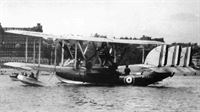
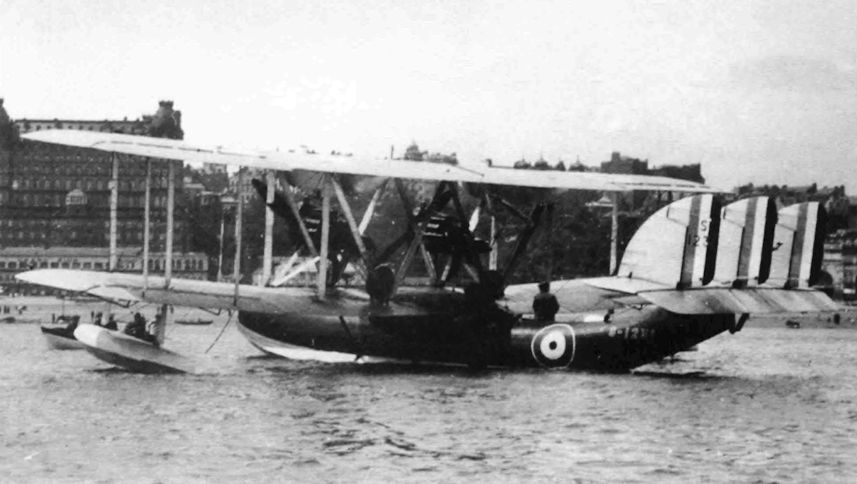
Регистрационный номер: S1231 Southampton II S1231 was delivered to No.201 Squadron in 1928 but soon was transferred to the Flying Boat Development Flight. Converted in 1930 to Mk.III standard it had a pair of Rolls Royce Kestrel II engines fitted and was used by the Marine Aircraft Experimental Establishment at Felixstowe. She is seen here moored off Brighton before conversion.
Самолёты на фотографии: Supermarine Southampton / Solent - Великобритания - 1925
-
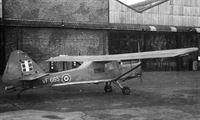
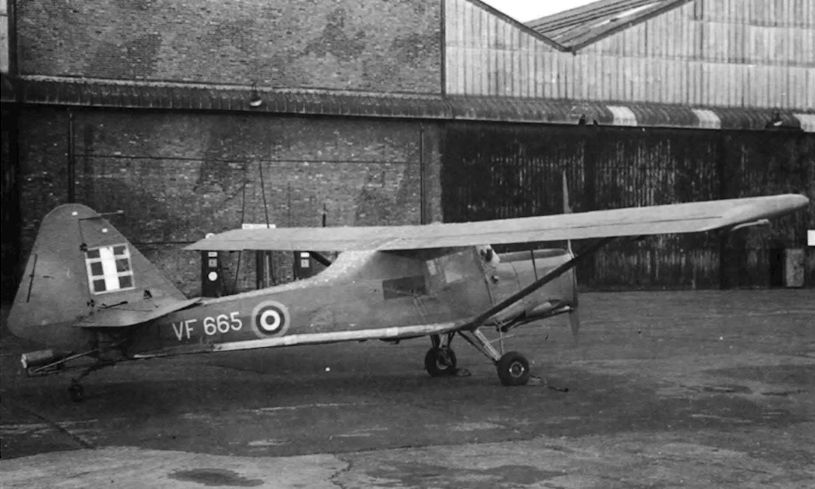
Регистрационный номер: VF665 Auster VF665 was the T.7 prototype but later went to Marshalls of Cambridge for conversion to their MA.4. It dived into the ground during slow speed trials 6 miles SE of Cambridge Airport on 8th March 1966. Note the anti-spin parachute container under rudder.
Самолёты на фотографии: Marshall MA-4 - Великобритания - 1966
-
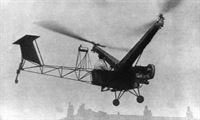
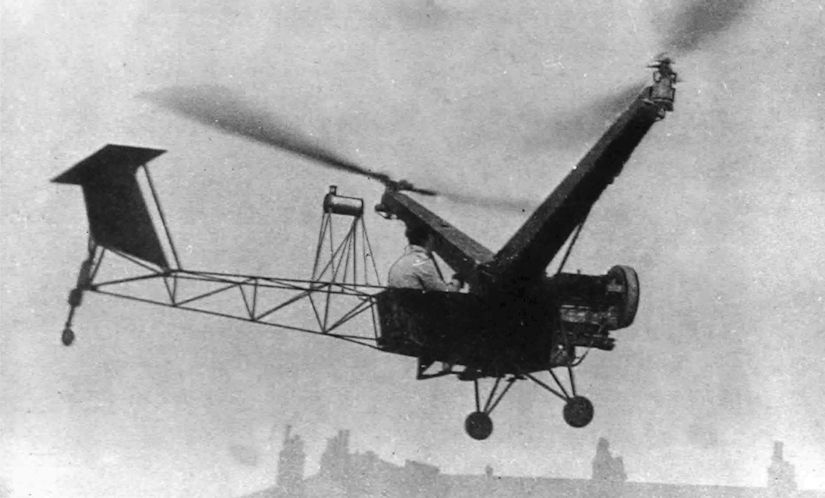
It is often forgotten that several helicopters were flying successfully before Sikorsky got his VS-300 off the ground. One was the Weir W-6 which made its first flight in October 1939, replacing the early W-5 of June 1938. The RAE reported in June 1940 that the W-6 was controllable even in gusty weather but Weir abandoned its aircraft programme in that month. The RAE's interest was a part of its helicopter wire barrage scheme.
Самолёты на фотографии: Weir W.5 - Великобритания - 1939