


Описание
 Wiki
Wiki 
Страна : Великобритания
Год : 1945
Двухмоторный гражданский транспортный самолет
Варианты
- Vickers - Viking / Valetta - 1945 - Великобритания
- Vickers - Viking Nene - 1948 - Великобритания
- Vickers - Varsity - 1949 - Великобритания
Vickers Type 491 Viking, Type 607 Valetta и Type 648 Varsity
Для восполнения образовавшегося после войны недостатка в гражданских авиалайнерах решено было использовать гражданский вариант самолета Wellington, который получил обозначение Type 491 VC1 (Vickers Commercial 1). Позже переименованный в Viking, он сочетал в себе отъемные части крыла с полотняной обшивкой, гондолы двигателей и шасси от Wellington с двигателями Bristol Hercules 130 мощностью по 1675 л.с. и новым фюзеляжем с работающей обшивкой. Самолет вмещал экипаж из трех человек, 21 пассажира и стюарда.
Опытный образец Viking был облетан 22 июня 1945 года, его сертификация завершилась 24 апреля 1946 года, а 1 сентября 1946 года авиакомпания BEA выполнила на новом самолете первый коммерческий рейс (маршрут Лондон - Копенгаген). Первым серийным вариантом стал Viking 1A, оснащенный двигателями Hercules 630 мощностью по 1690 л. с. (построено 19 самолетов), за которым последовал Viking 1 с работающей обшивкой крыла и хвостового оперения (31 самолет). Основной же серийной моделью стал Viking 1B, который был построен в количестве 113 машин и отличался удлиненной на 0,71 м носовой частью фюзеляжа. Вместимость самолета выросла до 24 пассажиров, а в более позднем варианте - до 36 человек. Кроме того, на самолете установили двигатели Hercules 634. До 1974 года, когда все Viking сняли с эксплуатации, данные машины обслуживали маршруты авиакомпаний в Африке, Аргентине, Дании, Ирландии, Франции, ФРГ, Индии, Ираке, Южной Родезии, Тринидаде и Великобритании.
Военный вариант Viking поступил на вооружение британских ВВС как Type 607 Valetta, он имел усиленный пол, большие створки грузовых люков и оснащался двигателями Hercules 230 мощностью 1975 л. с.
Всего построено более 250 Valetta, включая следующие модификации: Valetta C.Mk 1, использовавшийся как санитарный, грузовой, буксировщик планеров, для перевозки личного состава и снабжения; Valetta C.Mk 2 - вариант для VIP-персон на 9-15 пассажиров, а также учебно-тренировочный Valetta T.Mk 3 для подготовки штурманов.
<...>
ТАКТИКО-ТЕХНИЧЕСКИЕ ХАРАКТЕРИСТИКИ
Vickers Viking IB
Тип: двухмоторный гражданский транспортный самолет
Силовая установка: два звездообразных ПД Bristol Hercules 634 мощностью по 1690 л. с. (1260 кВт)
Летные характеристики: максимальная крейсерская скорость на высоте 1830 м - 338 км/ч; практический потолок 7240 м; дальность полета с максимальной нагрузкой 837 км
Масса: пустого 10 546 кг; максимальная взлетная 15 354 кг
Размеры: размах крыла 27,20 м; длина 19,86 м; высота 5,94 м; площадь крыла 81,94 м2
- Описание
Фотографии

-

Мировая Авиация 249
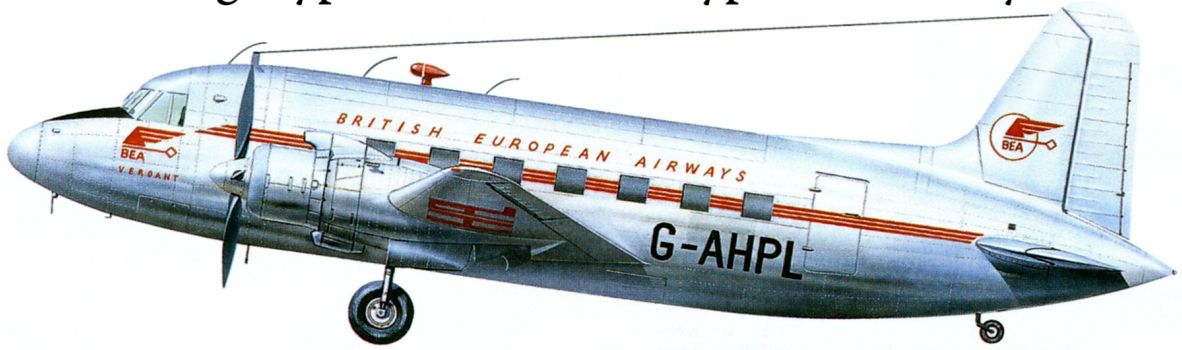
Регистрационный номер: G-AHPL В авиакомпании BEA данный Viking 610 G-AHPL получил название «Verdant». Свои Viking компания заменила в 1954 году, на тот момент они перевезли 3 млн пассажиров.
-
Air Enthusiast 1972-10 / ??? - The 40-year-old newcomer: British Caledonian Airways
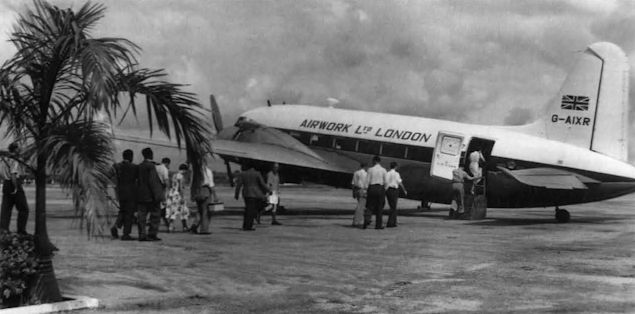
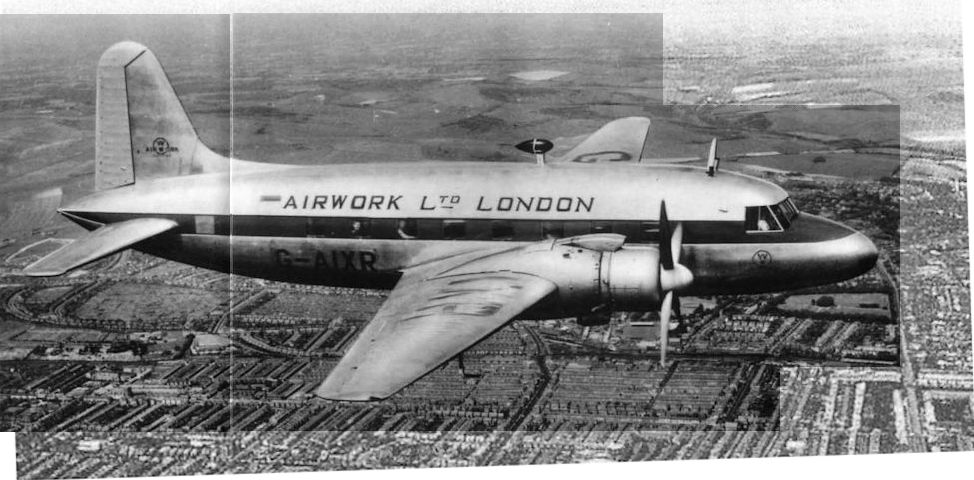
Регистрационный номер: G-AIXR [3] Viking IB G-AIXR was one of the later additions to the fleet of Airwork, which acquired some earlier Viking Is for its first post-war airline operations.

-

Aviation Historian 34 / R.Pegram - BOAC & the Brabazon committee
Vickers ultimately sidestepped the Geosteel concept intended for the Warwick Continental and opted instead for the much more conventional VC1, which became the Viking, as seen here. It was initially fitted with fabric-clad wings and tail, but later production aircraft had metal wings and empennages. Some 168 were built.
-

Aviation Historian 39 / L.Hellstrom - Air Sud Kasai. The National Airline That Never Was
Регистрационный номер: G-AHPG [4], VP-YHJ [4], ZS-DDO [4] -
Aeroplane Monthly 2000-04 / 2000 Airshows & Museums Guide
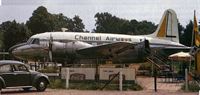
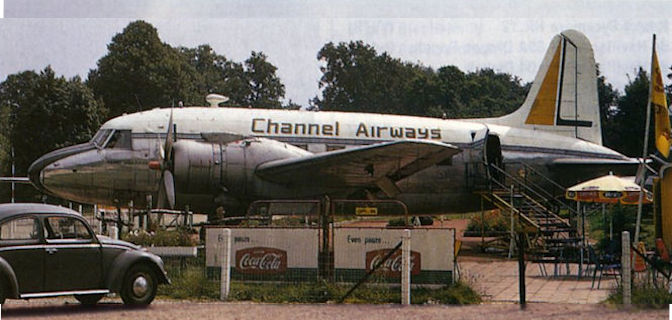
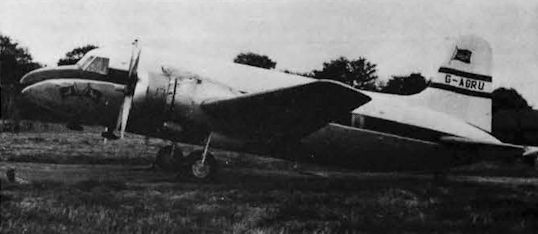
Регистрационный номер: G-AGRU [5] Vickers Viking G-AGRU, now preserved at the Brooklands Museum, was one of three used as a restaurant at Soesterberg in the Netherlands in 1968.
-
Aeroplane Monthly 1999-05 / N.Lees - Travelling in style /Post-war civil/
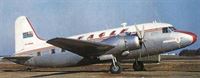
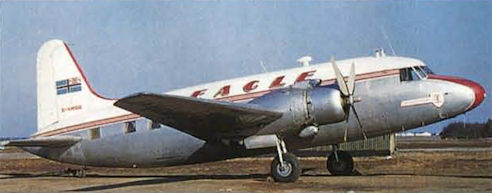
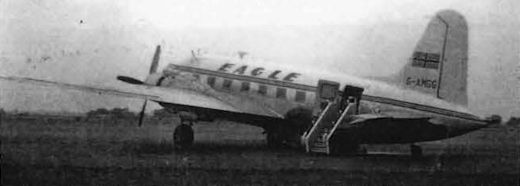
Регистрационный номер: G-AMGG [2], ZS-BNE [2] Eagle’s original colour scheme on Viking G-AMGG Sir Robert Calder at Blackbushe. Originally ZS-BNE, the first of eight supplied to South African Airways, it was delivered to Eagle in April 1955 and was written off at Agadir on December 12, 1959.
-
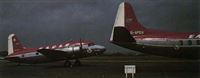
Aeroplane Monthly 1999-05 / N.Lees - Travelling in style /Post-war civil/
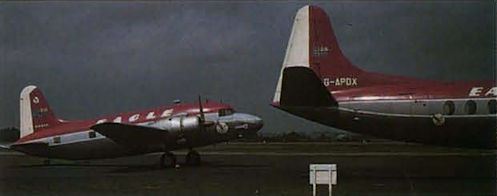
Регистрационный номер: G-AGRS, VP-TAV The ultimate Eagle scheme of maroon, grey white and silver seen on Viking G-AGRS and Viscount G-APDX at Blackbushe on July 13, 1958. Delivered in May 1957, the Viking was sold in August 1959 as VP-TAV and scrapped in May 1963.
Другие самолёты на фотографии: Vickers Viscount - Великобритания - 1948
-
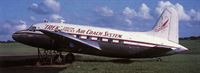
Aeroplane Monthly 2000-12 / M.Hooks - Archive Photographs. Croydon Colour /Early colour photography/
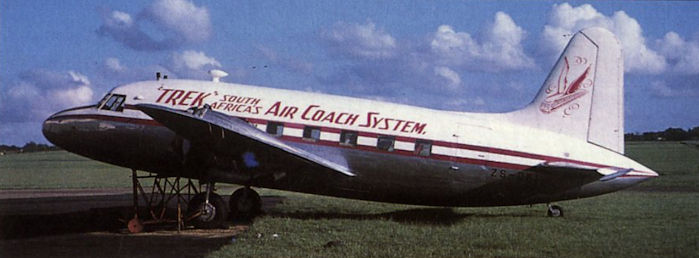
Регистрационный номер: ZS-DKI, G-AHOW Vickers Vikings were a rarity at Croydon, so it was interesting to see Trek-Air’s ZS-DKI (ex G-AHOW) on June 7, 1955. The reason for the missing port engine is not known.
-

Air Enthusiast 1995-09 / ??? - Flixton Pictorial
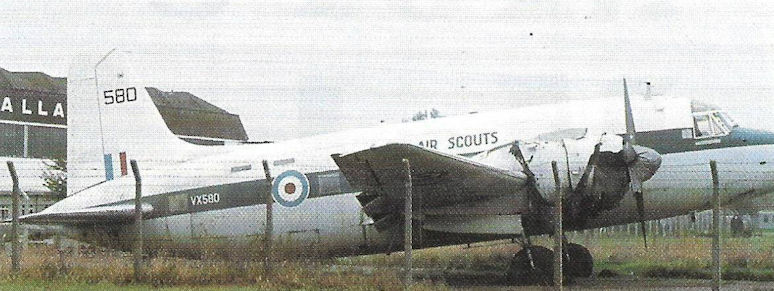
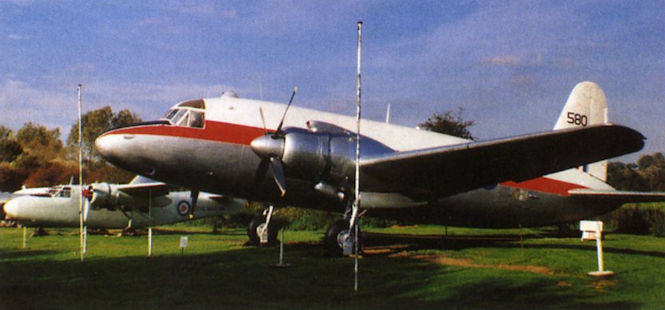
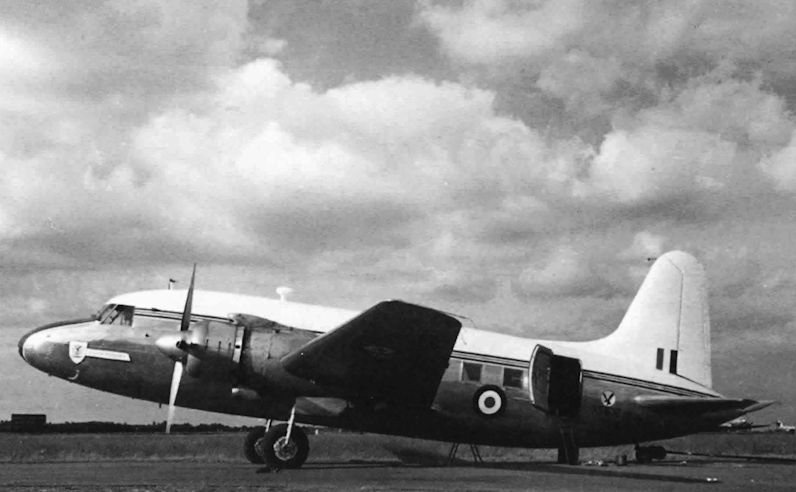
Регистрационный номер: VX580 [3] Largest exhibit at N&S is Vickers Valetta C2 VX580 which was built at Weybridge and was first flown on February 1, 1950. It worked hard throughout its RAF career serving in turn with: Handling Squadron during 1950; Malta Communications Squadron from 1953; 114 Squadron at Kabrit from 1954; Aden Communications Flight 1955; Middle East Communications Squadron, Nicosia, 1955; Metropolitan Communications Squadron, Northolt, 1961-68. During this period it had a series of spells in storage, plus refits and repairs. Presented to the Norfolk Air Scouts, it was flown from Coltishall to Norwich Airport on December 12, 1968. (Illustrated there in October 1977.)
-
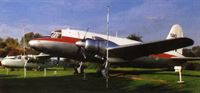
Aeroplane Monthly 2001-04 / Airshows & Museums Guide
Регистрационный номер: VX580 [3] The Norfolk & Suffolk Aviation Museum exhibits this nicely preserved Vickers Valetta, VX580. In the background is Hunting Percival Sea Prince WF128.
Другие самолёты на фотографии: Percival Pembroke / Sea Prince / P.66 - Великобритания - 1952
-

Air Enthusiast 1995-09 / ??? - Flixton Pictorial
Established in 1974, the Norfolk & Suffolk (N&S) Aviation Museum can be found at Flixton, Suffolk, near Bungay. It is located but a short distance from the former Bungay (Flixton) aerodrome which was home to the B-24 Liberators of the 446th Bomb Group. Following steady expansion, the museum moved to its present location in 1990. Part of the extensive site includes a Nissen-hut devoted to the life and times of the 446th. A large ‘half-round’ display hangar (centre) has been established and there is a large aircraft park. (The Valetta, right, was undergoing a repaint; the dark colour on the under surfaces being a primer coat.)


-
Мировая Авиация 65
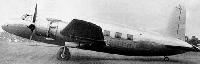
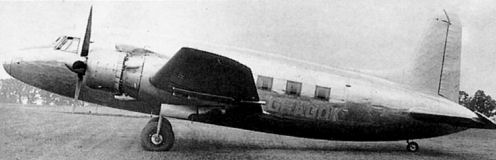
Регистрационный номер: G-AGOK 22 июня 1945г.: первый полет в Уизли, графство Сюррей, прототипа Vickers VC1 Viking (G-AGOK), в конструкции которого использовали хвостовое оперение самолета Warwick V и крыло от Wellington
-

Jane's All the World Aircraft 1946 / 03 - All the world's aeroplanes
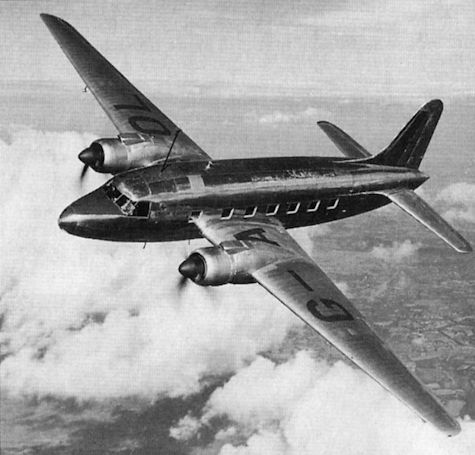
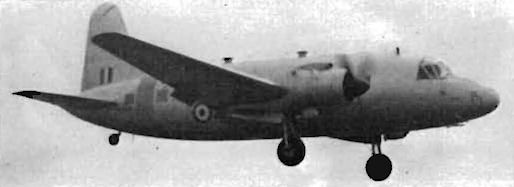
The Vickers-Armstrong V.C.1 Viking Transport Monoplane (two 1,675 h.p. Bristol Hercules 130 engines).
-

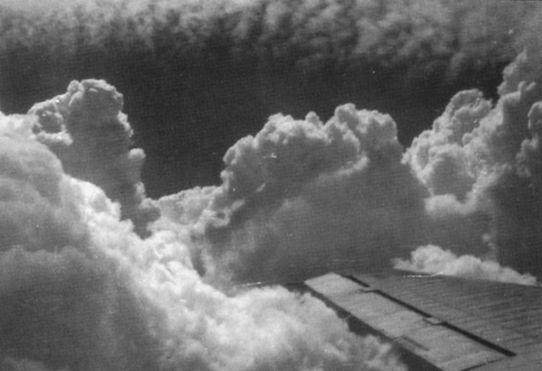
Aeroplane Monthly 1974-12 / C.Sims - Camera in cloudscape
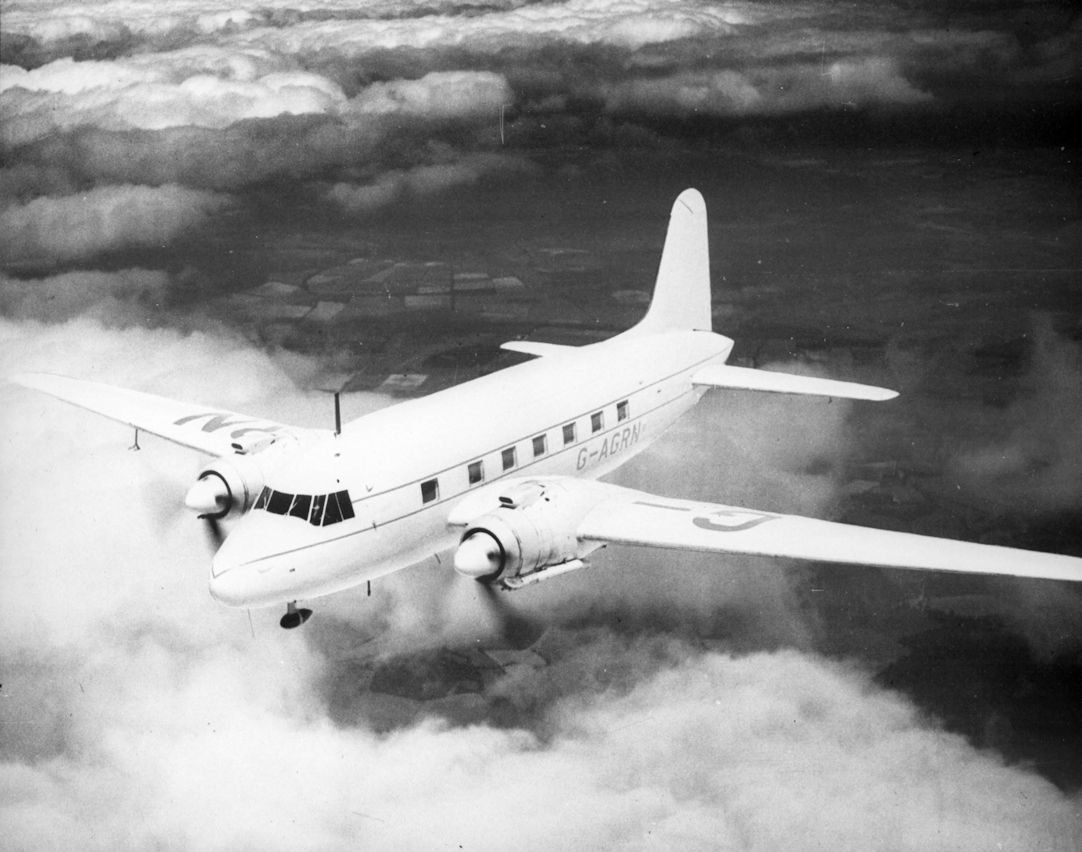
Регистрационный номер: G-AGRN, VW216 Vickers Viking 1A G-AGRN, photographed by the author from a Wellington rear turret in 1946. This aircraft later went to the RAF as VW216.
-

Jane's All the World Aircraft 1946 / 03 - All the world's aeroplanes
The Vickers-Armstrong V.C.1 Viking Transport Monoplane (two 1,675 h.p. Bristol Hercules 130 engines).
-
Air-Britain Archive 2003-04 / Casualty Compendium (91)
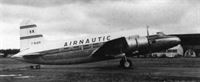
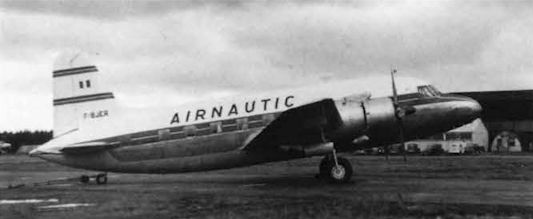
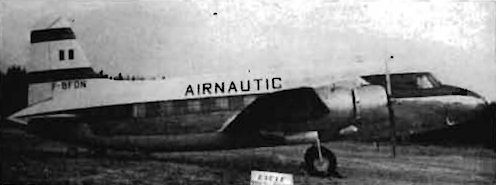
Регистрационный номер: F-BJER Airnautic's Viking Freighter F-BJER c/n 216 crashed in the Pyrenees 12.9.63 en route from Gatwick to Perpignan.
12.9.63 Viking 1B F-BJER c/n 216 of Airnautic, on charter flight from Gatwick to Perpignan with Capt Max Dunoyer, 3 crew and 36 passengers crashed in Pyrenees on 5,400 ft Pic de la Roquette near Prades in appalling weather conditions and burnt out. Site was 20 miles off track and aircraft had already passed Perpignan. Departure was 11.9.63 and crash at 2310 (GMT?) - which would be 0010 local on 12th. -

Air Pictorial 1958-08 / Register Review / Airport Visitors
Регистрационный номер: F-BFDN [2], G-AJBW [2] The first Viking ever to carry French civil marks, F-BFDN ex G-AJBW, appeared at Blackbushe during the month.
-

Air Enthusiast 2003-03 / Round-Out
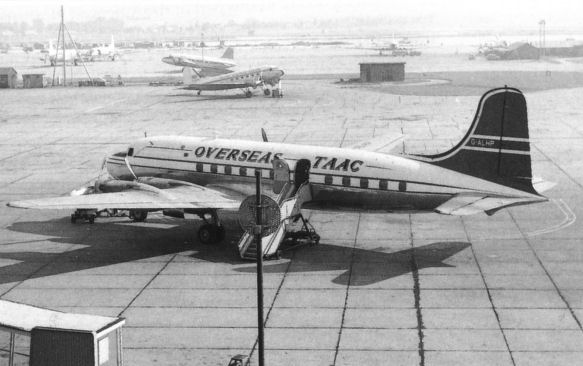
Also at Heathrow, Overseas Aviation's G-ALHP, in August 1961. Among the aircraft behind are BEA 'Pionair'-class Douglas Dakota G-AHCX and an Air Safaris Vickers Viking.
Другие самолёты на фотографии: Canadair CL-2 / CL-4 Argonaut - Канада - 1946Douglas DC-3 / C-47 Skytrain/С-53 Skytrooper / Dakota - США - 1935
-

Aviation Historian 24 / N.Stroud - Vikings in Africa /The John Stroud Archive/
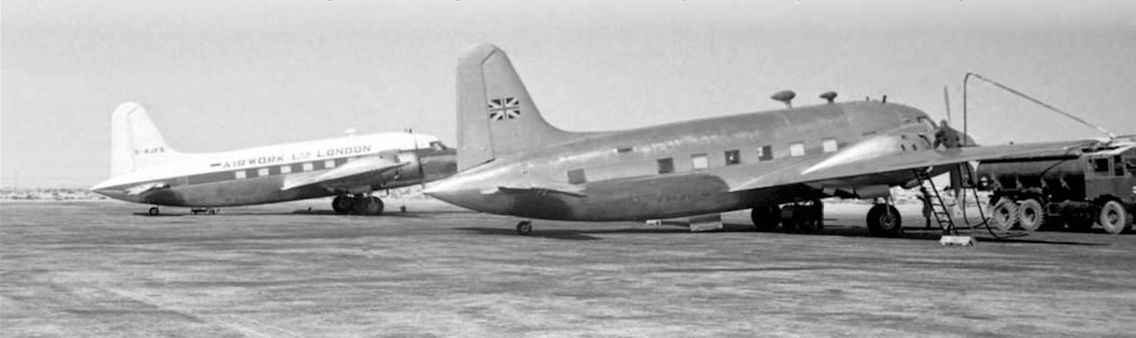
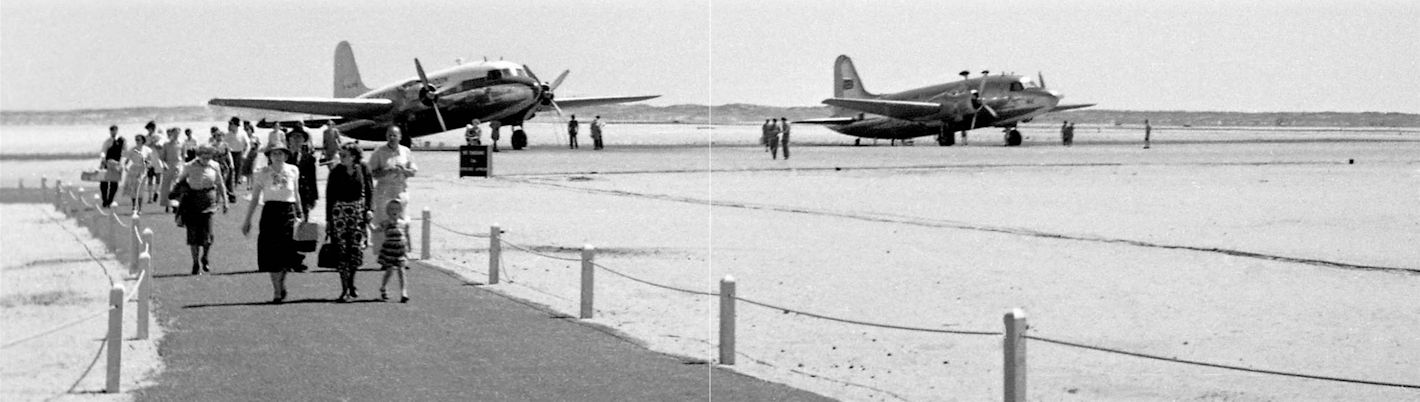
Регистрационный номер: G-AHPJ [3], G-AJFS [6] Hunting’s Viking 1, G-AHPJ, joined G-AJFS (c/n 147) at Luqa, the two continuing together for the rest of the outbound flight to Nairobi, although they only flew together for the inaugural service. The Hunting machine had the distinction of being the first Viking to be delivered to an independent UK operator, back in May 1947.
-
Aeroplane Monthly 1999-10 / D.Lang - All-Weather Mac /Masters of the air/ (2)
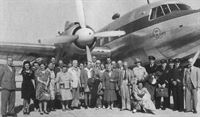
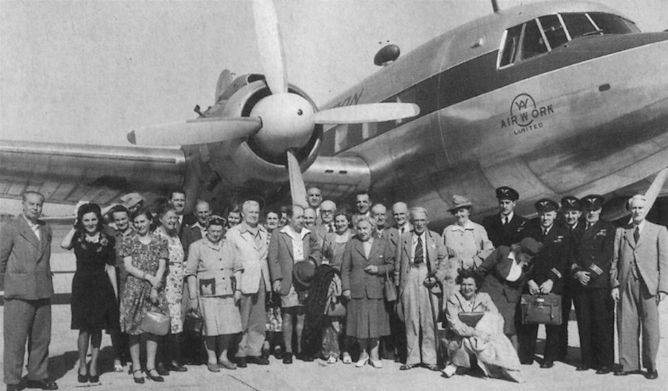
Mac, second from right, with his passengers and crew in 1948 in front of an Airwork Viking. He wrote on the back of this photograph “Just arrived at Cape Town on Airwork’s first Polytechnic Travel tour of East, Central and South Africa”.
-

Aviation Historian 24 / N.Stroud - Vikings in Africa /The John Stroud Archive/
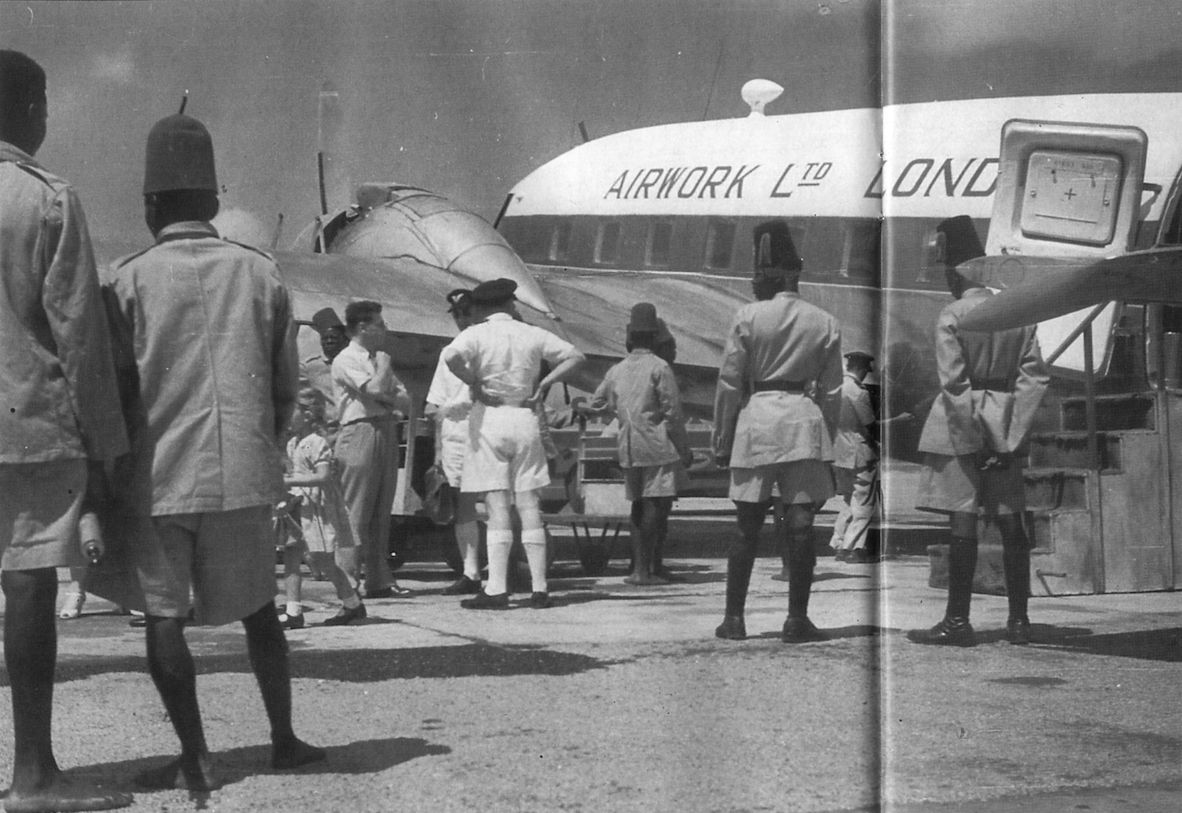
The two Vikings at Wadi Haifa on the outward journey. The airport is about eight miles (14km) east of the town and only accessible by means of a dusty track. Wadi Haifa was of particular interest to John, as his childhood hero, Sir Alan Cobham, had stopped there during his pioneering survey flight to Cape Town in South Africa for Imperial Airways in 1925.
-

Aviation Historian 24 / N.Stroud - Vikings in Africa /The John Stroud Archive/
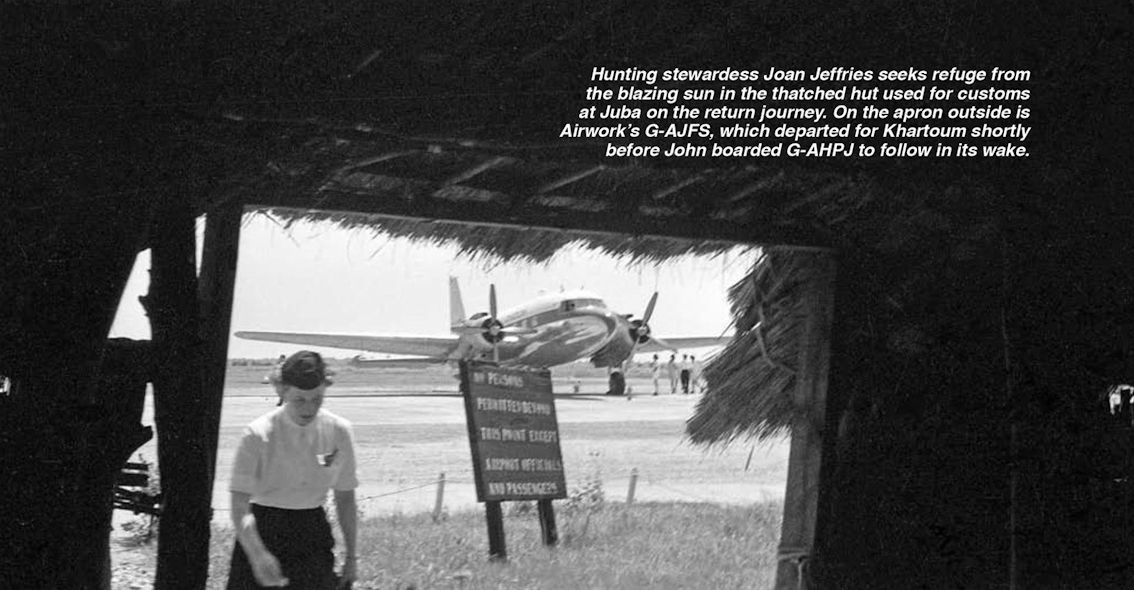
Регистрационный номер: G-AJFS [6] Hunting stewardess Joan Jeffries seeks refuge from the blazing sun in the thatched hut used for customs at Juba on the return journey. On the apron outside is Airwork’s G-AJFS, which departed for Khartoum shortly before John boarded G-AHPJ to follow in its wake.
-

Aviation Historian 24 / N.Stroud - Vikings in Africa /The John Stroud Archive/
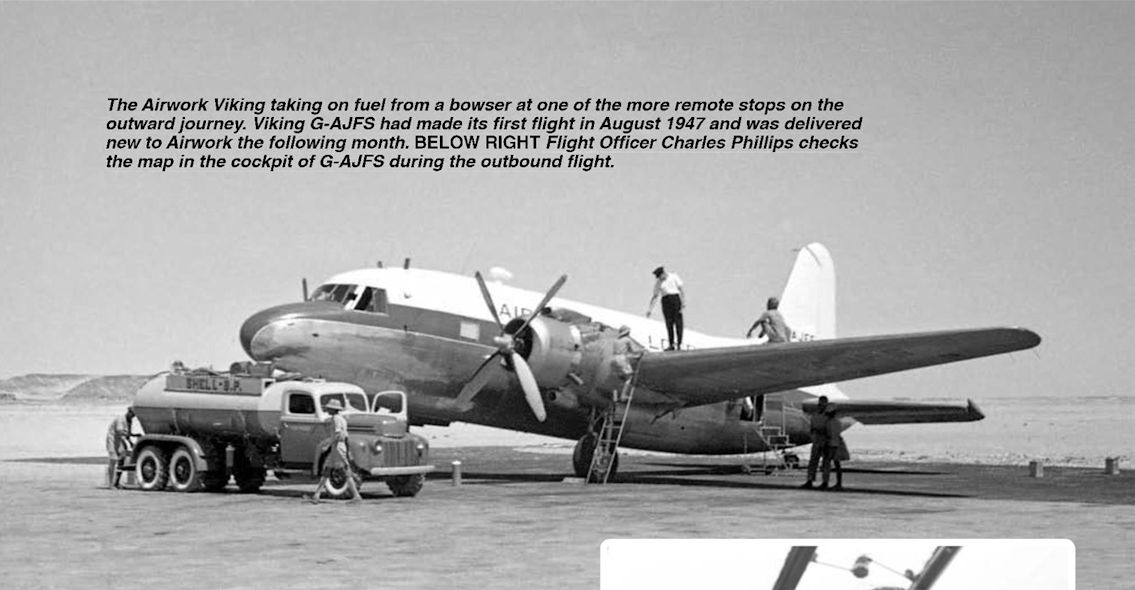
Регистрационный номер: G-AJFS [6] The Airwork Viking taking on fuel from a bowser at one of the more remote stops on the outward journey. Viking G-AJFS had made its first flight in August 1947 and was delivered new to Airwork the following month.
-
Aeroplane Monthly 1999-05 / N.Lees - Travelling in style /Post-war civil/
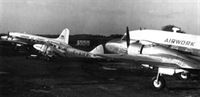
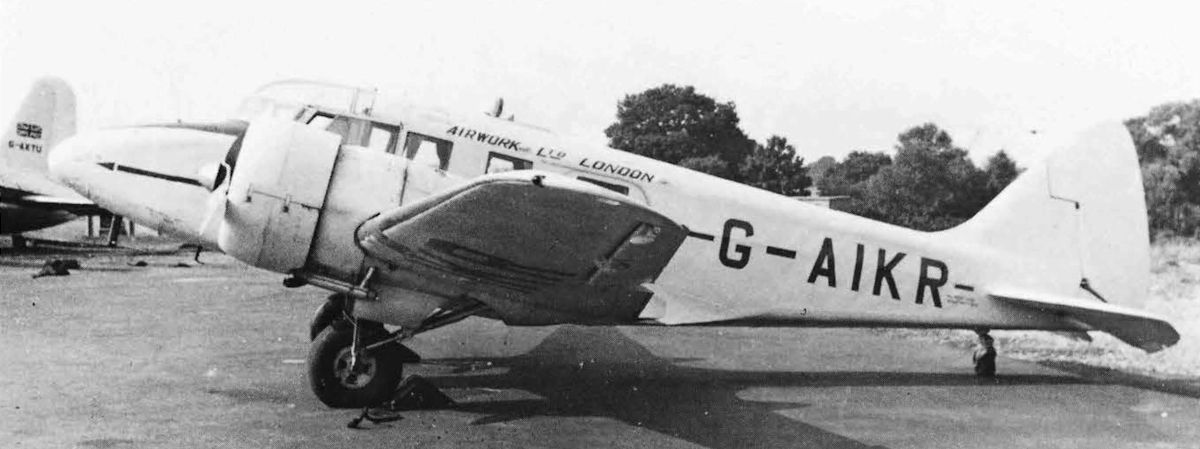
Регистрационный номер: G-AJFT An Airwork line-up at Blackbushe with G-AIKR, one of the company’s Consuls used for training, sandwiched between two Vikings. The Consul is preserved at Canada’s National Aviation Museum at Rockcliffe, Ontario, while Viking G-AJFT, acquired in October 1947, was sold in March 1960 and eventually scrapped in September 1963.
Другие самолёты на фотографии: Airspeed Consul / AS.65 - Великобритания - 1949
-
Air-Britain Archive 1987-02 / 2 - Airspeed Oxford & Consul /'Civvie street'/ (1)
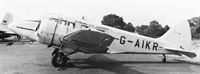
Регистрационный номер: G-AKTU G-AIKR in Airwork titles, date and location unknown, though the Viking G-AKTU behind was also operated by Airwork in the fifties.
Другие самолёты на фотографии: Airspeed Consul / AS.65 - Великобритания - 1949
-
Aeroplane Monthly 1999-06 / J.Stroud - A million miles flown /A lifetime of flying/
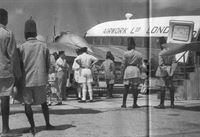
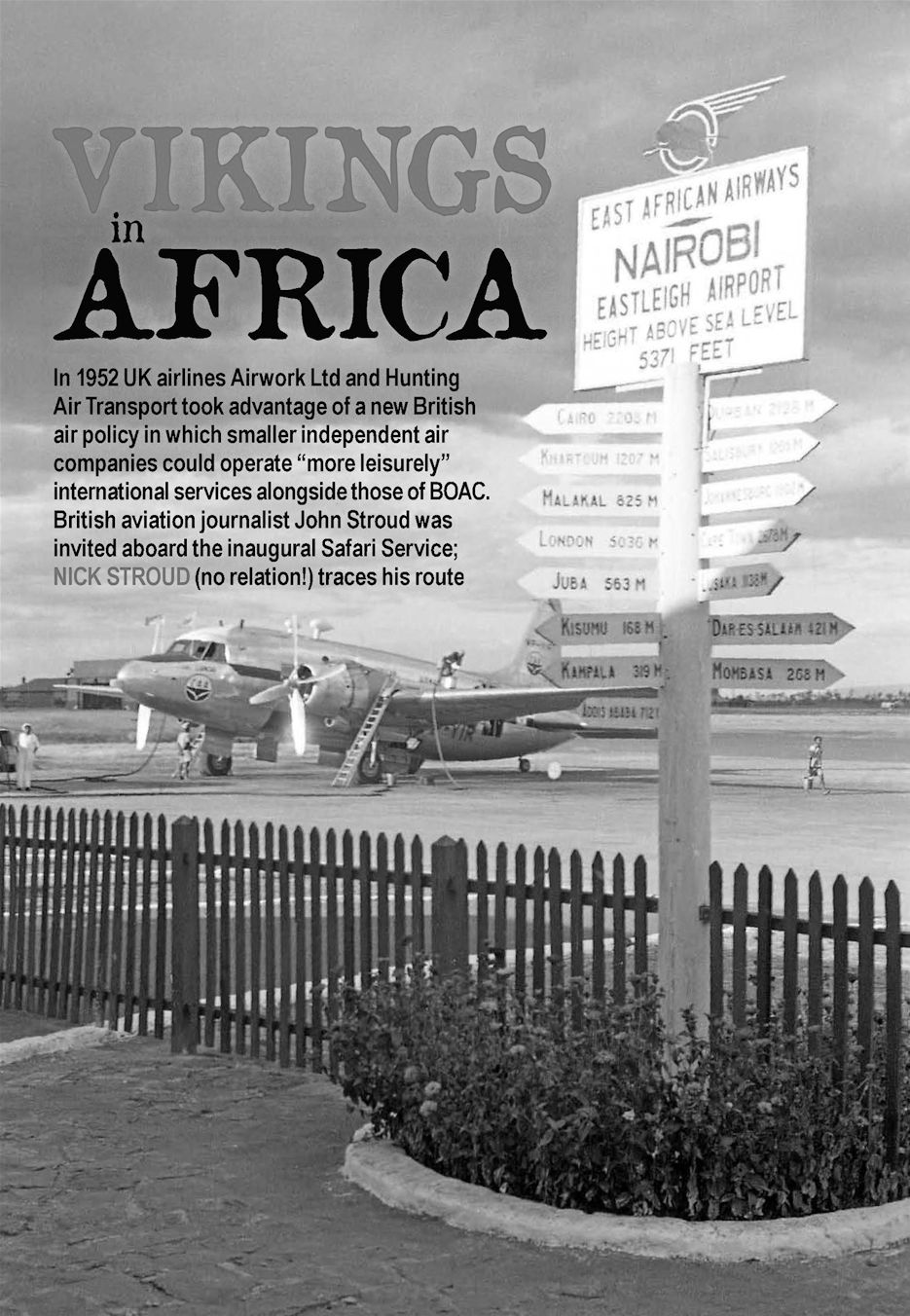
Регистрационный номер: G-AJFS [6] Airwork Vickers Viking G-AJFS during a refuelling stop at Entebbe, Uganda, in June 1952. The Viking, with Hunting Air Transport’s G-AHPJ, was operating the inaugural London-Nairobi low-fare Safari Colonial Coach service, which took three days.
-
Aeroplane Monthly 1999-05 / N.Lees - Travelling in style /Post-war civil/
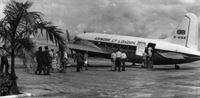
Регистрационный номер: G-AIXR [3] Airwork Viking G-AIXR on the company’s Colonial Coach service to East Africa; this served Nairobi, Salisbury and Accra. Note the revised colour scheme compared with the earlier airborne photograph of this aircraft.
-

Aviation Historian 24 / N.Stroud - Vikings in Africa /The John Stroud Archive/
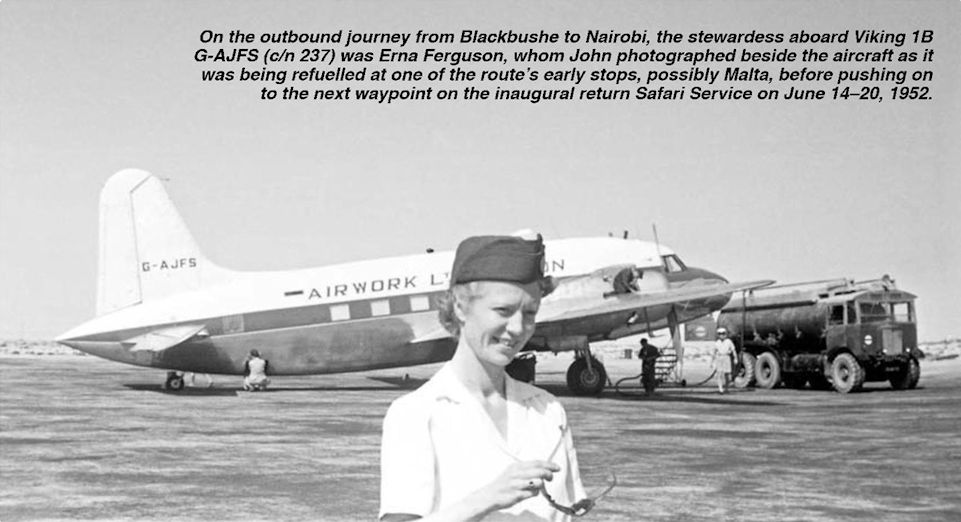
Регистрационный номер: G-AJFS [6] On the outbound journey from Blackbushe to Nairobi, the stewardess aboard Viking 1B G-AJFS (c/n 237) was Ema Ferguson, whom John photographed beside the aircraft as it was being refuelled at one of the route’s early stops, possibly Malta, before pushing on to the next waypoint on the inaugural return Safari Service on June 14-20, 1952.
-
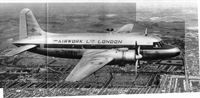
Aeroplane Monthly 1999-05 / N.Lees - Travelling in style /Post-war civil/
Регистрационный номер: G-AIXR [3] Airwork handed their passengers publicity photographs of the type of aircraft in which they were flying, in this case a Vickers Viking IB. A fast exposure “froze” the propellers - the Viking was hardly a glider! This Viking, G-AIXR, was finally withdrawn from use in September 1963.
Airwork Viking IB G-AIXR, in which the Author (N.Lees) flew from and to Malta. It served Airwork from new in April 1947 until April 1959 when it joined Tradair and later Channel Airways. It was scrapped in 1963 at Southend. -
-01-2-2.jpg)
Мировая Авиация 79
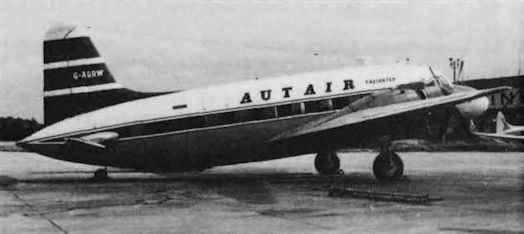
Регистрационный номер: G-AHOY Снятые с эксплуатации в BEA самолеты Viking были проданы небольшим британским авиаперевозчикам. Например, изображенный здесь G-AHOY принадлежал "Hunting", "Eagle", "Pegasus", "Autair" (на снимке), "Claydon Aviation" и "Invicta".
-
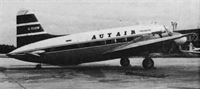
Air-Britain Archive 1983-04 / U.K. C of A Applications (16)
Регистрационный номер: G-AGRW [2] Both the Vikings ended their days in the "Avio Resto" coffee bar at Soesterberg in Holland. In happier G-AGRW (shown) served with Autair in the sixties and is seen here at Luton
-
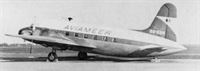
Air-Britain Archive 1982-01 / Belgium (OO-) /Complete Civil Registers/ (1)
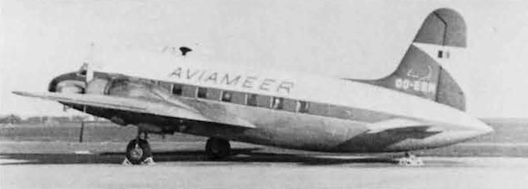
Регистрационный номер: OO-EEN The only Vickers Viking registered in Belgium, OO-EEN (1187) of Aviameer.
-
-01-1-1.jpg)
Мировая Авиация 79
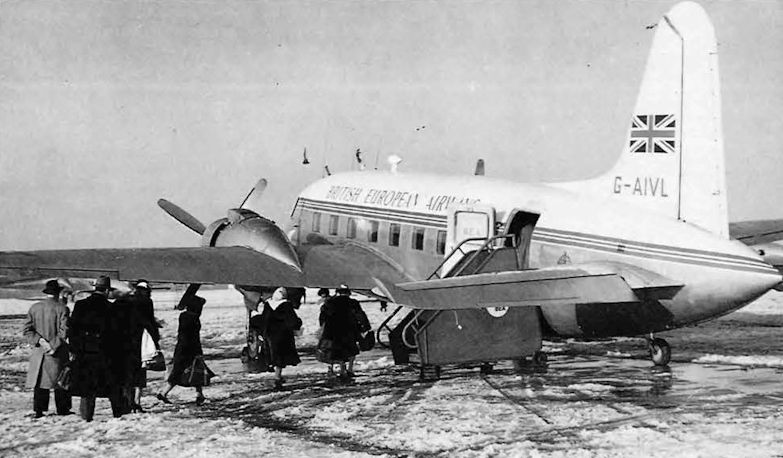
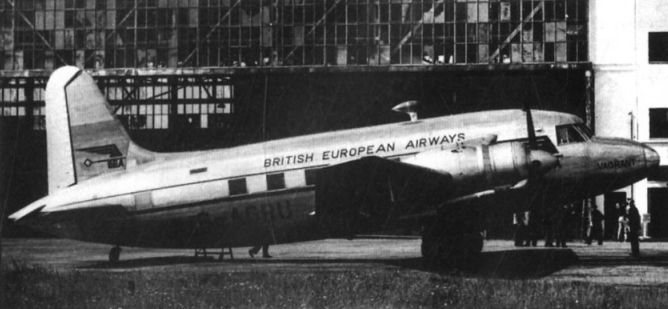
Регистрационный номер: G-AJBR Наиболее активно Viking эксплуатировала авиакомпания "British European Airways", заменившая им свои Douglas DC-3.
-
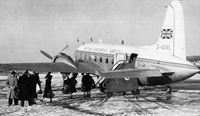
Air-Britain Archive 1993-03 / Casualty Compendium (50)
Регистрационный номер: G-AIVL BEA Viking IB G-AIVL "Vigilant" at Northolt for the 11am flight to Paris on an earlier occasion to that on 13.4.50 when an on-board bomb blew a large hole in one side of the fuselage and a smaller one in the other side, which the aircraft nevertheless survived.
-
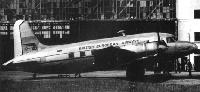
Aeroplane Monthly 1986-01 / 1986 UK Aircraft Collections and Museums Guide
Регистрационный номер: G-AGRU [5] Vickers Viking G-AGRU in BEA livery.
-
-01-1-2.jpg)
Мировая Авиация 79
Регистрационный номер: VP-TAT [3], G-AHOS [3] "British West Indian Airways" эксплуатировала восемь Viking Mk 1, имевших крыло с работающей обшивкой. Данный самолет позже эксплуатировался британской "Eagle Aviation".
-
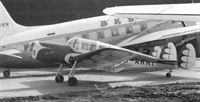
Air-Britain Archive 2002-02 / P.Amos - The Miles M.38 Messenger /The Whole Truth/ (8)
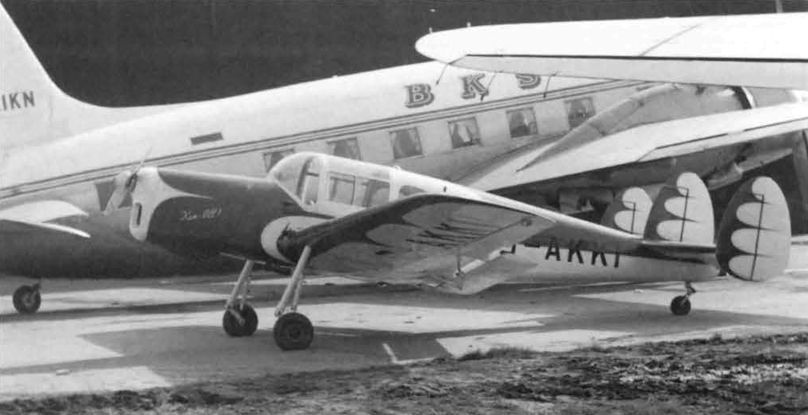
Регистрационный номер: G-AIKN Something of a nostalgia trip for readers with a Southend past. Messenger G-AKKI c/n 6713 with the inscription '"Kin Ell!" on the cowling is parked next to Viking 1B G-AIKN which was acguired by BKS at the end of 1955. G-AKKI was destroyed in a collision with Auster 5 G-APAH on 16.3.58 from which the Auster landed safely. The Viking went to the fire service in 11.65.
Другие самолёты на фотографии: Miles Messenger M.38 / M.48 - Великобритания - 1942
-

Jane's All the World Aircraft 1947 / All the world's aeroplanes
Регистрационный номер: VP-YEW A Vickers-Armstrongs Viking IB Airliner of Central African Airways.
-
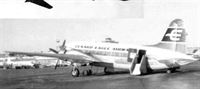
Air-Britain Archive 2002-01 / Casualty Compendium (84)
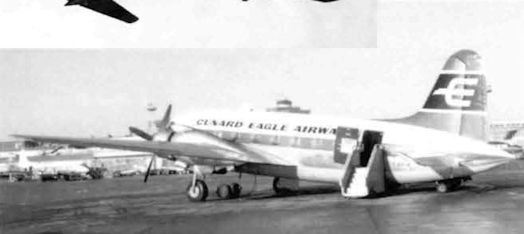
Регистрационный номер: G-AHPM [2], XF632 [2] Cunard Eagle Viking G-AHPM which crashed near Stavanger on 9.8.61.
9.8.61 Cunard Eagle Airways Viking G-AHPM c/n 152 crashed on Mt Holteheia 21 miles north east of Stavanger Airport, Norway in heavy rain and high winds at C1725 local. No survivors from Capt Philip G Watts, 2 crew, 34 boys and 2 teachers from Lanfranc School, Croydon. -
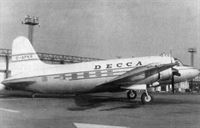
Aeroplane Monthly 2000-12 / M.Dible - Flying the Decca Ambassador /Radar demonstrator/
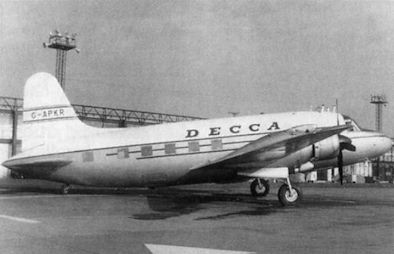
Регистрационный номер: G-APKR, VW802 The successor to the Avro Nineteen, Vickers Valetta G-APKR, had previously seen RAF service as VW802. The author was aboard when it ended its career in a groundloop at Gatwick following an undercarriage collapse.
-

Aeroplane Monthly 1985-02 / Personal album
Регистрационный номер: G-AJCD, XF633, XG350 Eagle Airways’ Vickers Viking G-AJCD at Luqa in March 1961. Initially operated by BEA and named Vizor, later re-named Lord Barnham, this Viking was purchased by Eagle in October 1954. It was later used for trooping flights, as XF633 and then XG350.
-

Air-Britain Archive 1997-04 / Casualty Compendium (67)
Регистрационный номер: G-AMGI [2] Vickers Viking G-AMGI was a survivor of the tyre-burst accident of 8.1.56 and is seen here still in service with Eagle two years later in an atmospheric view of Heathrow by night in May 1958.
-
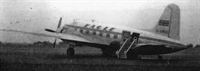
Air-Britain Archive 2000-04 / Casualty Compendium (79)
Регистрационный номер: G-AMGG [2], ZS-BNE [2] Viking IB G-AMGG c/n 290 which came to grief at Agadir 22.12.59 after a tyre burst on landing, was originally ZS-BNE "Simonsberg" of South African AAA/, then "Sir Robert Calder" of BEA before being acquired by Eagle in 8.55.
-
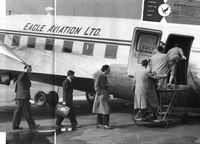
Aeroplane Monthly 1999-05 / N.Lees - Travelling in style /Post-war civil/
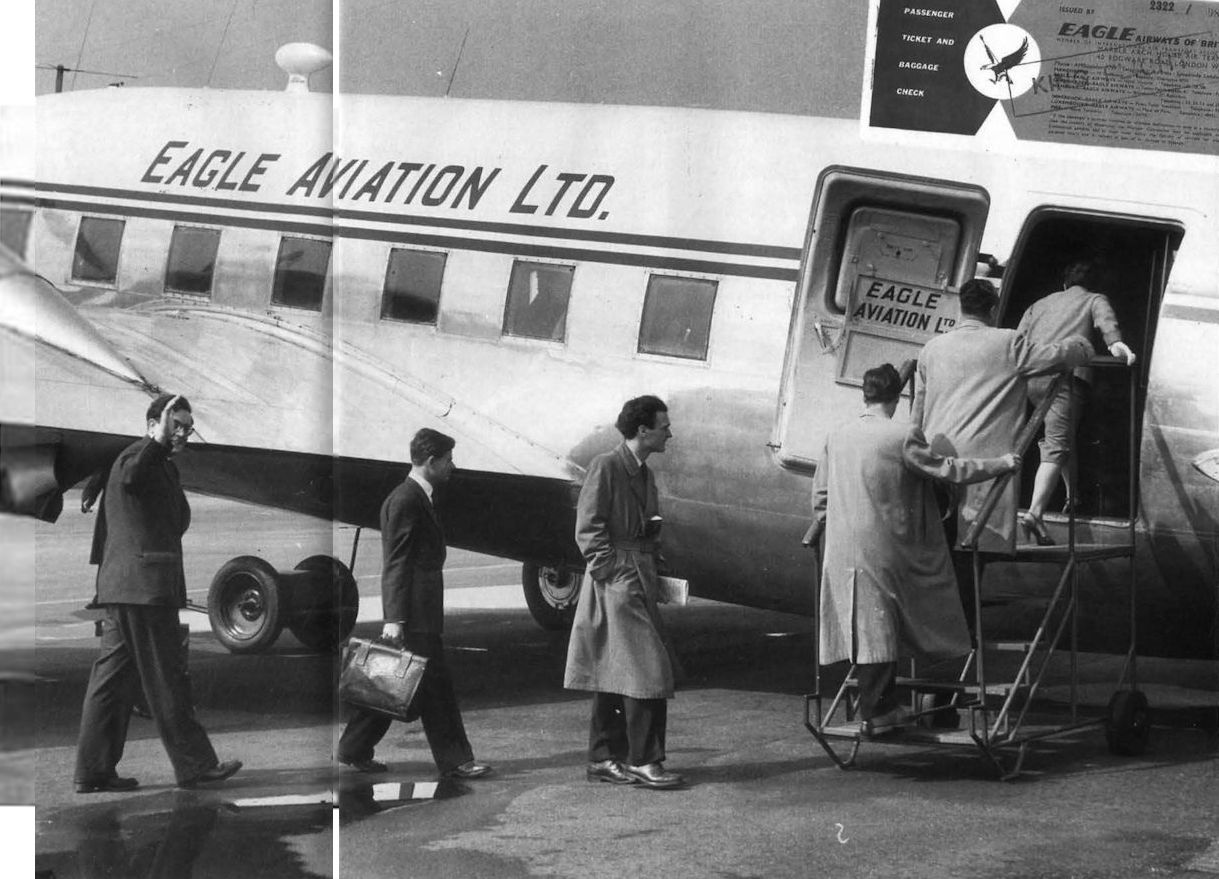
Passengers boarding an Eagle Aviation Vickers Viking.
-
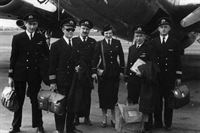
Aeroplane Monthly 1999-05 / N.Lees - Travelling in style /Post-war civil/
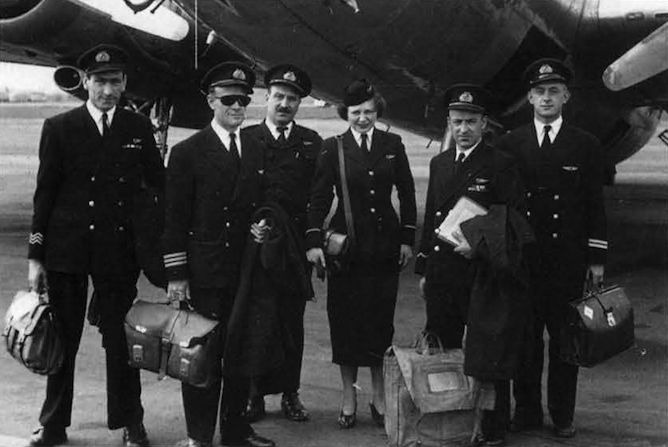
Регистрационный номер: G-AKBH, F-BJRS An Eagle Viking crew of June 1953, back at Blackbushe from the company’s inaugural flight to Belgrade via Munich. The aircraft, G-AKBH Sir Henry Morgan, was sold to France in April 1961 as F-BJRS.
-
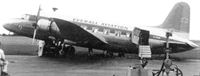
Air-Britain Archive 2001-02 / Casualty Compendium (81)
Регистрационный номер: G-AMNK The Viking G-AMNK of Don Everall Aviation seen in passenger configuration - possibly at Blackbushe? It was operating as a freighter when it was lost at sea after take-off from Heraklion, Crete on 24.8.60.
-
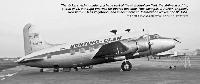
Aviation Historian 6 / A.Waller - A Flying Safari
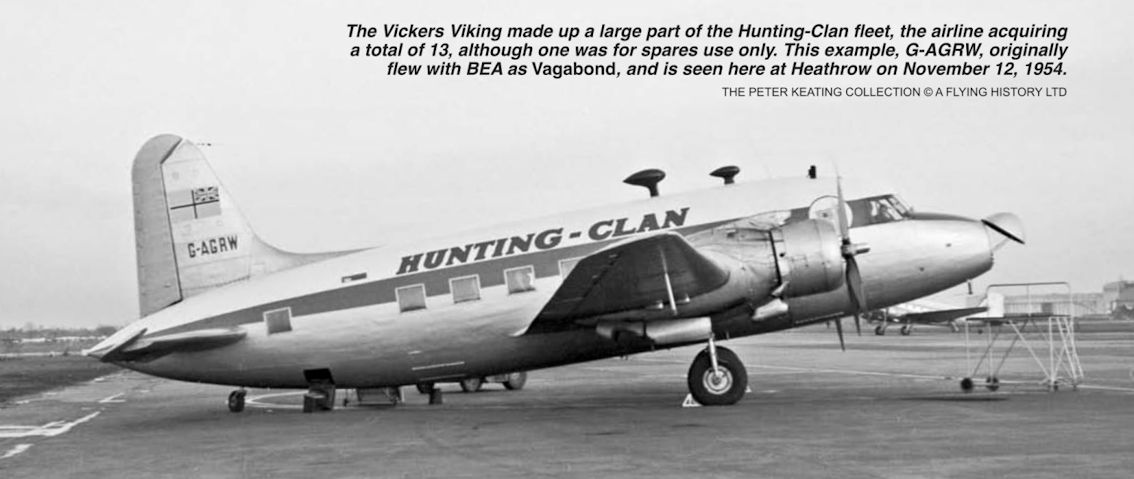
Регистрационный номер: G-AGRW [2] The Vickers Viking made up a large part of the Hunting-Clan fleet, the airline acquiring a total of 13, although one was for spares use only. This example, G-AGRW, originally flew with BEA as Vagabond, and is seen here at Heathrow on November 12, 1954.
-

Aviation Historian 39 / L.Hellstrom - Air Sud Kasai. The National Airline That Never Was
Регистрационный номер: G-AHPG [4], VP-YHJ [4], ZS-DDO [4] Vickers Viking G-AHPG made its first flight on November 28, 1946, and joined British European Airways (BEA) in March 1947. Given the BEA fleet name Velocity, the aircraft was actually sold almost immediately to Central African Airways, with which it operated as VP-YHJ, named Sabi. After a spell with South African airline Suidair as ZS-DDO, it was returned to Central African in 1950 before being sold to Hurn-based Independent Air Travel, with which it is seen here back as G-AHPG. By 1960 it was operating with Air Sud Kasai.
-
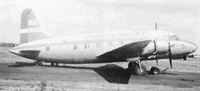
Air-Britain Archive 1985-01 / U.K. C of A Applications (20)
Регистрационный номер: G-AHPG [4], VP-YHJ [4], ZS-DDO [4] Independent Air Travel Viking G-AHPG at Blackbushe on 5.9.57. It ended its days as a snack bar in Malawi!
-
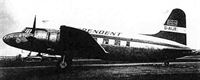
Air-Britain Archive 1999-03 / Casualty Compendium (74)
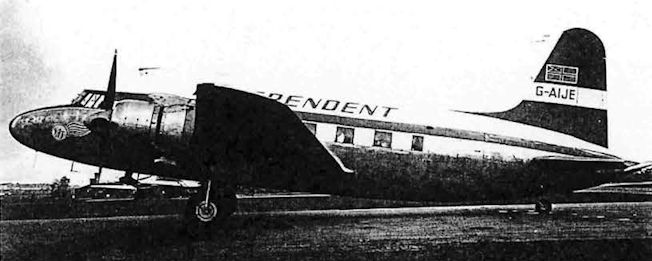
Регистрационный номер: G-AIJE Independent Air Travel's Viking G-AIJE which crashed at Southall on 2.9.58 while attempting a diversion to Blackbushe with engine trouble. This was an ex-King's Flight aircraft.
-
-01-2-1.jpg)
Мировая Авиация 79
Регистрационный номер: VT-AZA Первый Mk IB достался "Indian National Airways", всего же компания приобрела шесть таких машин, а еще девять купила "Air India". Компании позже вошли в состав "Indian Airlines Corporation".
-
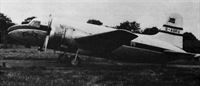
Air-Britain Archive 1983-04 / U.K. C of A Applications (16)
Регистрационный номер: G-AGRU [5] Both the Vikings ended their days in the "Avio Resto" coffee bar at Soesterberg in Holland. G-AGRU (shown) carried Kuwait Oil Company colours from 3.55 to 1.59.
-

Aviation Historian 14 / J.Stroud - Beirut: Lebanon's Propliner Paradise /The John Stroud Archive/
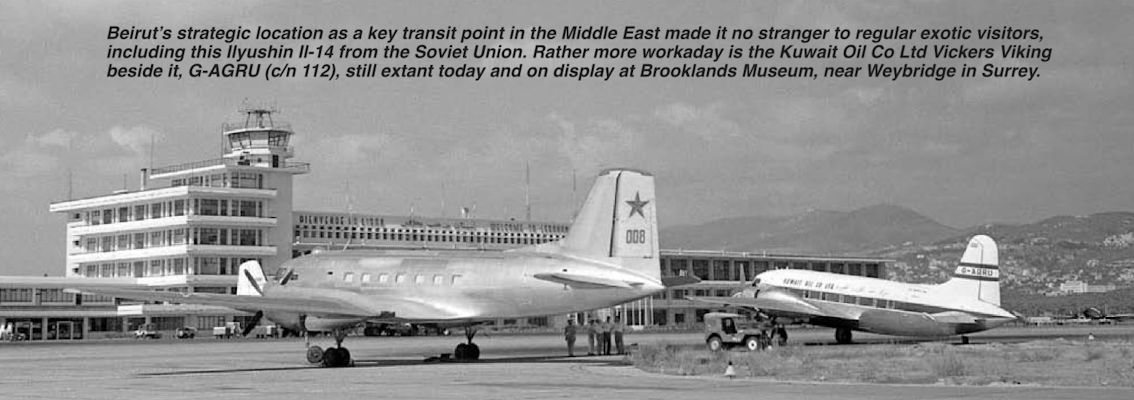
Регистрационный номер: G-AGRU [5] Beirut’s strategic location as a key transit point in the Middle East made it no stranger to regular exotic visitors, including this Ilyushin Il-14 from the Soviet Union. Rather more workaday is the Kuwait Oil Co Ltd Vickers Viking beside it, G-AGRU (c/n 112), still extant today and on display at Brooklands Museum, near Weybridge in Surrey.
Другие самолёты на фотографии: Ильюшин Ил-14 - Россия - 1950
-
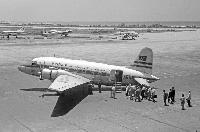
Aviation Historian 14 / J.Stroud - Beirut: Lebanon's Propliner Paradise /The John Stroud Archive/
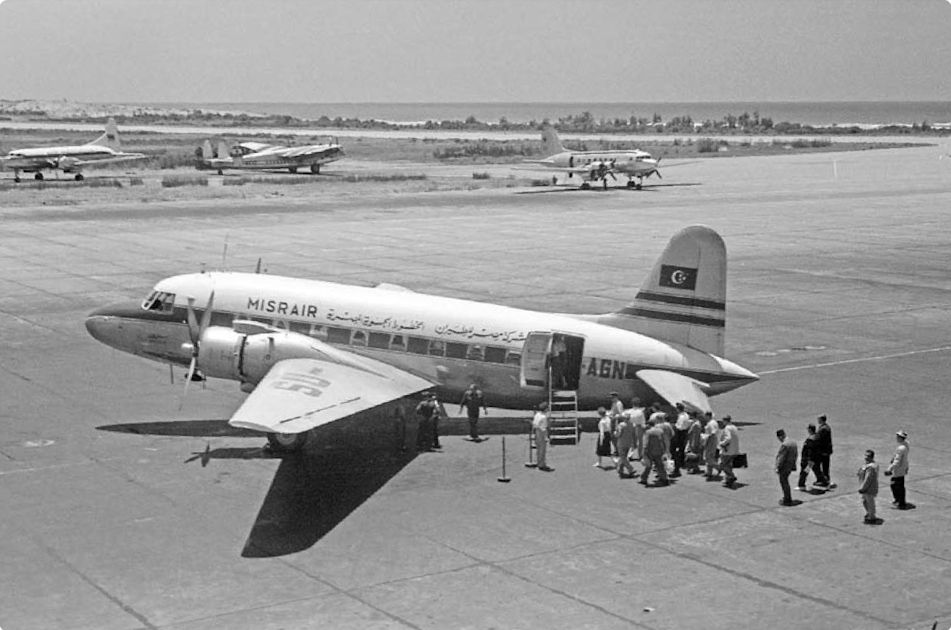
Регистрационный номер: SU-AGN With the Mediterranean sparkling in the background, passengers board Misrair Viking SU-AGN (c/n 196) for a flight to Cairo. The aircraft had originally seen service with Danish airline DDL (which became part of SAS) before being sold to Misrair in September 1949. Sadly, it crashed at Menzalah Lake in Egypt on March 7, 1958.
-
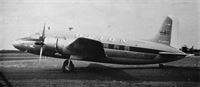
Air-Britain Archive 1984-02 / U.K. C of A Applications (18)
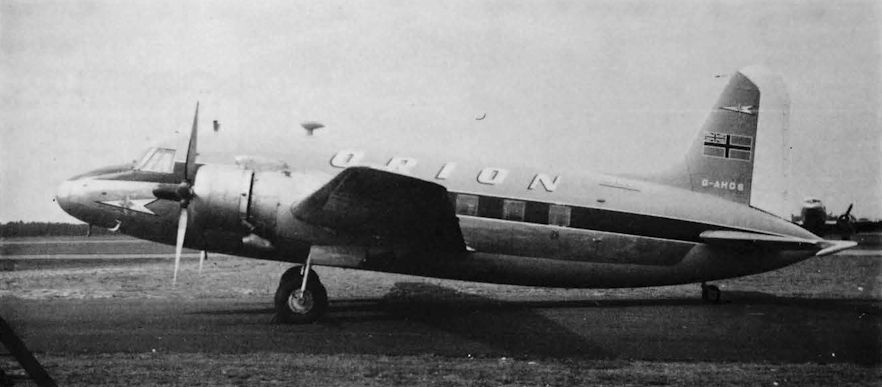
Регистрационный номер: G-AHOS [3], VP-TAT [3] Two of the Vikings listed at the foot of the previous page illustrated in their later independent guises by these photos from George Jenks' collection. Both had identical early careers, being transferred from BEAC to BSAAC and then joining BWIA as VP-TAT and VP-TAU respectively. On their return from the West Indies both were purchased by Independent Air Travel Ltd of Blackbushe. G-AHOS (shown) quickly passed to Eagle and then Orion, with whom it was photographed as "Sirius" on 3.9.57 at Blackbushe. It later went to Air Safaris and was broken up at Hurn in 1962.
-

Air Pictorial 1957-10 / Register Review / Airport News
Регистрационный номер: G-AHOS [3], VP-TAT [3] The adjacent Changes of Ownership include Viking I, G-AHOS "Sirius", resplendent in the green livery of Orion Airways
-

Aeroplane Monthly 1985-02 / Personal album
Регистрационный номер: G-APOP [3], VL246 [3] The Vickers Type 623 Viking seen at Luqa on October 4, 1961 in the livery of Tradair was originally an RAF Viking C.2 of the Queen's Flight. Tradair received three of the Flight's Vikings in 1958. One of them was subsequently registered G-APOP, seen here. In December 1962 it was bought by Channel Airways Ltd. In April 1965 'OP was finally withdrawn from service to languish at Southend.
-

Air Pictorial 1956-05
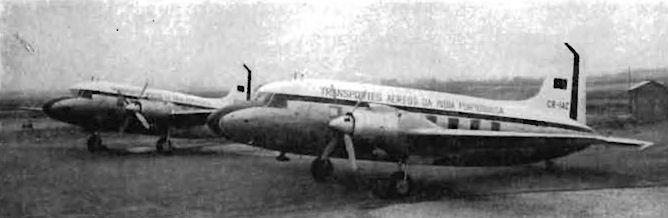
Регистрационный номер: CR-AID, CR-IAC, G-AHPP, G-AIVB These two Vikings, CR-IAC (ex G-AHPP) and CR-AID (ex G-AIVB) were at Blackbushe recently, where they have been overhauled by Eagle Aviation Ltd., for Transportes Aereos Da India Portuguesa.
-
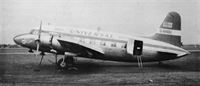
Air-Britain Archive 1984-02 / U.K. C of A Applications (18)
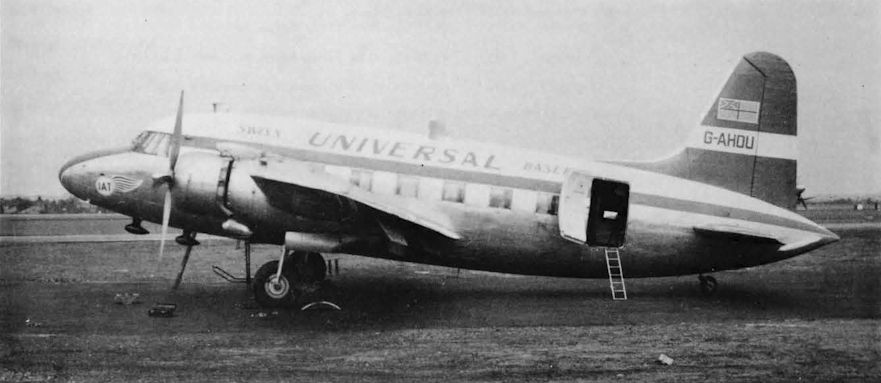
Регистрационный номер: G-AHOU, VP-TAU Two of the Vikings listed at the foot of the previous page illustrated in their later independent guises by these photos from George Jenks' collection. Both had identical early careers, being transferred from BEAC to BSAAC and then joining BWIA as VP-TAT and VP-TAU respectively. On their return from the West Indies both were purchased by Independent Air Travel Ltd of Blackbushe. G-AHOU was used for a time by Swiss Universal of Basle, though the photo shows that it retained the IAT colours on the nose, also at Blackbushe on 3.9.57. Later with Overseas Avn and again Swiss Universal, it was scrapped by Tradair in 1963 at Southend.
-

Aeroplane Monthly 1990-07 / Personal album. Civil
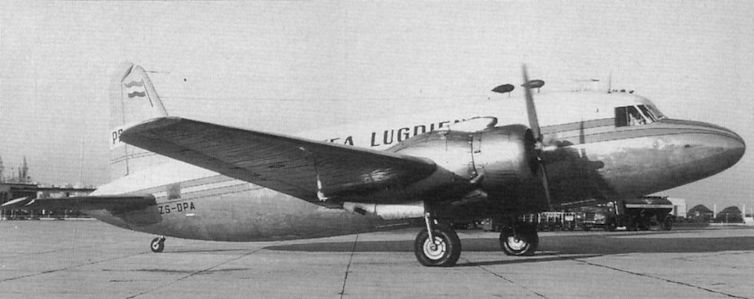
Регистрационный номер: ZS-DPA [2], OY-DLO [2], SU-AGM [2] Another photograph of Vickers Viking IB ZS-DPA, with both engines running, taxying out at Luqa in March 1961.
-

Aeroplane Monthly 1990-07 / Personal album. Civil
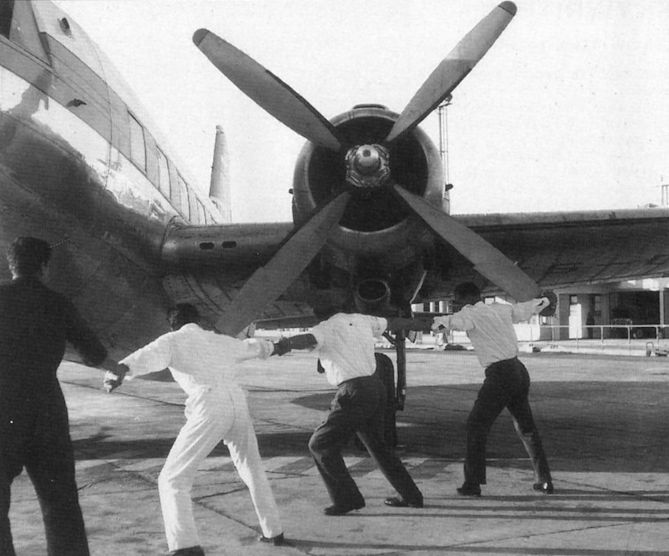
Регистрационный номер: ZS-DPA [2], OY-DLO [2], SU-AGM [2] “Tell the passengers another ten minutes!” Hand-swinging the port propeller of Vickers Viking ZS-DPA at Luqa in March 1961; the starter trolley was unserviceable. This Viking IB was initially delivered as OY-DLO, became SU-AGM and then joined the fleet of PROTEA.
-

-
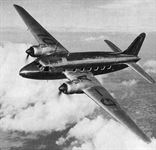
Aeroplane Monthly 1997-03
Регистрационный номер: G-AGOL David Cotterell seeks details for a Viking research project of G-AGOL, with tailplane guards fitted for parachute-dropping trials at Beaulieu in 1946. He asks if 58 MU existed at Sywell in 1953-54 and did they dismantle VW215?
-

Aviation Historian 24 / N.Stroud - Vikings in Africa /The John Stroud Archive/
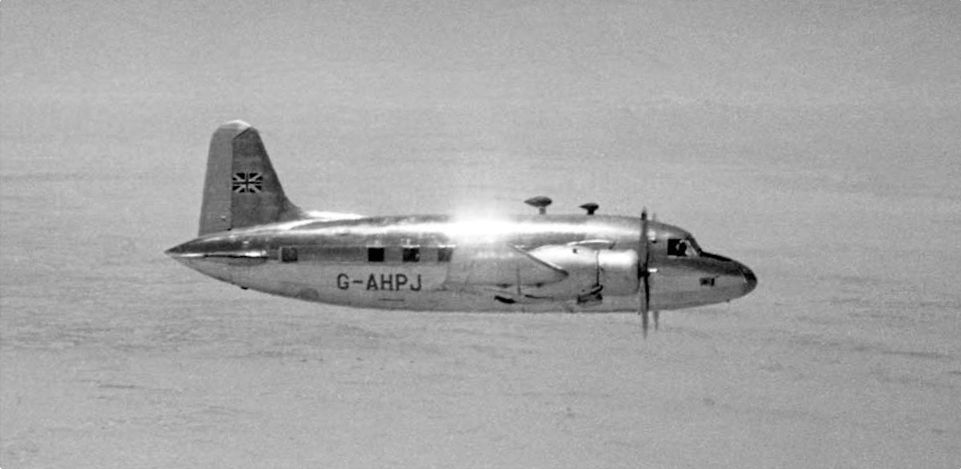
Регистрационный номер: G-AHPJ [3] With its natural metal finish flashing in the North African sun, Hunting’s G-AHPJ was captured by John’s camera from the cabin of G-AJFS while flying over the Libyan Desert on the El Adem - Wadi Haifa sector. The Hunting Viking was enjoying a second lease of life, having been completely rebuilt after a crash at Croydon in 1947.
-

Jane's All the World Aircraft 1947 / All the world's aeroplanes
Регистрационный номер: LV-XEN A Vickers-Armstrongs Viking I Airliner (two Bristol Hercules engines) as supplied to the Argentine Government.
-
Aeroplane Monthly 1999-06 / J.Stroud - A million miles flown /A lifetime of flying/
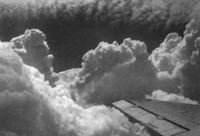
Регистрационный номер: G-AHPJ [3] Passing through the inter-tropical front at 10,000ft over the Sudan in Viking G-AHPJ on June 18, 1952.
-
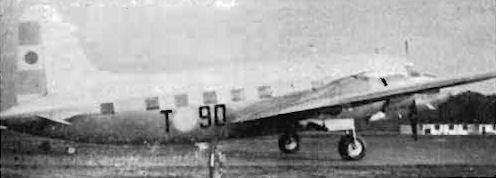
Air Pictorial 1956-02 / Air Pictorial's photo-review
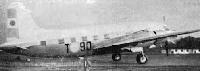
Destined for the Argentine air force, T90 is one of a number of ex-B.E.A. Viking IBs, originally cocooned at London Airport.
-

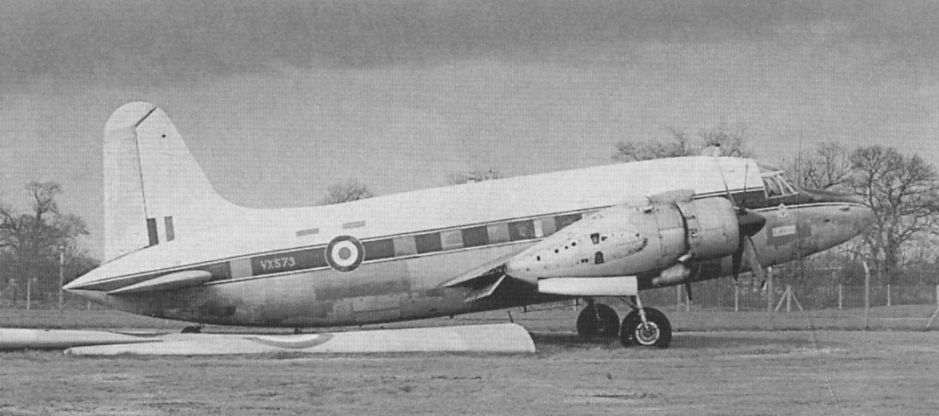
Aeroplane Monthly 1986-03 / Grapevine
Регистрационный номер: VX573 One of two of Cosford’s aircraft being stored outside during refurbishment of the Aerospace Museum’s hangars is Vickers Valetta C.2 VX573. Once indoors again, the Valetta will be displayed, minus its outer wings, next to Viking 1A G-AGRU.
-
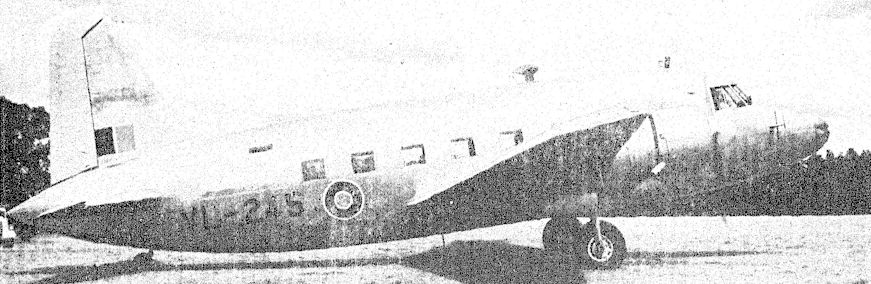
Jane's All the World Aircraft 1947 / All the world's aeroplanes
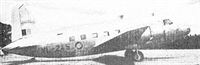
Регистрационный номер: VL245 A Vickers-Armstrongs Viking C.Mk.I (two Bristol Hercules engines) of The King’s Flight, R.A.F.
-
Air Pictorial 1957-08 / World Air News
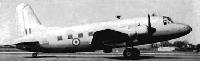
Регистрационный номер: VX560 [2] This Valetta C.2 (VX560) has various modifications including a ventral radome and a protrusion from the tail-cone.
-

Jane's All the World Aircraft 1980 / Encyclopedia of Aviation - Aircraft A-Z - v5
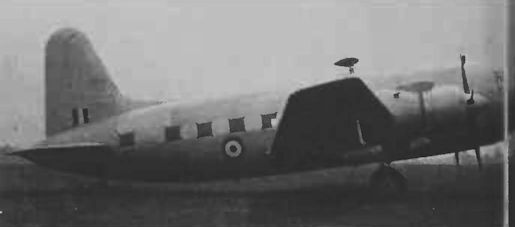
Vickers Valetta C.1.
-
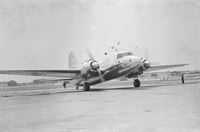
Air-Britain Aeromilitaria 1996-02 / Picture Pages
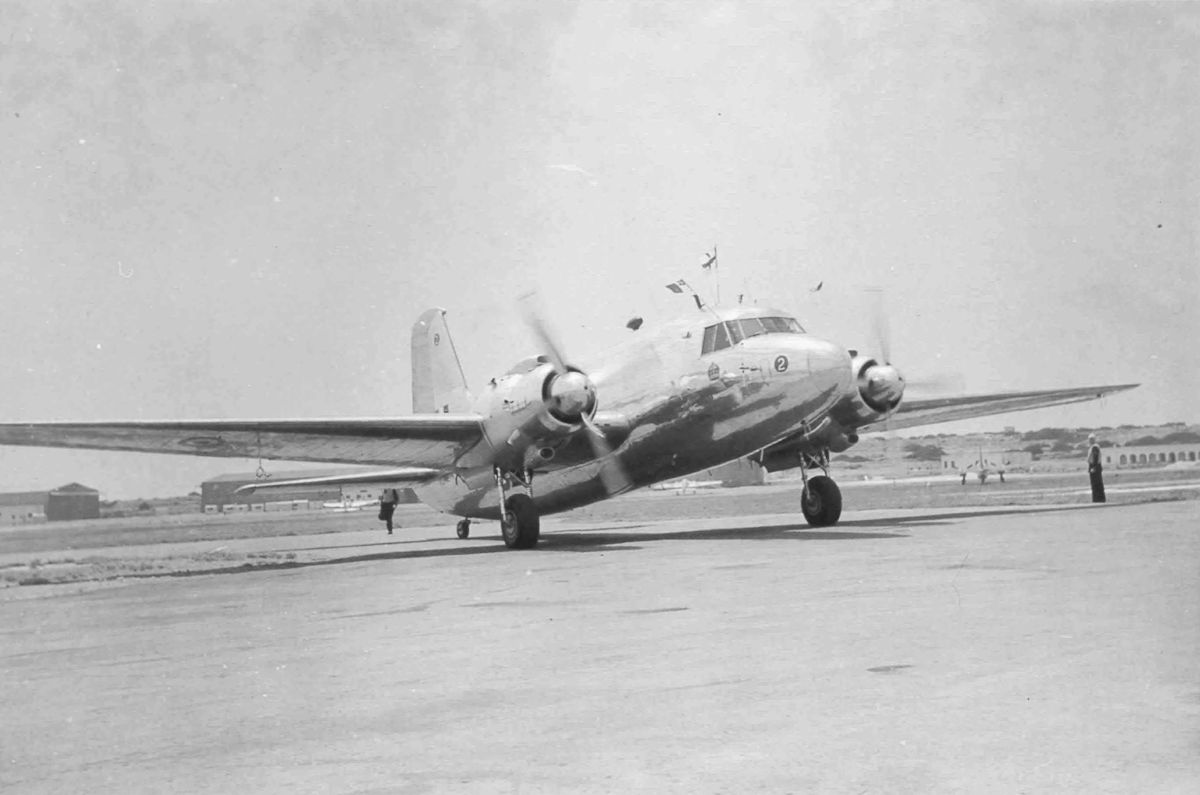
Регистрационный номер: VL246 [3], G-APOP [3] Viking C(VVIP).2 VL246 if The King's Flight taxies out from Hal Far
-
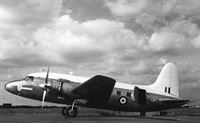
Air-Britain Aeromilitaria 2001-03 / Picture Pages
Регистрационный номер: XF632 [2], G-AHPM [2] A rather strange colour scheme for Viking XF632 includes the name Lord Rodney. It is, in fact, G-AHPM carrying roundels so that it can operate into non-civil airfields in the Suez Canal Zone under the Anglo-Egyptian Treaty.
-

Aeroplane Monthly 1984-08 / D.Middleton - Brian Trubshaw /Test Pilot Profile/ (11)
Регистрационный номер: VL246 [3], G-APOP [3] Viking I VL246 of the King's Flight takes off from snow-covered Wisley in 1947. In December 1958 this aircraft was registered G-APOP and later flew with Channel Airways.
-
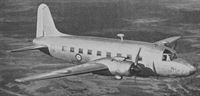
Jane's All the World Aircraft 1954 / All the world's aeroplanes
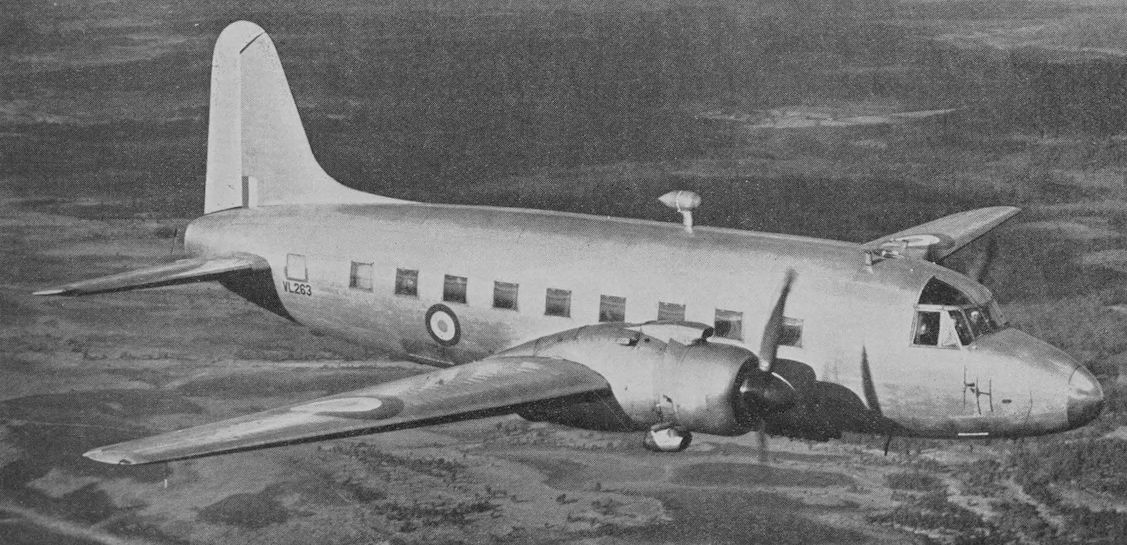
Регистрационный номер: VL263 The Vickers Valetta C. Mk. I Transport (two 1,975 h.p. Bristol Hercules 230 engines).
-
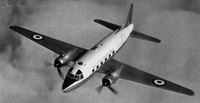
Aeroplane Monthly 1997-06 / M.Retallack - Ten years too late
An RAF Transport Command Vickers Valetta C.1. The OCU at Leeming used them as “targets” and T.4s were flown as radar trainers.
-

Aeroplane Monthly 1996-11 / D.Peters - Mau Mau (1)
Регистрационный номер: VW814 Vickers Valetta C.I VW814 of the East African Communications Flight performs the highest supply drop ever on to a DZ 13,000ft above sea level near the summit of Mount Kenya.
-

Aeroplane Monthly 1985-12 / A.Bennett - Fit for a king (2)
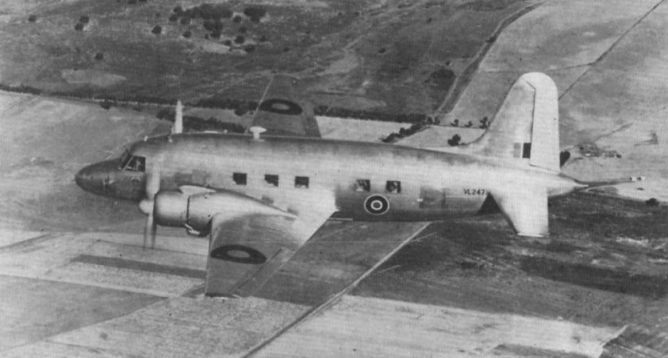
Регистрационный номер: VL247, G-APOR King’s Flight Viking VL247, later the Queen's aeroplane, was subsequently sold to Tradair as G-APOR.
-
-01-2-3.jpg)
Мировая Авиация 79
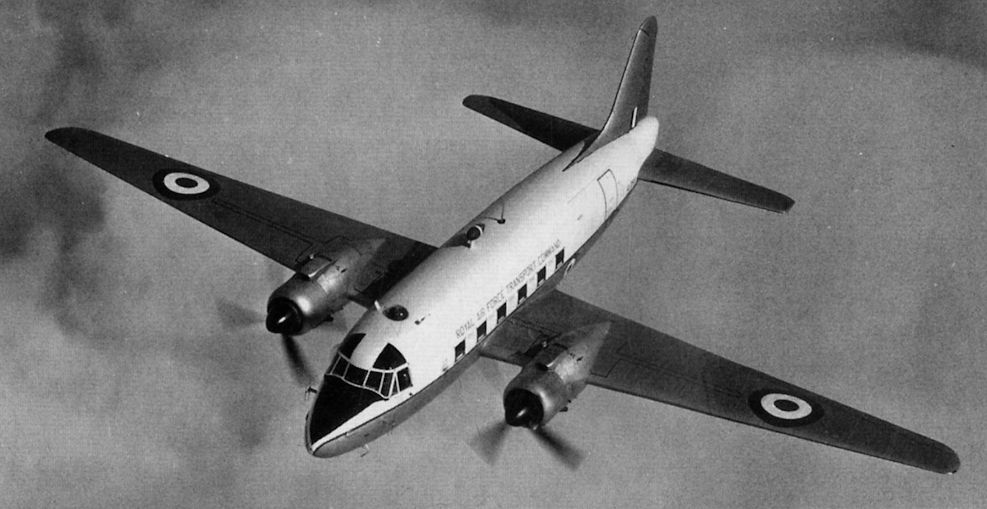
Viking стал первым послевоенным пассажирским и грузовым авиалайнером, и на его базе для британских ВВС была разработана модификация Vickers Valetta - для перевозки личного состава и различных грузов. Прототип Valetta совершил первый полет 30 июня 1947 года. Он отличался от Viking 1В усиленным полом кабины, большими грузовыми дверями по правому борту, новым шасси, усовершенствованной топливной системой и более мощными двигателями Bristol Hercules 230. Самолет Valetta C.Mk 1 (фото) мог перевозить до 34 военнослужащих, 20 десантников или сбрасываемый груз. В мае 1949 года самолет поступил в 204-ю эскадрилью в Эль-Кабрите (Египет) и постепенно сменил в Транспортном командовании британских ВВС машины Douglas Dakota, хорошо зарекомендовав себя во время конфликта в Малайе, где самолеты этого типа сбросили более 2000 т груза для снабжения британских войск, воевавших в джунглях.
-

Air Enthusiast 1996-11 / K.Ellis - The other 'Whimpey'
Регистрационный номер: WJ467 The RAF replaced the Wellington T.10 with another Vickers product, the Valetta T.3. WJ467 joined 201 Advanced Flying School at Swinderby in March 1952 and later served with 6 Air Navigation School al Lichfield. It was converted to a T.4 radar trainer 1955-57 and joined 228 Operational Conversion Unit at Iteming from mid-1957. It was destroyed in a crash near Leaning on August 6, 1958.
-
-01-2-4.jpg)
Мировая Авиация 79
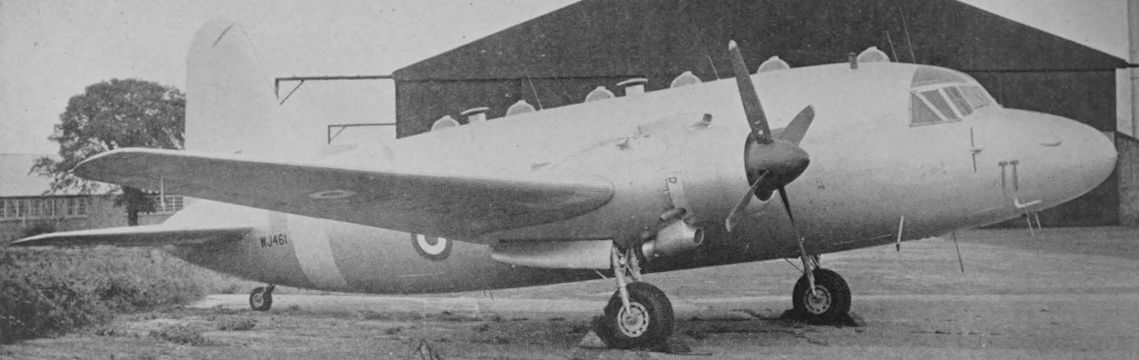
Регистрационный номер: WG259 Valetta C.Mk 2 был схож с модификацией Mk 1, но предназначался для VIP-перевозок, имел кабину на 9-15 пассажиров и, благодаря увеличенному запасу топлива, имел большую дальность полета. Учебная модификация, Valetta T.Mk 3 (фото), поступила на вооружение британских ВВС в 1950 году для подготовки штурманов. Самолет имел ряд надфюзеляжных астрокуполов; было построено 40 таких машин. В 1966 году самолеты Valetta были сняты с эксплуатации в транспортных эскадрильях британских ВВС.
-
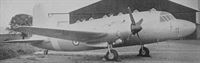
Jane's All the World Aircraft 1954 / All the world's aeroplanes
Регистрационный номер: WJ461 The Vickers Valetta T. Mk. 3 Navigational Trainer (two 1,975 h.p. Bristol Hercules 230 engines).
-

-

Air Pictorial 1957-02 / World Air News
Регистрационный номер: WJ465 With port Rotol four-blade airscrew feathered, this unusually long-nosed (radar) Vickers Valetta (WJ465) comes in to land.
-

Air Pictorial 1958-03
Регистрационный номер: WJ470 [2] These photograph show the Valetta WJ470 in one piece.
-

Aeroplane Monthly 1985-06
Регистрационный номер: VX560 [2] RAF Vickers Valetta VX560 landing at Kuching on June 1, 1965.
-

Aeroplane Monthly 1990-01 / Personal album. Military
Регистрационный номер: VW808 Vickers Valetta C.1 VW808 pictured at Kuching, Sarawak on October 25, 1964. No 52 Squadron s Valettas were based at Butterworth during this period with the RAFFE and were involved in supply and transport duties during the Indonesian campaign. The Valetta was first received into RAF service in 1948 and the last Valetta, VX573, was retired in 1969 and destined for the RAF Museum.
-

Aeroplane Monthly 1996-11 / D.Peters - Mau Mau (1)
A Valetta equipped with four loudspeakers for “skyshouting” - broadcasting tape-recorded propaganda messages in the Kikuyu language inviting the Mau Mau to surrender. Note the crude sheet-metal deflector hastily fitted to prevent the speakers from being whipped off the aircraft by the slipstream.
-
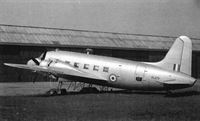
Air-Britain Aeromilitaria 2003-03 / Picture Pages
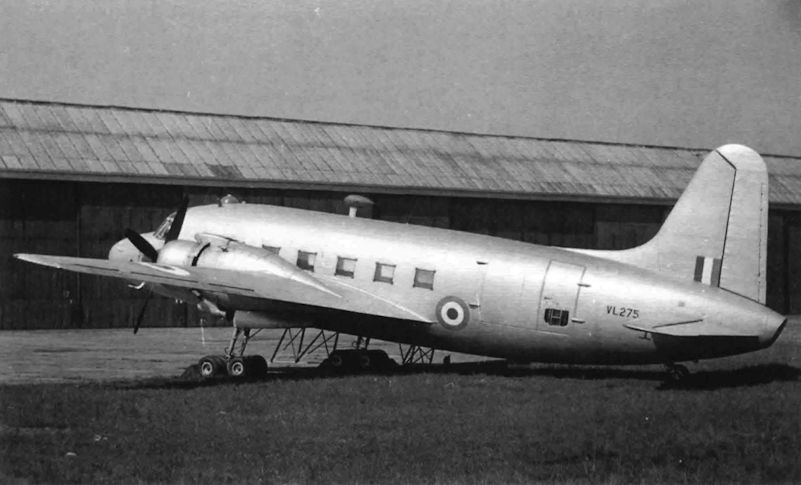
Регистрационный номер: VL275 Valetta C.1 VL275 was not delivered to the Royal Air Force but was retained by Vickers-Armstrongs for trials work. Seen outside the sheds at Wisley, VL275 was photographed while testing a bogey undercarriage. The cut-off tail cone was adopted for possible glider-towing tasks.
-

Aeroplane Monthly 1996-11 / D.Peters - Mau Mau (1)
A general view of Eastleigh aerodrome, Nairobi, showing Lincolns of 49 Sqn plus 1340 Flight’s Harvards and a Valetta.
Другие самолёты на фотографии: Avro Lincoln / Type 694 - Великобритания - 1944North American T-6 Texan / AT-6 Harvard - США - 1935
-

Aeroplane Monthly 1996-12 / D.Peters - Mau Mau (2)
Avro Lincolns of 49 Sqn and a Vickers Valetta parked at Eastleigh, Nairobi, in 1955.
Другие самолёты на фотографии: Avro Lincoln / Type 694 - Великобритания - 1944
-
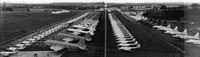
Aeroplane Monthly 2002-06 / M.Hooks - All the Queen's Forces /Coronation review of the RAF/
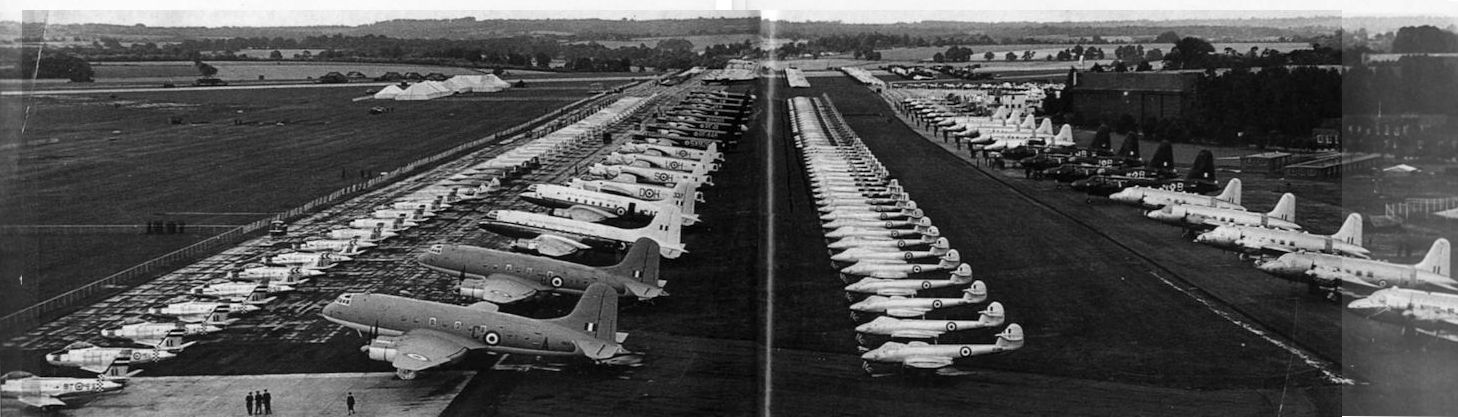
This was the scene at RAF Odiham on July 8, 1953, during rehearsals for the Review a week before the event. On the left are Royal Canadian Air Force Sabres.
Does the RAF have this many aircraft today? The Queen’s Coronation review at Odiham in 1953.Другие самолёты на фотографии: Canadair CL-13 Sabre - Канада - 1950Gloster Meteor / G.41 - Великобритания - 1943Handley Page Hastings / H.P.67 - Великобритания - 1946
-
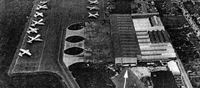
Air-Britain Archive 2003-03 / D.King - The Airspeed AS.57 Ambassador /The Whole Truth/ (4)
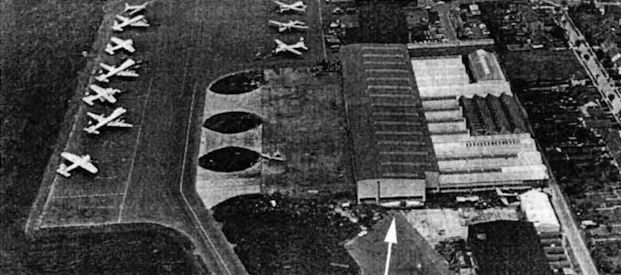
A busy scene at Southend 14.6.63 with Carvairs, Bristol Freighters, Vikings and DC-3s in evidence. Also visible, and arrowed, is the fuselage of G-AMAF which was being used for spares by BKS at the time.
Другие самолёты на фотографии: Airspeed Ambassador / AS.57 - Великобритания - 1947Aviation Traders ATL.98 Carvair - Великобритания - 1961Bristol Freighter / Type 170 - Великобритания - 1945Douglas DC-3 / C-47 Skytrain/С-53 Skytrooper / Dakota - США - 1935
-
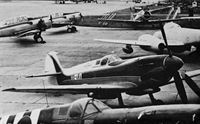
Air-Britain Archive 1982-01 / Belgium (OO-) /Complete Civil Registers/ (1)
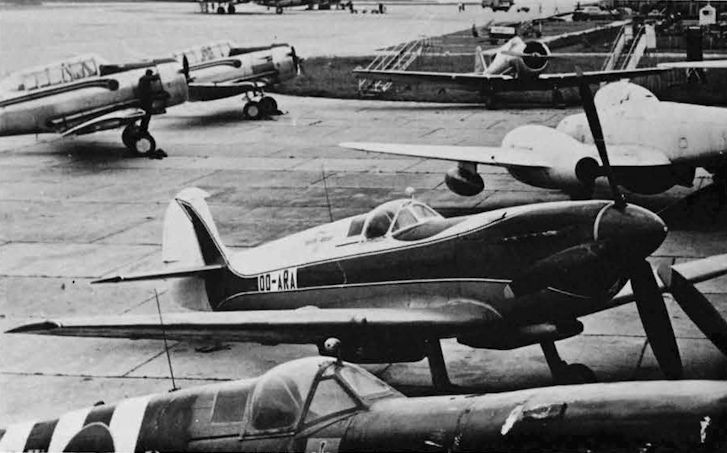
The scene at Ostend on 17.6.63 with Spitfire LF.IXC OO-ARA (1070) in the foreground, to the right is Meteor NF.11 OO-ARZ (1221), behind are three Harvards in Air France colours including F-BJBR and F-BJBT which became OO-JBR/T in 1965. In the distance are a Derby Airways C.4 Argonaut and a Tradair Viking.
Другие самолёты на фотографии: Canadair CL-2 / CL-4 Argonaut - Канада - 1946Gloster, Armstrong Whitworth Meteor NF.11 / NF.14 / TT.20 - Великобритания - 1950North American T-6 Texan / AT-6 Harvard - США - 1935Supermarine Spitfire Mk.IX / XVI - Великобритания - 1942


-01-2-2.jpg)
-01-1-1.jpg)
-01-1-2.jpg)






-01-2-1.jpg)






-01-2-3.jpg)

-01-2-4.jpg)





-
Aeroplane Monthly 1999-05 / N.Lees - Travelling in style /Post-war civil/
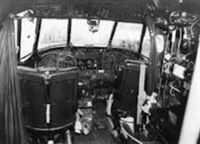
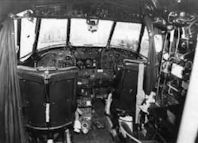
The cockpit of a Viking - in this case one of the Royal Flight aircraft. A small sign above the centre windscreen warns that “the landing weight of 32,500lb must not be exceeded except in emergencies”.
-

Aviation Historian 24 / N.Stroud - Vikings in Africa /The John Stroud Archive/
Регистрационный номер: G-AJFS [6] Flight Officer Charles Phillips checks the map in the cockpit of G-AJFS during the outbound flight.
-

Aviation Historian 24 / N.Stroud - Vikings in Africa /The John Stroud Archive/
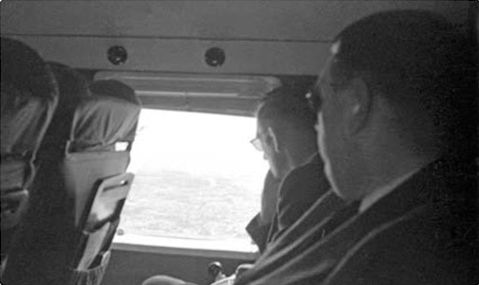
The square cabin windows of the Viking provided good views of the exotic sights below for the passengers, John particularly noting that the over-desert sectors were not as boring as one might imagine: “There is a great variety of colour and many interesting types of hill formation, while the oases of Siwa, Farafra and Dakhla can all be seen before the Nile appears at the Egyptian-Sudanese border. ”
-

Aviation Historian 39 / L.Hellstrom - Air Sud Kasai. The National Airline That Never Was
Регистрационный номер: G-AHPG [4], VP-YHJ [4], ZS-DDO [4] The spartan interior of the Viking, photographed in October 1960. As it was used for both freight and passenger services, the seats would be fitted or removed as required. Sold at a public auction in a non-airworthy condition, G-AHPG ended its days as a snack bar.
-

Aeroplane Monthly 1996-11 / D.Peters - Mau Mau (1)
Load ready. Another consignment of supplies about to be released from a Valetta over the Mau Mau-infested forest.
-

Aeroplane Monthly 1996-11 / D.Peters - Mau Mau (1)
The load is on its way down.



-
Aeroplane Monthly 2001-11 / News
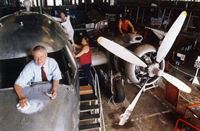
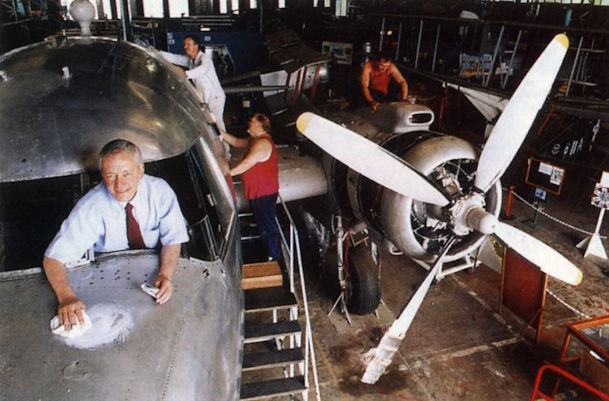
Регистрационный номер: G-AGRU [5] David Rogers of Autoglym helps shine up Vickers Viking G-AGRU at Brooklands.
-

Aeroplane Monthly 1988-11 / Personal album. Military
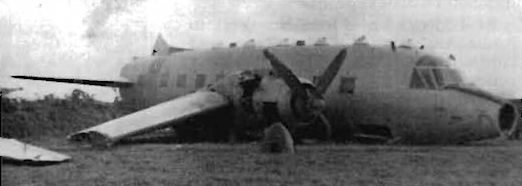
Регистрационный номер: VX483 Vickers Valetta C.1 VX483 of the Far East transport wing snapped in a paddy field near Saigon, Vietnam on February 17, 1956. An engine ran away during take-off and the pilot promptly belly-landed the aircraft. VX483 was part of a batch of 52 Valettas delivered to the RAF between December 1949 and August 1950. This medium-range transport was powered by two 1,975 h.p. Bristol Hercules 230 radial engines and had the capacity to carry 34 troops, 20 paratroops or freight. The type entered RAF service in 1948 and was retired in June 1969, being succeeded by the Hawker Siddeley Andover.
-

Air-Britain Archive 1999-04 / Casualty Compendium (75)
Регистрационный номер: G-AMGI [2] Eagle Airways Viking Ib G-AMGI seen after its emergency wheels-up landing at Tobruk-EI Adem on 17.12.58
17.12.58 Eagle Aviation Vickers Viking lb G-AMGI c/n 297 on scheduled trooping flight departing at 0720 from Tripoli-ldris to Benina received advice from Benina ATC that part of a mainwheel rim had been found on the Idris runway. On lowering the undercarriage the port mainwheel tyre could be seen to be bulging over the missing rim area. Diversion was made to Tobruk-EI Adem which had better emergency facilities and after burning off fuel an emergency wheels-up landing was made on the sand strip at 1355. The Viking suffered belly skin damage, bent lower HF aerial fairing and bent propellers but after emergency repairs it was flown back to Blackbushe 3 days later. Pilot was Capt John Berthelsen and First Officer was Charles Oman who became Hon. Sec. of the London Society of Air-Britain in 1978. -

Air Enthusiast 1995-09 / ??? - Flixton Pictorial
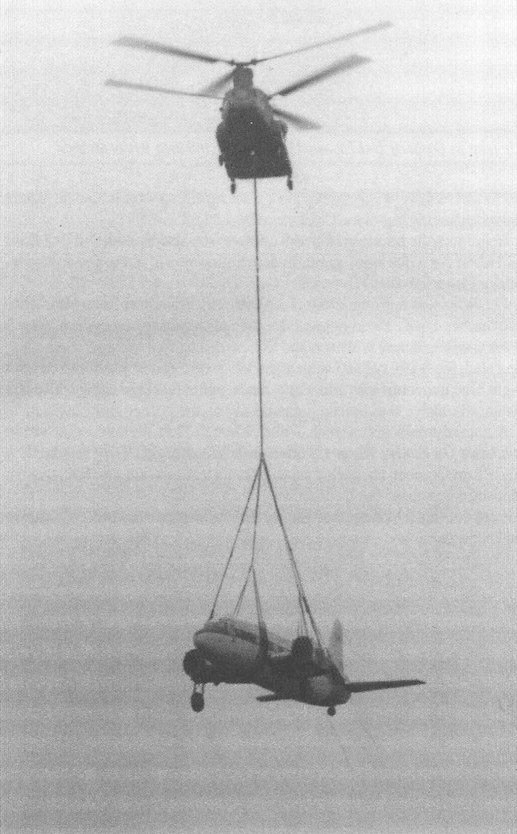
Регистрационный номер: VX580 [3] Donated to N&S in March 1982, VX580 had one more ‘flight’ in her. With outer wings and engines removed and must of the interior fittings taken out, the Valetta was flown as underslung cargo to Flixton on May 27, 1982, care of 7 Squadron and a Chinook HC.1. Restoration has been continuing ever since.
Другие самолёты на фотографии: Boeing-Vertol CH-47 Chinook - США - 1961
-

Air Pictorial 1958-03
Регистрационный номер: WJ470 [2] Valetta WJ470. What happens when the "perfect" landing doesn't go just according to plan.
-
Air-Britain Aeromilitaria 1984-01 / RAF write-offs 1953
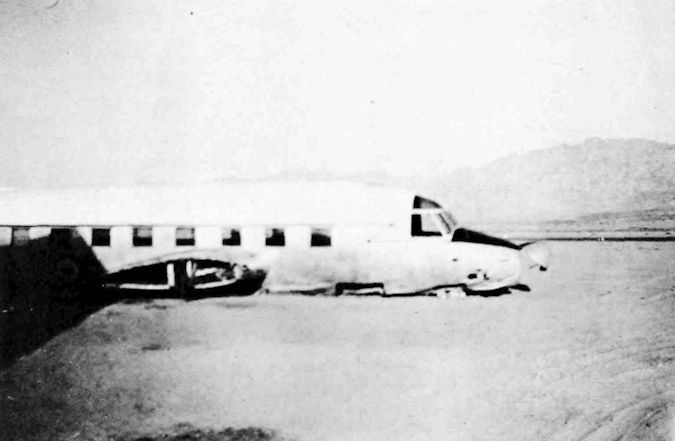
Регистрационный номер: VW804 Valetta VW804 at Aqaba, October 1953
-
Air-Britain Aeromilitaria 1990-03 / Picture Pages
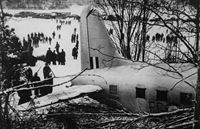
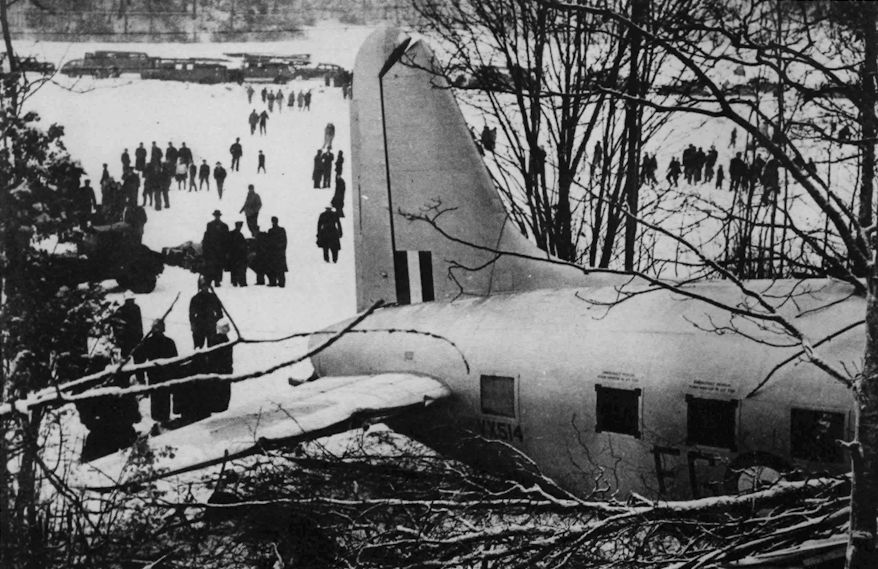
Регистрационный номер: VX514 Valetta VX514 crashed on approach to Bromma Airport, Stockholm, on 18.2.51, while landing in a snowstorm.
-
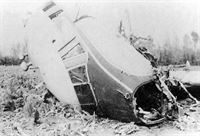
Air-Britain Archive 1999-03 / Casualty Compendium (74)
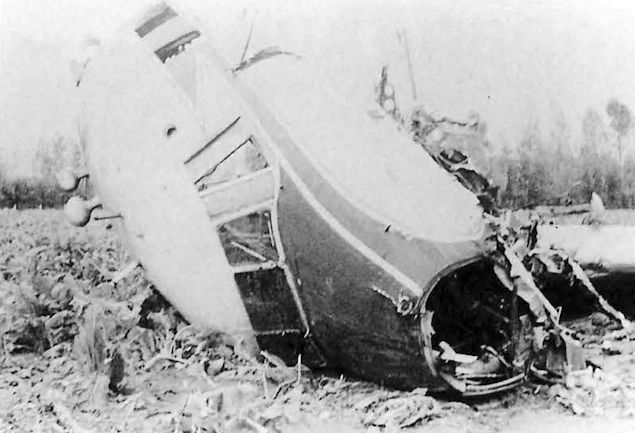
Регистрационный номер: D-BELA The nose-section of Deutsche Flugdienst Viking 1B D-BELA following the forced landing and fire at Zele, Belgium on 17.10.58
17.10.58 V.610 Viking 1B freighter D-BELA c/n 250 of Deutsche Flugdienst GmbH was en route London - Dusseldorf when an engine fire necessitated a forced-landing near Zele, Belgium. The aircraft broke up and burnt out but the three crew were only slightly injured. -
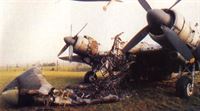
Aeroplane Monthly 1997-03 / M.Oakey - Vintage news
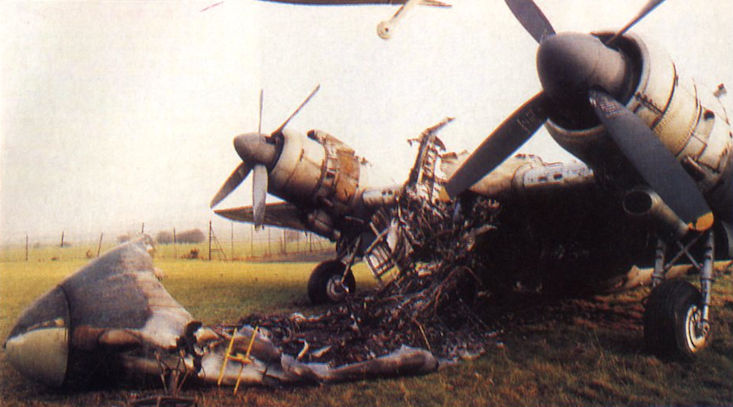
Регистрационный номер: VX577 [2] The burnt remains of Vickers Valetta VX577 at Sunderland on January 24, 1997.
-
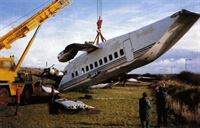
Aeroplane Monthly 2000-04 / 2000 Airshows & Museums Guide
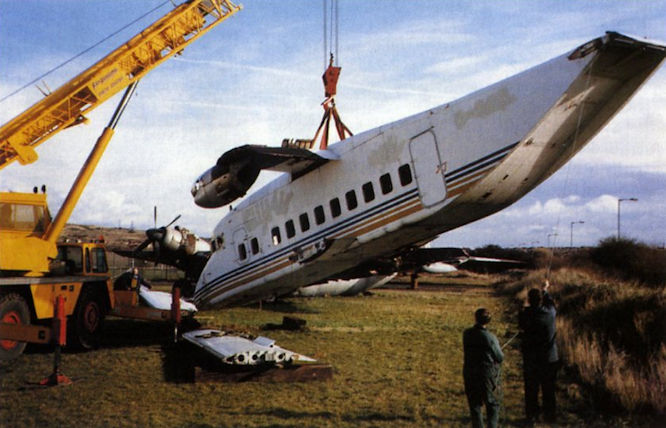
Регистрационный номер: VX577 [2] The North East Aircraft Museum’s Shorts SD.330 G-OGIL being unloaded at Sunderland with the museum’s burnt-out Valetta VX577 in the background.
Другие самолёты на фотографии: Short SD.330 - Великобритания - 1974
-
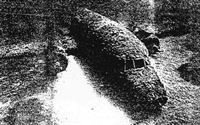
Air-Britain Archive 2000-03 / Casualty Compendium (78)
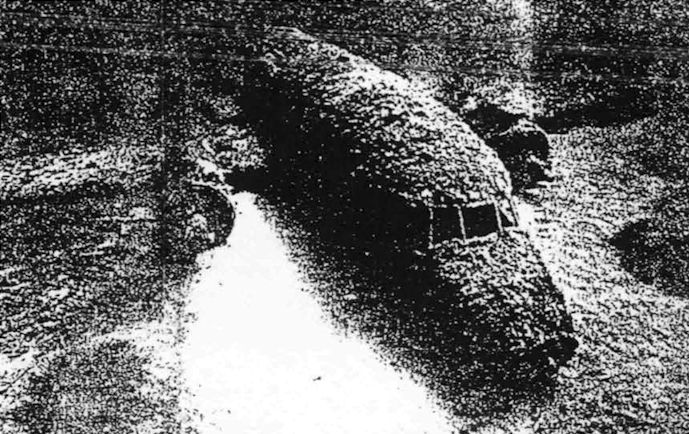
Регистрационный номер: F-BFDN [2], G-AJBW [2] The bulk of the remains of a Vickers Viking, almost certainly F-BFDN c/n 248 of Airnautic which ran out of fuel and ditched 200 metres off the coast of Corsica on 5.9.59. The two crew members, the only occupants, swam to the shore. Divers have visited the wreck and this and other photographs were published in Germany, possibly in 1993.
5.9.59 Airnautic Viking F-BFDN c/n 248 carrying equipment for the American Jerome Robbins Ballet Company from Athens to the Edinburgh Festival ran out of fuel and crashed in the sea in bad weather 200 metres off Traliceto, Corsica at 1145 GMT. The two crew, who had intended to refuel the Viking at Bastia, swam ashore uninjured. The ballet company danced to acclaim without their props.
5.9.59 Further to the ditching off Corsica of Airnautic Viking F-BFDN, we have received via Dave Cotterell photocopies of fax copies of photos published in a German magazine taken by divers of an aircraft on the sea bed which is undoubtedly this Viking. As can be seen overpage, the bulk of the fuselage, wings and engine structures seem to be basically intact. Dave adds that while the equipment was being carried in F-BFDN, the members of the ballet company travelled in Viking I-RASC c/n 295 of Mediteravia.
5.9.59 The Airnautic Viking F-BFDN "... lies 700m from the beach of Mortoli, at 18m depth. The tail is 200m away, in the direction of the beach. This leads the author to think that the pilot tried to land on the beach, but realising it was too small, tried a ditching. The wreck .... now is covered with concretions". (With acknowledgement to "Naufrages en Corse" by Jean-Pierre Joncheray


-

Aviation Historian 34 / R.Pegram - BOAC & the Brabazon committee
The Warwick Continental was to have used Barnes Wallis’s “Geosteel” method of woven metal covering, as seen HERE in Wallis’s patent GB580574.
-

Aviation Historian 34 / R.Pegram - BOAC & the Brabazon committee
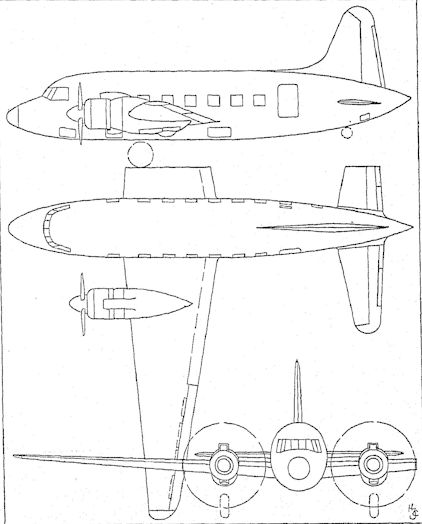
A previously unpublished original Vickers three-view illustration of the Warwick Continental, which, unsurprisingly, bears more than a passing resemblance to the company’s VC1, which became the Viking. The Warwick Continental was to have used Barnes Wallis’s “Geosteel” method of woven metal covering.
-

Jane's All the World Aircraft 1947 / All the world's aeroplanes
The Vickers Viking I Airliner.
-

Jane's All the World Aircraft 1946 / 03 - All the world's aeroplanes
The Vickers-Armstrong V.C.1 Viking Transport.



Тип фотографий
- Все фото (115)
- Боковые проекции (2)
- Цветные фото (9)
- Ч/б фото (83)
- Кабина (6)
- Реставрация (1)
- Обломки (10)
- Схемы (4)