Фотографии
-
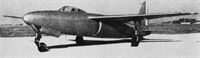
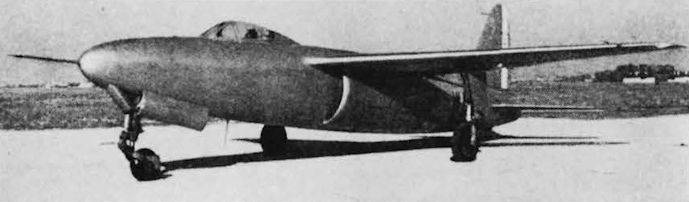
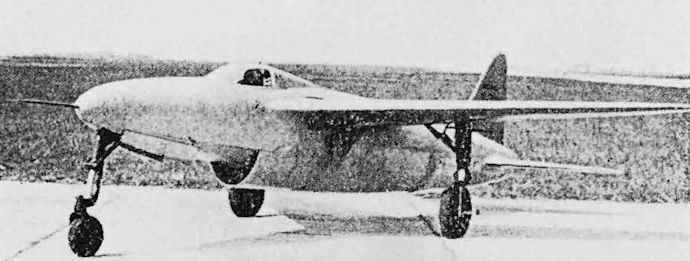
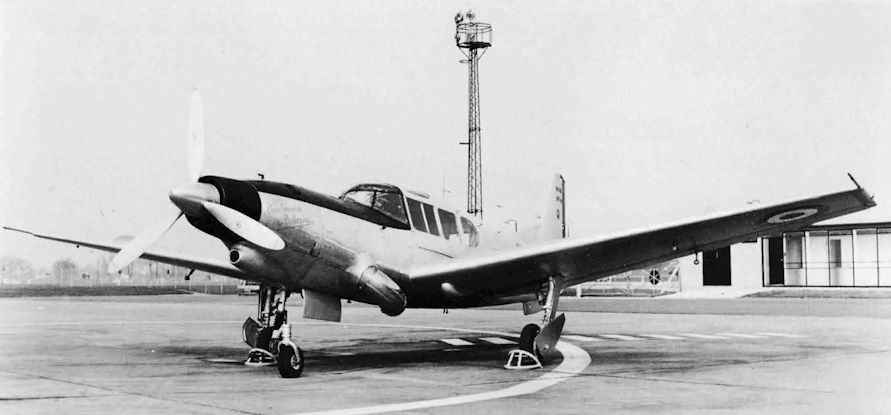
Регистрационный номер: F-WFOE The Arsenal VG70-01 with Jumo engine and chin intake displayed at Paris was followed by the VG90-01 fighter with a Hispano-Suiza built RR Nene engine and side intakes (photo). It flew on 27.9.49 as F-WFOE but was lost on 25.5.50 when a main undercarriage leg extended during a high speed turn, broke off and carried away the tailplane. Pilot Pierre Decroo (who had survived the crash of the VB-10-02 by baling out) was killed in the resulting crash.
Самолёты на фотографии: Arsenal VG-90 - Франция - 1949
-
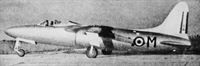
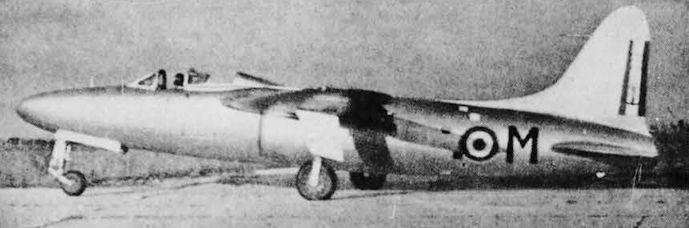
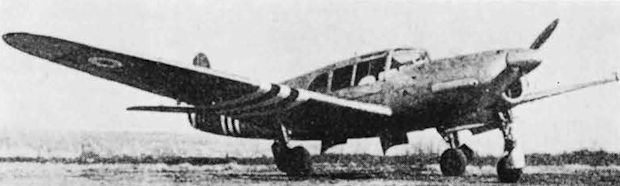
A second prototype (photo) in French Navy markings with the fuselage letter M, flew in August 1951 and was to have had an armament of three 20mm cannon. After control failure it also crashed killing pilot Claude Dellys, following which a third aircraft was cancelled.
Самолёты на фотографии: Arsenal VG-90 - Франция - 1949
-
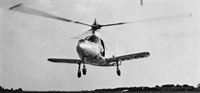
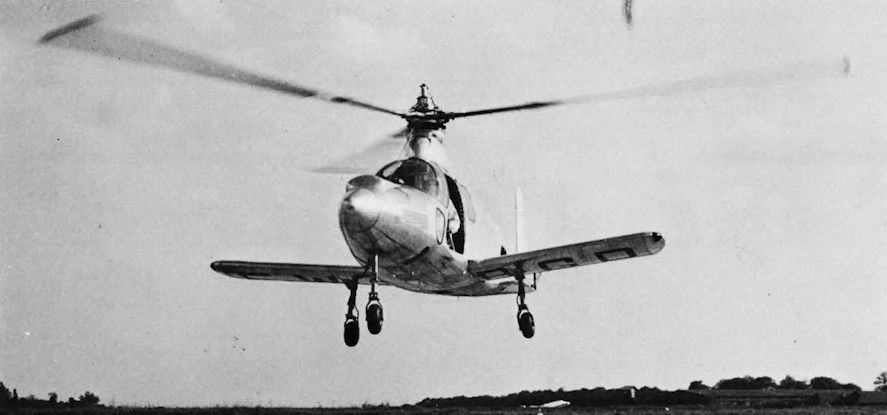
Регистрационный номер: F-WBGD Development of the noisy tip-jet rotor led to the quieter system with engine-compressed air which was used in the SO 1310-01 Farfadet F-WBGD (photo). This conversion of the Ariel III was an experimental convertiplane with small wings and it first flew on 9.6.53. It was initially powered with a 360shp Turbomeca Artouste II driving a right hand tractor propeller in the nose in addition to the 360shp Arrius II turbine behind the cabin which provided compressed air for the rotor. This progressed no further, but a parallel development was the successful SO 1221 Djinn with cold air jet-tipped rotors in 1954, of which 179 were built.
Самолёты на фотографии: Sud-Ouest SO.1310 Farfadet - Франция - 1953
-
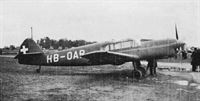
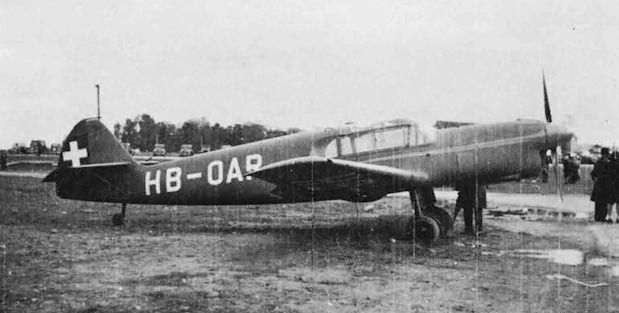
Регистрационный номер: HB-OAR The Messerschmitt Bf 108 was built in France during the war and production was continued postwar as the Nord 1001 and 1002 Pingouin which used a 240hp Renault 6Q development in place of the original Argus AS 10C. (Photo: Nord 1001 HB-OAR at Toussus-le-Noble 22.4.46).
Самолёты на фотографии: Messerschmitt Bf.108 Taifun - Германия - 1934
-
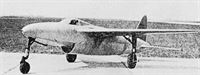
The Arsenal VG70-01 with Jumo engine and chin intake displayed at Paris (photo) was followed by the VG90-01 fighter with a Hispano-Suiza built RR Nene engine and side intakes.
Самолёты на фотографии: Arsenal VG-70 - Франция - 1948
-
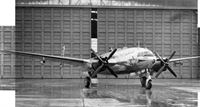
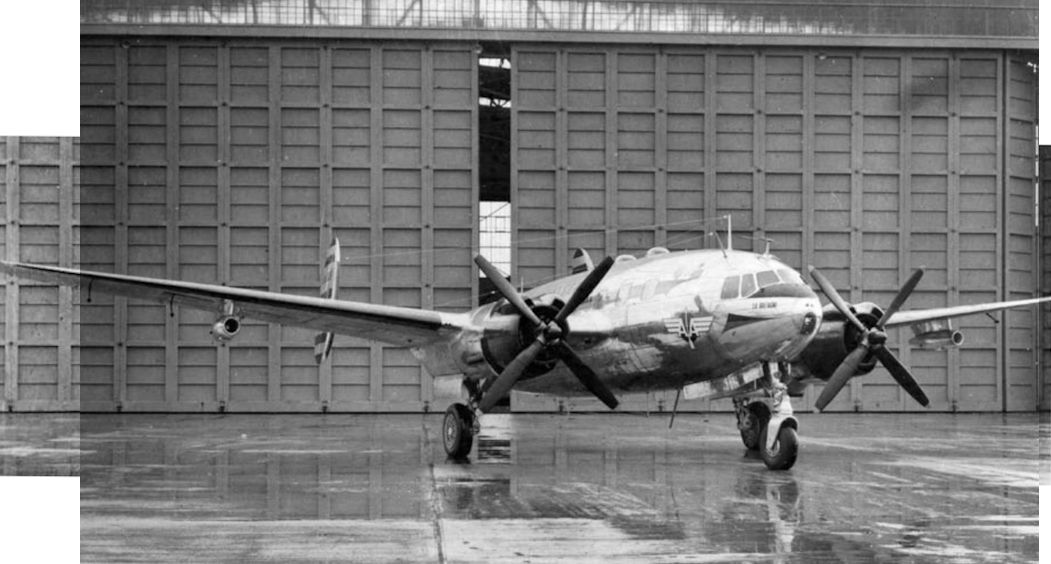
Регистрационный номер: F-OAIX, F-WAYR The second version had the more expensive civil 2400hp R-2800-CA18 engines. Several SO 30P obtained a power increase from two Palas "jet boosters" mounted under the outer mainplanes (photo, F-OAIX ex F-WAYR c/n 15 of Aigle Azur in 1954).
One of the few commercial operators to use the Bretagne extensively was AirAlgerie, which operated nine examples during 1951-52. This example has been fitted with a pair of Turbomeca Palas centrifugal-flow turbojet engines to improve take-off performance.Самолёты на фотографии: Sud-Ouest SO.30 Bretagne - Франция - 1945
-
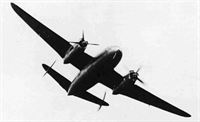
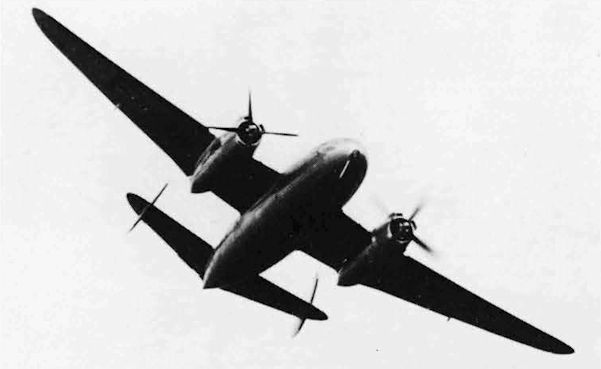
Регистрационный номер: F-WAYK, F-BAYK The SO 30 Bellatrix prototype seen at Paris was not in fact the first, as an SO 30N-01 prototype F-BALY had been completed in 1942 but was dismantled and hidden, not flying until 26.2.45 in military marks. It was followed by the SO 30R-01 F-B/WAYA which was tested with a single fin tail unit, and the SO 30R-02 F-WAYB which reverted to twin fins and rudders and was also the Paris show aircraft.
The production model was the 30/37 passenger SO 30P Bretagne which was produced in two versions, the first with 2000hp war surplus P&W 18-cyl 2-row R-2800-B43 radial engines (Photo, F-WAYK c/n 9 with starboard engine stopped and prop feathered, making a turn against the dead engine).Самолёты на фотографии: Sud-Ouest SO.30 Bretagne - Франция - 1945
-
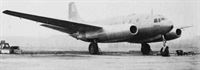
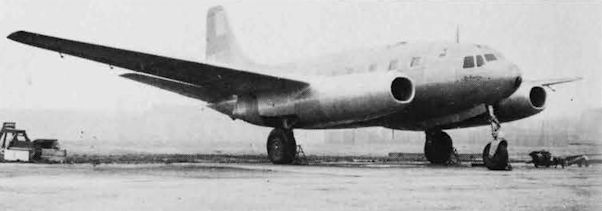
Регистрационный номер: F-WAYB F-WAYB was converted with a single fin and rudder as a test bed for two Hispano-Suiza built RR Nenes (photo) and F-WAYD was similarly converted to two SNECMA Atar 101 turbojets. In total 45 production aircraft and 4 prototypes were built.
Самолёты на фотографии: Sud-Ouest SO.30 Bretagne - Франция - 1945
-
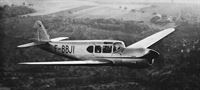
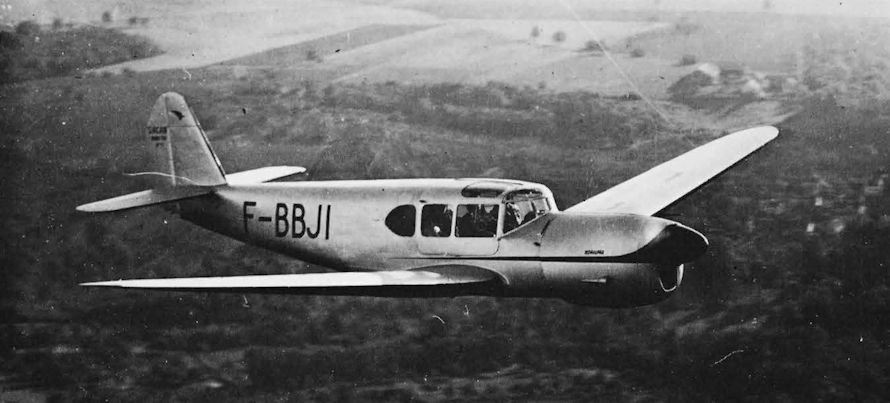
Регистрационный номер: F-BBJI Nord 1100 F-BBJI c/n 17 (photo) was a Noralpha originally registered as a Ramier.
Самолёты на фотографии: Nord Nord 1101 Noralpha - Франция - 1943
-
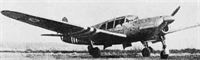
The Me 208 (photo) was a tricycle gear development built postwar as the Nord 1100 with the Argus and 1101 with the Renault. It was originally called Ramier but later renamed Noralpha. Lateral stability was improved over its tailwheel predecessor by an increase in dihedral and this was made more noticeable by a 3 foot increase in span to 37ft 8in. The overall length was 10in greater at 28ft, the fin and rudder was taller and the tailplane was a cantilever without the bracing strut.
Самолёты на фотографии: Nord Nord 1101 Noralpha - Франция - 1943
-
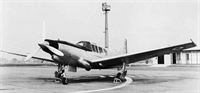
Регистрационный номер: F-WJDQ A Nord 1100 Ramier c/n 150 F-WJDQ was fitted with a special taller fin and rudder with a large fillet to test the Turbomeca Astazou turboprop.
Самолёты на фотографии: Nord Nord 1101 Noralpha - Франция - 1943
-
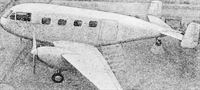
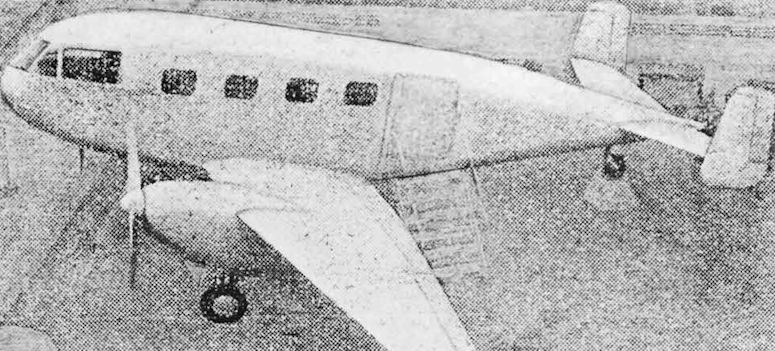
Регистрационный номер: F-WCZI The SIPA S70 prototype was registered F-WCZI and was reported to have carried out trials, but no photographic evidence has been found. The illustration is based on the mockup and shows that it must have been very similar to the NC701 Martinet which was already in service.
Самолёты на фотографии: SIPA S.70 - Франция - 1949
-
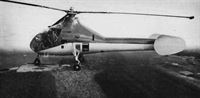
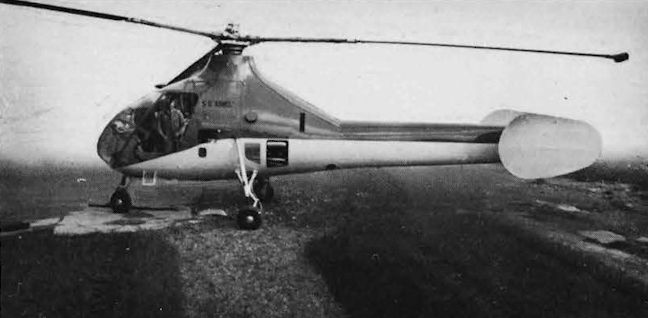
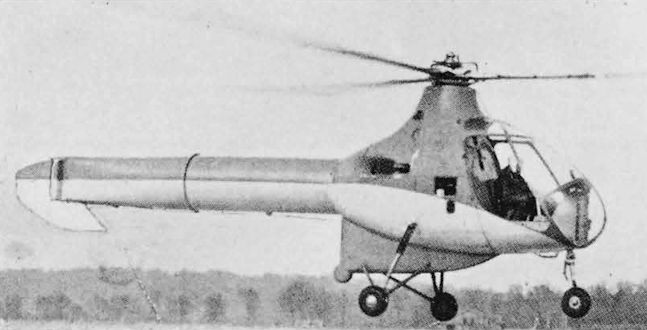
The SO 1100-01 Ariel helicopter (originally called Giravion) had a Mathis piston engine driving a compressor which supplied the cold-air jet-tipped rotor blades. These gave no torque reaction so no anti-torque tail rotor was fitted. However the rudder vanes behind the Mathis-driven pusher propeller gave inadequate directional control and the prototype was modified to have a tailboom and elevators with endplate fins.
Самолёты на фотографии: Sud-Ouest SO.1100 Ariel - Франция - 1947
-
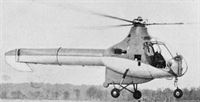
Further trials were made with a large fuselage underfin and compressed air over a boom-end rudder.
Самолёты на фотографии: Sud-Ouest SO.1100 Ariel - Франция - 1947
-
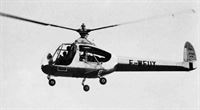
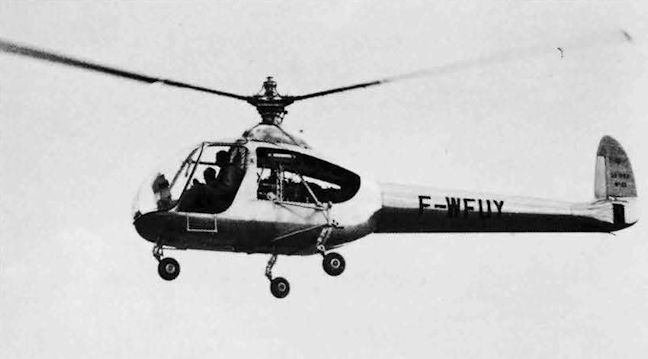
Регистрационный номер: F-WFUY With the cooperation of Austrian designer Friedrich Doblhoff a burner jet-tipped rotor was then fitted with electric plug ignited combustion chambers on the tips and it became SO 1110-01 Ariel II F-WFKM. A second prototype was SO 1110 F-WFRQ and this was followed by SO 1110-02 F-WFUF. These experimental prototypes led to the SO1120-01 Ariel III F-WFUY (photo) and the SO 1120-02 F-BBBL. The Ariel III was considerably revised and was a three-seater with a 275shp Turbomeca Artouste II turbine compressor providing air for the jet-tipped rotor and to a flux-gate vane system at the boom end to control heading when hovering. For directional control in forward flight it had a tall oval rudder above the boom end. This version was just as controlable as a conventional helicopter.
Самолёты на фотографии: Sud-Ouest SO.1100 Ariel - Франция - 1947
-
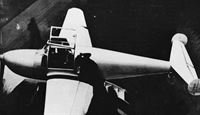
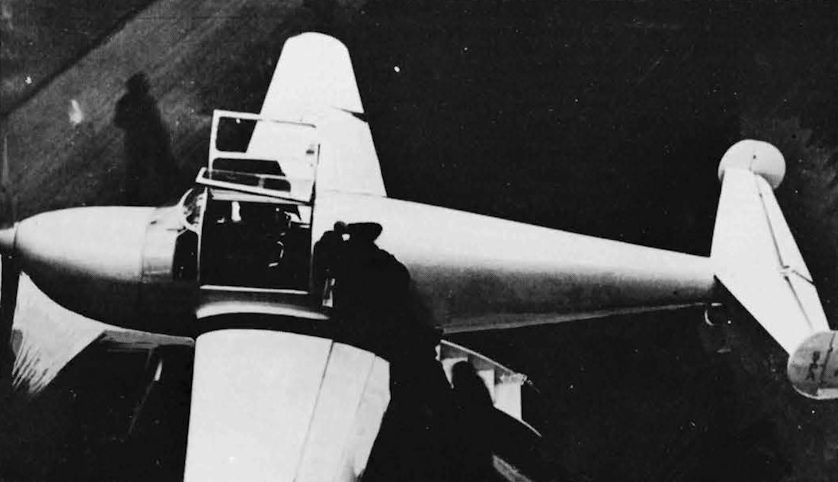
The Messenger-like SIPA S20 was said to be the prototype but no registration has been traced for it and the design appears to have been dropped at an early stage. Apparent in this view is the highly tapered wing and the small area of the vertical tail surfaces. The undercarriage was tailwheel type with retractable mainwheels and power was to be provided by a 200hp Mathis G8R eight cylinder inverted vee in-line engine.
Самолёты на фотографии: SIPA S.20 - Франция - 1946