

Фотографии
-
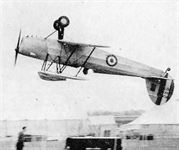
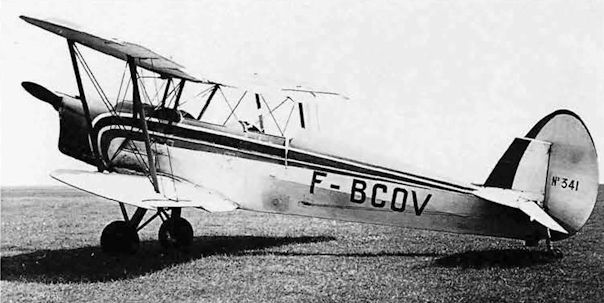
The Stampe et Vertongen SV4C (over 350 built in France and Algeria) was the French postwar version of the all-wood Belgian SV4B (65 built) with 140 hp Renault 4Pei in place of the 130 hp Gipsy Major in the Belgian version. As a military trainer it was used by the French Patrouille d'Etampes aerobatic team which, led by Commandant Perrier, became well known in Britain and Europe following its Air Show appearances.
Самолёты на фотографии: Stampe et Vertongen SV-4 - Бельгия - 1933
-
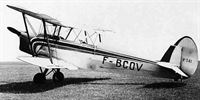
Регистрационный номер: F-BCOV The prototype SV4C flew on 4.6.45 as F-WASF and production by SNCAN was well under way by the time of the 1946 Paris Show. It was immediately popular as a flying club trainer and private aerobatic mount (F-BCOV c/n 341, photo) and French military examples mostly ended up in civilian hands.
Самолёты на фотографии: Stampe et Vertongen SV-4 - Бельгия - 1933
-
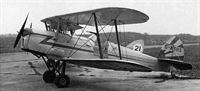
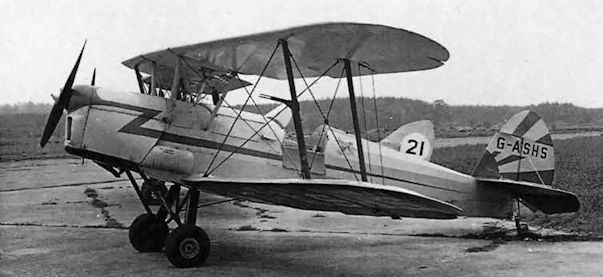
Регистрационный номер: G-ASHS Over fifty have come onto the British register and a number were converted to have 145 hp Gipsy Major 10 Mk 1 engines, some with modifications for inverted flying by Rollasons for the Tiger Club, such as G-ASHS c/n 205 (photo). This photo shows some of the differences from the Tiger Moth with which it was sometimes confused; rounded wingtips on parallel swept wings compared with the Tiger's squared-off tips, and rounded fin and rudder compared with the pointed rudder on Tiger No.21 just behind.
Самолёты на фотографии: De Havilland Tiger Moth / D.H.82 - Великобритания - 1931Stampe et Vertongen SV-4 - Бельгия - 1933
-
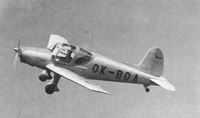
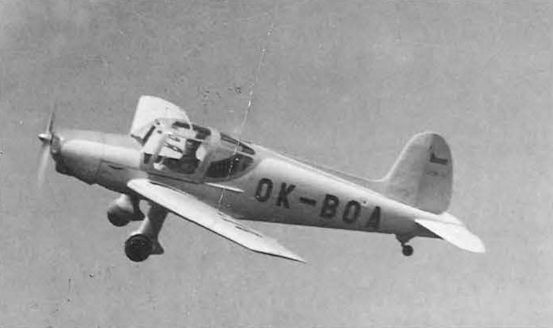
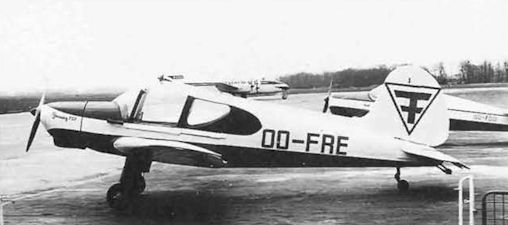
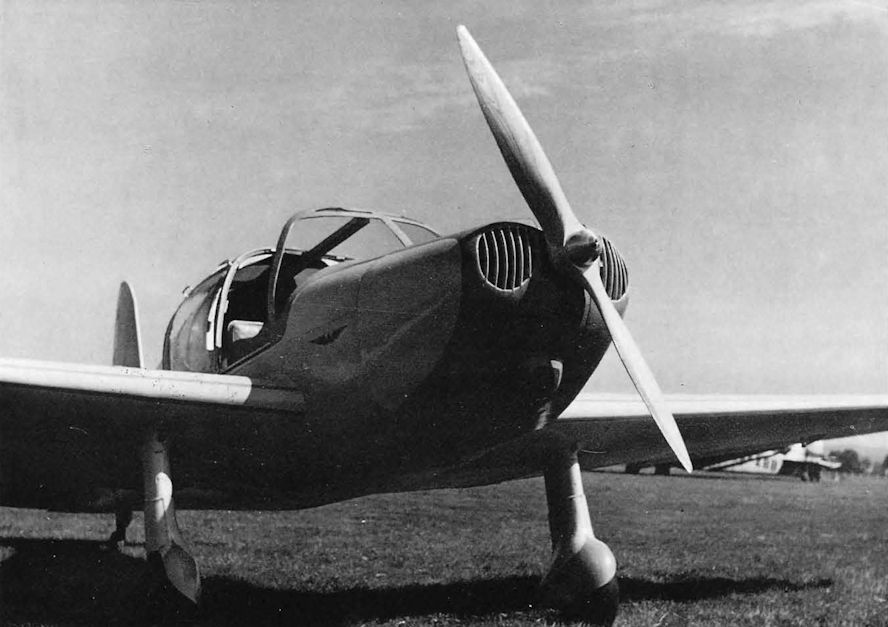
Регистрационный номер: OK-BOA Although only two prototypes of the Zlin 122, OK-AOA and AOB, appear to have been built, the all-wood Zlin 22 Junak from which it was developed was more successful. The prototype Zlin 22 OK-BOA (photo) was fitted with a 57 hp Zlin Persy III flat four engine but the production version was powered by the 75 hp Praga D flat four, as in OO-FRE for example.
Самолёты на фотографии: Zlin Zlin 22 Junak / Zlin 122 - Чехословакия - 1947
-
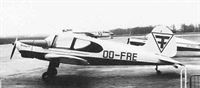
Регистрационный номер: OO-FRE The prototype Zlin 22 OK-BOA was fitted with a 57 hp Zlin Persy III flat four engine but the production version was powered by the 75 hp Praga D flat four, as in OO-FRE for example (photo).
Самолёты на фотографии: Zlin Zlin 22 Junak / Zlin 122 - Чехословакия - 1947
-
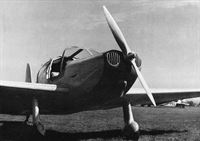
Close up a 57 hp Zlin Persy III flat four engine
Самолёты на фотографии: Zlin Zlin 22 Junak / Zlin 122 - Чехословакия - 1947
-
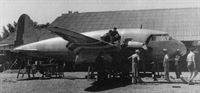
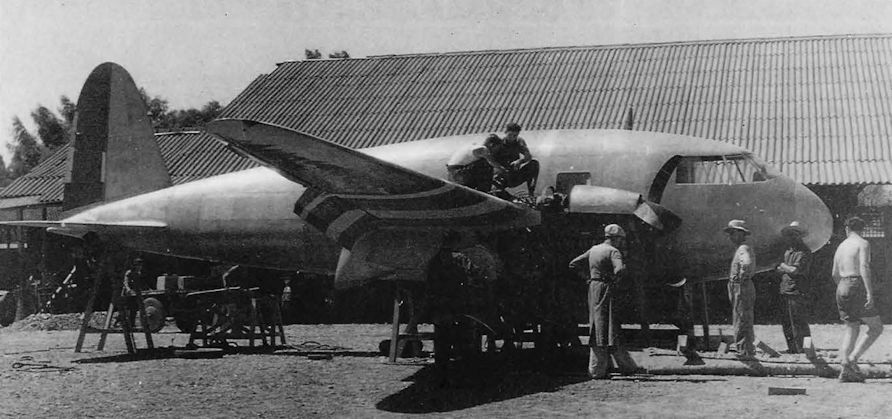
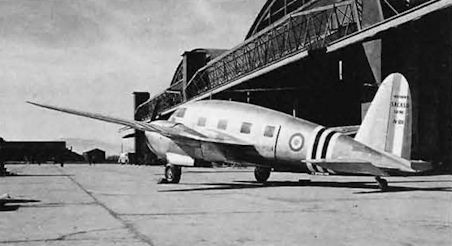
The SO 90 Cassiopee prototype at Maison Blanche airfield, Algiers (photo) after its daring escape from Cannes piloted by its designer Maurice Hurel with nine others on board 8.43. It was the first test flight of the aircraft and its engines and it was made without retracting the undercarriage. In the photograph crude "invasion" stripes have been painted on wings only to allow test flying and the aircraft is on trestles with undercarriage retracted. The starboard propeller is badly distorted, suggesting that on its first test the undercarriage may have failed to extend!
Самолёты на фотографии: Sud-Ouest SO.90 Cassiopee / SO.95 Corse - Франция - 1947
-
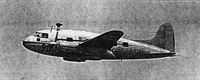
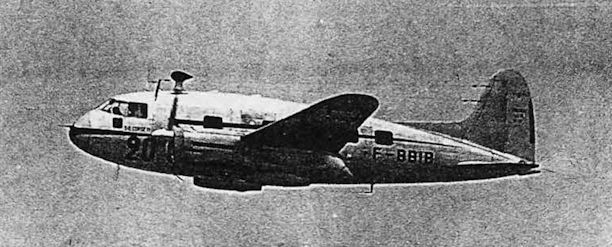
Регистрационный номер: F-BBIB Production consisted of fifteen SO 94 tricycle and forty-five SO 95 tailwheel aircraft, serving mostly in the French Navy. Photo shows SO.95-26 Corse II F-BBIB taking off. It later flew with Air Maroc.
Самолёты на фотографии: Sud-Ouest SO.90 Cassiopee / SO.95 Corse - Франция - 1947
-
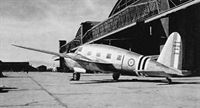
After repair it completed testing and was flown back to France after the Liberation painted as SO.90-01 (photo).
Самолёты на фотографии: Sud-Ouest SO.90 Cassiopee / SO.95 Corse - Франция - 1947
-
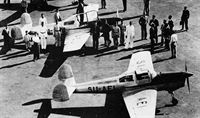
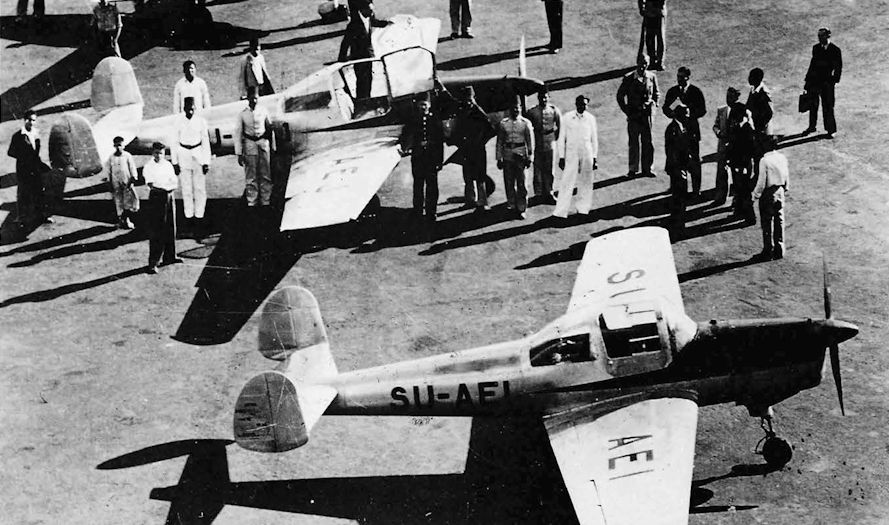
Регистрационный номер: SU-AEI, SU-AEJ After the tricycle undercarriage Max Holste MH52 was displayed at Paris a small number was sold, three going to Egypt as SU-AEI, J and K of which the first two are seen (above).
Самолёты на фотографии: Max Holste MH.52 / MH.53 - Франция - 1945
-
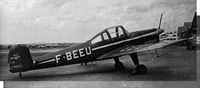
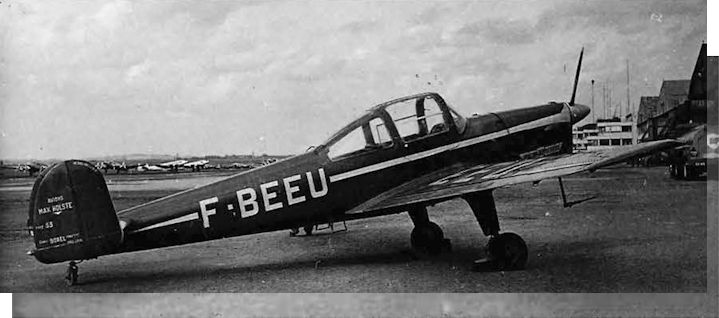
Регистрационный номер: F-BEEU For training purposes a tailwheel version was produced as the MH53 (c/n 01 F-BEEU, photo) but it did not sell and Max Holste went on to build the larger MH1521 Broussard with more success.
Самолёты на фотографии: Max Holste MH.52 / MH.53 - Франция - 1945
-
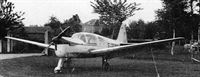
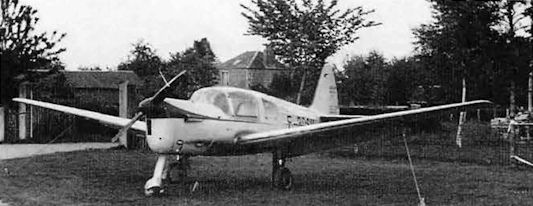
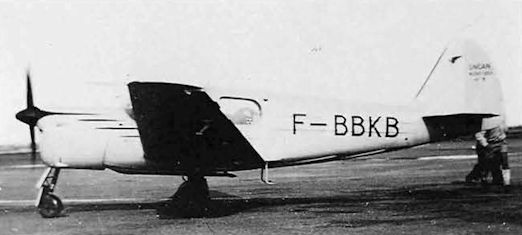
Регистрационный номер: F-BDSH The Nord 1200 series Norecrin was the most successful French single engine cabin lightplane retractable of the immediate postwar period. This was hardly surprising since SNCA du Nord had a head start from wartime manufacture of the Me 208/Nord 1101. The smaller 1201 had many similarities with the 1101, including the marked dihedral seen on c/n 13 F-BDSH (photo) and on c/n 3 F-BBKB which was a three seater modified from a 1201 with 140 hp Renault 4Pei to a 1203 with 135 hp Regnier 4LO.
Самолёты на фотографии: Nord Nord 1200 Norecrin / Nord 1220 Norelan - Франция - 1945
-
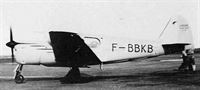
Регистрационный номер: F-BBKB The Nord 1200 series Norecrin was the most successful French single engine cabin lightplane retractable of the immediate postwar period. This was hardly surprising since SNCA du Nord had a head start from wartime manufacture of the Me 208/Nord 1101. The smaller 1201 had many similarities with the 1101, including the marked dihedral seen on c/n 13 F-BDSH and on c/n 3 F-BBKB (photo) which was a three seater modified from a 1201 with 140 hp Renault 4Pei to a 1203 with 135 hp Regnier 4LO.
Самолёты на фотографии: Nord Nord 1200 Norecrin / Nord 1220 Norelan - Франция - 1945
-
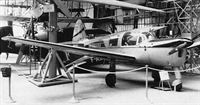
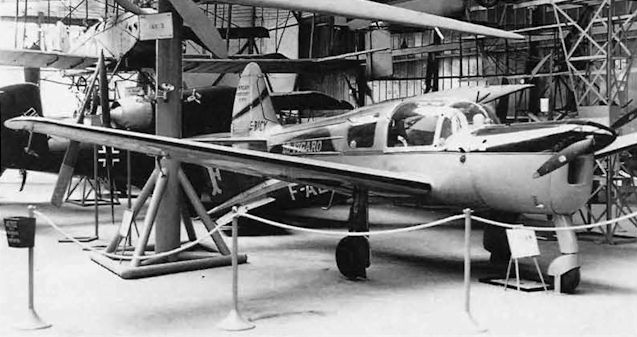
Регистрационный номер: F-BICY F-BICY "Le Figaro" c/n 373 is a 1203/11 with four seats, seen in the Musee de l'Air in 1969.
Самолёты на фотографии: Nord Nord 1200 Norecrin / Nord 1220 Norelan - Франция - 1945
-
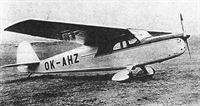
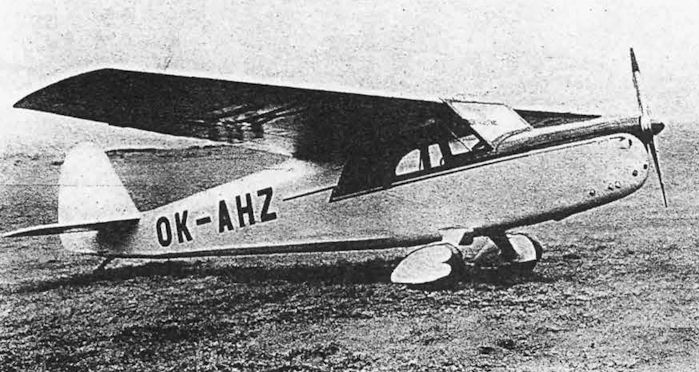
Регистрационный номер: OK-AHZ The two-seat Avia 3 6 Bojar cruised at 99 mph on its 65 hp Walter Mikron III four cylinder inverted in-line engine. OK-AHZ displayed at Paris (photo) differed from the prototype considerably, with revised windscreen, rear fuselage shape, undercarriage and tail surfaces but, as far as is known, no others were built.
Самолёты на фотографии: Avia Av.36 / Av.136 Bojar - Чехословакия - 1946
-
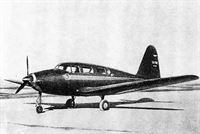
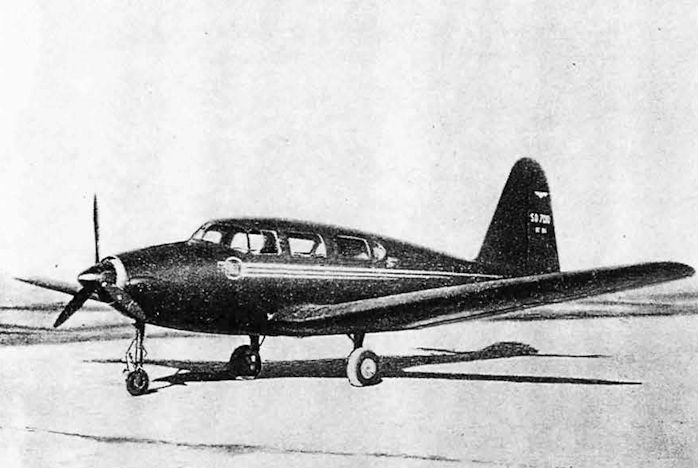
Регистрационный номер: F-WEAG The SO.7010 Pegase 6-seater was mistakenly said to have two 200 hp Mathis 8-cyl G8 engines, which gave rise to press reports of side-by-side and tandem installations. In fact the engine was a 400 hp G16R which had two crankshafts side-by-side each driven by a sideways-mounted vee of 8 cylinders, thus forming an X engine lying on its side, 40.7 in. wide by 28.3 in. high. Each crankshaft was de-clutchable from the reduction gear drive so that the aircraft could cruise economically on either half of the engine. The confusion arose because each half was described as equivalent to a G8 engine. This complicated system was not a success for the Pegase and after its first flight 27.2.48 the sole prototype F-WEAG was only test flown. It was reported to be intended for restoration for the Musee de l'Air; what did happen to it?
Самолёты на фотографии: Sud-Ouest SO.7010 Pegase - Франция - 1948
Статьи