

Фотографии

-
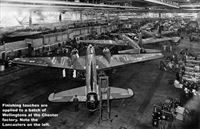
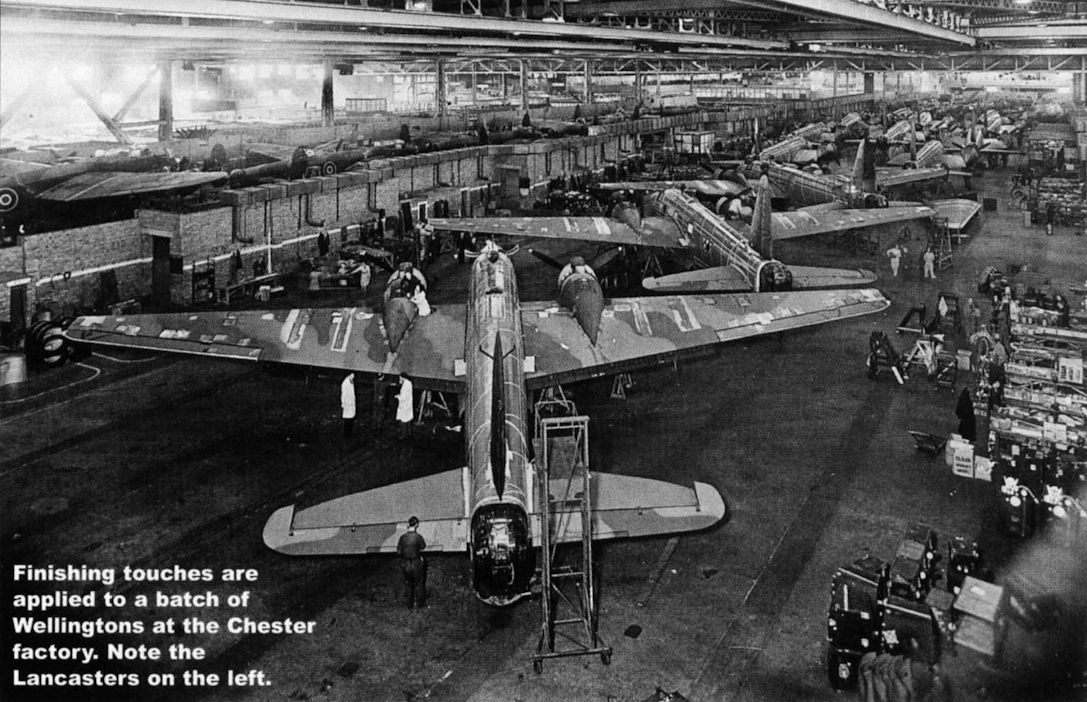
Finishing touches are applied to a batch of Wellingtons at the Chester factory. Note the Lancasters on the left.
Самолёты на фотографии: Avro Lancaster / Type 683 - Великобритания - 1941Vickers Wellington / Type 271 - Великобритания - 1936
-
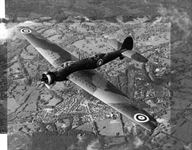
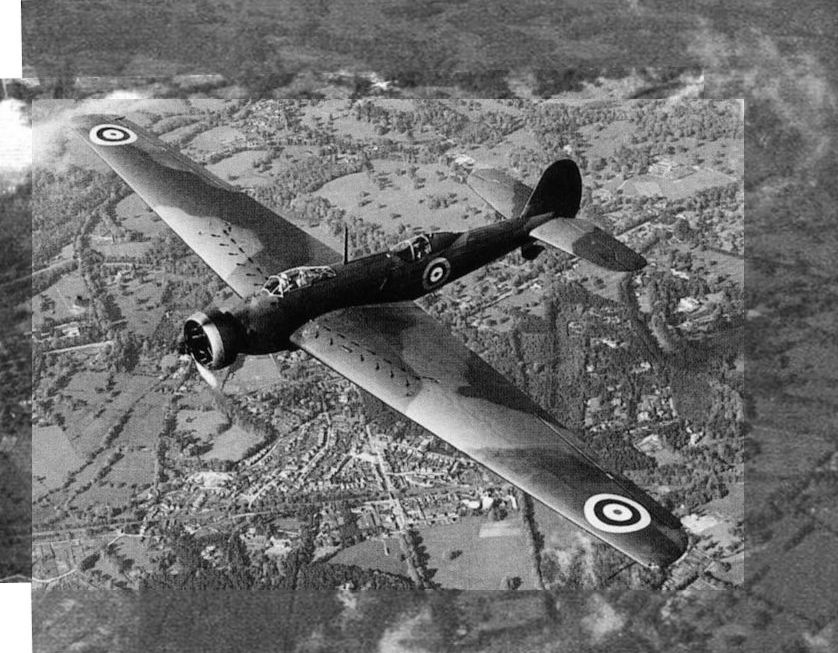
A Vickers Wellesley (Pegasus) of the type which set up a world's record of 7,158 miles, non-stop.
Designed to the same specification as the G.4/31 as a private venture, the entire Wellesley airframe was geodetic.
Great aerodynamic and structural efficiency, due to the system of geodetic construction employed, makes the Vickers Wellesley a most formidable long-range bomber. Pegasus X, XVII and XX engines have been specified.Самолёты на фотографии: Vickers Wellesley - Великобритания - 1935
-
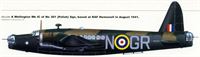
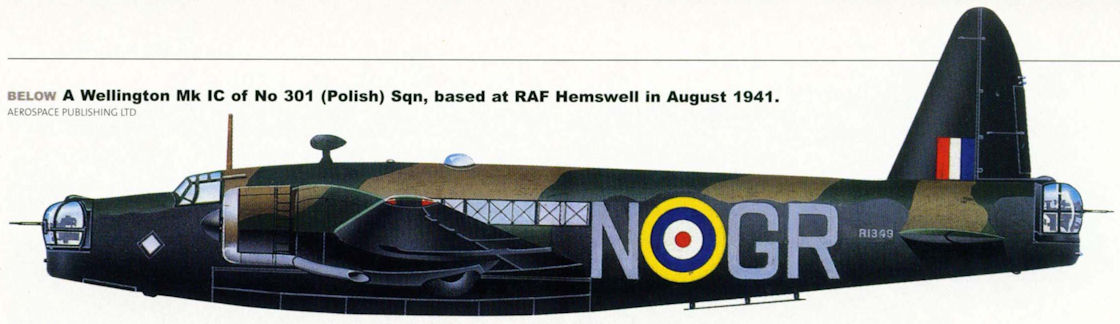
Регистрационный номер: R1349 A Wellington Mk IC of No 301 (Polish) Sqn, based at RAF Hemswell in August 1941.
Самолёты на фотографии: Vickers Wellington / Type 271 - Великобритания - 1936
-
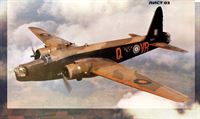
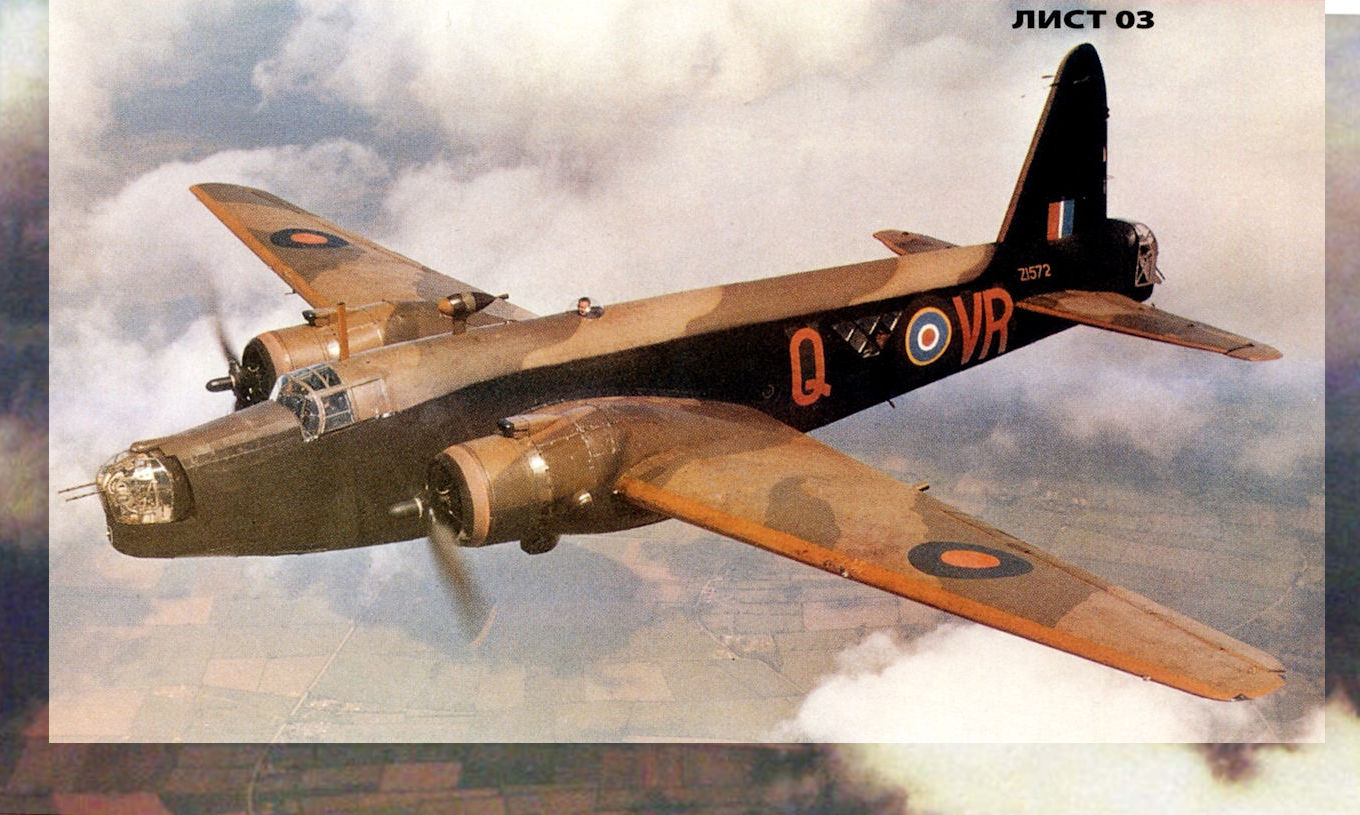
Регистрационный номер: Z1572 «Геодезическая» конструкция «Веллингтона» сделала каждый из 11 460 бомбардировщиков единственным в своем роде!
Изображен Wellington Mk III из 419-й эскадрильи "Moose" канадских ВВС, верхние поверхности которого окрашены в темно-землистый/темно-зеленый камуфляж, а борта и нижние поверхности - в темный "ночной" камуфляж.
Ordered into production in 1936, the Wellington was the only bomber being produced on September 3, 1939, that was still being built on VE-Day.Самолёты на фотографии: Vickers Wellington / Type 271 - Великобритания - 1936
-
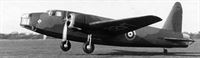
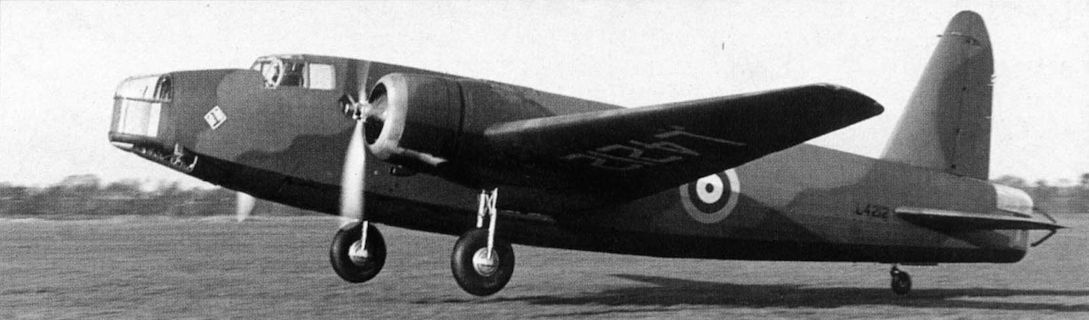
Регистрационный номер: L4212 "Mutt" Summers was at the controls again for the first flight of L4212, the Wellington Mk I prototype, on December 23, 1937, from Brooklands. K4049 had proved extremely stable, but L4212 was found to be nose-heavy in a dive, rectified by revising the elevator system.
The prototype Wellington Mk I bomber, L4212, taking off from Brooklands in December 1937. This aircraft was a complete redesign of the B.9/32, originally called the Crecy but changed to Wellington in September 1936.Самолёты на фотографии: Vickers Wellington / Type 271 - Великобритания - 1936
-
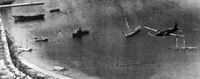
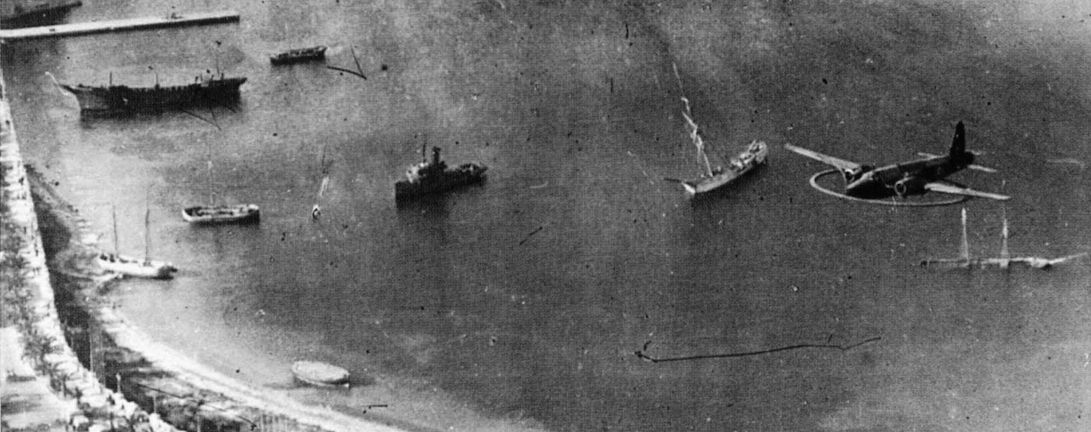
Originally used to detonate German magnetic mines around coastal Britain, DWI Wellingtons were later also used in the Middle East. This example is seen flying over Tripoli Harbour in Libya.
Самолёты на фотографии: Vickers Wellington / Type 271 - Великобритания - 1936
-
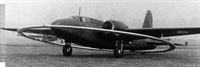
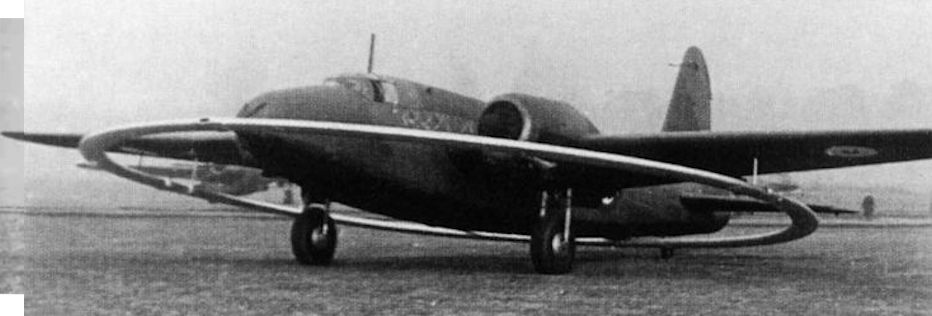
Vickers Wellington with a degaussing ring.
The Wellington DWI used a magnetic coil weighing some 2 1/2 tons for seeking out German magnetic mines.
Throughout spring 1940, Wellington DWIs of No 1 GRU (General Reconnaissance Unit) operated successfully around the South Coast, with little hindrance from enemy fighters.Самолёты на фотографии: Vickers Wellington / Type 271 - Великобритания - 1936
-
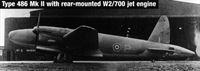
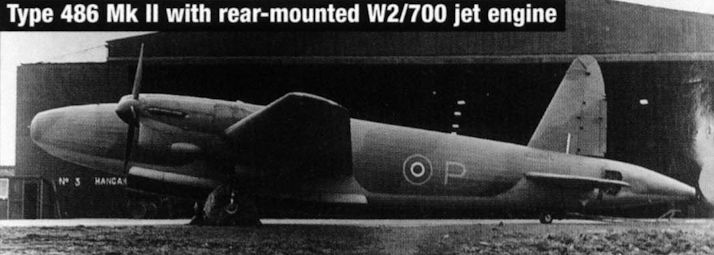
Type 486 Mk II with rear-mounted W2/700 jet engine
Самолёты на фотографии: Vickers Wellington / Type 271 - Великобритания - 1936
-
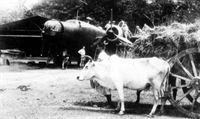
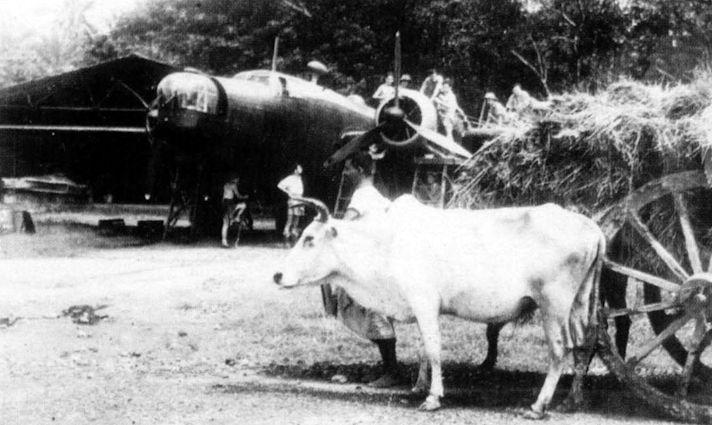
The first Wellington units in India, and the only ones there throughout 1942 and 1943, were Nos 99 and 215 Sqns.
Самолёты на фотографии: Vickers Wellington / Type 271 - Великобритания - 1936
-
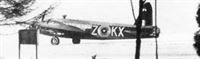
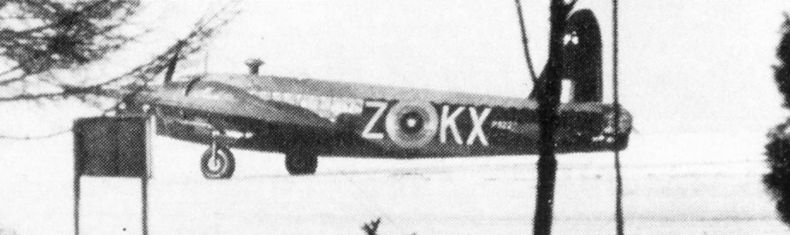
Регистрационный номер: R1458 Wellington Mk IC R1458/KX-Z served with No 311 (Czech) Squadron RAF between June 1941 and November 1941 as part of No 3 Group, Bomber Command, RAF. On a number of occasions Richard Husmann flew in it as rear gunner. Of 74 Wellingtons used by the squadron, only 20 completed more than 20 combat missions.
Самолёты на фотографии: Vickers Wellington / Type 271 - Великобритания - 1936
-
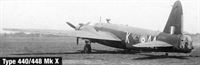
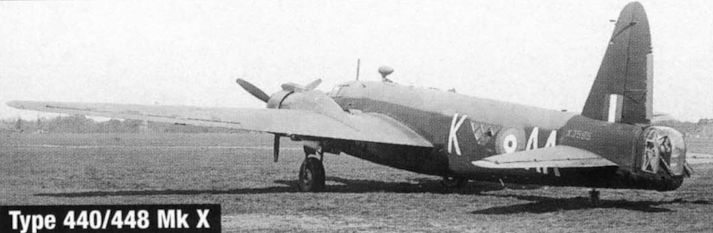
Регистрационный номер: X3595 Type 440/448 Mk X
Самолёты на фотографии: Vickers Wellington / Type 271 - Великобритания - 1936
-
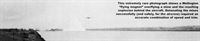
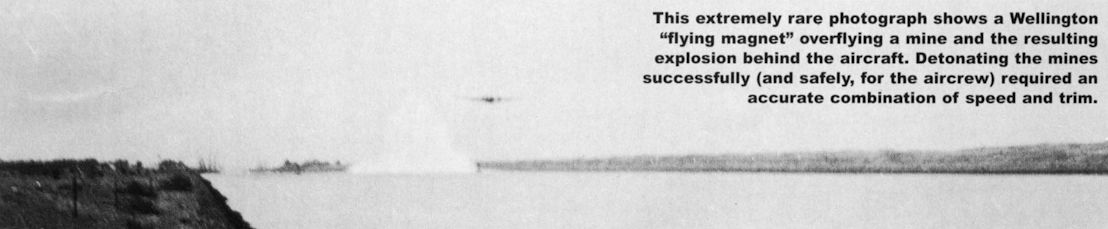
This extremely rare photograph shows a Wellington "flying magnet" overflying a mine and the resulting explosion behind the aircraft. Detonating the mines successfully (and safely, for the aircrew) required an accurate combination of speed and trim.
Самолёты на фотографии: Vickers Wellington / Type 271 - Великобритания - 1936
-
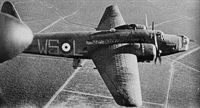
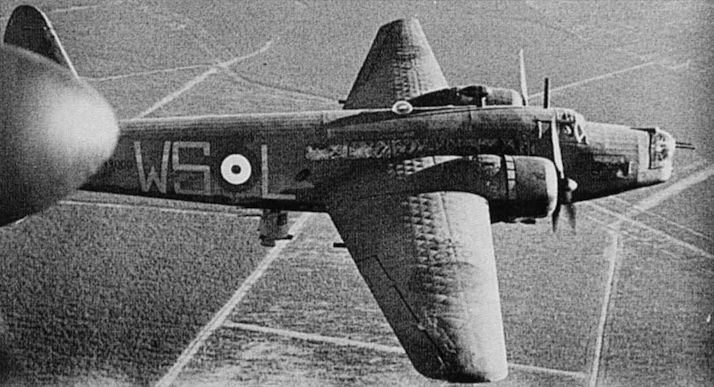
«Веллингтон» Mk. IA в полете с выпущенной выдвижной подфюзеляжной турелью FN25
A Mk IA of 9 Sqn, flying near Honington early in 1940, displays its lowered retractable “dustbin” turret, a singularly ineffective appendage that was soon discarded. Note also the "quilting" of the wing fabric under lift.Самолёты на фотографии: Vickers Wellington / Type 271 - Великобритания - 1936
-
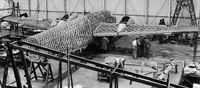
Регистрационный номер: K4049 [2] Barnes Wallis was responsible for the "basketweave" principle that made the Wimpy light but incredibly strong.
Самолёты на фотографии: Vickers Wellington / Type 271 - Великобритания - 1936
-
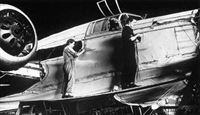
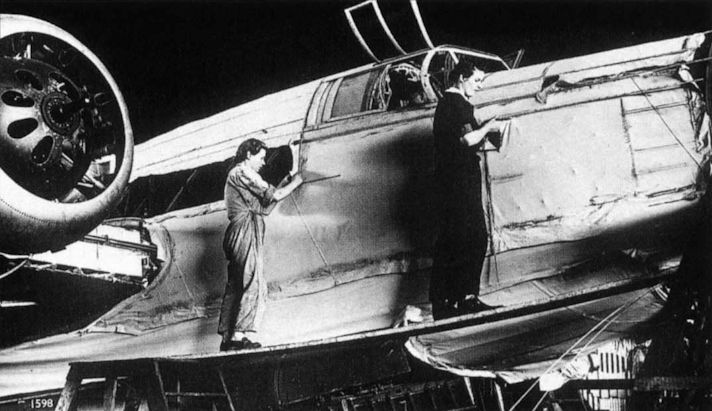
In some respects the Wellington was an anachronism, being fabric covered at a time when stressed skinning was the accepted formula for the modern bomber.
Самолёты на фотографии: Vickers Wellington / Type 271 - Великобритания - 1936
-
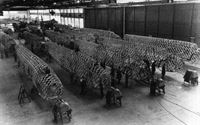
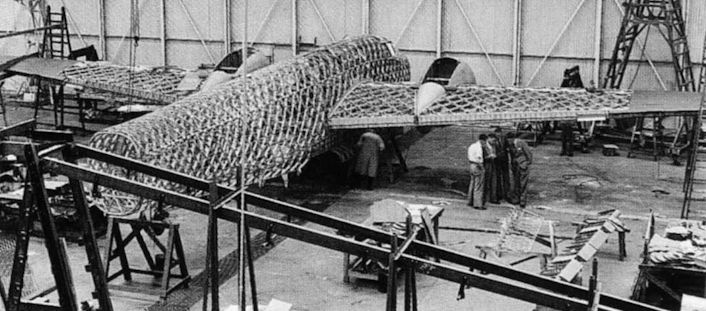
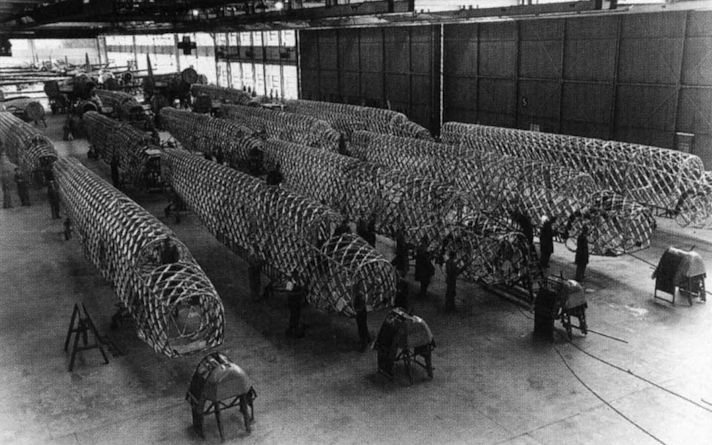
Wellington I fuselages await fabric covering in the erecting shop at the Vickers factory at Weybridge in 1939.
Самолёты на фотографии: Vickers Wellington / Type 271 - Великобритания - 1936
-
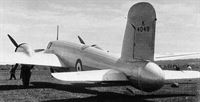
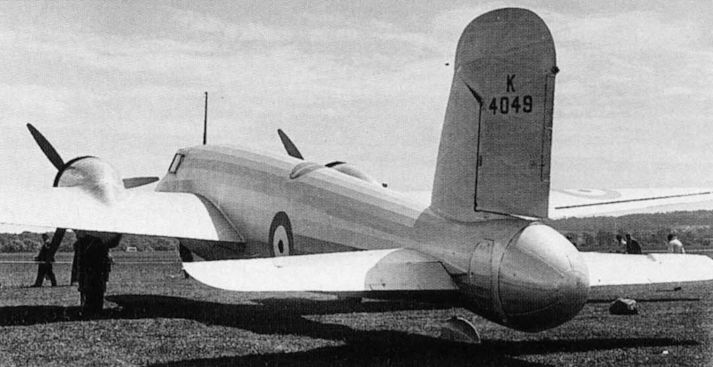
Регистрационный номер: K4049 [2] The Wellington prototype, K4049, was built with a fin and rudder from the Supermarine Stranraer in order to minimise time and energy spent on the design of the type.
Самолёты на фотографии: Vickers Wellington / Type 271 - Великобритания - 1936
-
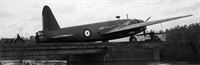
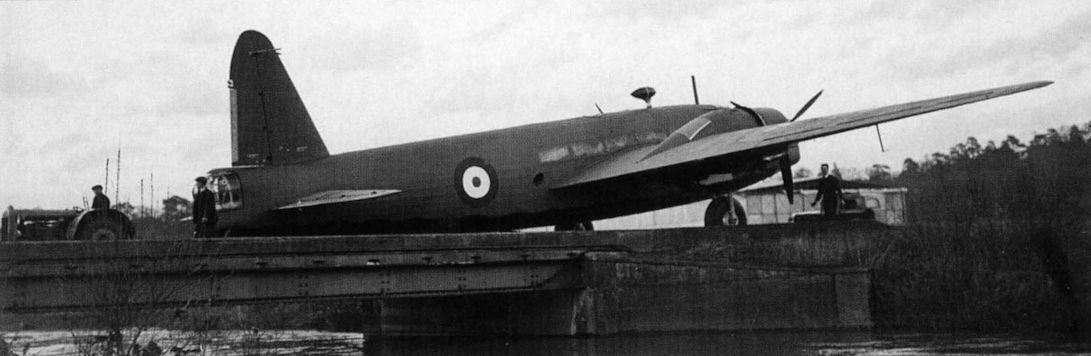
At Brooklands, Wellingtons would be put together in the assembly sheds, and then towed across the River Wey to the airfield for testing and eventual ferrying to operational units.
Самолёты на фотографии: Vickers Wellington / Type 271 - Великобритания - 1936
-
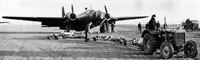
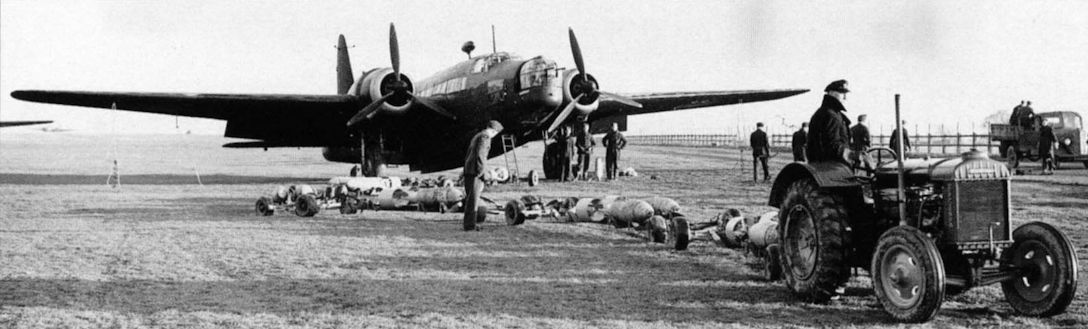
A tractor delivers a lethal load to a Wellington IA of 75 (New Zealand) Sqn at Feltwell, Norfolk, in 1940. This unit used Wellingtons until late 1942, when Short Stirlings replaced them.
Самолёты на фотографии: Vickers Wellington / Type 271 - Великобритания - 1936
-
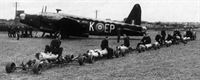
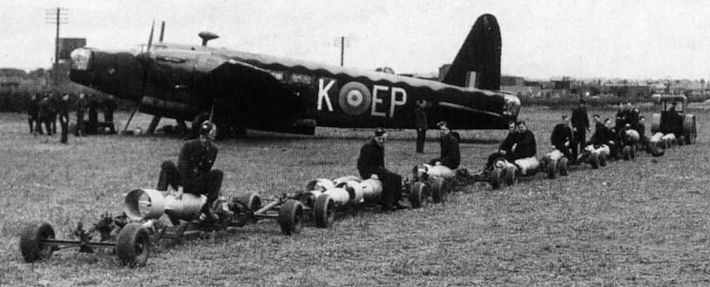
No 104 Sqn operated the Merlin X-powered Wellington II between 1941 and 1943, mainly in the Mediterranean theatre, although this picture was probably taken at Driffield in 1941.
Самолёты на фотографии: Vickers Wellington / Type 271 - Великобритания - 1936
-
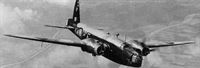
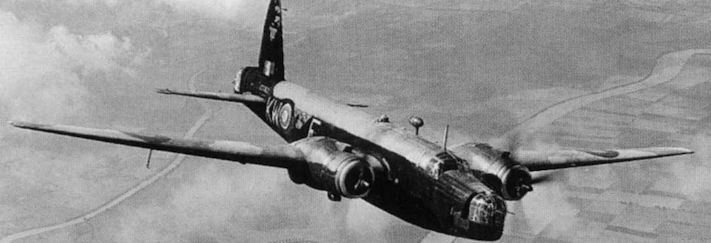
Wellington III KW-E was operated by No 425 (Alouette) Sqn of the RCAF. It later became KW-L and was lost in a raid on Stuttgart on the night of April 14-15, 1943.
Самолёты на фотографии: Vickers Wellington / Type 271 - Великобритания - 1936
-
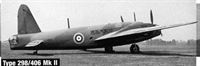
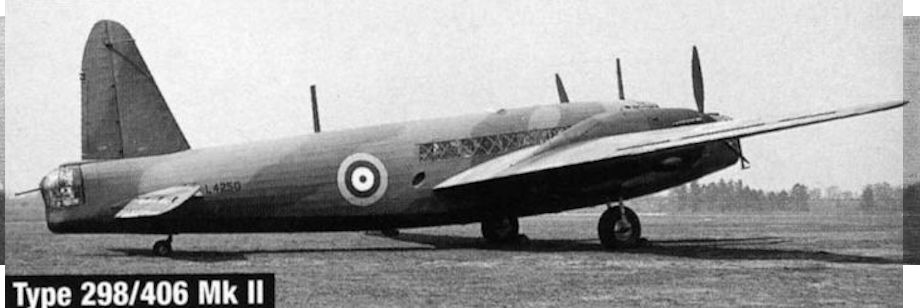
Регистрационный номер: L4250 Type 298/406 Mk II
Carrying extra guns or ammunition in place of bombs the Wellington would make a fine fighter tor escorting bombers.Самолёты на фотографии: Vickers Wellington / Type 271 - Великобритания - 1936
-
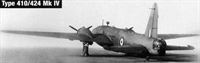
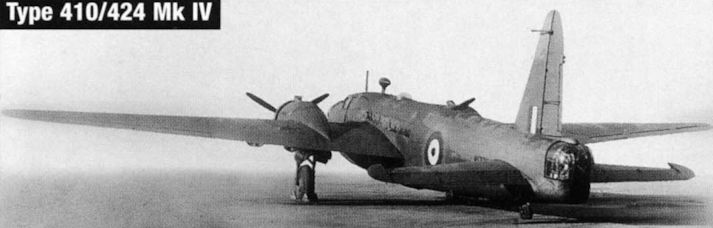
Регистрационный номер: R1220 Type 410/424 Mk IV
Самолёты на фотографии: Vickers Wellington / Type 271 - Великобритания - 1936
-
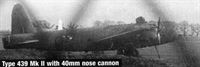
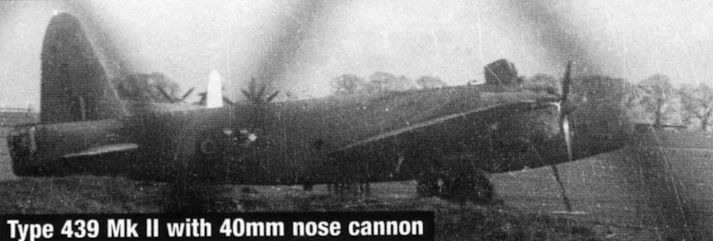
Type 439 Mk II with 40mm nose cannon
Самолёты на фотографии: Vickers Wellington / Type 271 - Великобритания - 1936
-
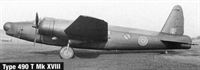
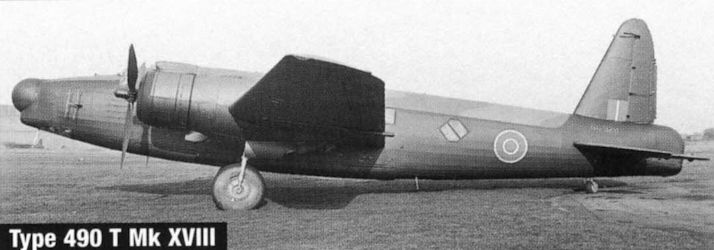
Type 490 T Mk XVIII
Самолёты на фотографии: Vickers Wellington / Type 271 - Великобритания - 1936
-
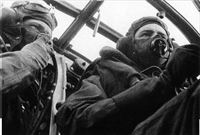
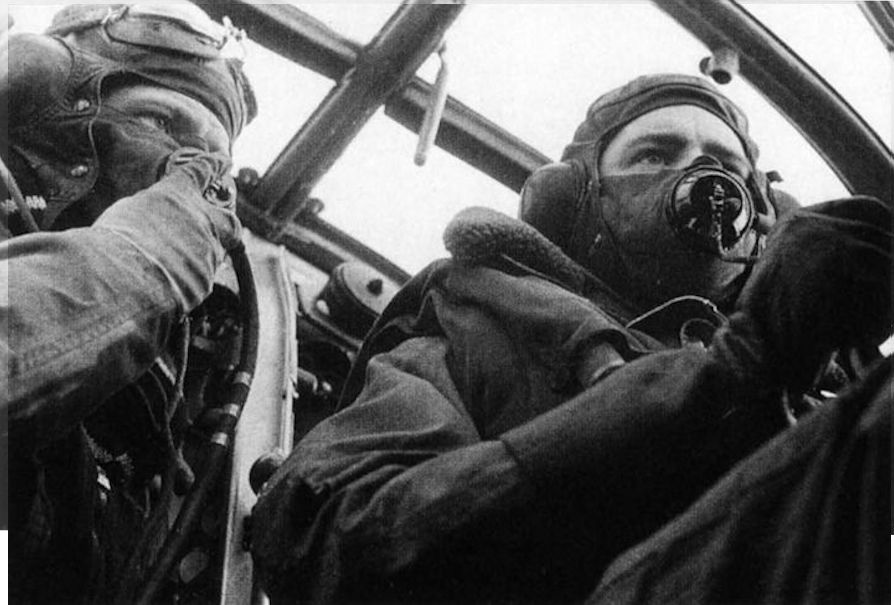
Captain and Second Pilot of a bomber using oxygen masks during a high-altitude attack.
RAF aircrew in a Wellington cockpit. Being fabric-covered, it was not the warmest of aircraft in cold weather.
The picture shows the occasional chink of cockpit space between bulky flying suits, equipment and oxygen pipes.Самолёты на фотографии: Vickers Wellington / Type 271 - Великобритания - 1936
-
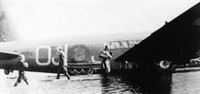
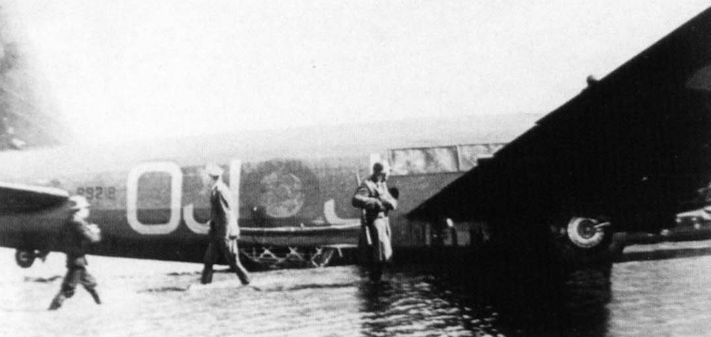
Регистрационный номер: P9218 Wellington IA P9218 of No 149 Sgn was listed as missing after a raid on Aalborg airfield on April 22, 1940. Here German guards watch over it after a somewhat damp descent.
Самолёты на фотографии: Vickers Wellington / Type 271 - Великобритания - 1936
-
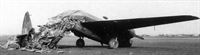
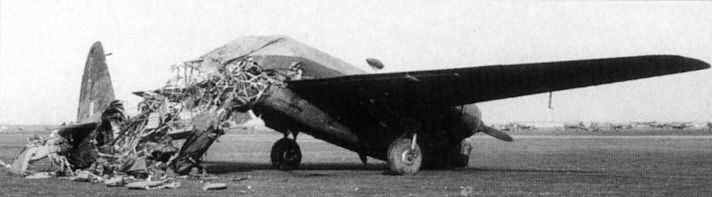
Not all of the 1,669 Wellingtons lost by Bomber Command during the war fell to enemy fire. This one tangled with a P-47 on December 27, 1943, at Foggia in Southern Italy.
Самолёты на фотографии: Vickers Wellington / Type 271 - Великобритания - 1936
-
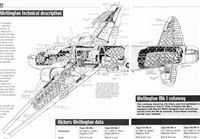
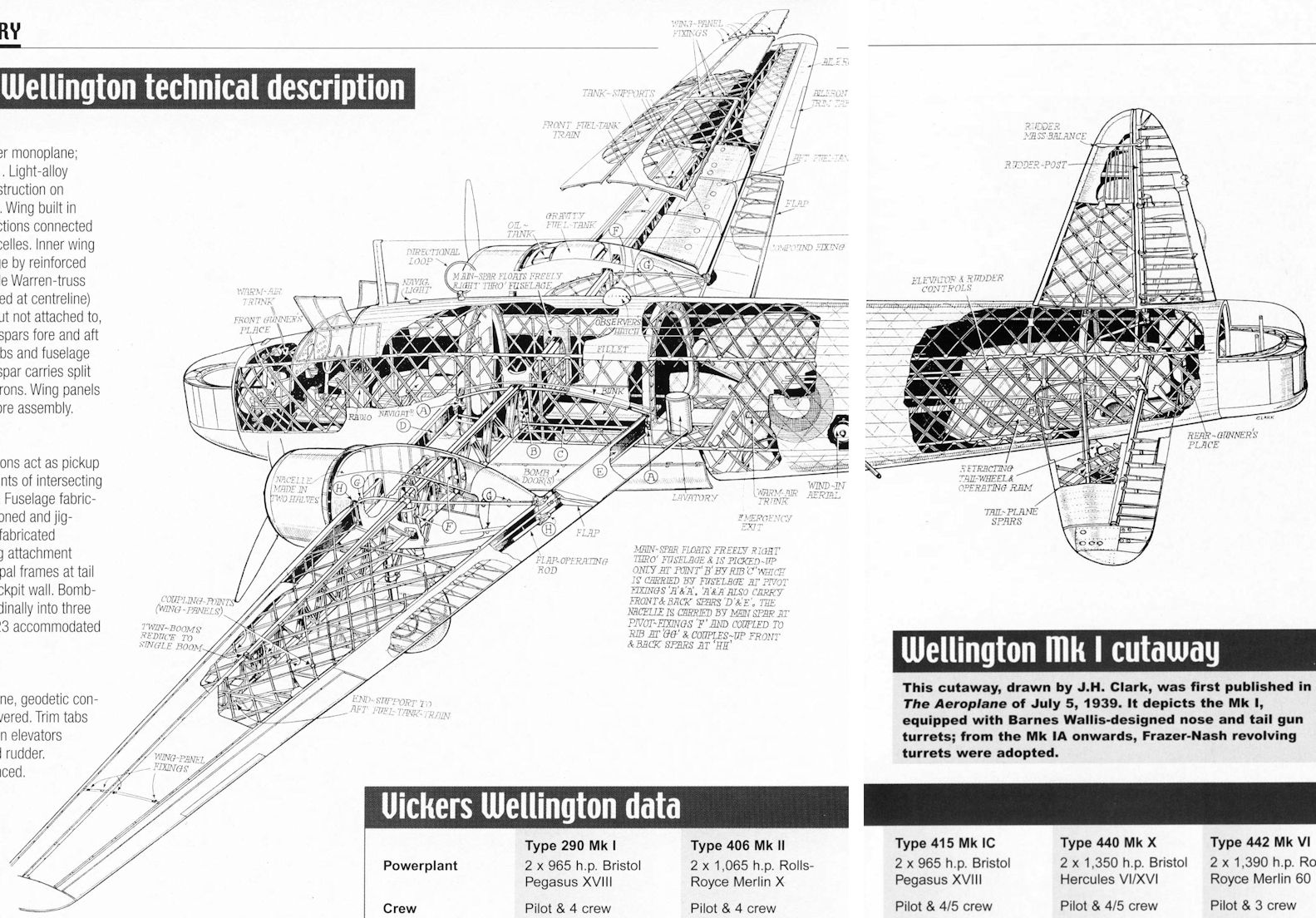
This cutaway, drawn by J.H. Clark, was first published in The Aeroplane of July 5, 1939. It depicts the Mk I, equipped with Barnes Wallis-designed nose and tail gun turrets; from the Mk IA onwards, Frazer-Nash revolving turrets were adopted.
Самолёты на фотографии: Vickers Wellington / Type 271 - Великобритания - 1936
-
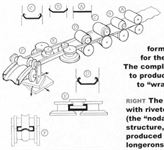
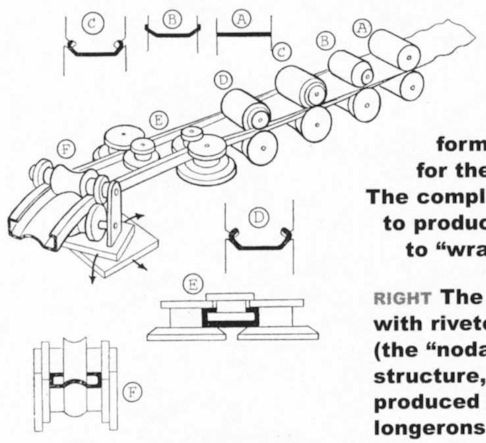
A diagram of the stage-by-stage metal-rolling process by which flat alloy strip was formed into the channel section used for the Wellington's geodetic structure. The completed sections were further rolled to produce the complex curvature needed to "wrap around" the airframe contours.
Самолёты на фотографии: Vickers Wellington / Type 271 - Великобритания - 1936
-
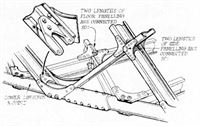
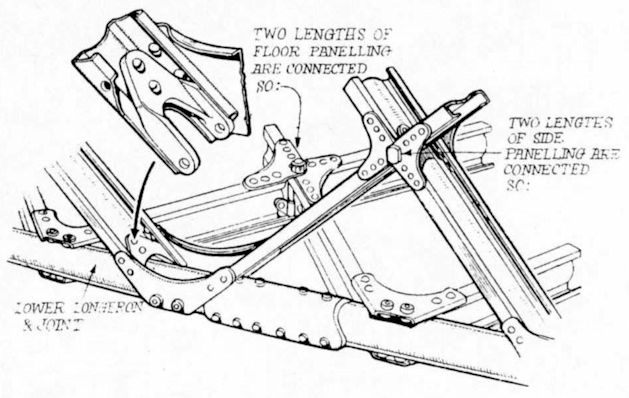
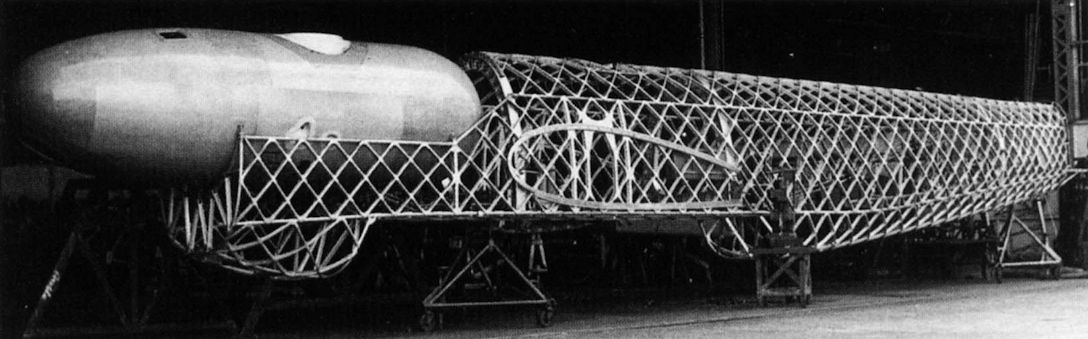
The geodetics were joined together with riveted plates wherever they crossed (the "nodal points") to give rigidity to the structure, and the geodetic panels thus produced were joined to the tubular longerons in a similar manner.
Самолёты на фотографии: Vickers Wellington / Type 271 - Великобритания - 1936
-
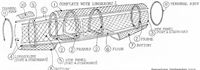
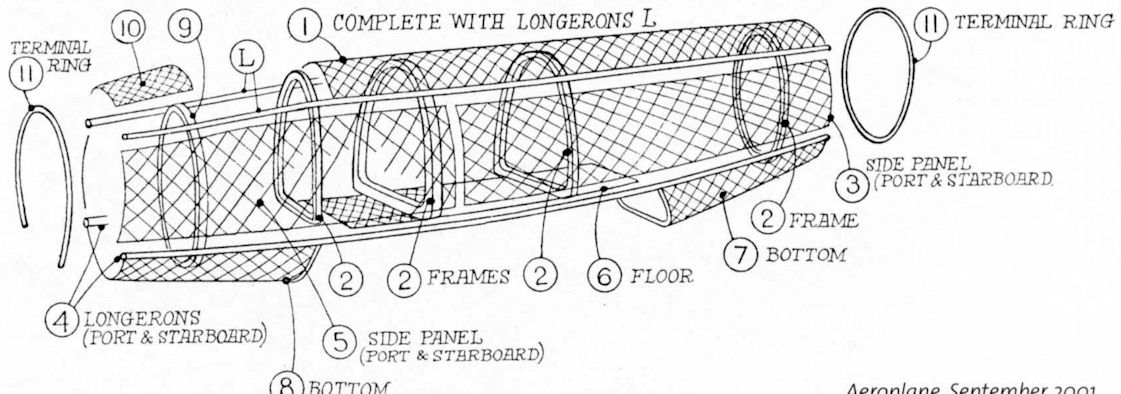
The fuselage production breakdown.
Самолёты на фотографии: Vickers Wellington / Type 271 - Великобритания - 1936
-
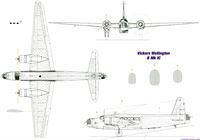
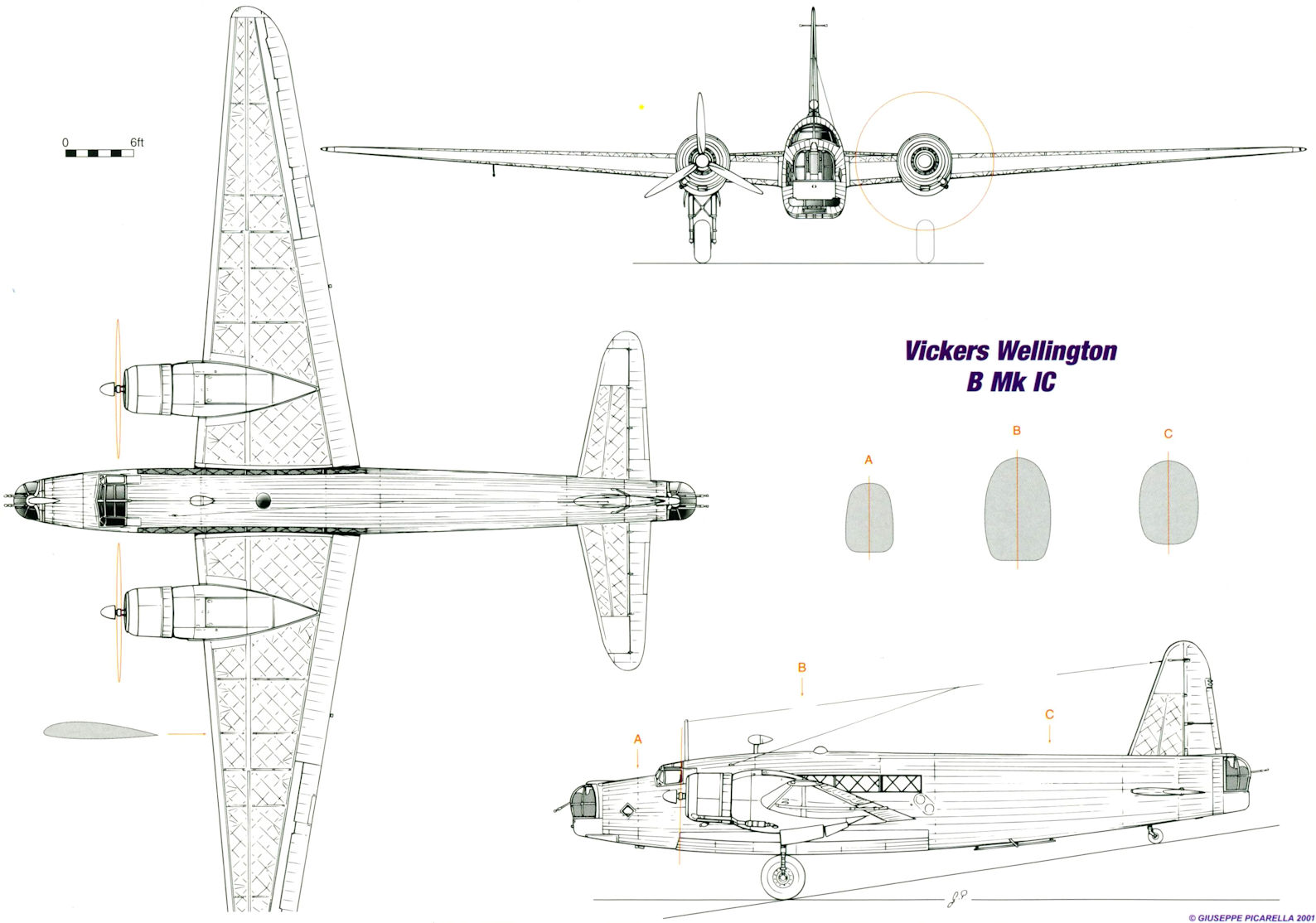
Vickers Wellington B Mk IC
Самолёты на фотографии: Vickers Wellington / Type 271 - Великобритания - 1936
-
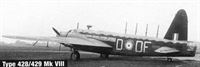
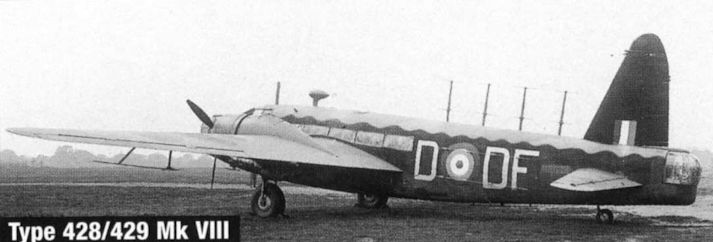
Type 428/429 Mk VIII
Самолёты на фотографии: Vickers Wellington GR - Великобритания - 1941
-
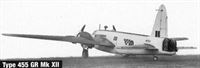
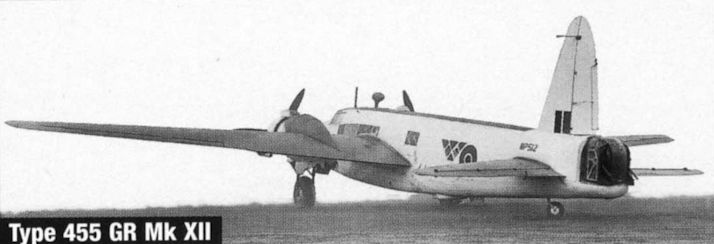
Регистрационный номер: MP512 [2] Type 455 GR Mk XII
Самолёты на фотографии: Vickers Wellington GR - Великобритания - 1941
-
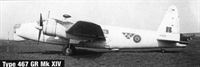
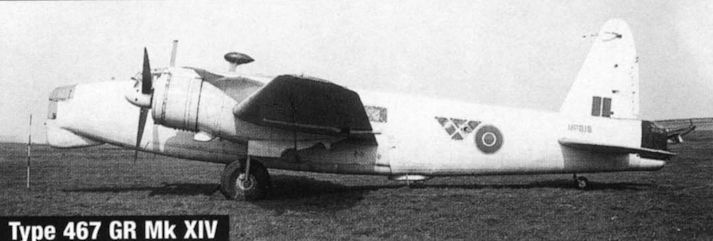
Регистрационный номер: MP512 [2] Type 467 GR MK XIV
Самолёты на фотографии: Vickers Wellington GR - Великобритания - 1941
-
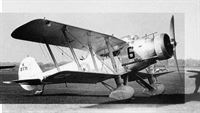
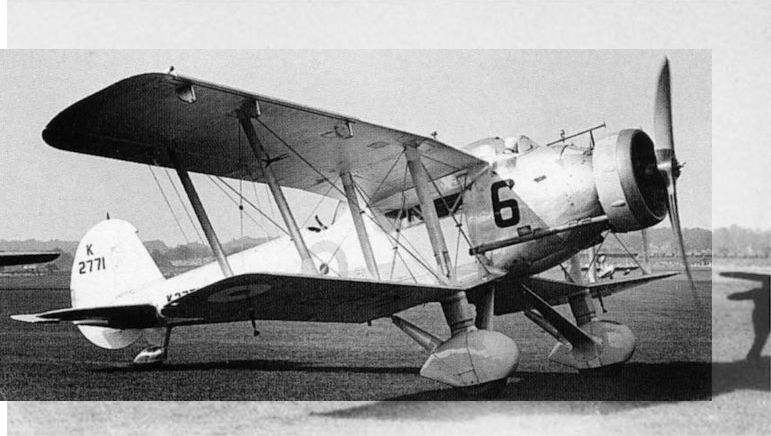
Регистрационный номер: K2771 The Vickers Type 253 general purpose biplane, powered by a 750 h.p. Pegasus III engine, was flown by Flt Lt H. P. Fraser.
The G.4/31 was the first fixed-wing aircraft to employ the geodetic structure devised by Vickers' chief structural designer, Barnes Wallis, incorporating a geodetic fuselage.Самолёты на фотографии: Vickers G.4/31 / Type 253 - Великобритания - 1934
-
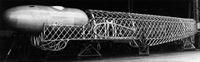
The Mk V was developed as a high-altitude bomber, by installing a pressure cabin into the airframe. Although the pressurised versions were not widely used in the war, the experience was put to good use with the Valiant.
Самолёты на фотографии: Vickers Wellington Mk.V / Mk.VI - Великобритания - 1940
Статьи
- -
- Navigator
- News
- Skywriters /Readers' letters/
- A.Lumsden - Vickers Wellington /Database/ (11)
- I.Davies - A Casualty of War & Fate /Accident analysis/
- J.Couper - Vickers Wellington: Flying the Wellington (Pilot's perspective) /Database/ (11)
- J.Meadows - Mosquito update /In the workshop/ (3)
- M.O'Leary - From Rainmaker to Warbird /WW2 preservation/
- N.Stroud - Vickers Wellington: Raised from the Deep (Preservation) /Database/ (11)
- P.Jarrett - Inter-war One-offs /Inter-war civil/
- P.Kucera - Vickers Wellington: Recreating a Wimpy (Film mock-up) /Database/ (11)
- R.Dorr - Fighters in transition /Korean war/ (3)
- R.Werneth - Pacific Adventure /Warbird hunting/