

Фотографии
-
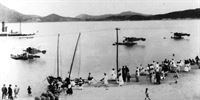
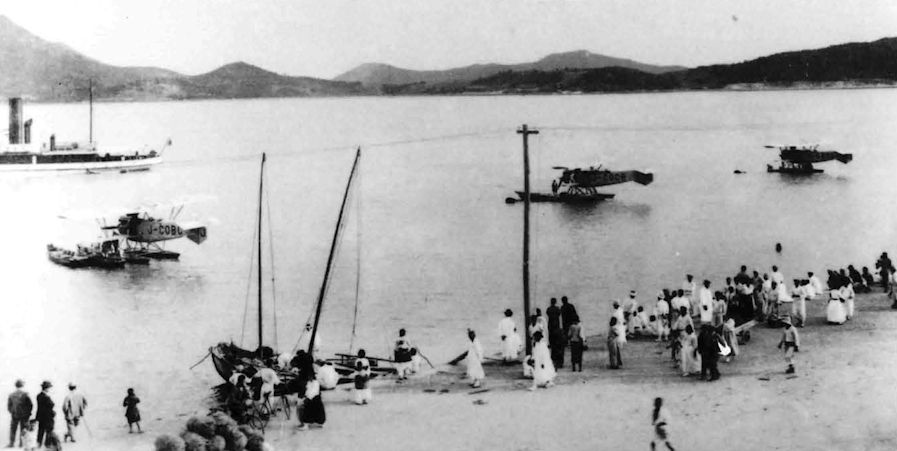
Регистрационный номер: J-COBC, J-COBE, J-COCD Early route-proving. Three Kawanishi K-7A four-passenger cabin floatplanes at anchor at Mogpo, Korea in October 1925 during a trial flight from Osaka to Mogpo and Shanghai. The aircraft are, from left to right, J-COBC, J-CODE and J-COCD.
Самолёты на фотографии: Kawanishi K-7 - Япония - 1924
-
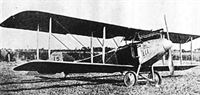
Over one hundred examples of the Nakajima 5 two-seat open-cockpit biplane were built, mostly for the Japanese Army. Some were later civilianised and together with a small number of original civil machines they served successfully with flying schools in the twenties.
Самолёты на фотографии: Nakajima Type 1 - 6 - Япония - 1918
-
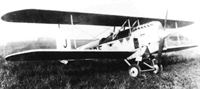
Регистрационный номер: J-CODF Kawanishi K-10 J-CODF (260-305 hp Maybach Mb IVa 6-cyl water-cooled in-line) was used by NKKK, initially as a mailplane on the Osaka - Seoul - Dairen route. The K-10 could carry four passengers in a cabin immediately behind the engine bulkhead. We now know that this example, the second of the two built, had a relatively short career of less that six months before being destroyed.
Самолёты на фотографии: Kawanishi K-10 - Япония - 1926
-
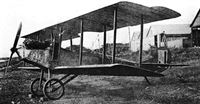
Регистрационный номер: J-HUDE The second of the two Itoh Emi 13 trainers built, J-HUDE was powered by a 90 hp Curtiss OX-5 eight-cylinder water cooled vee. Prominent features visible in this photo include the external radiator and the 'elephant-ear' ailerons. The aircraft was used for training at the Itoh company's beach airfield at Tsudanuma but was cancelled as destroyed in October 1921.
Самолёты на фотографии: Itoh Emi 13 - Япония - 1920
-
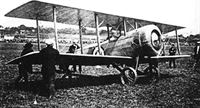
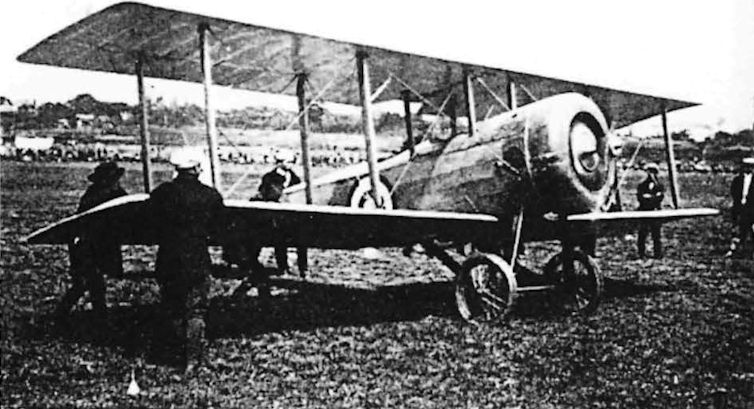
Регистрационный номер: J-HUKL, J-TANO The sole example of the Shirato 31 trainer, powered by a 120 hp Le Rhone nine-cylinder air-cooled rotary engine. The aircraft wears Shirato's trademark target on the fuselage but no registration is visible. Formerly J-TANO it was re-registered J-HUKL in 1923 and was unfortunate not to attract any orders as the basically simple design was ideal for instructional use.
Самолёты на фотографии: Shirato 31 - Япония - 1921
-
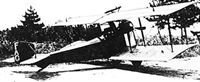
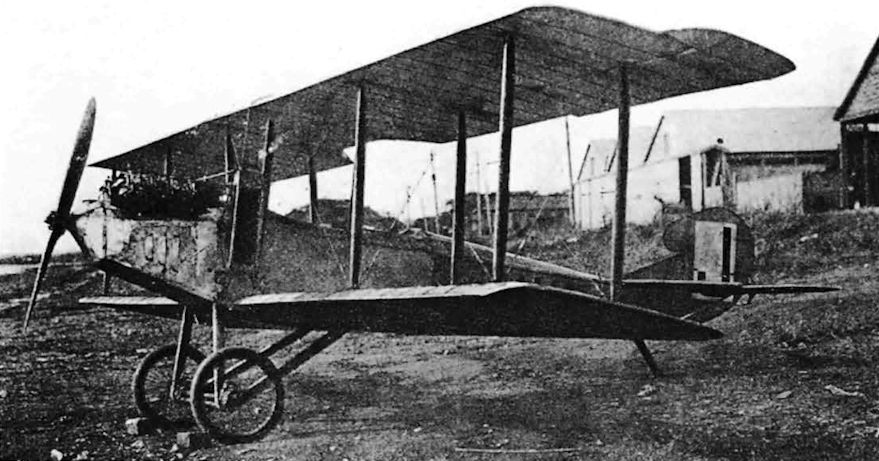
Регистрационный номер: J-HUAB Another one-off machine was the Fukunaga Tenryu 3 biplane J-HUAB which was actually the Itoh Emi 2 considerably modified by Asao Fukunaga over a period of time. Originally designed in 1917, it was powered by a 35-45 hp Gregoire Gyp 4-cyl water-cooled in-line engine of 1910 vintage which had been used in several earlier aircraft and, even by 1917, was 'old technology'!
Самолёты на фотографии: Itoh Emi 2 - Япония - 1917
-
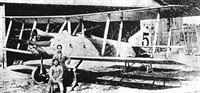
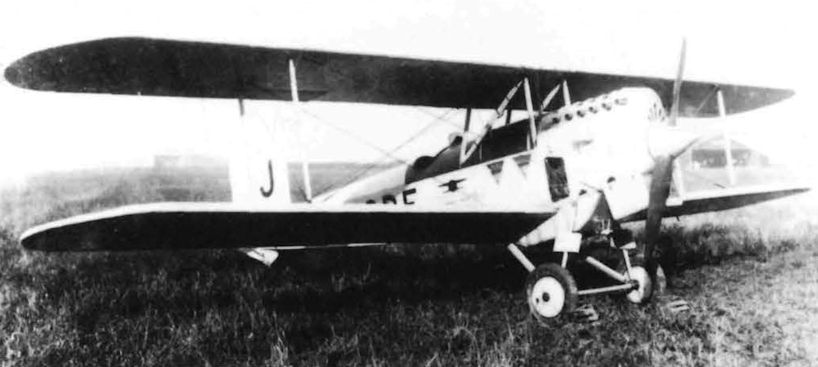
Регистрационный номер: J-HUFG The Ogawa 5 trainer was a modified light-weight version of the Nakajima 5. The top wing was moved back, thus producing a negative stagger, to counter the reduced weight of the 70 hp Renault engine which replaced the 150 hp Hall-Scott of the original design. Large ducts were added to supply cooling air to the Renault. Only one example, registered J-HUFG, was built and the venture was unsuccessful.
Самолёты на фотографии: Ogawa 5 - Япония - 1921



Статьи
- -
- Casualty Compendium (73)
- Elmdon Airport Movements Log 1939 (3)
- Extracts
- C.Smith - The Piper PA-14 Family Cruiser /Aircraft Production List/ (7)
- J.Geelen, R.Deerness - New Zealand (ZK-) /Complete Civil Registers/ (3)
- J.Meaden - The Hammond Y "Safety 'Plane" (3)
- K.Ellis - The ABC of the Flying Flea (4)
- M.Fillmore - The de Havilland Puss Moth /The Whole Truth/ (8)
- P.Gerhardt - East Germany (DM- DDR-) 1955-91 /Complete Civil Registers/ (13)
- T.Fujita - The Japanese Civil Register 1919-45 /Japanese Civil Register/ (13)