

Фотографии
-
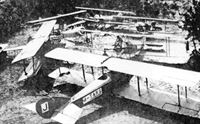
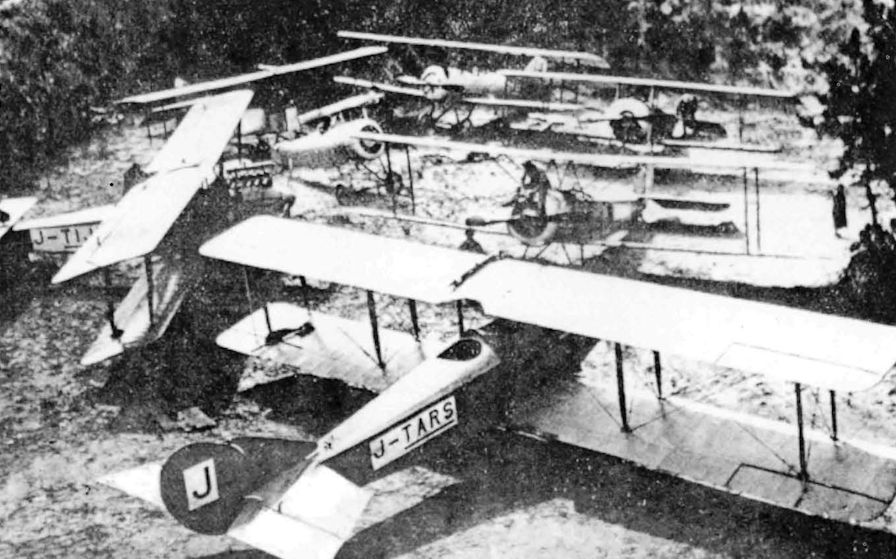
Регистрационный номер: J-TARS, J-TAYZ The Fukunaga Aeroplane Manufacturing Works showing the Tenryu 6 Racing Aircraft J-TARS, in the front, the Tenryu Type 7 Trainer J-TAYZ at the rear and, on the left, J-TIJ# appears to be a Nakajima Type 5 Trainer with a Hall-Scott 6-cyl in-line.
Самолёты на фотографии: Fukunaga Tenryu 6 - Япония - 1921Fukunaga Tenryu 7 - Япония - 1921Nakajima Type 1 - 6 - Япония - 1918
-
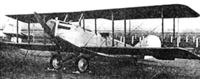
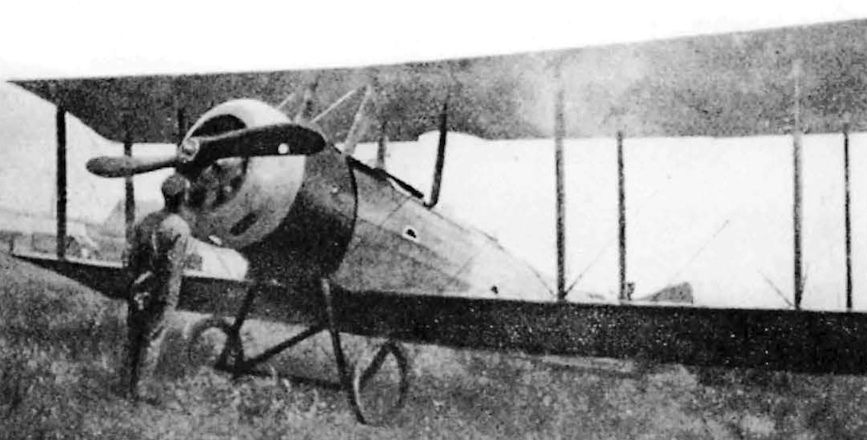
Регистрационный номер: J-TAXY The Fujinawa 1 (J-TAXY) was also known as the Fujinawa Orenco Aeroplane because of its close similarity to the American-built Orenco (Ordnance Engineering Corporation) Tourister Type F shown here, a 4-seater with tandem open cockpits the rear one of which had dual controls fitted. Orenco had designed single-seat fighters during the 1914-18 War, none of which went into production, and the Type F was an attempt to sell a civil version of a military design with a 150 hp Wright-Hispano engine. Parts or plans may have reached Eiichi Fujinawa who built his version in 1921.
Самолёты на фотографии: Orenco F Tourister - США - 1920
-
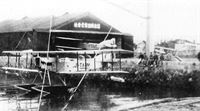
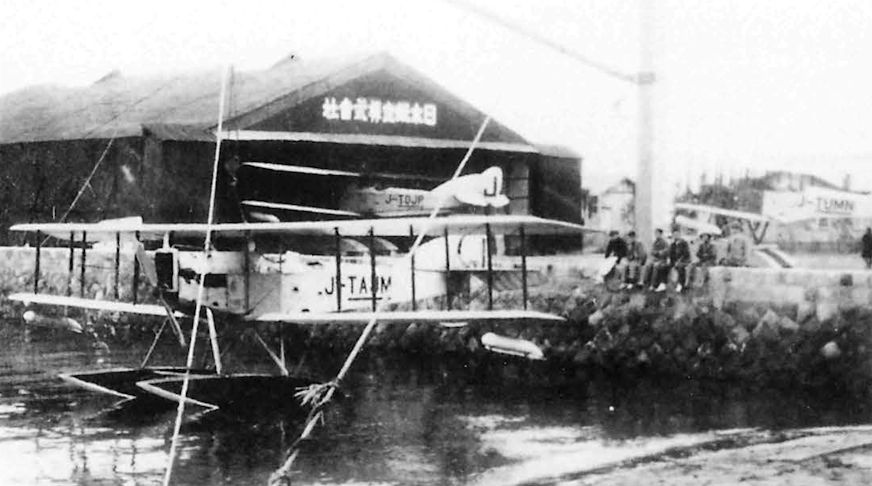
Регистрационный номер: J-TAJM, J-TOJP, J-TUMN The Beppu base of Nippon Koku KK, circa 1925, showing three examples of the Yokosho Ro-go Ko-gata seaplane with J-TAJM in the foreground, J-TOJP in the hangar doorway and J-TUMN on the right. The first Japanese Navy aircraft to go into production, the type was powered by a 200-220 hp Mitsubishi built Hispano-Suiza E 8-
cyl water cooled vee. Over 200 were built by Yokosho, Aichi and Nakajima and several were later civilianised for use as freight or mail carriers.Самолёты на фотографии: Yokosuka Navy Yokosho Ro-go Ko-gata Reconnaissance Seaplane - Япония - 1918
-
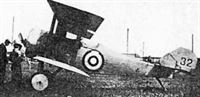
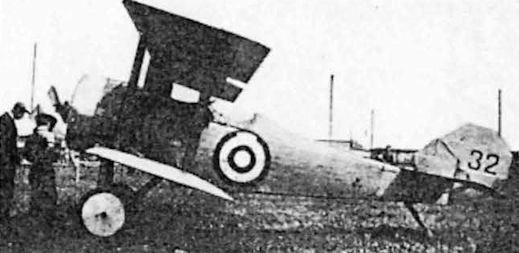
Регистрационный номер: J-TAGH The Shirato 32 Racing Aeroplane (J-TAGH) wearing the type number on the rudder and company bulls-eye motif below the cockpit.
Самолёты на фотографии: Shirato 32 - Япония - 1920
-
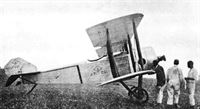
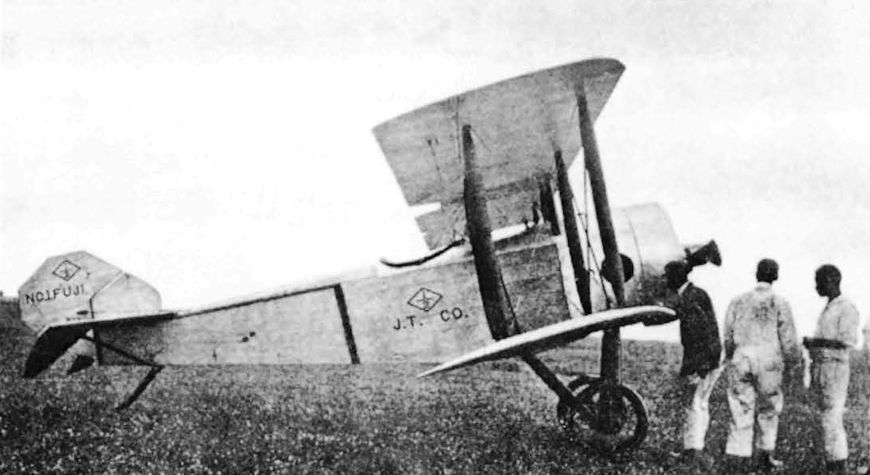
Регистрационный номер: J-TAMN The Itoh Emi 16 "Fuji-go" Racing Aeroplane (J-TAMN) was a basically simple 2-seat design as shown in this view of the sole example. Of interest are the two diamond symbols which contain the figure V2, the inscriptions "No, 1 Fuji" on the rudder and "J.T.CO." below the cockpit - the significance of which we are unaware of.
Самолёты на фотографии: Itoh Emi 16 Fuji-Go / Emi 19 Akira-Go - Япония - 1921
-
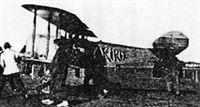
Регистрационный номер: J-TAJK The Itoh Emi 19 Akira-go (J-TAJK), named after its owner-pilot Akira Sato. Sources differ as to whether he was killed in this aircraft.
Самолёты на фотографии: Itoh Emi 16 Fuji-Go / Emi 19 Akira-Go - Япония - 1921
-
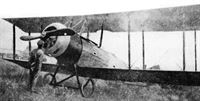
Регистрационный номер: J-TAPQ The Tamai 24 Trainer (J-TAPQ) was designed and built in 1920 on the site of the present Haneda Airport by Terutaka Tamai, the brother of the company founder (and co-founder of the Nippon Flying School) Seitaro Tamai who was killed in a flying accident in May 1917. It was later operated from an airfield at Yokohama City in the ownership of Naoji Tomono, another of the founders of the NFS.
Самолёты на фотографии: Tamai 24 Trainer - Япония - 1920
-
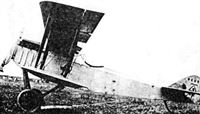
Регистрационный номер: J-TAUV The Oguri No. 2 Trainer was designed by Tsunetaro Oguri who learned to fly in the United States and adopted the black cat symbol worn by his aircraft from examples he had seen there. His first aircraft was built from imported parts of a Curtiss Jenny but his second aircraft (and only other known design) had a shorter wing and a more powerful 180 hp imported Hispano-Suiza engine.
The register entry for J-TAUV below surely refers to this aircraft since the dates and pilot's licence validation are in agreement and the No.2 Trainer is known to have been entered in competition in 11.21.Самолёты на фотографии: Oguri No.2 Trainer - Япония - 1921



Статьи
- -
- Casualty Compendium (74)
- Elmdon Airport Movements Log 1939 (4)
- Extracts
- Feedback
- J.Geelen, R.Deerness, R.Kerr - New Zealand (ZK-) /Complete Civil Registers/ (3)
- J.Meaden - The Arpin A-1 "Safety Pin"
- K.Ellis - The ABC of the Flying Flea (5)
- M.Fillmore - The de Havilland Puss Moth /The Whole Truth/ (9)
- P.Gerhardt - East Germany (DM- DDR-) 1955-91 /Complete Civil Registers/ (13)
- T.Fujita - The Japanese Civil Register 1919-45 /Japanese Civil Register/ (14)