

Фотографии
-
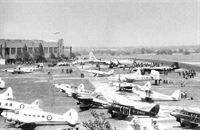
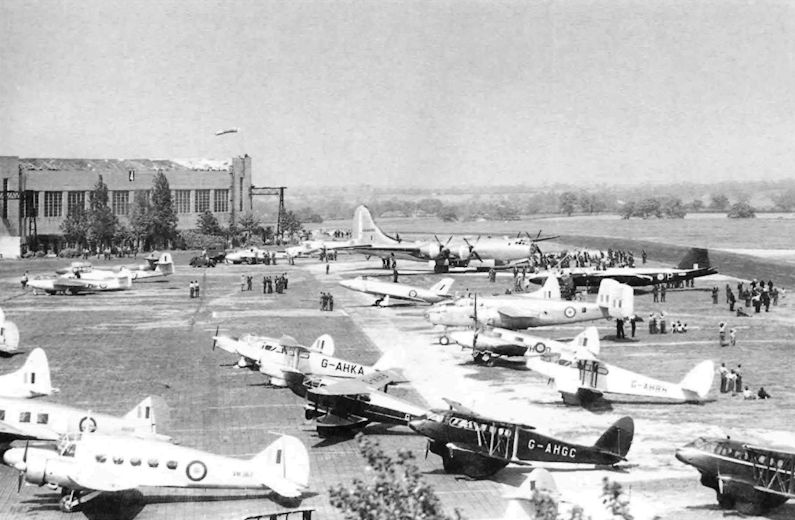
Регистрационный номер: G-AHGC, G-AHKA, WF437 The back of this photograph provides no clue as to the location but it appears to be an open day. However, the lay-out of the static park and the relatively small number of people suggests it is not a Battle of Britain Day. Some unusual aircraft are parked including a Canberra prototype, a Supermarine 510, Hawker P.1052 and the RAE's Mitchell. Washington 469680 (which became WF437) has its RAF tail flash visible and there is an unusual number of civil-registered aircraft present. The date would appear to be 1950.
Самолёты на фотографии: Boeing B-29 Superfortress - США - 1942De Havilland Dragon Rapide / Dominie / D.H.89 - Великобритания - 1934English Electric / BAE Canberra - Великобритания - 1949Hawker P.1052 / P.1081 - Великобритания - 1948North American B-25 Mitchell / PBJ-1 - США - 1940Supermarine Swift - Великобритания - 1948
-
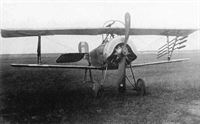
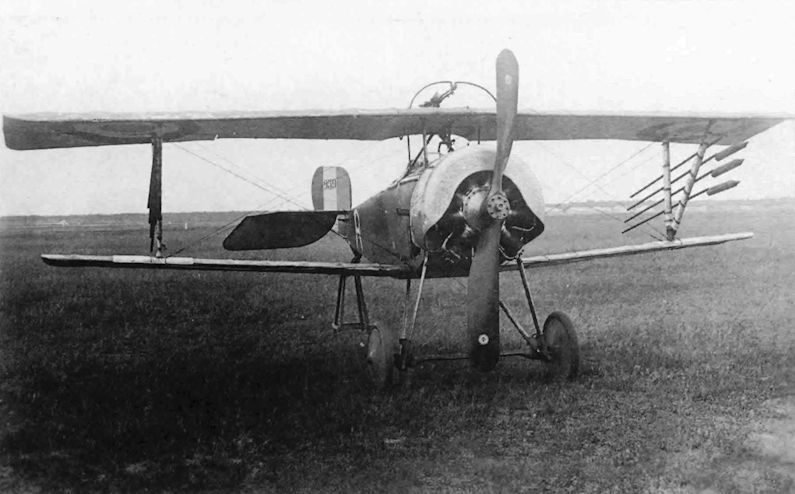
Arming fighters with eight rockets did not begin during World War Two. During the First World War, rockets were used against airships and balloons. This Nieuport Nie-16 is armed with four Le Prieur rockets attached to each wing strut and appeared in Spring 1916. In addition, a Lewis gun was mounted on the top wing firing over the propeller disc. A guard prevented it being depressed too far and damaging the propeller, complete with notch to secure the gun when not in use.
Самолёты на фотографии: Nieuport Nieuport-11/16 Bebe - Франция - 1915
-
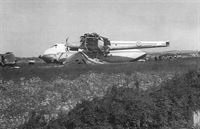
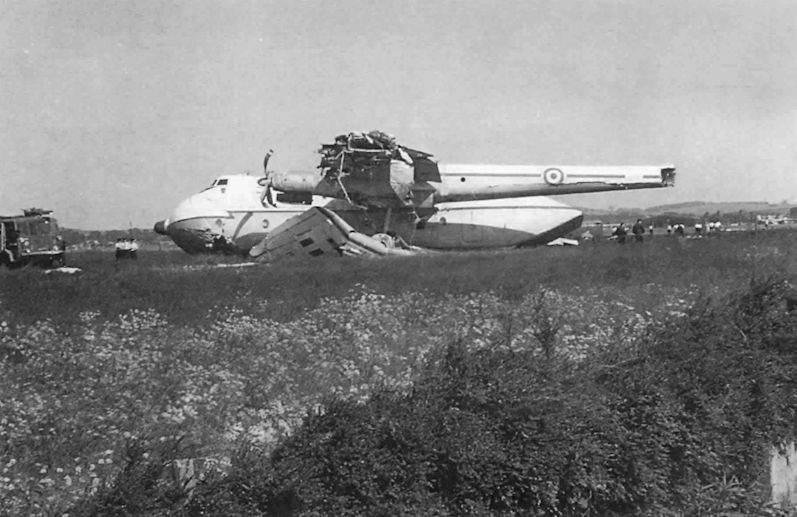
Регистрационный номер: XP441 In the 'Write-offs 1970' pages in the last issue, Argosy XP441 figured as having bounced on landing at Benson on 4 June 1970. The result is seen here but nobody was hurt.
Самолёты на фотографии: Armstrong Whitworth Argosy / A.W.650 - Великобритания - 1959
-
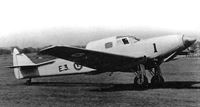
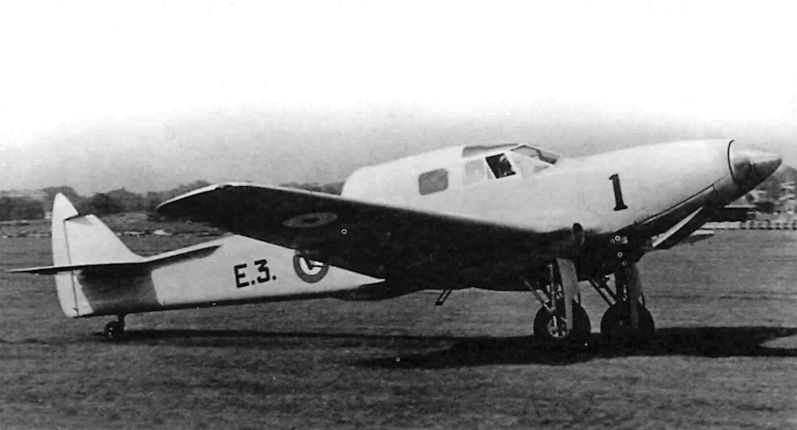
This photograph shows the prototype Don with the company markings E.3. The '1' on the nose is for identification and appears to have been applied for the 1938 RAF Display at Hendon. The intended gun turret has not been fitted and a wooden mock-up provides the necessary aerodynamic shape for performance trials.
Самолёты на фотографии: De Havilland Don / D.H.93 - Великобритания - 1937
-
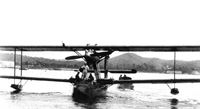
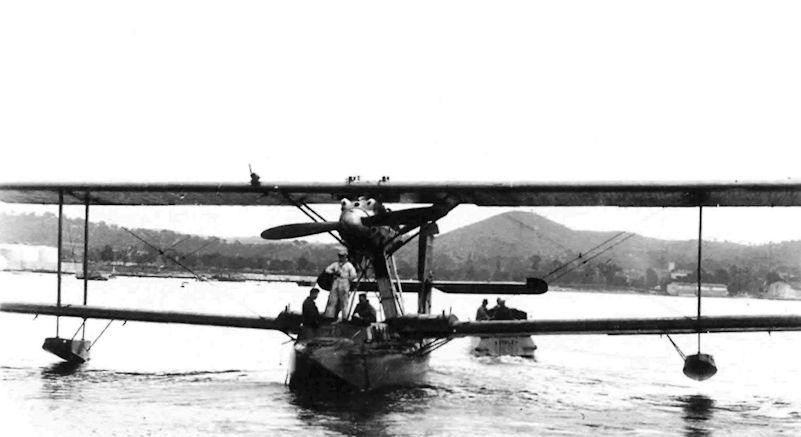
Backbone of the French Navy's reconnaissance units was the CAMS 55. This was a push-me-pull-you twin-engined flying boat first flown in 1928. Of the first four, two had Hispano-Suiza 12Lbr and two had Gnome-Rhone 9Akx Jupiter engines. Ten CAMS 55.1 as shown were built in 1929 and three were still in service at Berre on the outbreak of war plus two more at Tahiti. The location of the photograph is not given but we suspect it is on the Seine at Caudebec.
Самолёты на фотографии: CAMS CAMS 55 - Франция - 1928
-
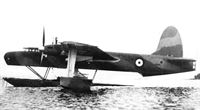
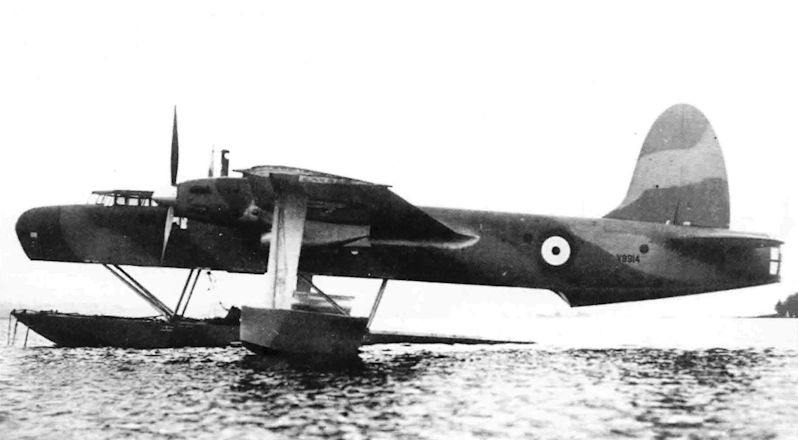
Регистрационный номер: V8914 The Blackburn B.20 shows a strange shape as it floats on the Clyde. In an attempt to cut down on the frontal area of flying boats, a retractable float was designed. This kept the propellers clear of the water on take-off and landing while the wingtip floats also retracted. Once the main float was tucked up under the fuselage, the B.20 had a minimal frontal area. Although Specification R.1/36 had Hercules engines, the prototype, V8914, had the Vulture. On 7 April 1940, the B.20 crashed off Gourock.
Самолёты на фотографии: Blackburn B-20 - Великобритания - 1939
-
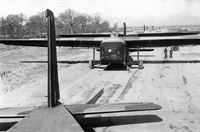
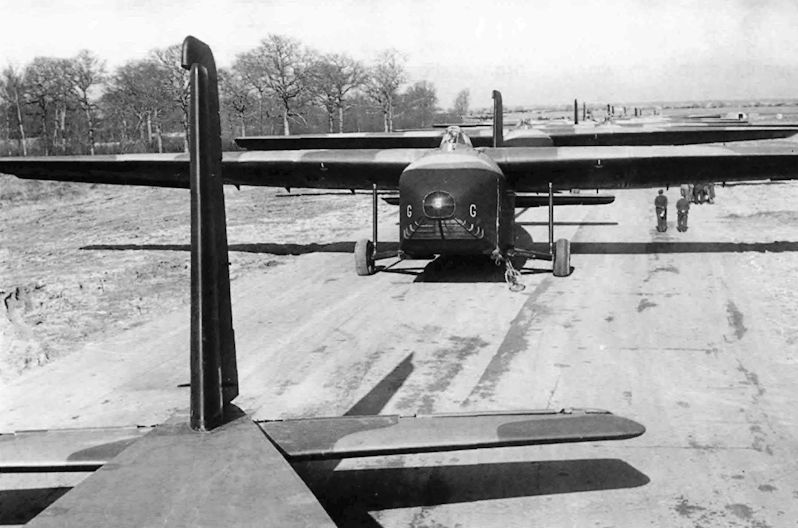
Hamilcar heavy gliders line up on the peritrack at Earls Colne in March 1945, probably just before Operation Varsity, the air component of the crossing of the Rhine. The neatly-painted letter 'G' on the nose suggests that this Hamilcar came from a Heavy Glider Conversion Unit rather than being one stored at a Heavy Glider Servicing Unit between operations. In addition to jeeps, artillery, small bulldozers and other equipment, Hamilcars could also deliver Scorpion and Locust light tanks.
Самолёты на фотографии: General Aircraft Hamilcar / GAL.49 - Великобритания - 1942
-
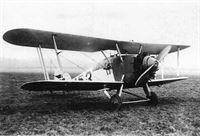
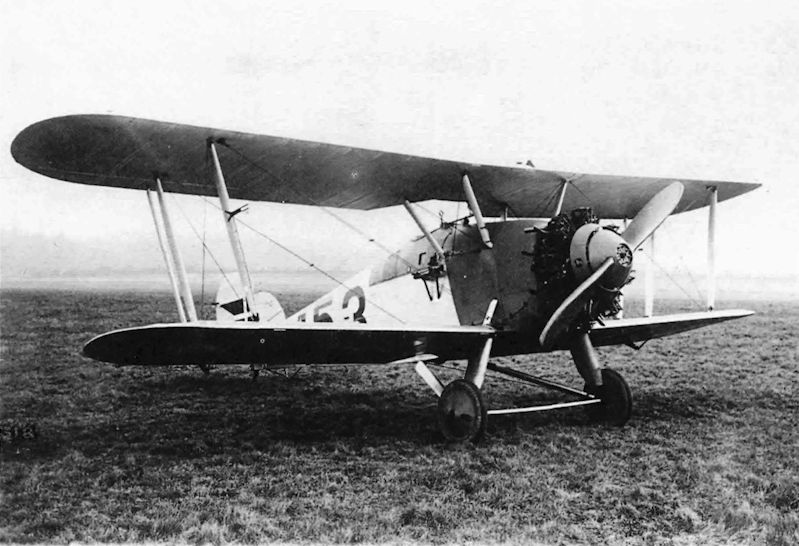
The Hawker Danecock was ordered by the Danish Government after a Woodcock II had been demonstrated in 1925 and a licence to built the type was acquired. Three were delivered from Brooklands in February 1926 (Nos.151-153) and twelve were built in Denmark as the L.B.II Dankok. Armed with two Madsen guns, the Dankok remained in service until 1937, powered by a Jaguar IV. No.158 survives suspended from the roof of the Royal Arsenal in Copenhagen.
Самолёты на фотографии: Hawker Woodcock - Великобритания - 1923
-
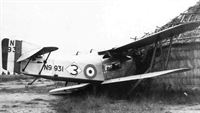
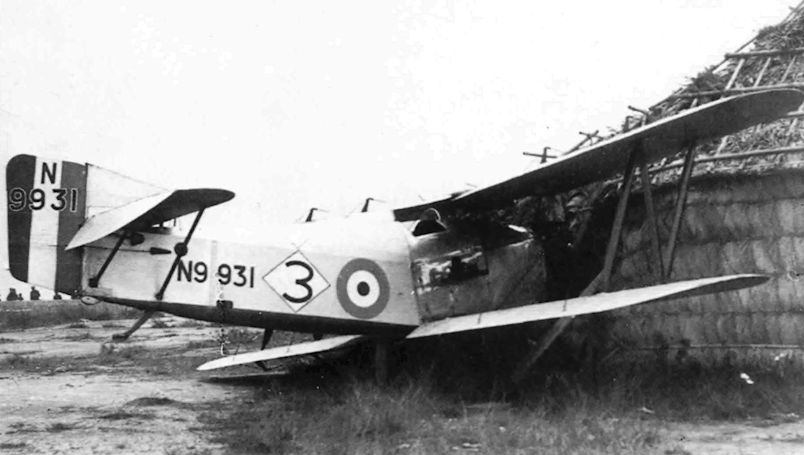
Регистрационный номер: N9931 Fairey Flycatcher N9931 was aircraft No.3 of No.403 Flight, embarked in HMS Hermes. While in harbour, naval aircraft operated from Kai Tak, then a very small patch of land on the bay near Kowloon. In 1928, Lt O Cathcart-Jones, Royal Marines, paid a visit to the latrines at Kai Tak. Unfortunately, he was in N9931 at the time. The Flycatcher was repaired and went on to serve with No.405 Flight in Furious and Glorious.
Самолёты на фотографии: Fairey Flycatcher - Великобритания - 1922
-
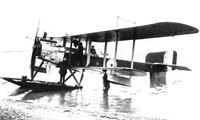
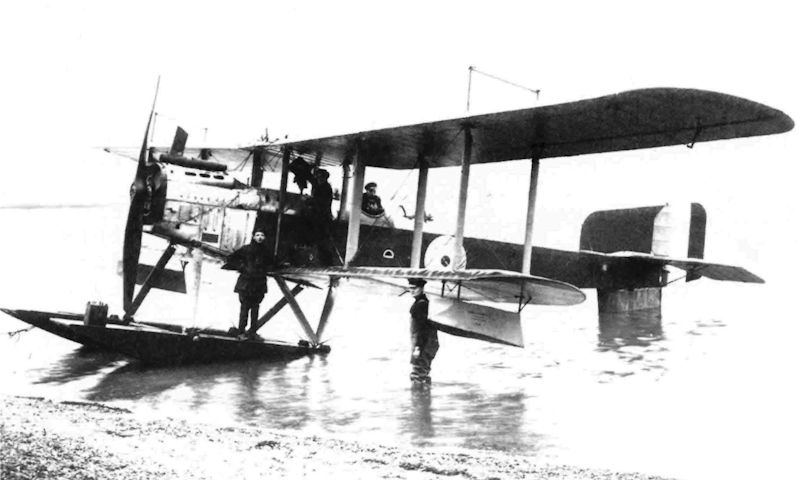
Регистрационный номер: N1006 The Fairey Campania was unusual in that it was named after the ship that was intended to carry it! HMS Campania was a liner converted to a seaplane carrier with a forward flying-off deck. Seaplanes used trolleys until airborne then landed on the sea. N1006, seen at Calshot on 3 December 1917, had a Sunbeam Maori engine and was designated F.22. Others had Rolls-Royce Eagles. Fairey built 52 Campanias and ten more were built by Barclay, Curie & Co of Clydebank.
Самолёты на фотографии: Fairey F.16 - F.22 Campania - Великобритания - 1917
-
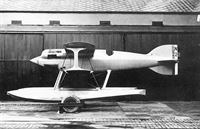
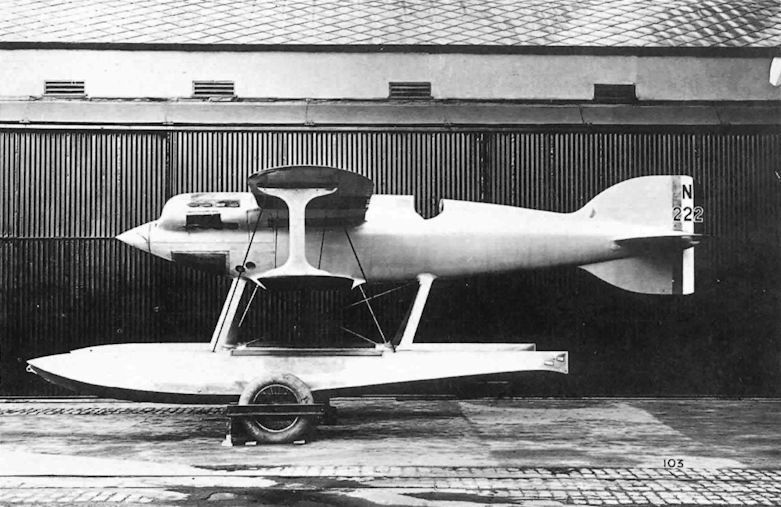
Регистрационный номер: N222 The Gloster IV racer was designed for the 1927 Schneider Trophy race and three were built, costing £8,250 each. They were of wooden construction and each aircraft differed slightly, N222 being the Gloster IVA with Napier Lion VIIA engine. N223 flew in the Venice race but N222 was a training aircraft for the Schneider teams and provided valuable high-speed experience for the pilots that flew the Supermarine S6s to victory in 1929 and 1931.
Самолёты на фотографии: Gloster IV - Великобритания - 1926
-
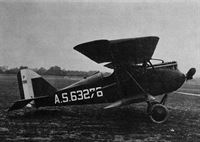
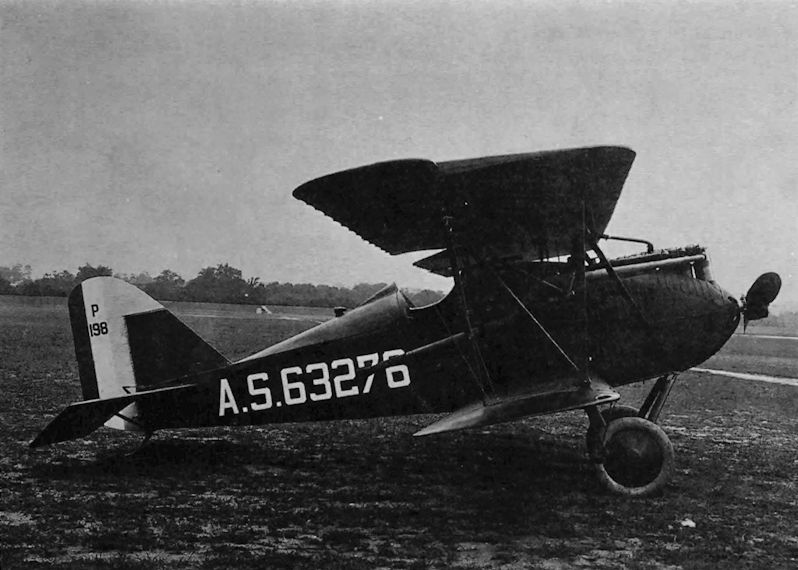
Регистрационный номер: AS63276 A.S.63276 identifies the sole Curtiss PN-1 built. The designation stood for 'Pursuit Night' and only one type was built to this specification. In fact, it was not a Curtiss design. The firm was given a contract to built it in accordance with plans supplied by the Engineering Division of the USAAC. As first built, it had no interplane struts but these were added when it was found that the cantilever wings required them. With an armament of two Browning guns, the PN-1 was never flown and a second aircraft was cancelled.
Самолёты на фотографии: Curtiss PN-1 - США - 1921
Статьи