

Описание
 Wiki
Wiki 
Страна : Великобритания
Год : 1941
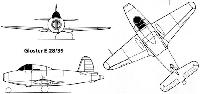
Одноместный экспериментальный реактивный самолет
Gloster E.28/39
Первый британский ТРД W.1, разработанный Фрэнком Уиттлом и построенный фирмой "Power Jets Ltd." по контракту Министерства авиации от марта 1938 года, требовалось испытать на самолете. Поэтому Министерство выпустило техническое задание (спецификацию) E.28/39, выданное "Gloster" 3 февраля 1940 года. Самолет создавался с прицелом на требования к истребителю - было предусмотрено место для установки четырех 7,7-мм пулеметов Browning, хотя они никогда не монтировались на опытных машинах. Контракт предусматривал постройку двух самолетов Gloster E.28/39, оснащенных трехстоечным шасси с управляемой носовой стойкой.
Всего через год, 7 апреля 1941 года, первый прототип Gloster E.28/39, управляемый испытателем П. Сейером приступил к рулежкам на аэродроме фирмы "Gloster" в Хакклекоте. На следующий день машина совершила короткий подлет, после которого заменили носовую стойку. Затем машину разобрали и отправили в Крэнвелл, Линкольншир, где имелась более длинная ВПП, больше подходившая для проведения летных испытаний. Фактически E.28/39 отрывался от полосы, пробежав всего 550 м, несмотря на то, что тяга ТРД W.1 составляла всего 3,83 кН, и этот двигатель предполагалось использовать только на первом этапе испытаний.
Первый полет состоялся 15 мая 1941 года, он продолжался 17 минут и обошелся без замечаний. Еще 10 часов прототип налетал в последующие 13 дней, после чего его вернули на завод, где был установлен новый двигатель W.1A тягой 5,16 кН. Новая серия летных испытаний началась 4 февраля 1942 года в Эджхилле, но из-за проблем с ТРД прототип получил легкие повреждения. Пилоты из испытательного института в Фарнборо также опробовали новую машину, и во время одного из таких полетов, 30 июля, у первого прототипа (уже оснащенного ТРД Rover W.2B тягой 6,79 кН) на высоте 11 280 м заклинило элероны. Самолет вошел в перевернутый штопор, и сквадрон-лидер Дэви покинул его с парашютом на высоте 10060 м.
Второй прототип, оснащенный ТРД Power Jets W.2/500 тягой 7,56 кН, продолжил летные испытания, в ходе которых снимались аэродинамические характеристики. После их завершения самолет передали в музей в Южном Кенгсингтоне на постоянное хранение.
ТАКТИКО-ТЕХНИЧЕСКИЕ ХАРАКТЕРИСТИКИ
Gloster E.28/39
Тип: одноместный экспериментальный реактивный самолет
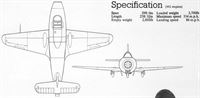
Силовая установка: один ТРД Power Jets W.2/500 тягой 7,83 кН
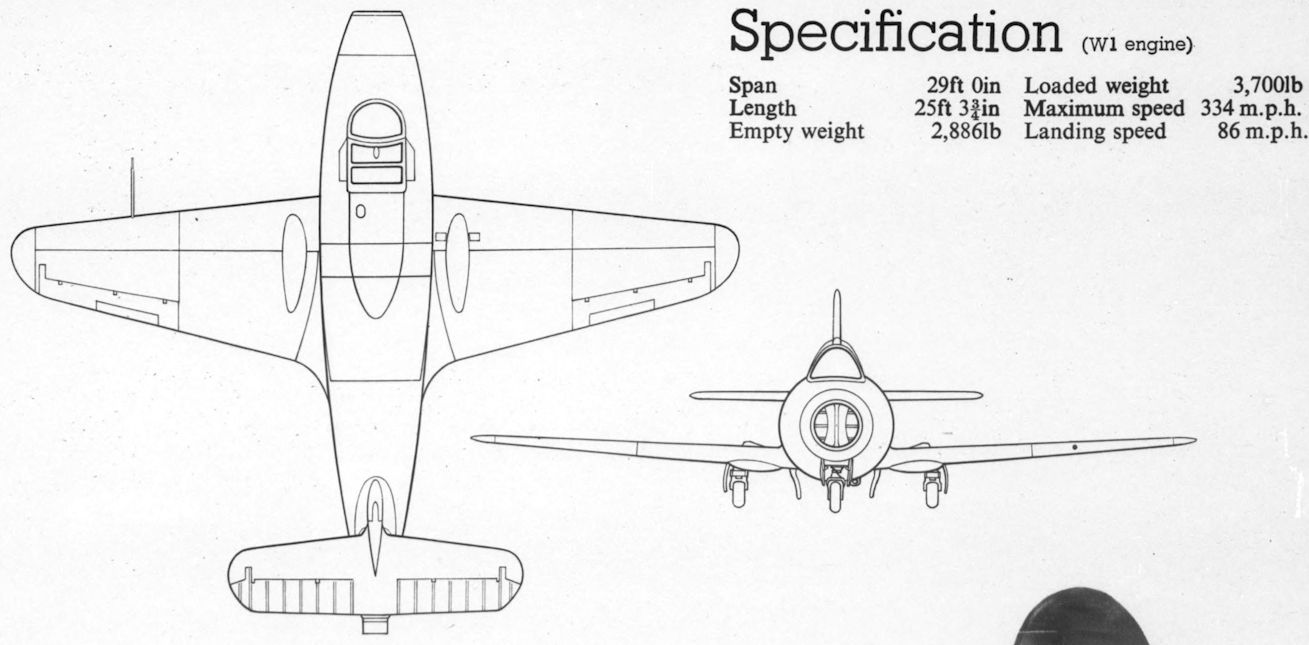
Летные характеристики: максимальная скорость на высоте 3050 м - 750 км/ч; время набора высоты 9145 м - 22 мин; потолок 9755 м
Масса: пустого 1309 кг; максимальная взлетная 1700 кг
Размеры: размах крыла 8,84 м; длина 7,72 м; высота 2,82 м; площадь крыла 13,61 м2
- Описание
Фотографии

-

Авиация и Время 2002-02 / С.Дуленко, А.Котлобовский - Пионеры: человек и самолет (1)
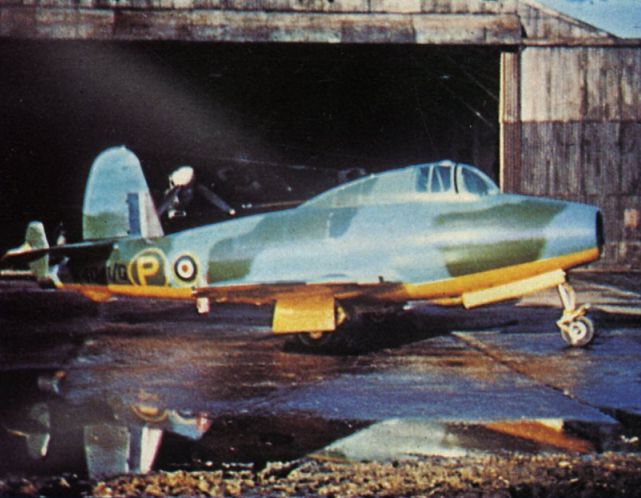
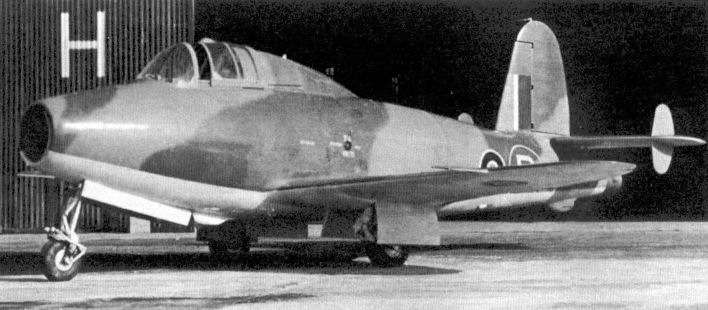
Регистрационный номер: W4041 [39] В начале испытаний самолет был совсем неокрашенный и нес по бокам фюзеляжа ленты с температурными датчиками. После скоростных пробежек ленты сняли и больше не использовали
-

Авиация и Время 2002-02 / С.Дуленко, А.Котлобовский - Пионеры: человек и самолет (1)
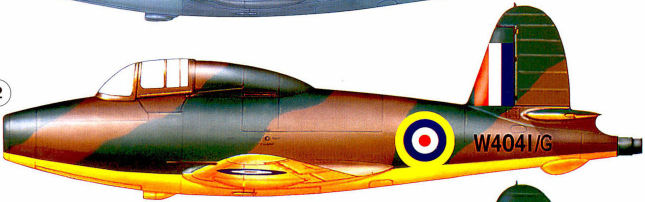
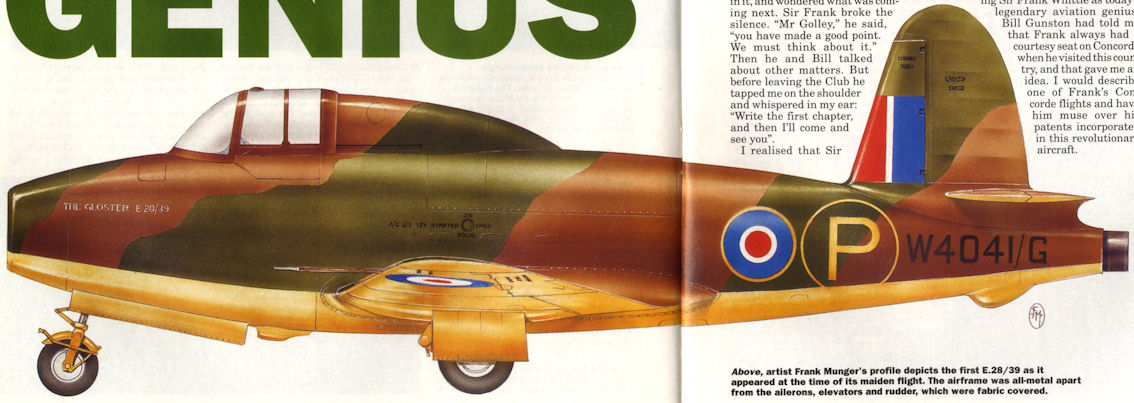
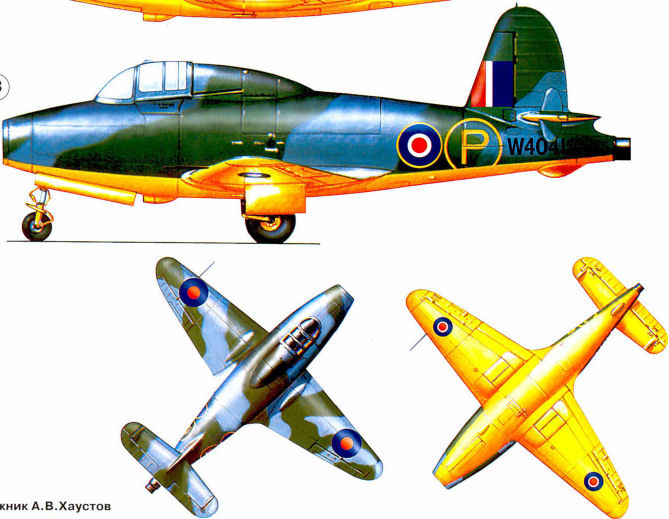
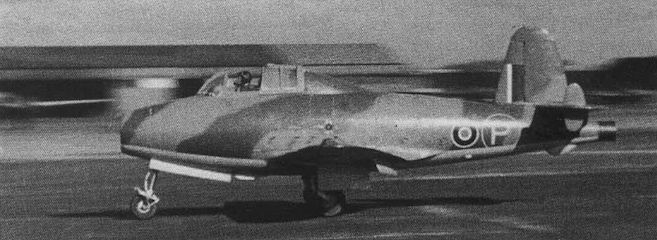
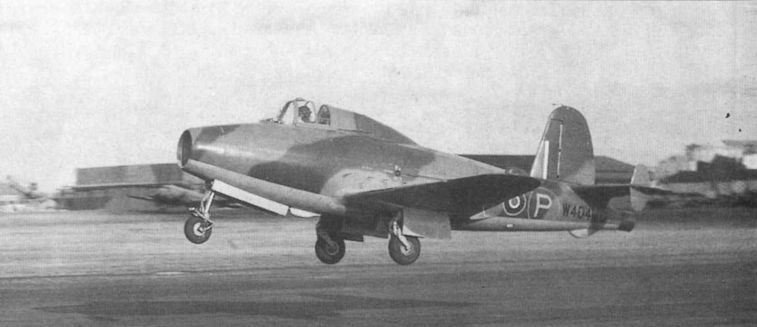
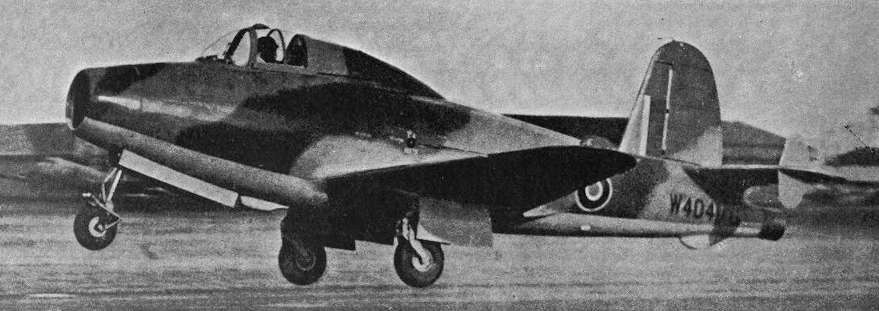
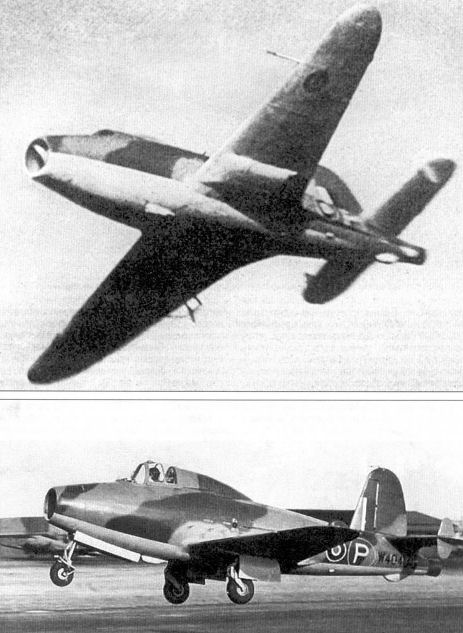
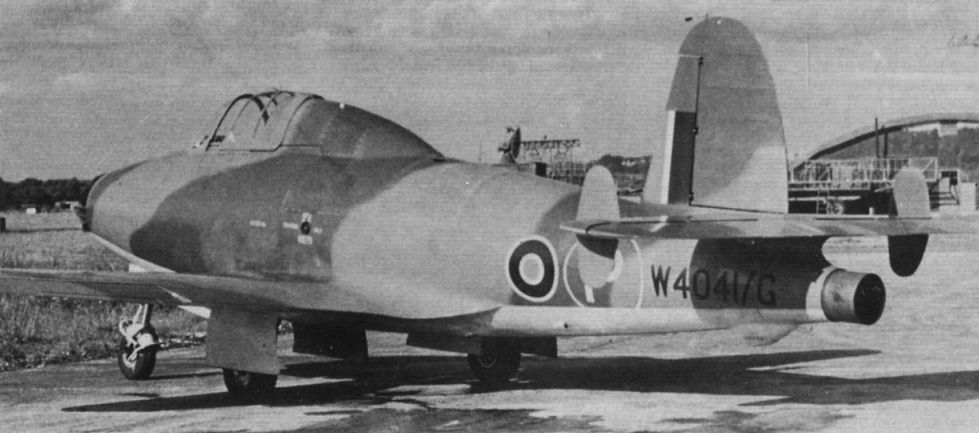
Регистрационный номер: W4041 [39] Перед первым полетом самолет получил стандартную камуфляжную окраску экспериментальных самолетов: низ - тренировочный желтый (Trainer Yellow FS 33538), верх - темно-зеленый (Dark Green, FS 34079) и коричневый (Dark Earth FS 30095) и номер W4041/G. Кокарды на фюзеляже имели широкую желтую окантовку.
-

Aeroplane Monthly 1991-06 / J.Golley - The Whittle revolution
Регистрационный номер: W4041 [39] Gloster E.28/39 W4041/G
-
Aeroplane Monthly 1998-09 / J.Golley - Working with a genius (1)
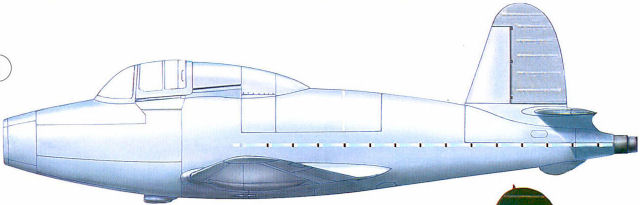
Регистрационный номер: W4041 [39] Artist Frank Munger's profile depicts the first E.28/39 as it appeared at the time of its maiden flight. The airframe was all-metal apart from the ailerons, elevators and rudder, which were fabric covered.
-
Aeroplane Monthly 1980-02 / Gloster E.28/39 /Preservation Profile/ (82)
Регистрационный номер: W4041 [39] -

Авиация и Время 2002-02 / С.Дуленко, А.Котлобовский - Пионеры: человек и самолет (1)
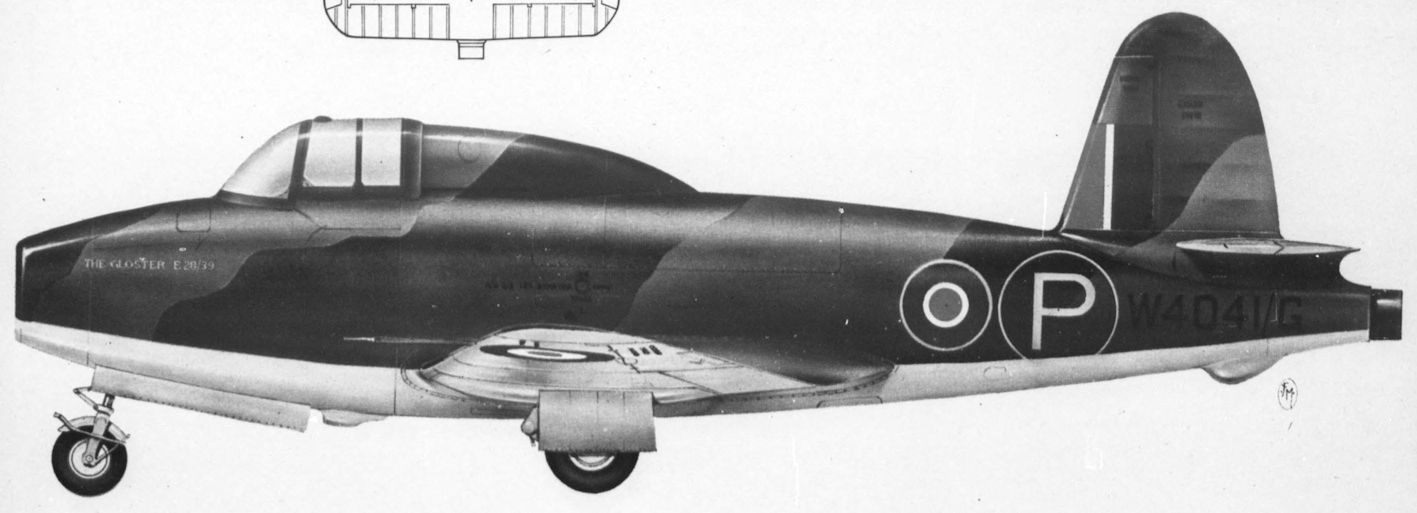
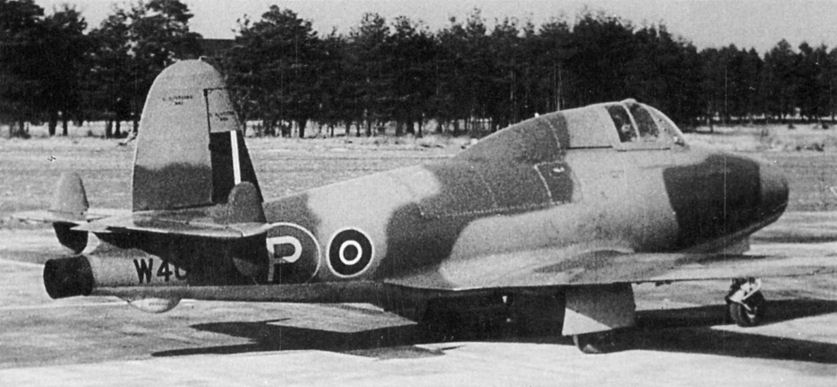
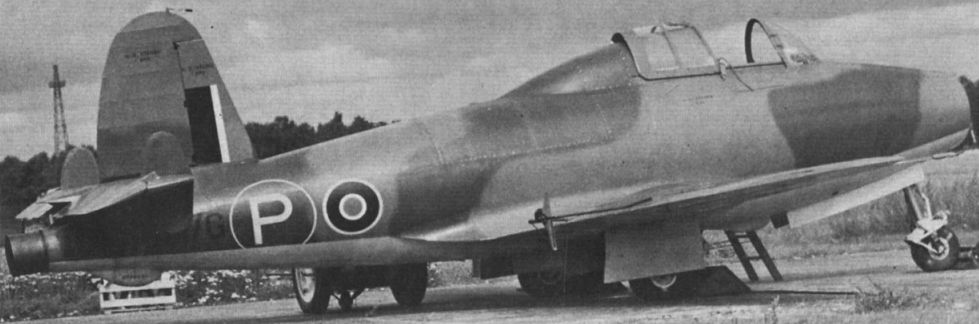
Регистрационный номер: W4041 [39] После первого полета на фюзеляж нанесли знак прототипа P. После передачи в Фарнборо оба опытных самолета получили новый камуфляж - сочетание темно-зеленого (Dark Green) и океанского серого (Ocean Grey FS 36152). Опознавательные знаки изменили на меньшие, имеющие минимум белого и желтого цвета. После окончания полетов оставшемуся самолету вернули прежнюю зелено-коричневую камуфляжную окраску, оставив неизменными опознавательные знаки. Цвет ниш и интерьер кабины - светлый серо-зеленый (Interior Grey Green FS 34226). Приборная доска - матовая черная. Внутренняя поверхность воздухозаборника не окрашивалась
-

Aeroplane Monthly 1977-04 / B.Gunston - Dawn of the jet age
Регистрационный номер: W4041 [39] -
Мировая Авиация 140
E.28/39 хорошо зарекомендовал себя в ходе испытаний, налетав за первые 13 дней 10 часов и достигнув высоты 7620 м.
-
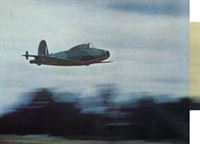
Aeroplane Monthly 2001-05 / B.Gunston - Early jet aircraft /Database/ (7)
Полеты "Пионера" - на большой скорости, без винта - производили большое впечатление на зрителей
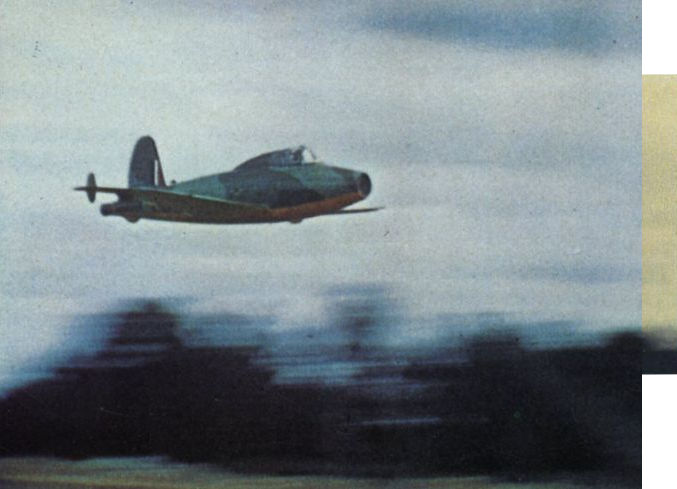
A colour film still of the E.28/39 in flight at RAE Farnborough in 1944, with the auxiliary fins evident. -

Aeroplane Monthly 1977-04 / B.Gunston - Dawn of the jet age
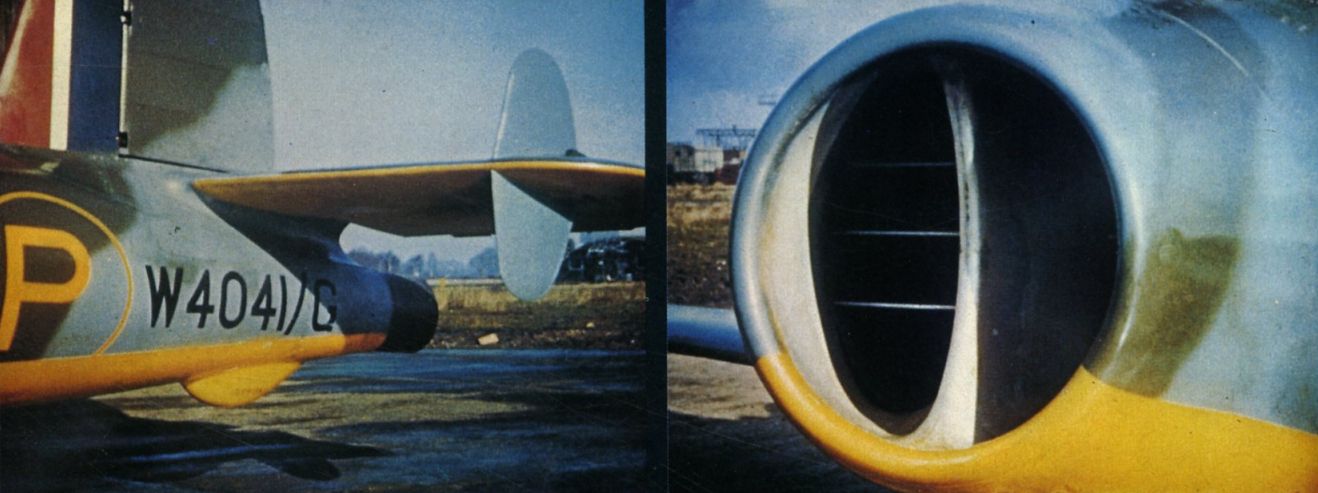
Регистрационный номер: W4041 [39] The colour stills depicting the tail surfaces and air intake of W4041 was taken at Farnborough in 1944
-

Aeroplane Monthly 1977-04 / B.Gunston - Dawn of the jet age
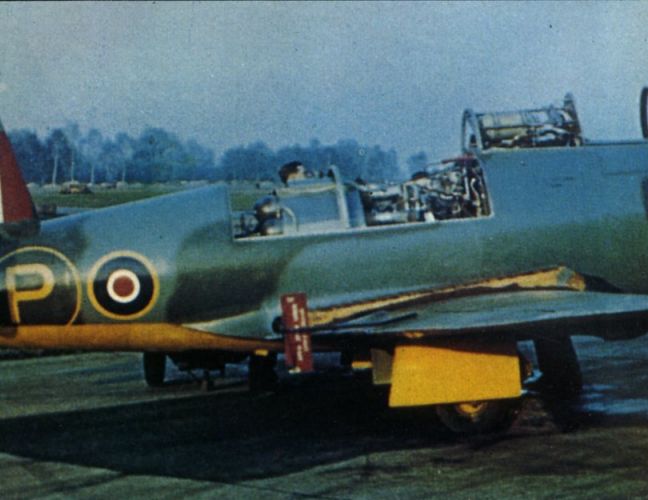
Регистрационный номер: W4041 [39] The colour still depicting the Whittle W2/700 installation of W4041 was taken at Farnborough in 1944
-

Aeroplane Monthly 1977-04 / B.Gunston - Dawn of the jet age
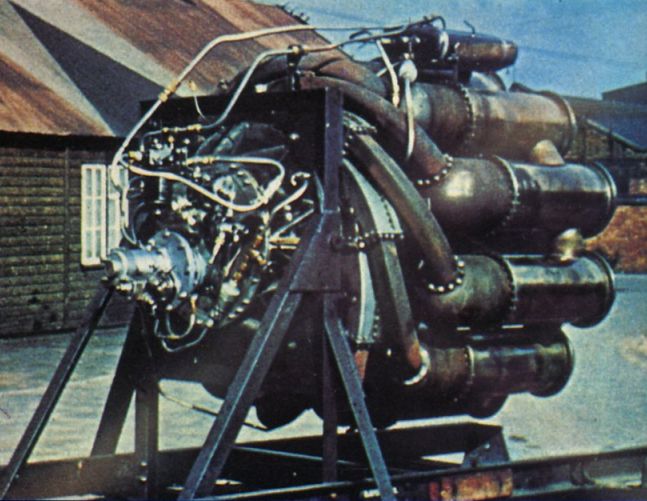
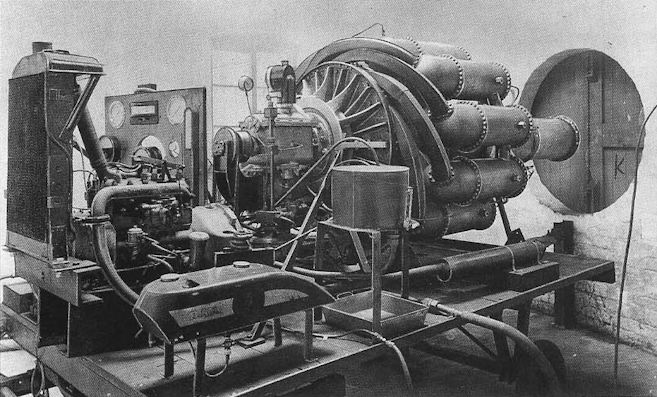
The still depicts the W.1 series Whittle engine at the Lutterworth Factory of Power Jets Ltd in 1944.
-

Авиация и Время 2002-02 / С.Дуленко, А.Котлобовский - Пионеры: человек и самолет (1)
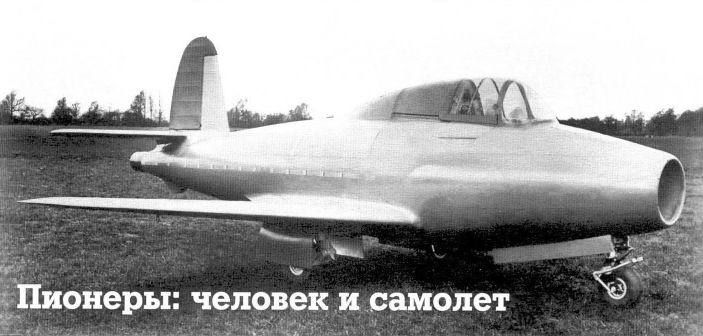
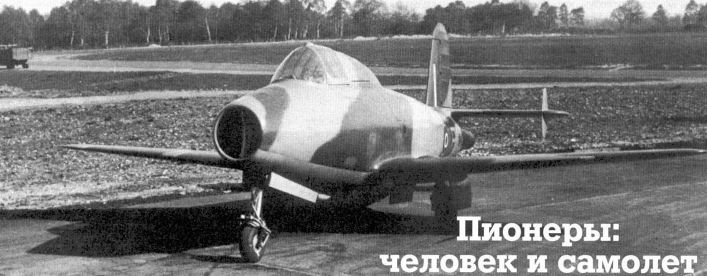
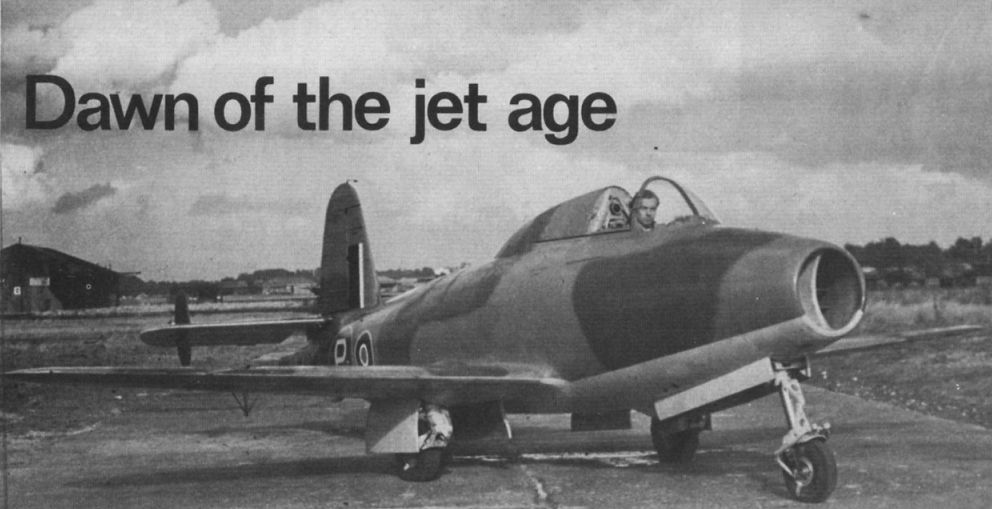
Регистрационный номер: W4041 [39] "Пионер" перед началом испытаний
Самолет W4041 - первый E.28/39, отличался рулем с полотняной обшивкой. На заднюю часть фюзеляжа были нанесены термочувствительной краской небольшие полоски. Обратите внимание на малый диаметр сопла ТРД.
The first E.28/39 W4041/G unpainted except for a narrow longitudinal strip of temperature-sensitive paint on the fuselage. This view also emphasises the short undercarriage, made possible by the lack of a propeller. -

Air Enthusiast 2003-05 / T.Buttler - UK jet pioneers (1)
Регистрационный номер: W4041 [39] The first Gloster E28/39, W4041, fresh from the factory in 1941, before camouflaging, with the original short nosewheel leg. The side fuselage band was made of temperature sensitive paint to check the effects of the new jet engine on the fuselage structure. Also apparent are the fabric-covered rudder and narrow jet orifice.
The first E.28/39, W4041/G, soon after completion, with the W.1X engine initially installed for taxying. The airframe was designed by George Carter in close collaboration with Whittle. The stripe along the rear fuselage is temperature-sensitive paint to enable heating of the light-alloy stressed skin to be monitored. A W.1 engine was installed for early flights, and W4041 was subsequently given later Power Jets engines of much greater thrust, plus auxiliary tailplane fins. -
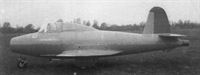
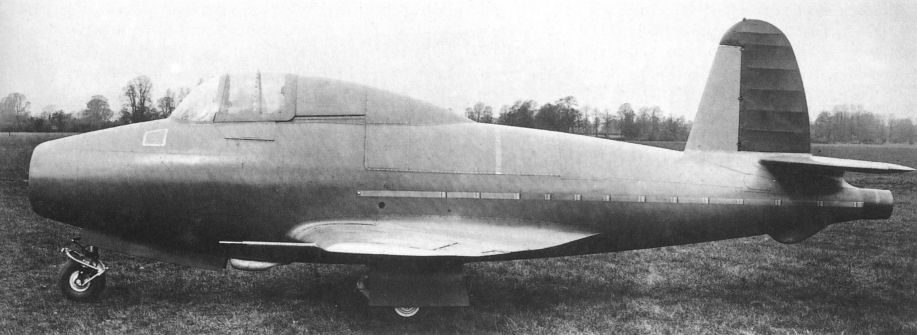
Aeroplane Monthly 1980-02 / Gloster E.28/39 /Preservation Profile/ (82)
Регистрационный номер: W4041 [39] A side view of the newly-completed E.28/39 W4041, 1941. Note the fabric covered rudder and the tail bumper.
-
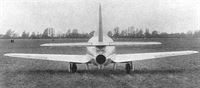
Aeroplane Monthly 2001-05 / B.Gunston - Early jet aircraft /Database/ (7)
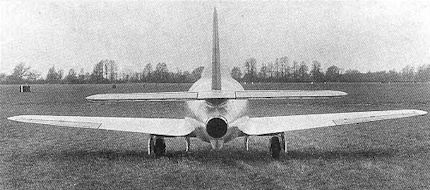
Регистрационный номер: W4041 [39] "Пионер" перед началом испытаний.
A rear view of the E.28/39 reveals the high-aspect-ratio tabs on the ailerons and the small diameter of the jet pipe. -
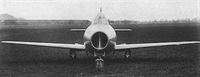
Aeroplane Monthly 2001-05 / B.Gunston - Early jet aircraft /Database/ (7)
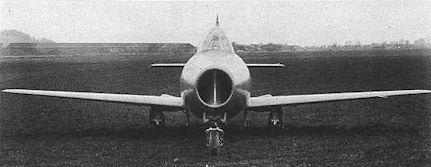
Регистрационный номер: W4041 [39] "Пионер" перед началом испытаний.
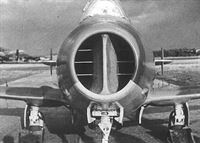
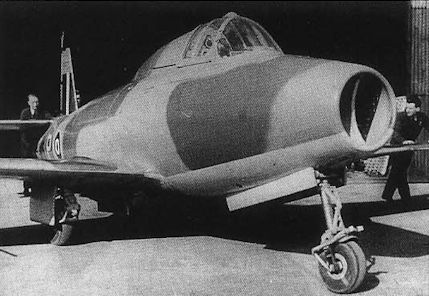
Seen from in front, the brand-new E.28/39 displays its clean lines and the bifurcated nose intake for its Whittle engine. Compared with most piston-engined aircraft, it gave its pilot an exceptional view, as the cockpit was positioned well forward on the fuselage. -
Aeroplane Monthly 2001-05 / B.Gunston - Early jet aircraft /Database/ (7)
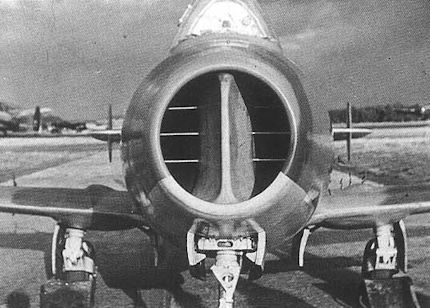
Регистрационный номер: W4041 [39] A frontal close-up shows the airflow straighteners in the bifurcated intake, and the small bulges on the upper wing surface to accommodate the retracted main undercarriage.
-
Aeroplane Monthly 2001-05 / B.Gunston - Early jet aircraft /Database/ (7)
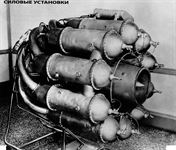
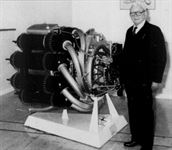
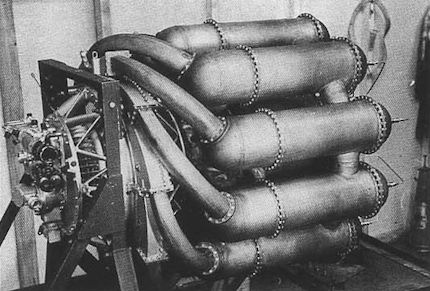
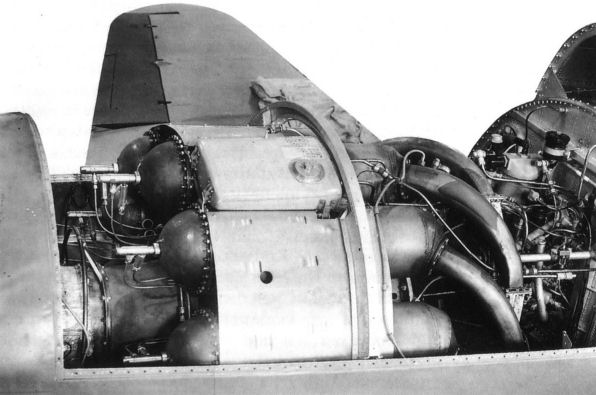
Двигатель Уиттла W.1 тягой 3,83 кН был запущен 12 апреля 1941 года, в мае его установили на Gloster Е.28/39 для первого полета в Кранвелл.
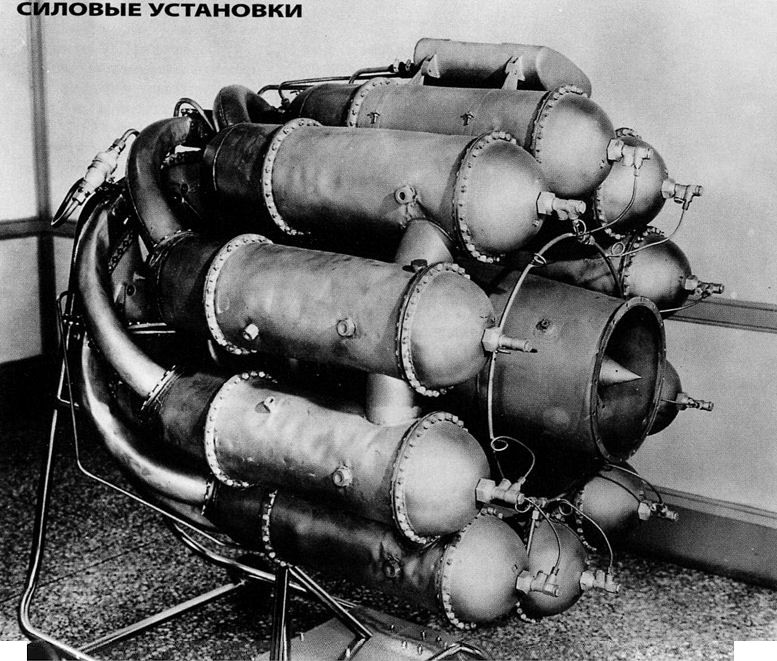
A Whittle W1 engine, viewed from the exhaust end. -

Aeroplane Monthly 1991-06 / J.Golley - The Whittle revolution
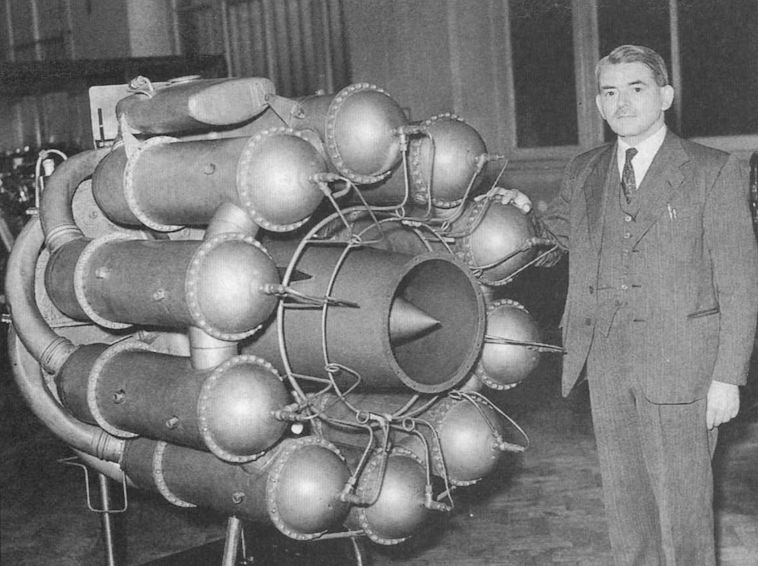
Sir Frank Whittle gives scale to his W.1 engine.
-
Aeroplane Monthly 1982-10 / ??? - Forty years on
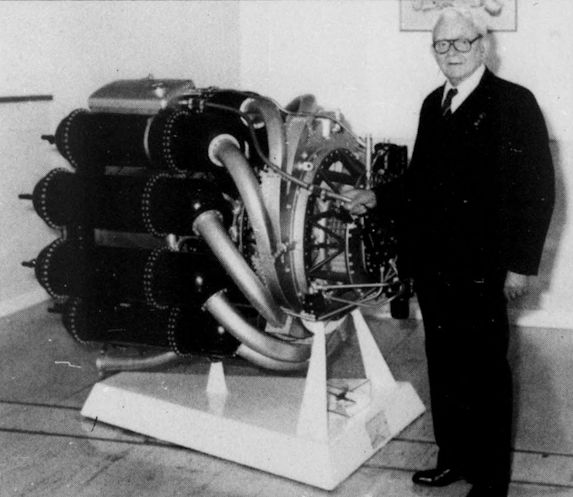
Sir Frank Whittle stands by the Power Jets W1A engine, Cranwell, May 26, 1981.
-
Aeroplane Monthly 2001-05 / B.Gunston - Early jet aircraft /Database/ (7)
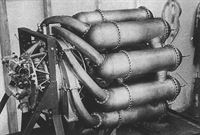
The Whittle W.1A engine viewed from the gearcase (front) end. The W.1A was the second flight engine used in the E.28/39, developing 1,160lb-thrust.
-
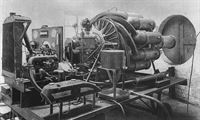
Aeroplane Monthly 2001-05 / B.Gunston - Early jet aircraft /Database/ (7)
The Whittle WU in the testing room at Lutterworth, in its ultimate form.
Whittle's engine after its second reconstruction in 1938, when it was fitted with ten combustion chambers. A 10 h.p. BSA automobile engine served as a starter, although the vehicle's starting motor would have been adequate for the task. -

Air Enthusiast 2003-05 / T.Buttler - UK jet pioneers (1)
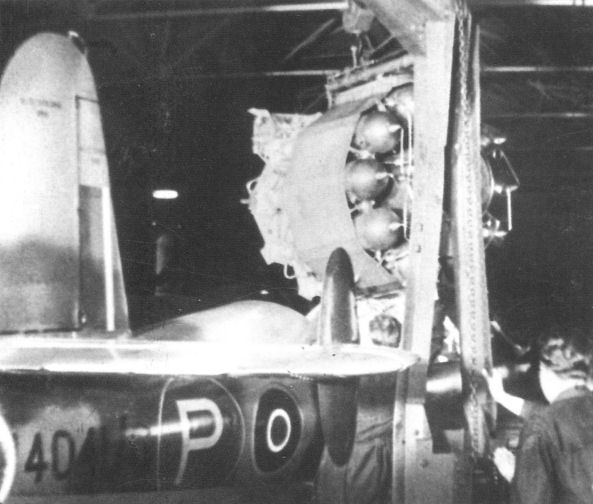
Регистрационный номер: W4041 [39] Loading an engine into the first E28/39.
-

Aeroplane Monthly 1977-04 / B.Gunston - Dawn of the jet age
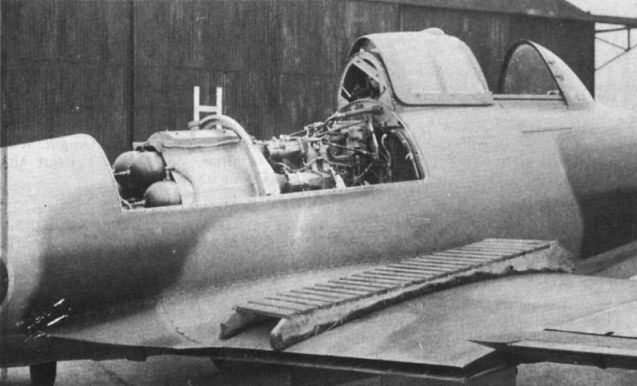
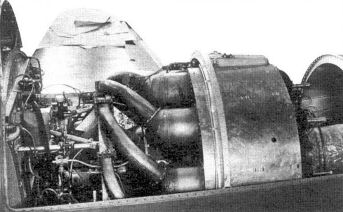
Another view of the powerplant in the airframe.
-

Air Enthusiast 2003-05 / T.Buttler - UK jet pioneers (1)
Engine fitting in the E28/39 prototype jet aircraft.
-

Авиация и Время 2002-02 / С.Дуленко, А.Котлобовский - Пионеры: человек и самолет (1)
Регистрационный номер: W4041 [39] Двигатель W.1X, установленный на W4041/G для наземных испытаний. Апрель 1941г.
-
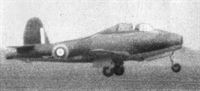
Aeroplane Monthly 1998-10 / J.Golley - Working with a genius (2)
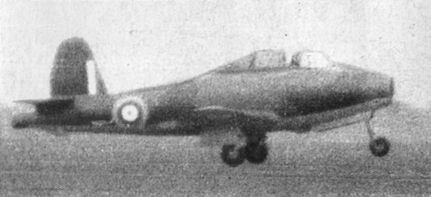
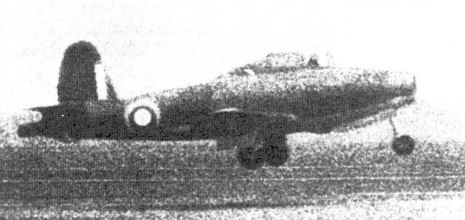
The only known photograph of the first take-off of Britain’s first jet aircraft, the Gloster-Whittle E.28/39, at RAF Cranwell on May 15,1941.
-

Авиация и Время 2002-02 / С.Дуленко, А.Котлобовский - Пионеры: человек и самолет (1)
Кадр киносъемки первого взлета "Пионера". 15 мая 1941г.
-
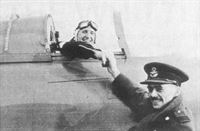
Aeroplane Monthly 1991-06 / J.Golley - The Whittle revolution
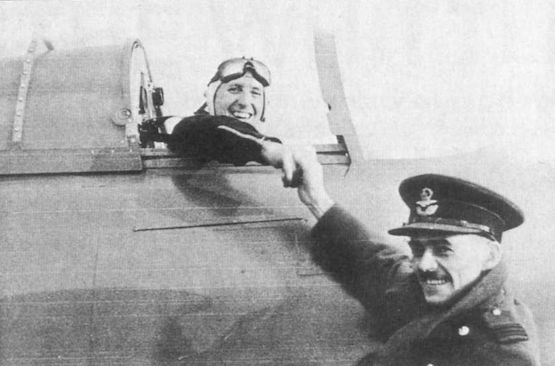
Ф.Уиттл благодарит пилота Г.Сэйера после первого полета "Пионера"
Frank Whittle shakes the hand of Gloster test pilot Gerry Sayer after the E.28/39’s maiden flight. -

Авиация и Время 2002-02 / С.Дуленко, А.Котлобовский - Пионеры: человек и самолет (1)
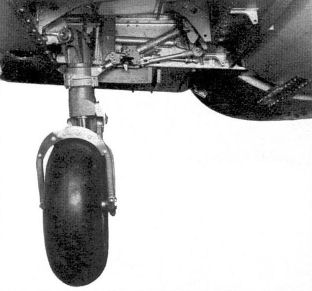
Левая основная опора шасси и ее ниша
-

-
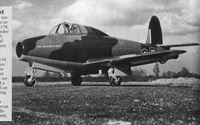
Aeroplane Monthly 2000-01 / P.Jarrett - Landmarks in the sky /Epoch-making aircraft/
15 мая 1941г.: через семь лет после начала разработки взлетел экспериментальный самолет Gloster E.28/39, оснащенный ТРД Whittle. Несмотря на скептицизм ВВС, Фрэнку Уиттлу удалось довести конструкцию своего реактивного двигателя.
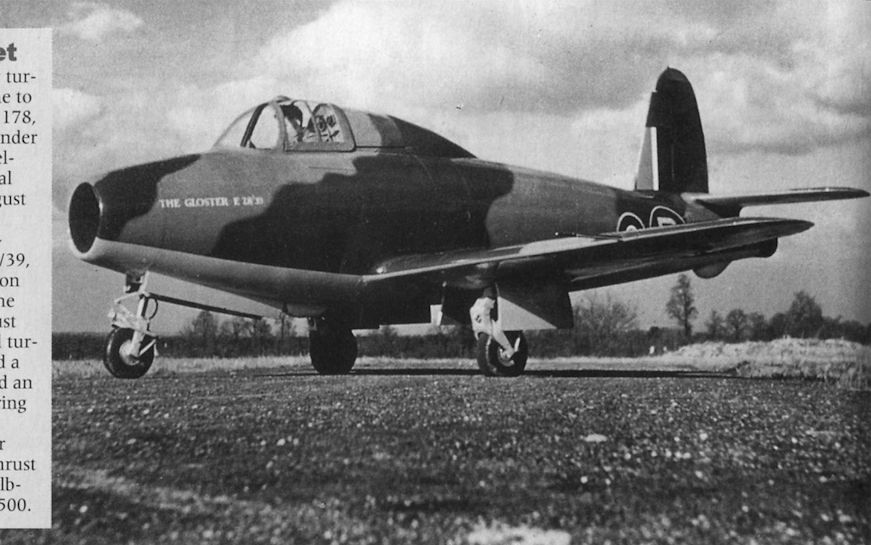
An early photo of the E.28/39 taken in 1941 before the addition of vertical tailplane fins and jettisonable hood. A second E.28/39 was built, W4046, but was lost in a crash on July 30, 1943.
The world's first purely turbine-powered aeroplane to fly was the Heinkel He 178, which took to the air under the power of its Heinkel-Hirth HeS 3B centrifugal turbojet engine on August 24, 1939. Britain's first turbojet-powered aeroplane, the Gloster E.28/39, made its maiden flight on May 15, 1941, under the power of an 850lb-thrust Whittle W.1 centrifugal turbojet engine. It attained a speed of 300 m.p.h. and an altitude of 25,000ft during 10hr flying with this engine, which was later replaced by an 860lb-thrust W.1A and then a 1,700lb-thrust Power Jets W.2/500. -
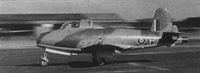
Aeroplane Monthly 2001-05 / B.Gunston - Early jet aircraft /Database/ (7)
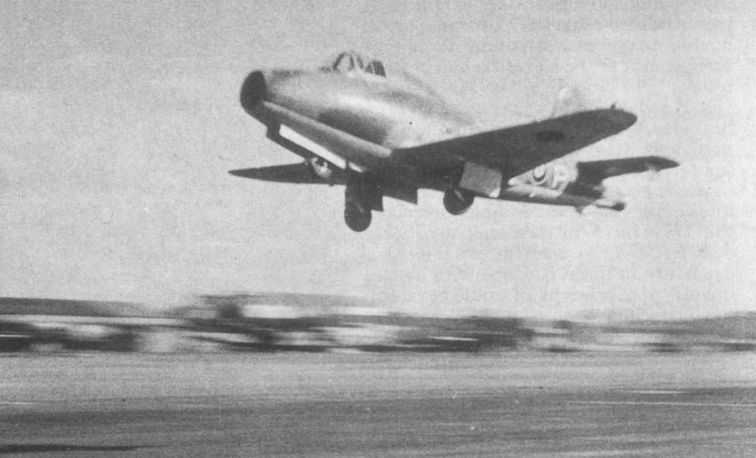
The E.28/39 gathers speed as it takes off from Farnborough. A run of 500-600yd was required.
-

Air Enthusiast 2003-05 / T.Buttler - UK jet pioneers (1)
W4041 later in its career with small auxillary fins fitted for extra directional stability.
-

Aeroplane Monthly 1991-06 / J.Golley - The Whittle revolution
Регистрационный номер: W4041 [39] Gloster E.28/39 W4041, fitted with additional tailplane fins and a ventral camera, takes off from Farnborough. These modifications were completed in April 1944. Two years later W4041 was acquired by the Science Museum in London, where it may be seen today.
-

Jane's All the World Aircraft 1946 / 03 - All the world's aeroplanes
Регистрационный номер: W4041 [39] Gloster's G.40, more popularly known by its Air Ministry Specification, E.28/39, like the earlier Heinkel He 178, was produced purely as a flight test bed for British turbojet development. The G.40, W 4041/G, Britain's first pure turbojet powered aircraft first flew on 15 May 1941, followed by the first flight of W 4046/G a year and nine months later, on 1 March 1943. Both aircraft were fitted with various Frank Whittle-designed engines, ranging from the earliest 850lb s.t. W. I to the later 1.526 lb s.t. Rolls-Royce W.2B123 and 1.700lb s.t. Power Jets W.21500. Top level speed reached by the short-lived second prototype is cited at 466 mph, this machine crashing on 30 July 1943, after spinning inverted from 37.000 feet. The pilot, Sqn. Ldr. Douglas Davie, bailed out safely.
-

Авиация и Время 2002-03 / С.Дуленко, А.Котлобовский - Пионеры: человек и самолет (2)
Регистрационный номер: W4041 [39] Самолет W4041/G во время испытаний в Фарнборо, 1944г.
The wheelbay blister under the wing is apparent in this view of the E.28/39 flying overhead. -

Aeroplane Monthly 1991-06 / J.Golley - The Whittle revolution
Регистрационный номер: W4041 [39] Gloster E.28/39 W4041 getting airborne with wheels already retracting. At this stage the aircraft was fitted with a 1,760lb-thrust W.2/500 turbojet.
-
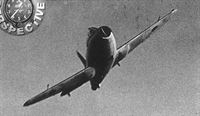
Aeroplane Monthly 2001-05 / B.Gunston - Early jet aircraft /Database/ (7)
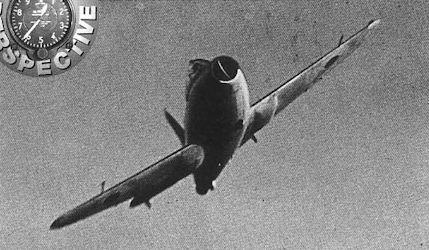
A ground-to-air study of the first E.28/39 as it makes a low fly-past. The underwing bulges of the undercarriage housings are evident.
-

Aviation Historian 20 / N.Stroud - Fire in the belly
Two Gloster E.28/39s were built, W4041 and W4046, the second making its first flight on March 1, 1943. Both were extensively tested by RAE and Service pilots at Farnborough, where this photograph shows an E.28/39 being put through its paces. Had an Anson been fitted with a W.1, it would have required the incorporation of a similar nose intake.
-

Air Pictorial 1995-04 / G.Swanborough - British aircraft at war, 1939-1945 (16)
Регистрационный номер: W4041 [39] The first Gloster E.28/39, W4041 (Ex Aero 137) in flight
-

Авиация и Время 2002-03 / С.Дуленко, А.Котлобовский - Пионеры: человек и самолет (2)
Регистрационный номер: W4041 [39] "Пионер" готовится к очередному вылету
-

Авиация и Время 2002-03 / С.Дуленко, А.Котлобовский - Пионеры: человек и самолет (2)
Регистрационный номер: W4041 [39] Прототип W4041/G с установленным вторым, "скоростным" комплектом крыла
-

Aeroplane Monthly 1977-04 / B.Gunston - Dawn of the jet age
Регистрационный номер: W4041 [39] The three-quarter rear view of W4041 displays its tail bumper and the "G” suffix to the serial, denoting that the aeroplane was to be guarded whilst at dispersal.
-

Мировая Авиация 76
Регистрационный номер: W4041 [39] Первый экспериментальный Е.28/39, оснащенный двигателем Whittle W.2/500 тягой 7,83 кН, смог подняться в полете на высоту 12 853 м.
The first Gloster E.28/39, W4041 (Ex Aero 137) at Farnborough early in 1944, with small inset fins on tailplane to improve lateral stability.
A later photograph of the first E.28/39 during tests at Farnborough, after the installation of a more powerful engine and the addition of auxiliary finlets on the tailplane. -

Aeroplane Monthly 1977-04 / B.Gunston - Dawn of the jet age
Регистрационный номер: W4041 [39] The device visible on the starboard wing trailing edge below is a pitot comb, used to measure dynamic pressure, and hence drag, in flight.
-

Aeroplane Monthly 1994-01 / R.Dennis - Farnborough's caterpillars (1)
Регистрационный номер: W4041 [39] The Gloster Whittle E.28/39 W4041/G. The G denoted that a permanent RAF police guard on the aircraft was required.
-

Aeroplane Monthly 1991-06 / J.Golley - The Whittle revolution
Регистрационный номер: W4041 [39] This photograph of the modified E.28/39 prototype is dated November 1944 and was probably taken during RAE trials from Farnborough.
-

Aeroplane Monthly 1977-04 / B.Gunston - Dawn of the jet age
Регистрационный номер: W4041 [39] Gloster E.28/39 W4041 at Farnborough in 1944, by which time small auxiliary fins had been added to the tailplanes.
-
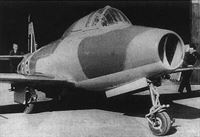
Aeroplane Monthly 2001-05 / B.Gunston - Early jet aircraft /Database/ (7)
Регистрационный номер: W4041 [39] As the aircraft is pushed out of its hangar at the RAE the long stroke of the nosewheel leg, seen here unloaded, is apparent.
-
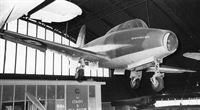
Air-Britain Aeromilitaria 2001-01 / P.Butler - The Gloster E.28/39
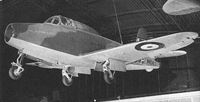
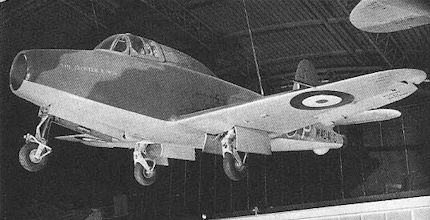
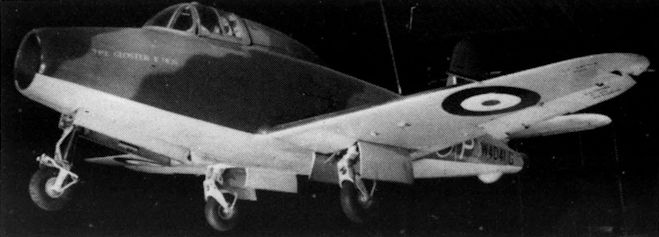
Регистрационный номер: W4041 [39] W4041/G in the Science Museum, South Kensington, London, in 1978
-
Aeroplane Monthly 2001-05 / B.Gunston - Early jet aircraft /Database/ (7)
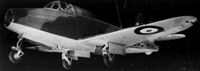
Регистрационный номер: W4041 [39] The same machine suspended in the museum's Aeronautics gallery in 1977.
-
Aeroplane Monthly 1980-02 / Gloster E.28/39 /Preservation Profile/ (82)
Регистрационный номер: W4041 [39] On display in the Science Museum's Aeronautics Gallery, 1977
-

Aeroplane Monthly 1990-04 / 1990 UK Aircraft Collections and Museums Guide
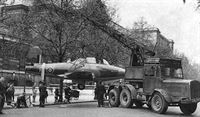
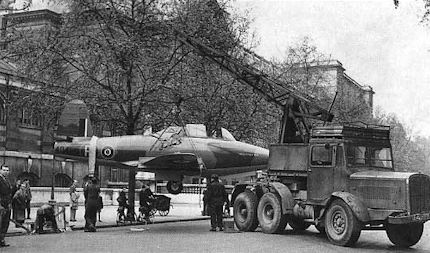
Регистрационный номер: W4041 [39] Gloster E.28/39 W4041/G being unloaded outside the Science Museum on the morning of April 27, 1946 before going on permanent exhibition as part of the National Aeronautical Collection.
-
Aeroplane Monthly 2001-05 / B.Gunston - Early jet aircraft /Database/ (7)
Регистрационный номер: W4041 [39] Preserved for posterity: the first E.28/39 being unloaded on arrival at the Science Museum on April 27, 1946.
-

Air Enthusiast 2003-05 / T.Buttler - UK jet pioneers (1)
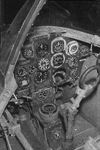
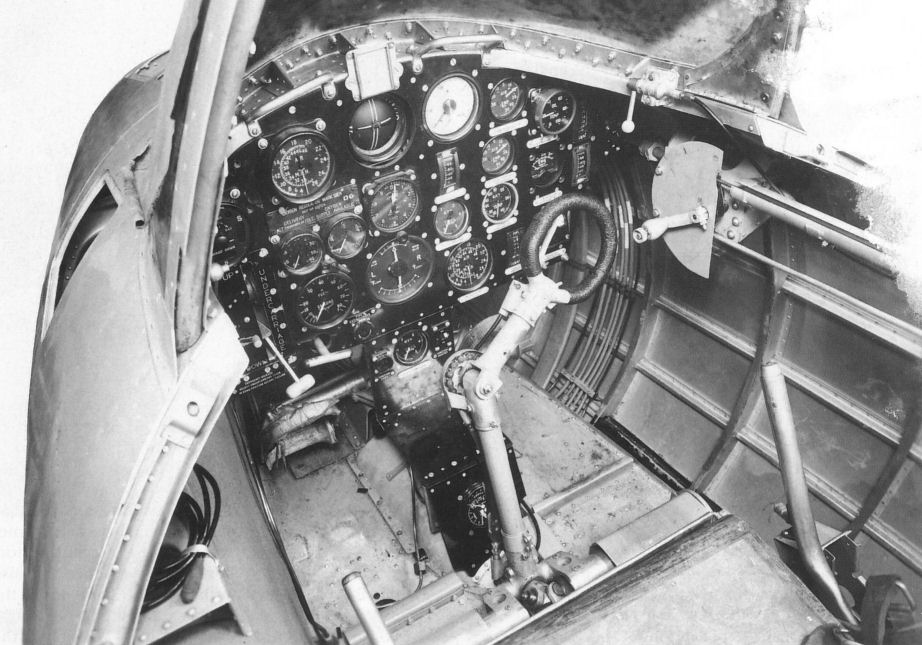
Кабина "Пионера"
E28/39 cockpit. -
Aeroplane Monthly 2001-05 / B.Gunston - Early jet aircraft /Database/ (7)
Регистрационный номер: W4041 [39] The cockpit of W4041/G as it is today, in the Science Museum, London.
-

Aeroplane Monthly 1977-04 / B.Gunston - Dawn of the jet age
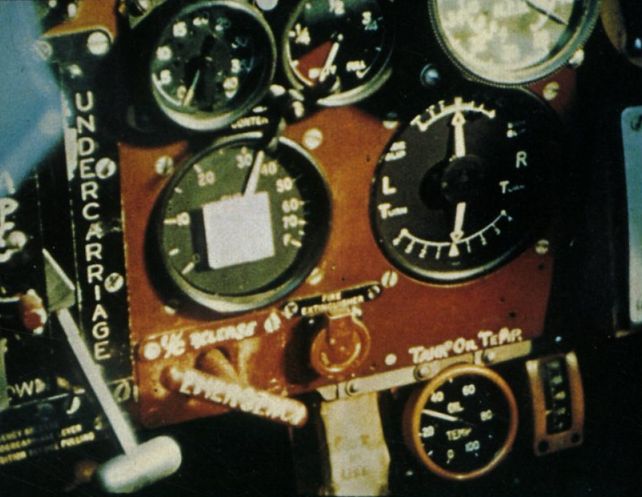
Регистрационный номер: W4041 [39] The colour still depicting the instrument panel of W4041
-
Aeroplane Monthly 2001-05 / B.Gunston - Early jet aircraft /Database/ (7)
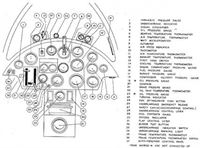
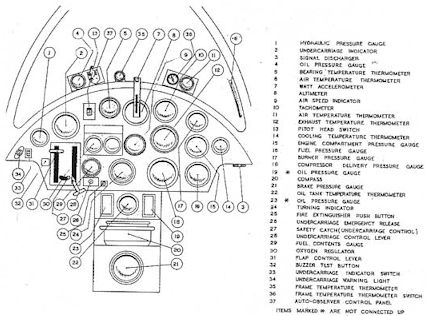
A layout diagram of the E.28/39's cockpit instrumentation, with a plethora of thermometers in evidence.
-
Aeroplane Monthly 2001-05 / News
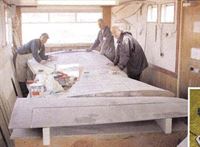
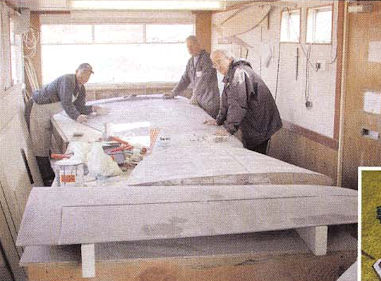
Members of the SFWCG working on the full-scale E.28/39 replica.
-
Air-Britain Aeromilitaria 2001-01 / P.Butler - The Gloster E.28/39
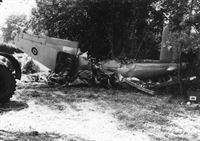
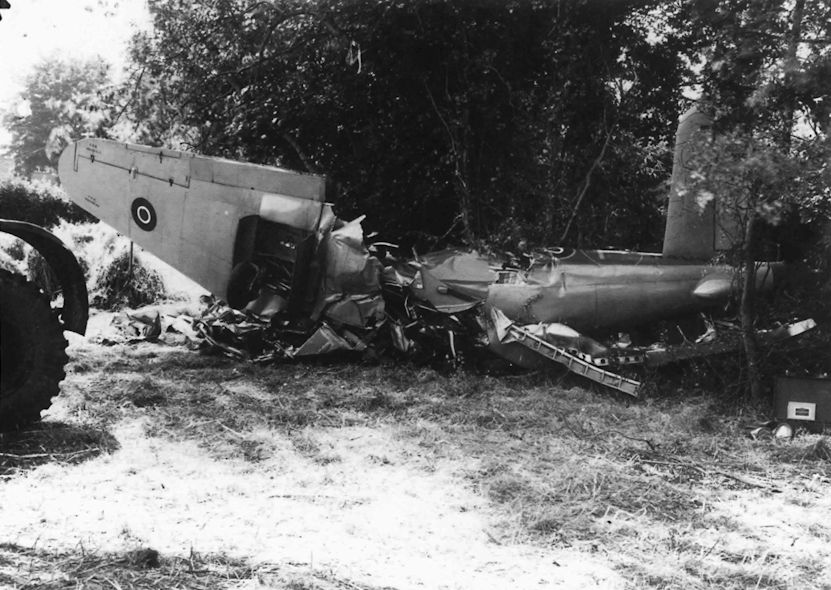
Регистрационный номер: W4046 The wreckage of W4046/G at Shalford, 30th July 1943
-
Aeroplane Monthly 2001-05 / News
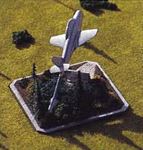
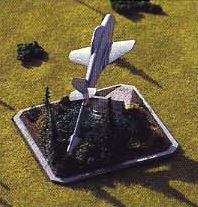
A model of the replica showing its tailpipe pylon arrangement.
-
Aeroplane Monthly 2002-06 / News
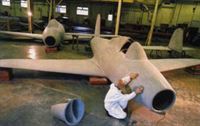
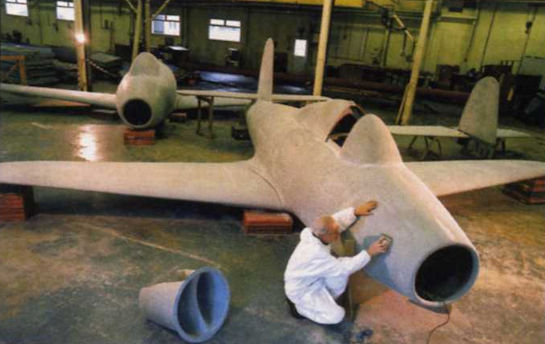
One of the glassfibre Gloster E.28/39 models gets a rub-down at Lutterworth during March 2002.
-

Aeroplane Monthly 2001-05 / B.Gunston - Early jet aircraft /Database/ (7)
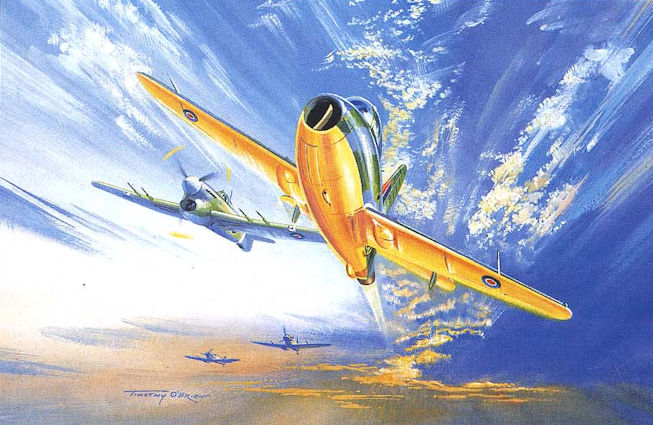
On April 17, 1942, test pilot John Grierson flew the second E.28/39 from Edgehill to Hatfield to appear in a demonstration of new aeroplane types. His armed escort for the 70-mile flight, comprising two Supermarine Spitfire Vs and a Hawker Typhoon, was not up to the task, as the Spitfires were immediately left behind and the Typhoon could only just keep up at maximum cruising power and had to go "through the gate" on occasion to stay abreast. This painting of the event is by Timothy O'Brien GAvA.
Другие самолёты на фотографии: Hawker Typhoon - Великобритания - 1940Supermarine Spitfire Mk.V - Великобритания - 1941
-
Aeroplane Monthly 1982-10 / ??? - Forty years on
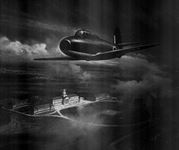
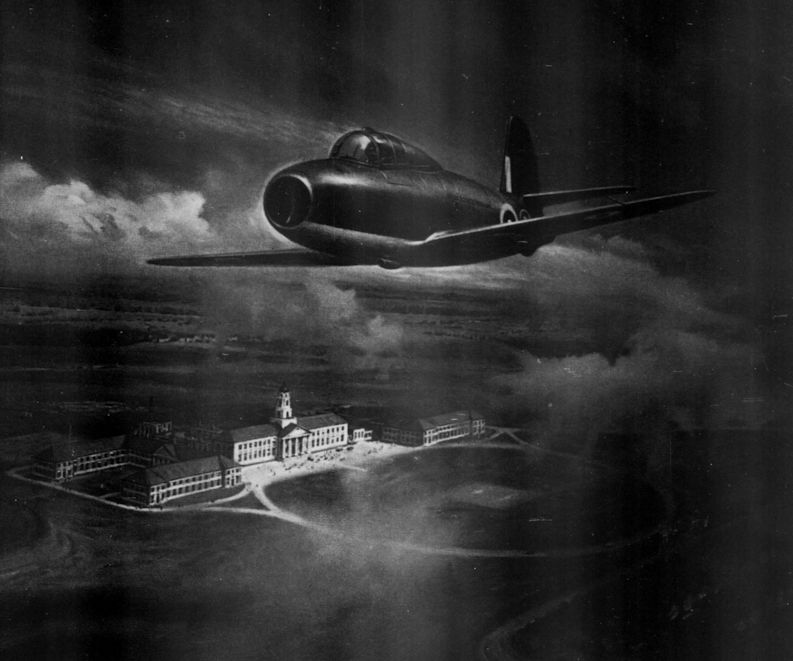
Kenneth McDonough’s painting of the Gloster E.28/39 flying over the RAF College, Cranwell.
-

Aeroplane Monthly 1987-05
First flight of the Gloster E.28/39 - May 15, 1941: Britain’s first jet-propelled aircraft
-

Aeroplane Monthly 1991-06 / J.Golley - The Whittle revolution
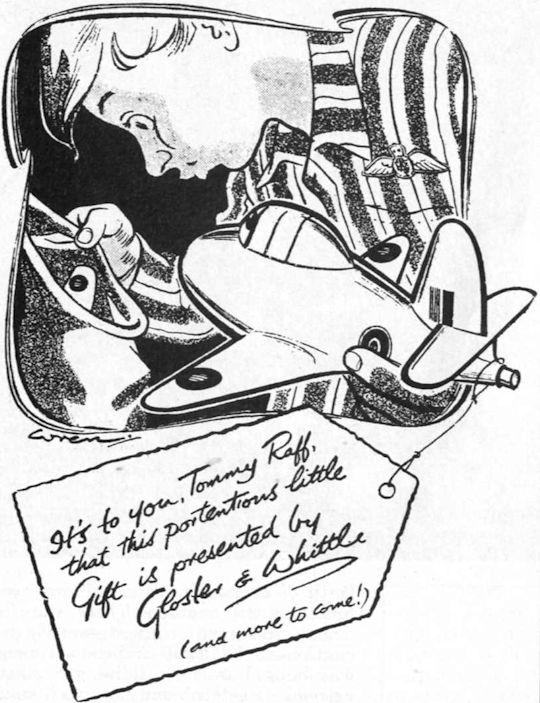
The Wren Oddentification on the facing page was published in The Aeroplane for December 22, 1944.
-
Aeroplane Monthly 2001-05 / B.Gunston - Early jet aircraft /Database/ (7)
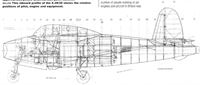
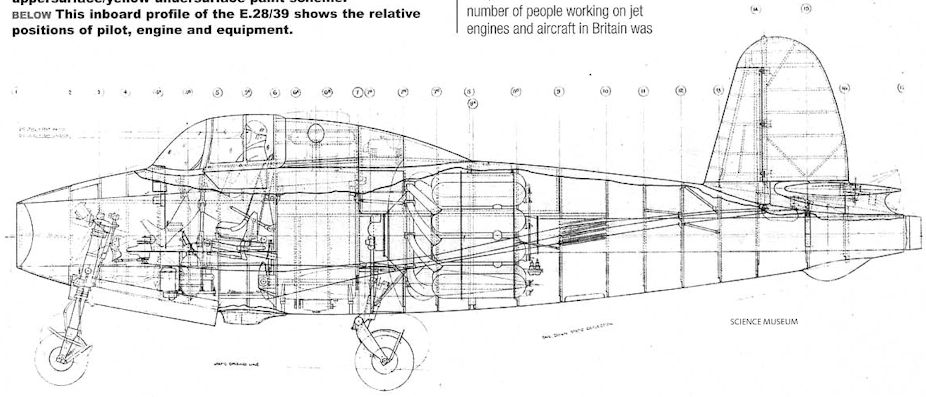
Регистрационный номер: W4041 [39] This inboard profile of the E.28/39 shows the relative positions of pilot, engine and equipment.
-

Air Enthusiast 2003-05 / T.Buttler - UK jet pioneers (1)
The first of two sketches showing George Carter's original ideas for a jet-propelled aircraft, September 30, 1939.
-

Air Enthusiast 2003-05 / T.Buttler - UK jet pioneers (1)
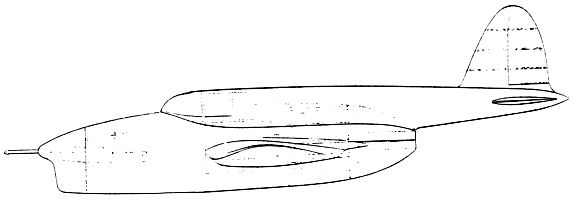
How the E28/39 might have looked; Carter's second jet aircraft scheme with a short jet pipe and nose-mounted cannon, October 2, 1939.
-
Aeroplane Monthly 2001-05 / B.Gunston - Early jet aircraft /Database/ (7)
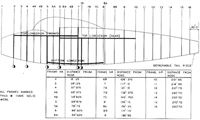
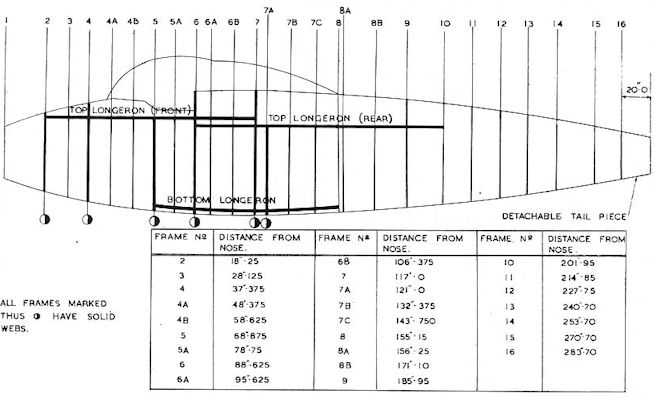
A diagram showing the basic fuselage structure and frame stations.
-
Aeroplane Monthly 2001-05 / B.Gunston - Early jet aircraft /Database/ (7)
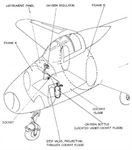
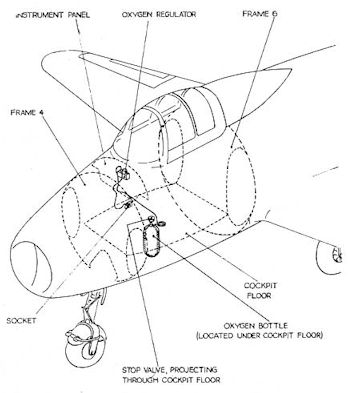
The E.28/39's oxygen system, with the bottle beneath the cockpit floor and the regulator on the instrument panel. Also shown here is the shape of the air ducts passing on either side of the cockpit, taking air from the nose inlet to the engine.
-
Aeroplane Monthly 2001-05 / B.Gunston - Early jet aircraft /Database/ (7)
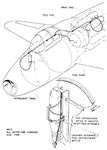
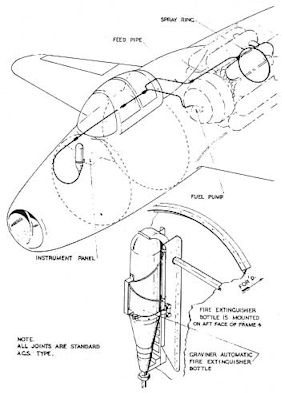
The Graviner automatic fire extinguisher bottle was affixed on the rear face of frame 4, just ahead of the cockpit, and discharged its contents into the fuel pump and a spray ring around the orifice at the forward end of the jetpipe.
-
Aeroplane Monthly 2001-05 / B.Gunston - Early jet aircraft /Database/ (7)
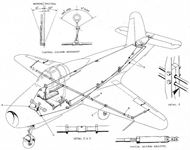
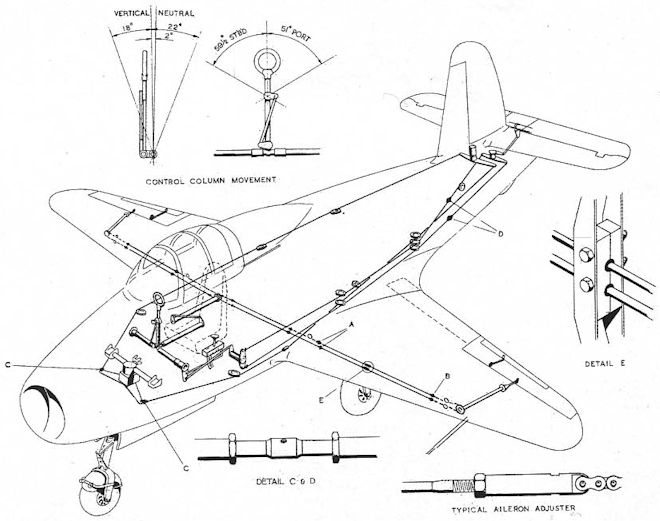
The general arrangement and details of the E.28/39's flying controls.
-

Aviation Historian 20 / N.Stroud - Fire in the belly
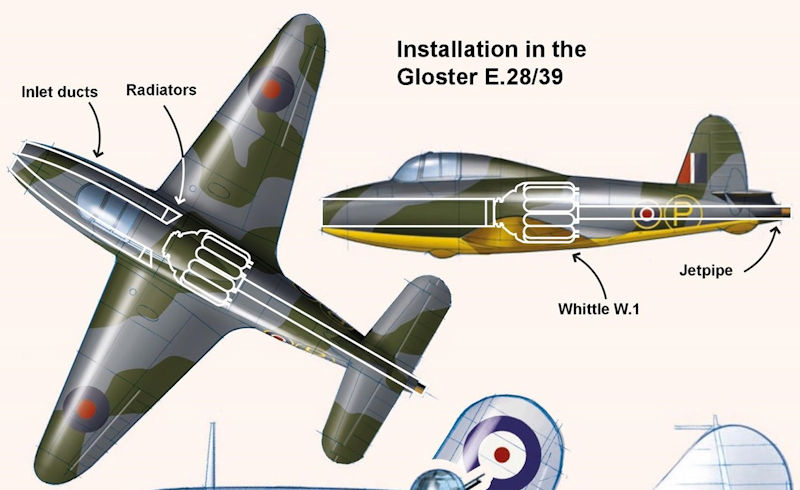
INSTALLING THE WHITTLE W.1 JET ENGINE in the Gloster E.28/39
-
Aeroplane Monthly 2001-05 / B.Gunston - Early jet aircraft /Database/ (7)
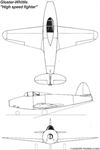
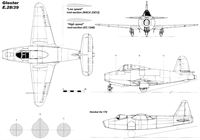
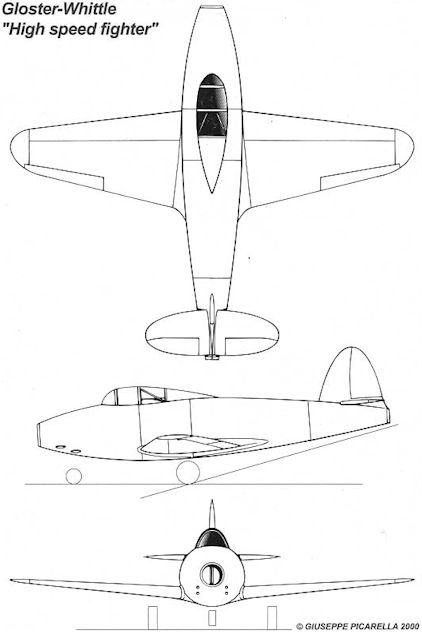
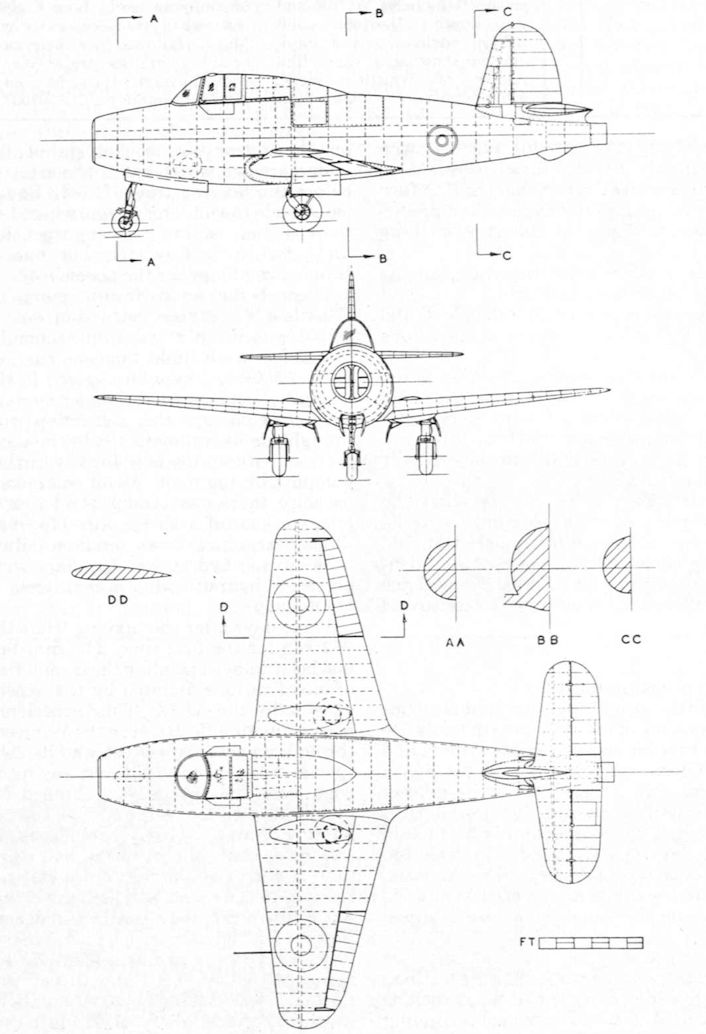
A three-view of the E.28/39 based on an original company drawing dated November 1939. Note the more rounded fin and tailplane shapes compared with the aircraft as built, and the provision for guns in the nose.
-
Мировая Авиация 140
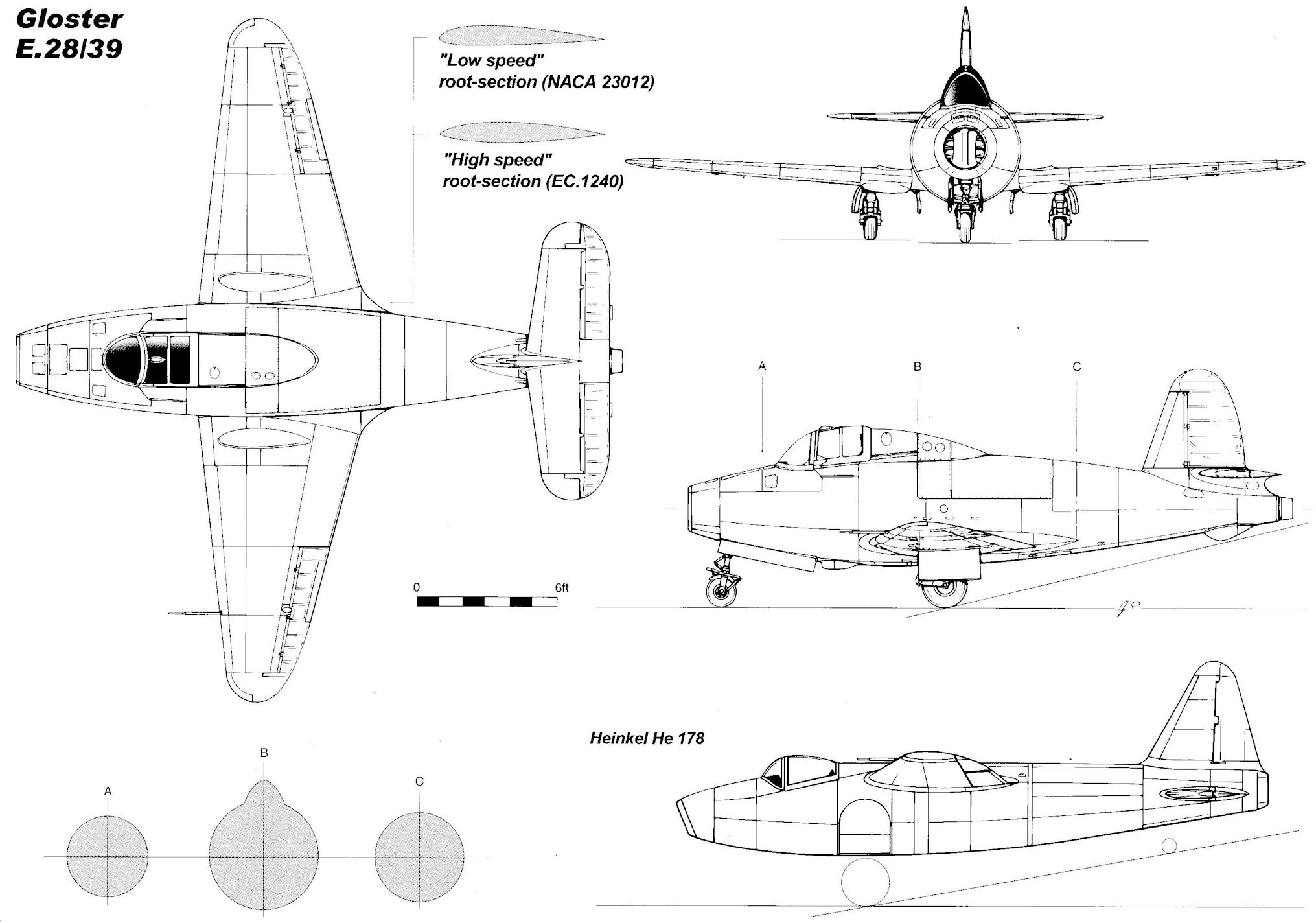
Gloster E.28/39
-
-

-












- Фотографии