

Фотографии

-
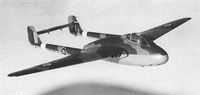
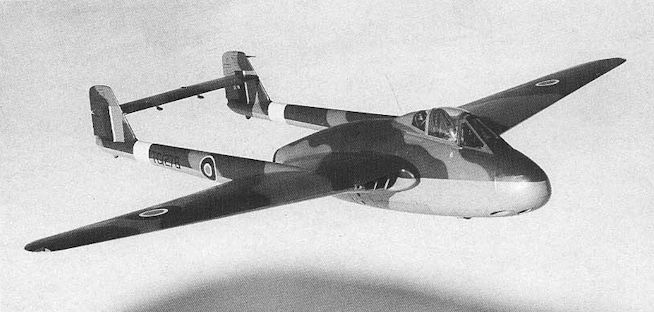
Регистрационный номер: TG278 The first production Vampires, represented here by TG278, were the first fighters in the world to have a top speed above 500 m.p.h.
Самолёты на фотографии: De Havilland Vampire / D.H.100 - Великобритания - 1943
-
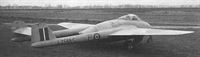
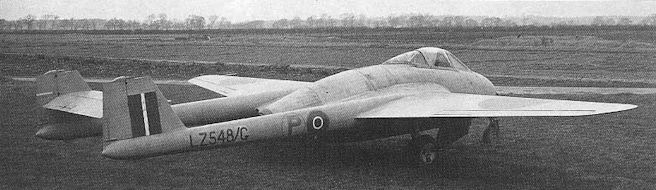
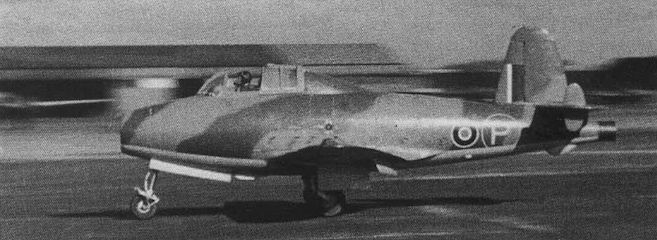
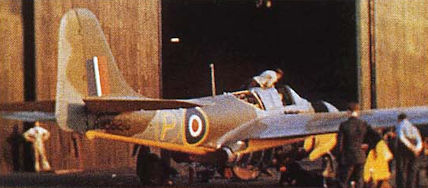
Регистрационный номер: LZ548 The prototype de Havilland D.H.100 Vampire, LZ548/G, powered by a 2,700lb s.t. de Havilland Goblin I turbojet, first flew on September 29, 1943.
Самолёты на фотографии: De Havilland Vampire / D.H.100 - Великобритания - 1943
-
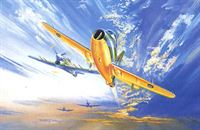
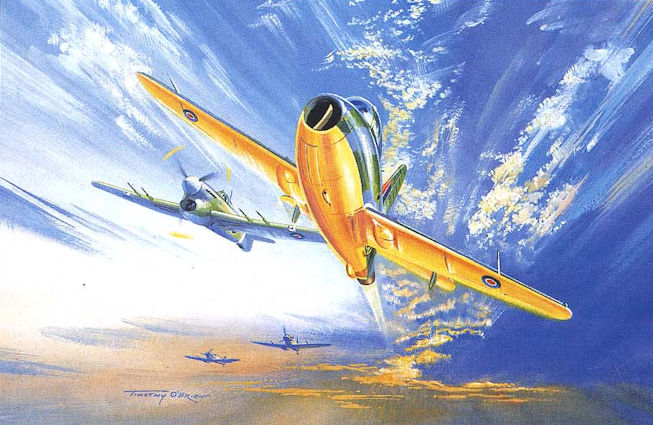
On April 17, 1942, test pilot John Grierson flew the second E.28/39 from Edgehill to Hatfield to appear in a demonstration of new aeroplane types. His armed escort for the 70-mile flight, comprising two Supermarine Spitfire Vs and a Hawker Typhoon, was not up to the task, as the Spitfires were immediately left behind and the Typhoon could only just keep up at maximum cruising power and had to go "through the gate" on occasion to stay abreast. This painting of the event is by Timothy O'Brien GAvA.
Самолёты на фотографии: Gloster Pioneer / G.40 - Великобритания - 1941Hawker Typhoon - Великобритания - 1940Supermarine Spitfire Mk.V - Великобритания - 1941
-
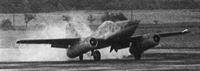
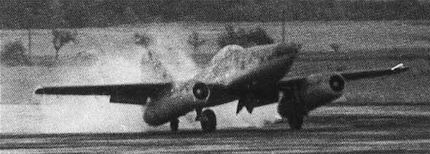
Fritz Wendel flew the Me 262 V3 for the first time on July 18 1942, when the aircraft was still fitted with a tailwheel, later replaced by a tricycle undercarriage.
Самолёты на фотографии: Messerschmitt Me.262 Schwalbe - Германия - 1941
-
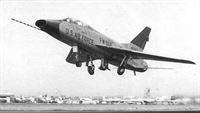
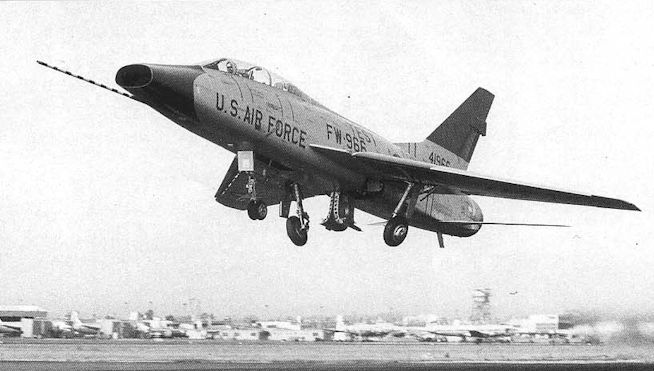
Регистрационный номер: FW-966 The author's back-seat ride in a North American F-100F Super Sabre made him realise that the Vampire was rather more docile than many fast jets.
Самолёты на фотографии: North American F-100 Super Sabre - США - 1953
-
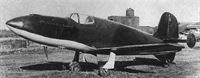
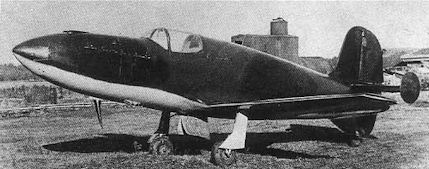
The USSR's Bereznyak-Isayev BI-1 was the first rocket-engined fighter to fly, doing so in May 1942.
Самолёты на фотографии: Березняк, Исаев БИ-1 - Россия - 1942
-
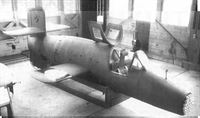
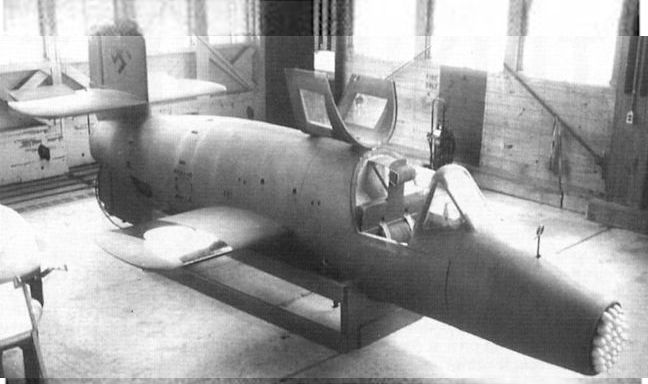
A captured Bachem Ba 349 Natter at Freeman Field in the USA. This semi-expendable rocket-propelled single-seat interceptor fighter was fitted with an ejection seat and had an initial climb rate of around 35,000ft / min. Armed with either 24 or 33 rocket projectiles, the Ba 349 was a desperate late-war attempt to combat USAAF intruders.
Dr-Ing Bachem's nasty Ba 349 Natter (Adder) took off vertically. One of them killed its test pilot in February 1945.Самолёты на фотографии: Bachem Ba.349 Natter - Германия - 1945
-
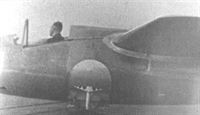
Test pilot Erich Warsitz in the He 178 V1 at the time of its first flight in August 1939. The wheel-wells were skinned over and the undercarriage was not retracted.
Warsitz in the cockpit during taxi-ing trials three days earlier. Note the blanking plates over the mainwheel wells.Самолёты на фотографии: Heinkel He-178 - Германия - 1939
-
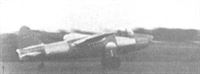
The Heinkel He 178 V1 taxies out for its first take-off, in late August 1939, powered by a 1,100lb s.t. HeS 3B engine.
Самолёты на фотографии: Heinkel He-178 - Германия - 1939
-
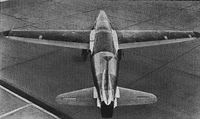
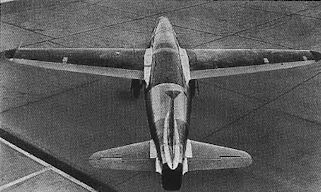
A rear view of the Heinkel He 178 of 1939 shows its cigar-shaped fuselage and tapered wings.
Самолёты на фотографии: Heinkel He-178 - Германия - 1939
-
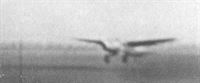
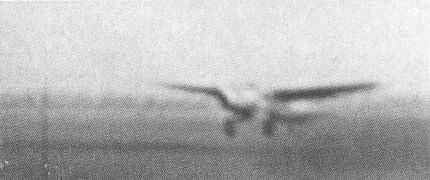
In this poor but historic shot of an early hop - possibly the first flight - the elliptical wing planform of the V1 prototype is just discernible.
Самолёты на фотографии: Heinkel He-178 - Германия - 1939
-
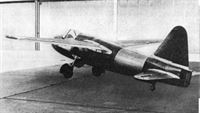
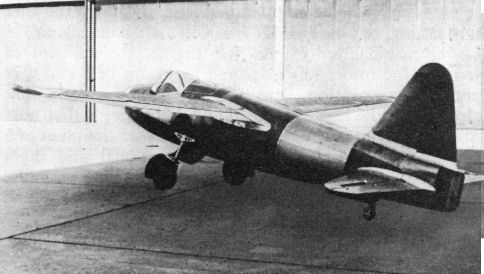
This view of the He 178 V2 second prototype shows its distinctive shoulder-wing configuration and tapered wings.
The He 178 V2, which never flew.Самолёты на фотографии: Heinkel He-178 - Германия - 1939
-
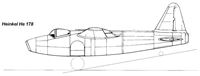
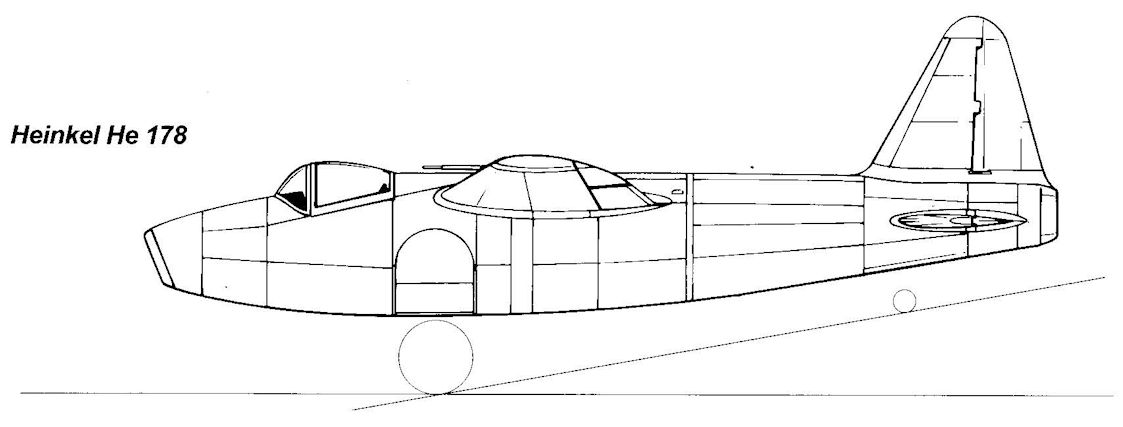
Heinkel He 178
Самолёты на фотографии: Heinkel He-178 - Германия - 1939
-
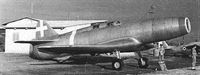
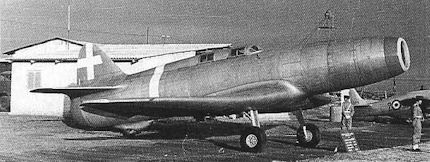
One survivor of the first jets is the cumbersome Caproni-Campini N.1 of 1940, now preserved at Vigna di Valle in Italy. Its performance left something to be desired.
Самолёты на фотографии: Caproni-Campini CC.2 / N.1 - Италия - 1940
-
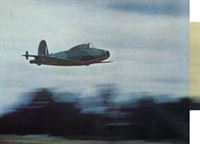
Полеты "Пионера" - на большой скорости, без винта - производили большое впечатление на зрителей
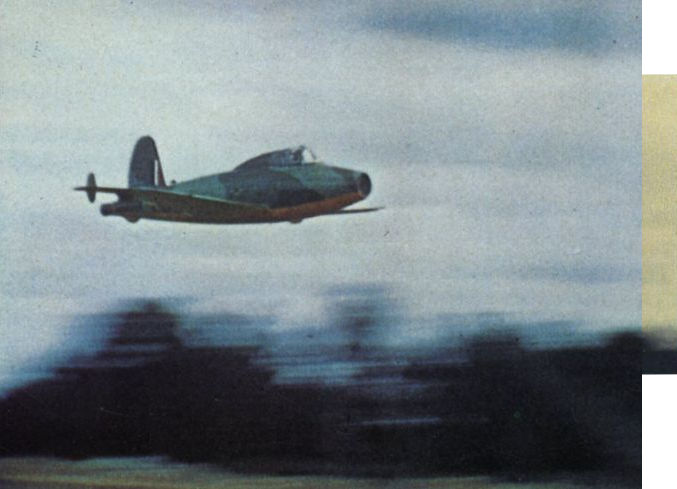
A colour film still of the E.28/39 in flight at RAE Farnborough in 1944, with the auxiliary fins evident.Самолёты на фотографии: Gloster Pioneer / G.40 - Великобритания - 1941
-
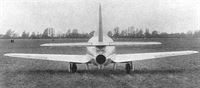
Регистрационный номер: W4041 [8] "Пионер" перед началом испытаний.
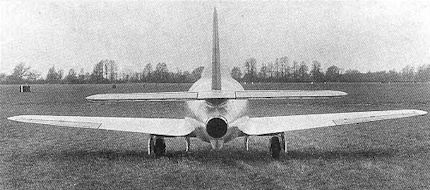
A rear view of the E.28/39 reveals the high-aspect-ratio tabs on the ailerons and the small diameter of the jet pipe.Самолёты на фотографии: Gloster Pioneer / G.40 - Великобритания - 1941
-
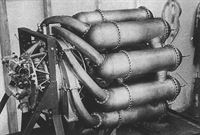
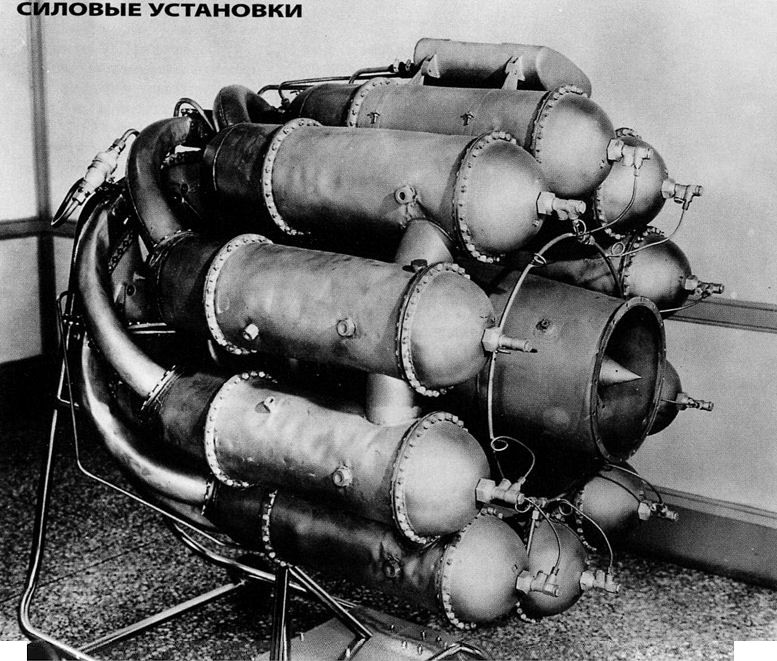
The Whittle W.1A engine viewed from the gearcase (front) end. The W.1A was the second flight engine used in the E.28/39, developing 1,160lb-thrust.
Самолёты на фотографии: Gloster Pioneer / G.40 - Великобритания - 1941
-
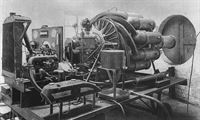
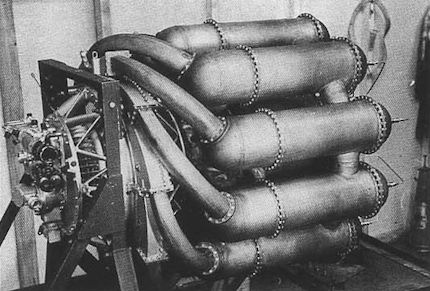
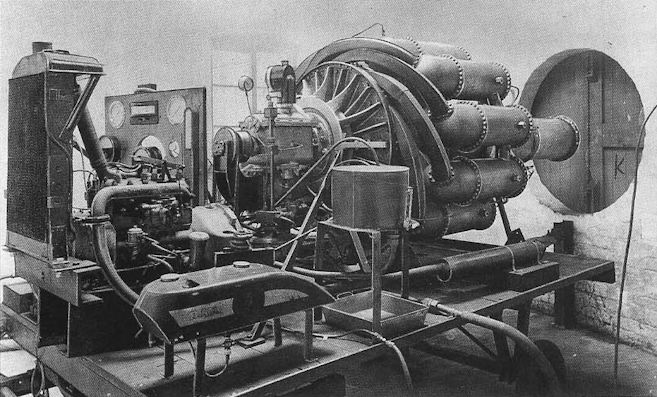
The Whittle WU in the testing room at Lutterworth, in its ultimate form.
Whittle's engine after its second reconstruction in 1938, when it was fitted with ten combustion chambers. A 10 h.p. BSA automobile engine served as a starter, although the vehicle's starting motor would have been adequate for the task.Самолёты на фотографии: Gloster Pioneer / G.40 - Великобритания - 1941
-
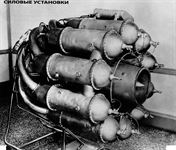
Двигатель Уиттла W.1 тягой 3,83 кН был запущен 12 апреля 1941 года, в мае его установили на Gloster Е.28/39 для первого полета в Кранвелл.
A Whittle W1 engine, viewed from the exhaust end.Самолёты на фотографии: Gloster Pioneer / G.40 - Великобритания - 1941
-
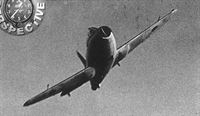
A ground-to-air study of the first E.28/39 as it makes a low fly-past. The underwing bulges of the undercarriage housings are evident.
Самолёты на фотографии: Gloster Pioneer / G.40 - Великобритания - 1941
-
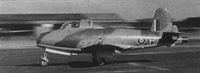
The E.28/39 gathers speed as it takes off from Farnborough. A run of 500-600yd was required.
Самолёты на фотографии: Gloster Pioneer / G.40 - Великобритания - 1941
-
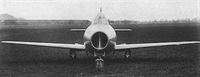
Регистрационный номер: W4041 [8] "Пионер" перед началом испытаний.
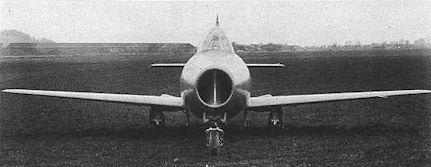
Seen from in front, the brand-new E.28/39 displays its clean lines and the bifurcated nose intake for its Whittle engine. Compared with most piston-engined aircraft, it gave its pilot an exceptional view, as the cockpit was positioned well forward on the fuselage.Самолёты на фотографии: Gloster Pioneer / G.40 - Великобритания - 1941
-
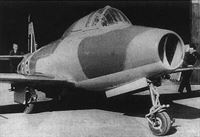
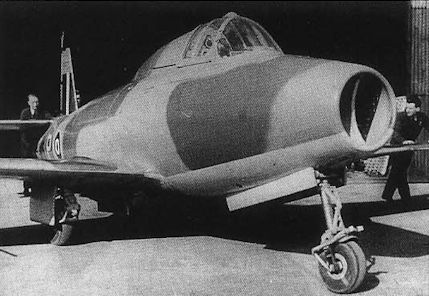
Регистрационный номер: W4041 [8] As the aircraft is pushed out of its hangar at the RAE the long stroke of the nosewheel leg, seen here unloaded, is apparent.
Самолёты на фотографии: Gloster Pioneer / G.40 - Великобритания - 1941
-
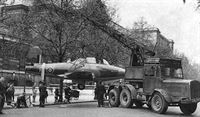
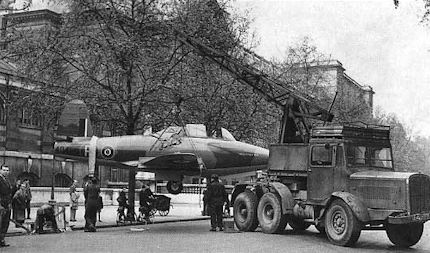
Регистрационный номер: W4041 [8] Preserved for posterity: the first E.28/39 being unloaded on arrival at the Science Museum on April 27, 1946.
Самолёты на фотографии: Gloster Pioneer / G.40 - Великобритания - 1941
-
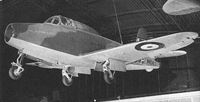
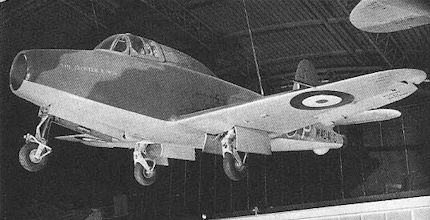
Регистрационный номер: W4041 [8] The same machine suspended in the museum's Aeronautics gallery in 1977.
Самолёты на фотографии: Gloster Pioneer / G.40 - Великобритания - 1941
-
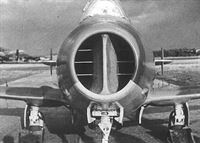
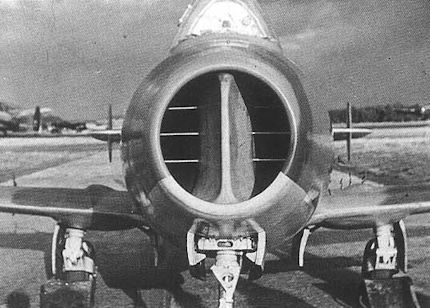
Регистрационный номер: W4041 [8] A frontal close-up shows the airflow straighteners in the bifurcated intake, and the small bulges on the upper wing surface to accommodate the retracted main undercarriage.
Самолёты на фотографии: Gloster Pioneer / G.40 - Великобритания - 1941
-
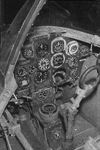
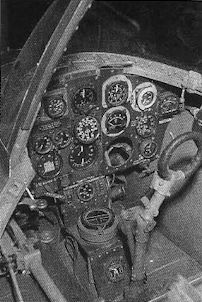
Регистрационный номер: W4041 [8] The cockpit of W4041/G as it is today, in the Science Museum, London.
Самолёты на фотографии: Gloster Pioneer / G.40 - Великобритания - 1941
-
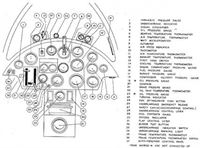
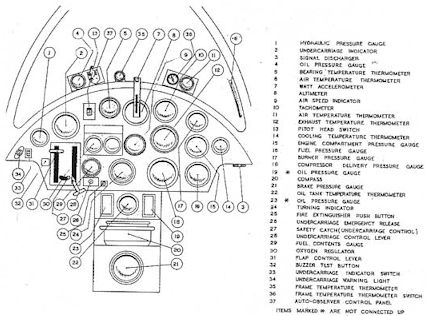
A layout diagram of the E.28/39's cockpit instrumentation, with a plethora of thermometers in evidence.
Самолёты на фотографии: Gloster Pioneer / G.40 - Великобритания - 1941
-
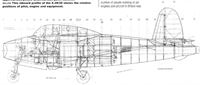
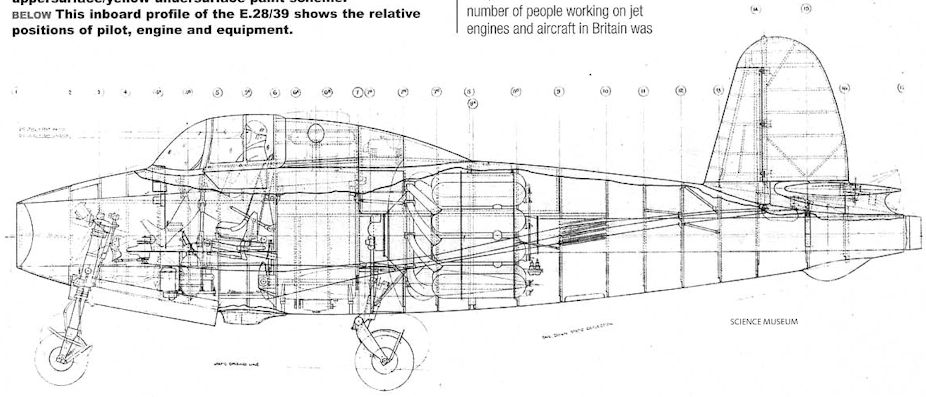
Регистрационный номер: W4041 [8] This inboard profile of the E.28/39 shows the relative positions of pilot, engine and equipment.
Самолёты на фотографии: Gloster Pioneer / G.40 - Великобритания - 1941
-
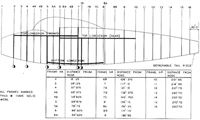
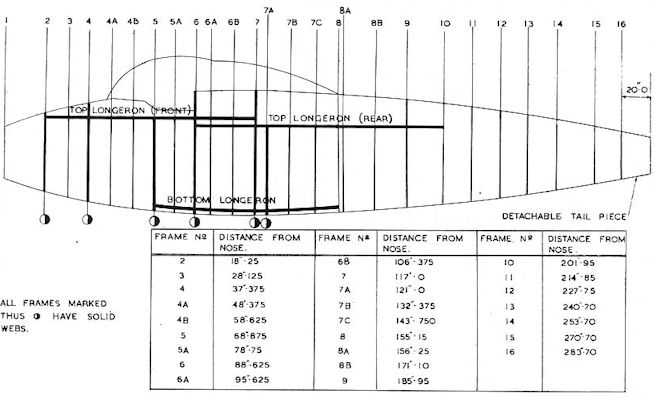
A diagram showing the basic fuselage structure and frame stations.
Самолёты на фотографии: Gloster Pioneer / G.40 - Великобритания - 1941
-
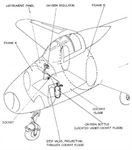
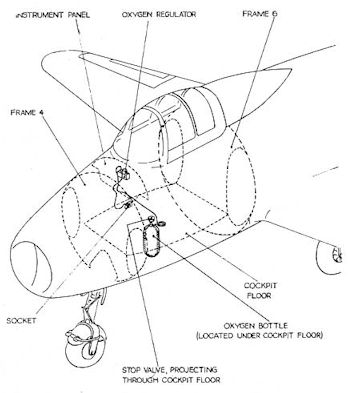
The E.28/39's oxygen system, with the bottle beneath the cockpit floor and the regulator on the instrument panel. Also shown here is the shape of the air ducts passing on either side of the cockpit, taking air from the nose inlet to the engine.
Самолёты на фотографии: Gloster Pioneer / G.40 - Великобритания - 1941
-
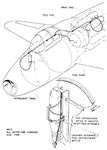
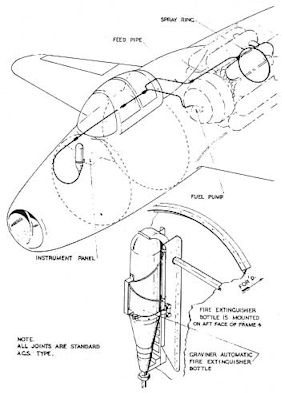
The Graviner automatic fire extinguisher bottle was affixed on the rear face of frame 4, just ahead of the cockpit, and discharged its contents into the fuel pump and a spray ring around the orifice at the forward end of the jetpipe.
Самолёты на фотографии: Gloster Pioneer / G.40 - Великобритания - 1941
-
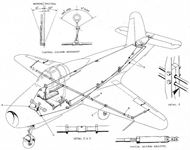
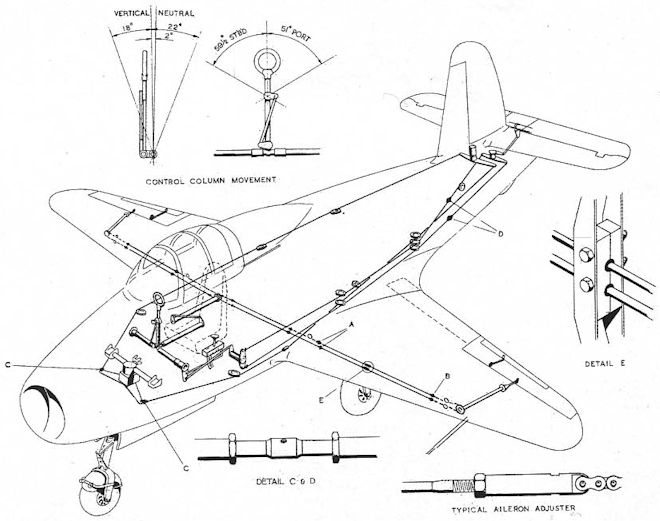
The general arrangement and details of the E.28/39's flying controls.
Самолёты на фотографии: Gloster Pioneer / G.40 - Великобритания - 1941
-
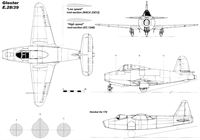
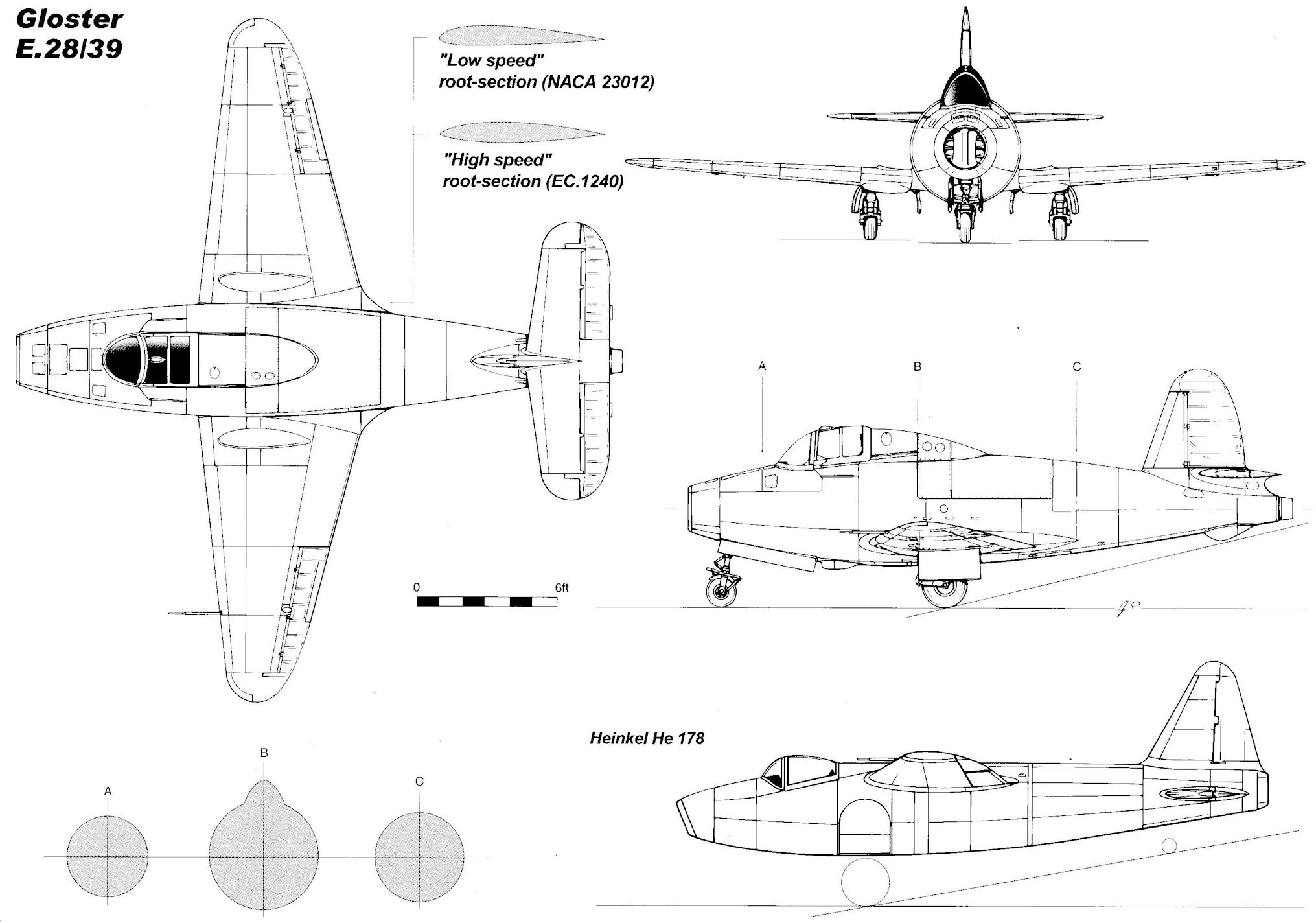
Gloster E.28/39
Самолёты на фотографии: Gloster Pioneer / G.40 - Великобритания - 1941
-
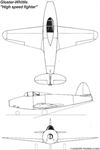
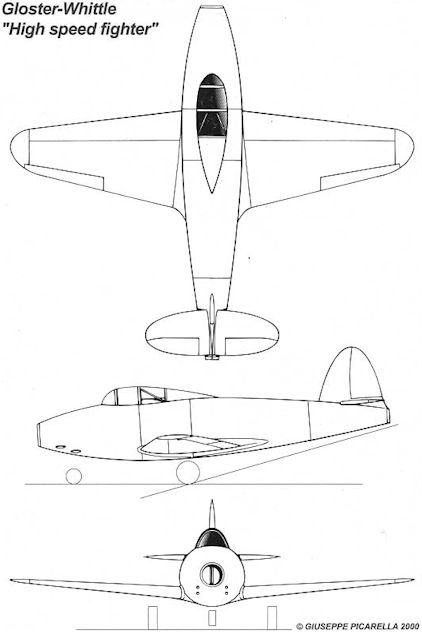
A three-view of the E.28/39 based on an original company drawing dated November 1939. Note the more rounded fin and tailplane shapes compared with the aircraft as built, and the provision for guns in the nose.
Самолёты на фотографии: Gloster Pioneer / G.40 - Великобритания - 1941
-
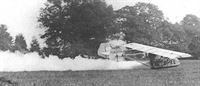
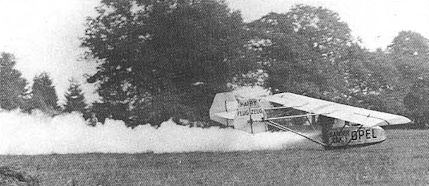
The Opel-Sander-Hatry RAK.1 makes a dramatic take-off under the power of four of its 16 rockets in September 1929.
Самолёты на фотографии: Opel-Sander Rak.1 - Германия - 1929
-
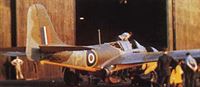
Регистрационный номер: RJ362 America's first jet aircraft was the Bell P-59A Airacomet. Seen here is the third YP-59A Service test aircraft, under test in the UK as RJ362/G.
Самолёты на фотографии: Bell P-59 Airacomet - США - 1942
-
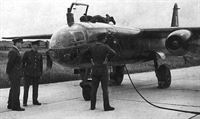
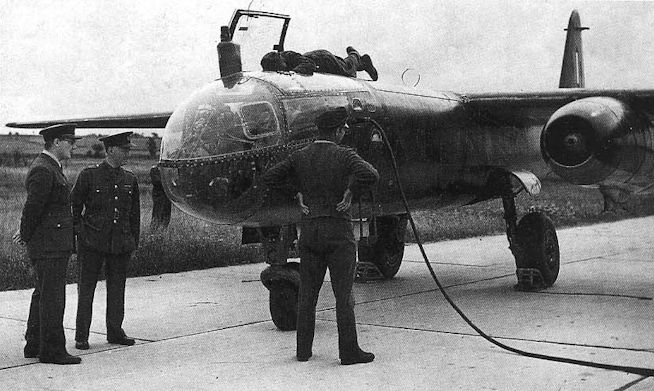
A captured Arado Ar 234 undergoes scrutiny at Forus airfield near Stavanger, Norway, in August 1945. The Ar 234 was the first jet bomber to go into service.
Самолёты на фотографии: Arado Ar.234 Blitz - Германия - 1943
-
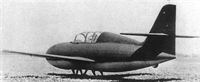
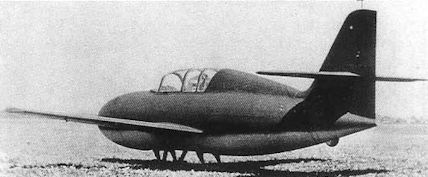
This prototype glider version of the Messerschmitt Me 328 interceptor was launched from a Dornier Do 217 in 1943. Powered versions would have had two Argus pulsejets.
Самолёты на фотографии: Messerschmitt Me.328 - Германия - 1943
Статьи
- -
- Navigator
- News
- Skywriters /Readers' letters/
- ??? - Farnborough Airforce /High Society/
- B.Gunston - Early jet aircraft /Database/ (7)
- B.Stead - Personal album /Readers' photographs/
- C.Jurd - War comes to Woolston /First-hand history/ (2)
- H.Friedman, A.Friedman - The Legacy of the Rockne Crash /Accident analysis/
- J.Meadows - Mosquito update /In the workshop/ (2)
- M.O'Leary - Princess for Kermit /Warbird restoration/
- R.Nesbit - Hunting the Hunter /Sinking the Bismark/
- T.Harmsworth - From dreams to reality /Preservation industry/