

Фотографии
-

Lieutenant Yutaka Moriaka (five victories) was often Flight Leader of the Imperial Japanese Navy's 302nd Kokutai during August 1945. It is likely that he was part of a mixed interceptor force that scrambled from Atsugi Air Base near Tokyo on the morning of August 15, 1945, in response to enemy carrier-based aircraft approaching the Tokyo area. Moriaka preferred to fly a Zero rather than a Raiden; either an A6M5c or an A6M7.
Самолёты на фотографии: Mitsubishi A6M5 Reisen - Япония - 1943
-
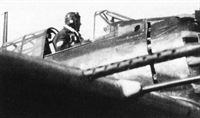
A good close-up of the wing armament of a late-production Mitsubishi A6M5c Zero. This was the most heavily-armed and best protected of the type, having an armoured glass windscreen, self-sealing fuel tanks and pilot head armour. Within each wing was a 20mm cannon, and outboard of the cannon was a 13mm machine-gun. A further heavy machine-gun was installed above the engine on the starboard side.
Самолёты на фотографии: Mitsubishi A6M5 Reisen - Япония - 1943
-

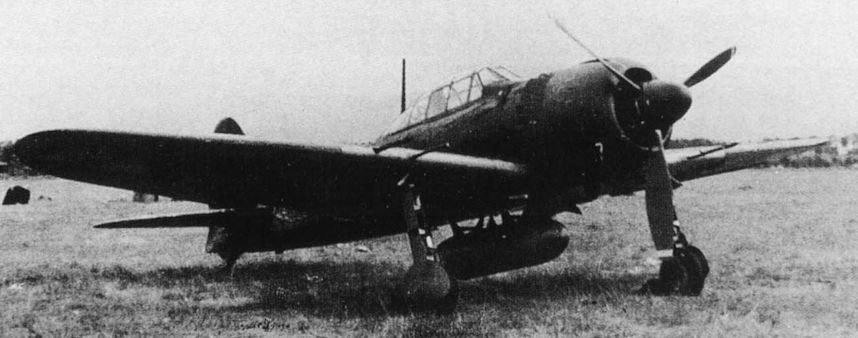
This view of an A6M5c Zero in Japan gives a good overall impression of the fighter that provided the main opposition for Gerry Murphy and his fellow pilots on the final, August 15, mission against Japan. This fighter does not appear to belong to the 302nd Kokutai; most of its Zeros had red-and-white spinners.
Самолёты на фотографии: Mitsubishi A6M5 Reisen - Япония - 1943
-

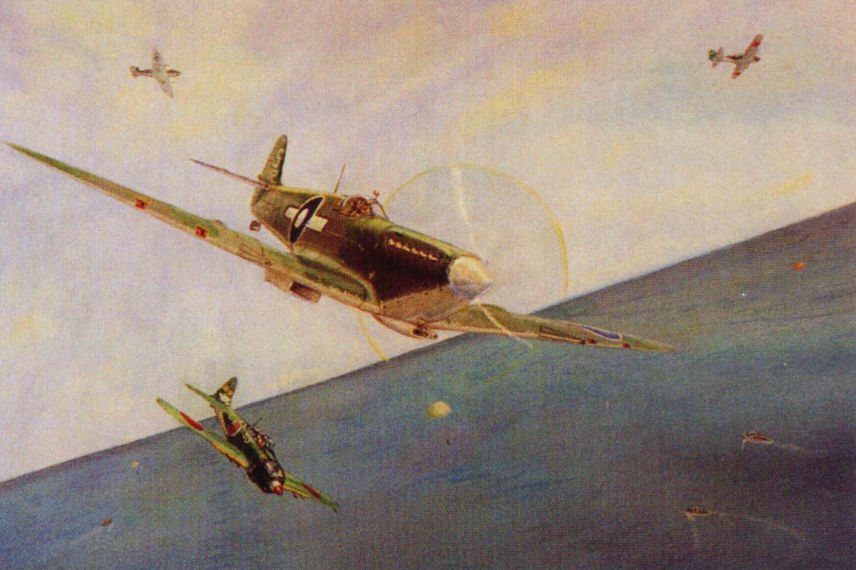
This painting by Rod Kirkby depicts Gerry Murphy in his 887 Sqn Seafire II, having just downed a Zero of the 302nd Kokutai.
Самолёты на фотографии: Mitsubishi A6M5 Reisen - Япония - 1943Supermarine Seafire - Великобритания - 1941
-

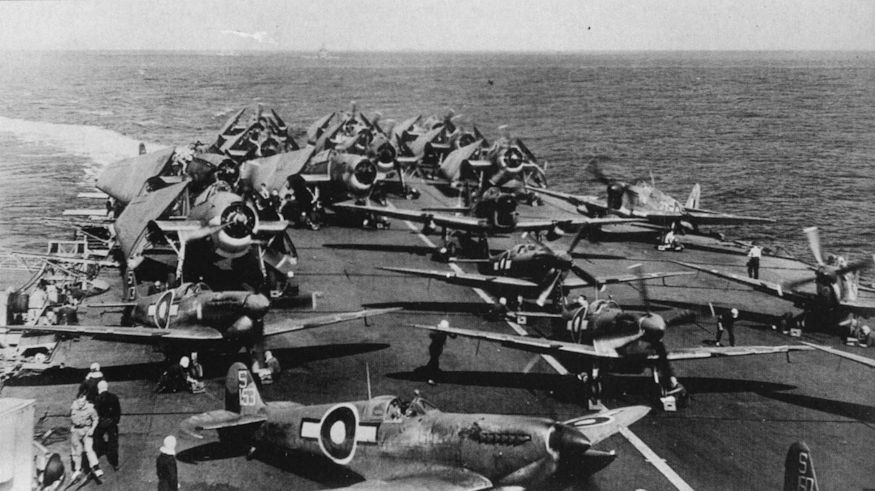
HMS Indefatigable was Gerry's home during the period of operations leading up to the surrender of Imperial Japan. On board are Seafires of 887 Sqn, his unit while operating off Japan in August 1945.
Самолёты на фотографии: Supermarine Seafire - Великобритания - 1941
-
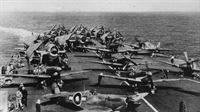
The British Pacific Fleet on operational duty off the Japanese Home Islands in 1945. Visible on the deck of HMS Indefatigable are Seafires, Avengers and Fireflies. The USA was initially sceptical about the British role in the Pacific, but soon discovered that their own carriers, which had wooden flight decks, were too vulnerable to the Kamikaze menace, whereas the British flat-tops benefited from armoured decks.
Самолёты на фотографии: Fairey Firefly - Великобритания - 1941Grumman TBF/TBM Avenger - США - 1941Supermarine Seafire - Великобритания - 1941
-
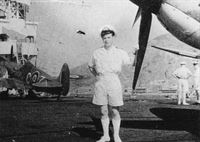
A youthful Gerry Murphy poses beside a Seafire, for which he has nothing but praise. The sometimes maligned naval variant of the famous Spitfire never let him down, even bringing him home with damage to a propeller blade caused by Japanese flak.
Самолёты на фотографии: Supermarine Seafire - Великобритания - 1941
-

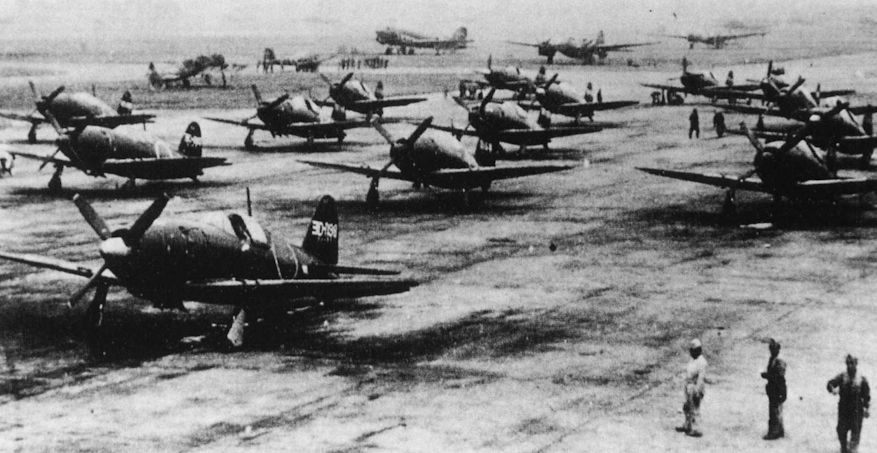
A crowded flight line at Atsugi, home of the 302nd Kokutai. Plainly visible in this view are a number of Mitsubishi J2M Raidens, probably the finest interceptor produced by Japan. Note that the tail code on these fighters is a reverse E and a normal D-; this was the commonest code for the 302nd, although occasionally it used 02- instead. The Raiden in the foreground appears to have a number of victory markings directly under the code.
Самолёты на фотографии: Mitsubishi J2M Raiden - Япония - 1942




Статьи
- -
- Navigator
- News
- Skywriters /Readers' letters/
- C.Pope - Star Quality /Jet preservation/
- J.Fricker - A life in the Air /The Aeroplane 90th anniversary/
- M.Huggins - The Final Combat /World War Two/
- M.Moore - Once a Spotter... /Wartime spotters' club/
- P.Masefield, B.Gunston - War Clouds /The Aeroplane 90th anniversary/
- R.Riding - 2,974 weeks /The Aeroplane 90th anniversary/
- T.Harmsworth - Hurricane season /Preservation industry/
- T.Juniper - Personal album /Readers' photographs/
- X.Meal - Return of the Super Universal /Rare bird/
- Y.Gordon - Ilyushin Shturmovik /Database/ (8)