

Фотографии

-
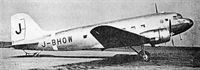
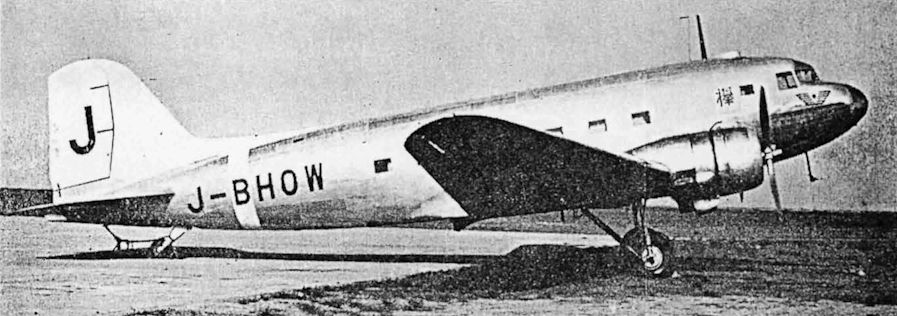
Регистрационный номер: J-BHOW J-BHOW was a Nakajima-built Douglas DC-3 with Mitsubishi Kinsei two-row radials in close-fitting nacelles and an extra window behind the cockpit. The DC-3 was given the Allied code-name 'Tabby'.
Самолёты на фотографии: Douglas DC-3 / C-47 Skytrain/С-53 Skytrooper / Dakota - США - 1935
-
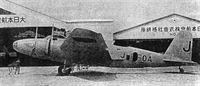
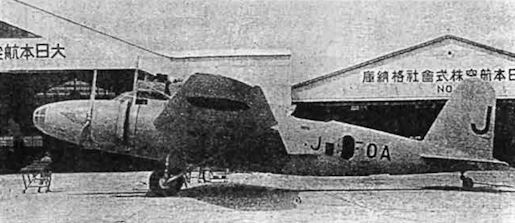
Регистрационный номер: J-BFOA The Mitsubishi MC-21 passenger/cargo transport was a straight conversion of the Type 97 (Ki 21) bomber for Army use. J-BFOA was used by DNKKK.
Самолёты на фотографии: Mitsubishi Ki.21 - Япония - 1936
-
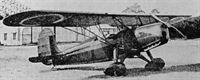
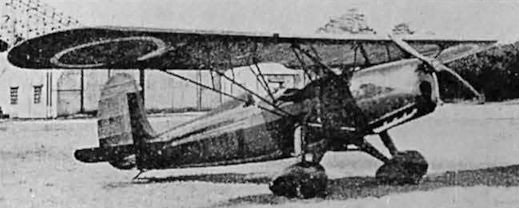
Регистрационный номер: J-BIWS, NC13167 A Fairchild 22-C7B (125 hp Menasco Pirate) was one of two imported by the Army in 1933 and is thought to have become J-BIWS. The other was a 22-C7A with 88 hp American Cirrus engine.
Самолёты на фотографии: Fairchild Model 22 - США - 1931
-
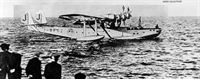
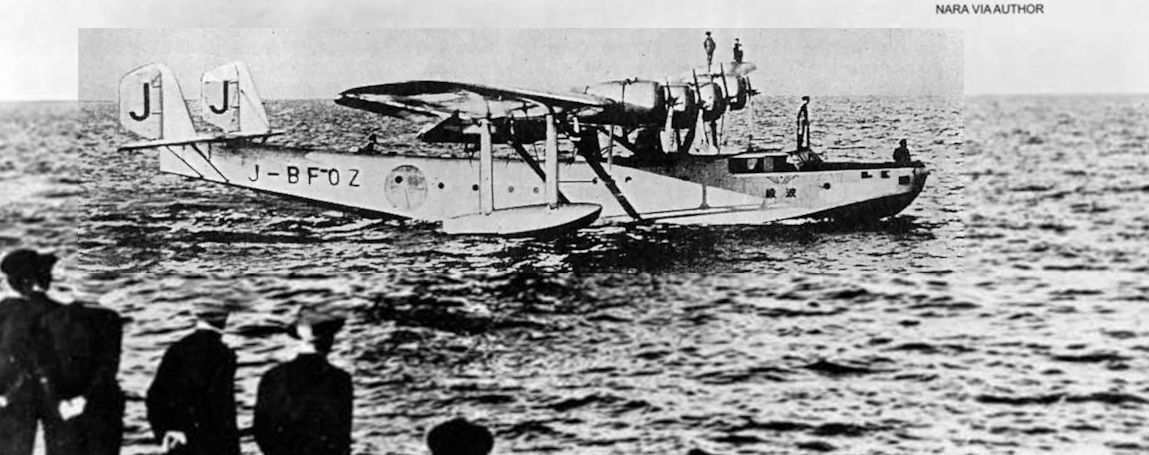
Регистрационный номер: J-BFOZ J-BFOZ was a conversion of the Kawanishi H6K2 four-engined reconnaissance flying boat and was operated by Greater Japan Airways with the name "Ayanami" (Beautiful Wave).
One of the early H6K2-Ls, J-BFOZ Ayanami, is inspected by officials before a flight to the South Seas. In Dai Nippon Koku service the flying-boats incorporated the Hinomaru (sun) symbol on the fuselage aft of the parasol wing, with the registration aft of that and the letter J (for Japan) on the inner and outer sides of the rudders.Самолёты на фотографии: Kawanishi H6K - Япония - 1936
-
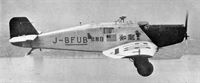
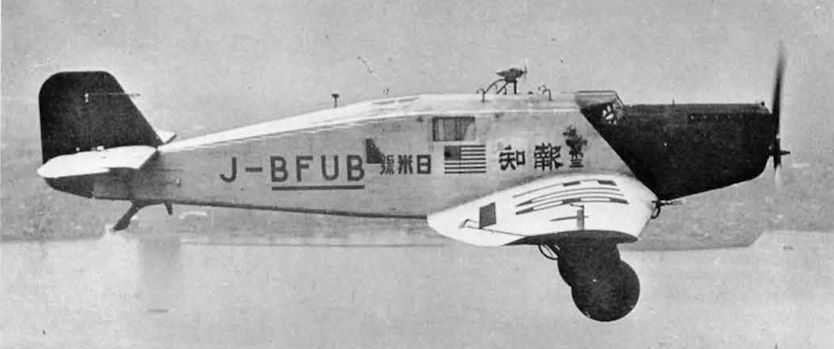
Регистрационный номер: J-BFUB The Junkers W33f J-BFUB was a special long-range version which was intended to fly to the USA non-stop for the Hochi Shimbun. It took off on 24.9.32 but was never heard of again.
Самолёты на фотографии: Junkers W 33 / W 34 / Ju.46 / ПС-4 - Германия - 1926
-
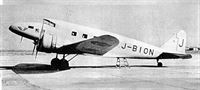
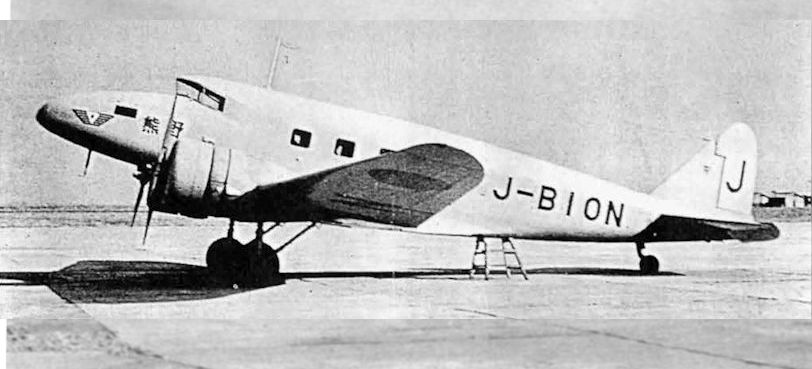
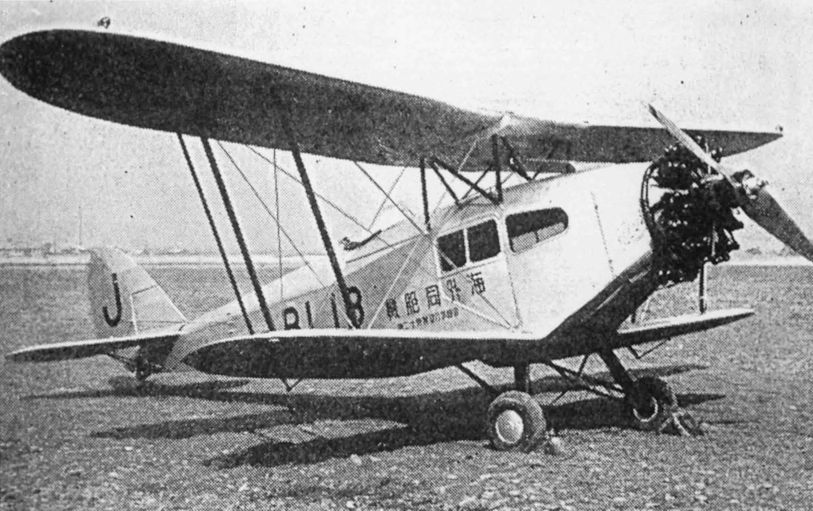
Регистрационный номер: J-BION This Nakajima AT-2 J-BION was another of the 32 early production aircraft built for Greater Japan Airways.
One Nakajima Type 97 transport of the Headquarters Flight of the 2nd Hikoshidan was destroyed by strafing at Hoshiu airfield, an example of the commercial version, the AT-2, being illustrated here.Самолёты на фотографии: Nakajima Ki.34 / L1N / AT-2 - Япония - 1936
-
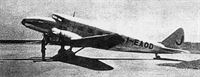
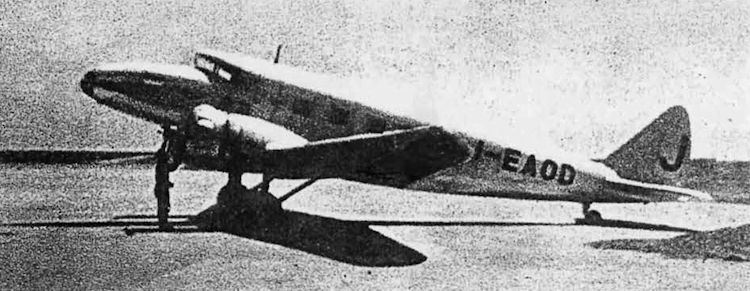
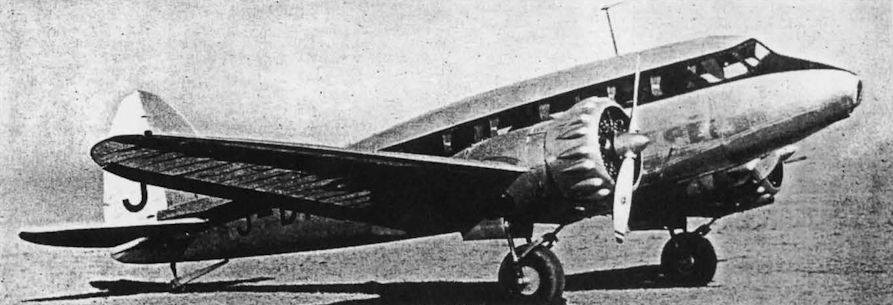
Регистрационный номер: J-EAOD Nakajima AT-2 J-EAOD appeared to be a development aircraft with interim engine cowlings with large blisters. Production aircraft by Tachikawa had smooth NACA cowlings on more powerful Kotobuki 41 engines.
Самолёты на фотографии: Nakajima Ki.34 / L1N / AT-2 - Япония - 1936
-
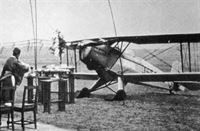
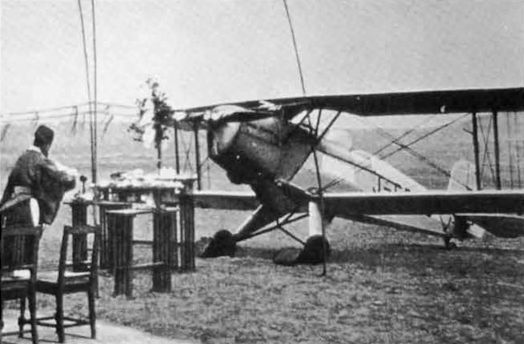
A Bucker Jungmann, apparently registered in the J-C### series, at a formal naming ceremony in Japan.
Самолёты на фотографии: Bucker Bu.131 Jungmann - Германия - 1934
-
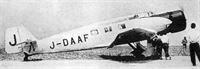
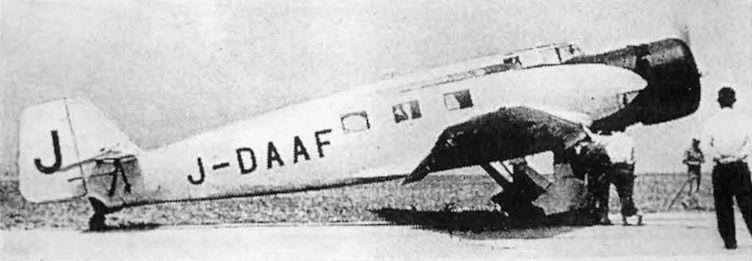
Регистрационный номер: J-DAAF The Ju 160 did away with the earlier Junkers flat-sided fuselage and corrugated surfaces but retained the 'double-wing' slotted ailerons and flaps. A response to the Lockheed Orion with retractable undercarriage, J-DAAF was studied by the Navy before service in Taiwan.
Самолёты на фотографии: Junkers Ju.60 / Ju.160 - Германия - 1932
-
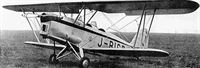
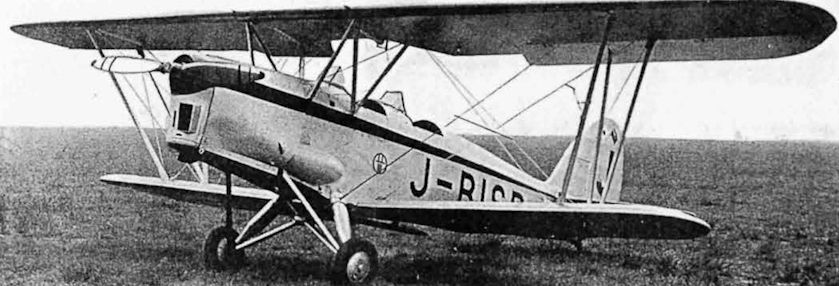
Регистрационный номер: J-BISB J-BISB, the 2nd Ishikawajima R-5, differed from the prototype in having a metal propeller. Both were used for aerobatics
Самолёты на фотографии: Ishikawajima R-5 - Япония - 1933
-
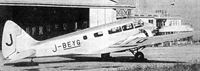
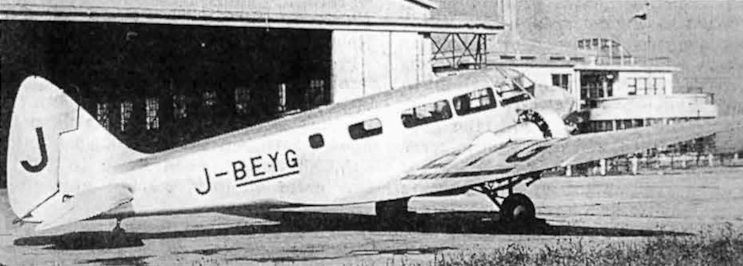
Регистрационный номер: J-BEYG Called a Mitsubishi Hinazuru, but it could also be a re-registered Airspeed Envoy, J-BEYG was an out-of-step registration. It shows no differences from a standard Lynx-powered Envoy Series I.
Самолёты на фотографии: Airspeed Envoy / AS.6 - Великобритания - 1934
-
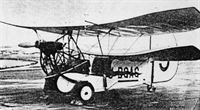
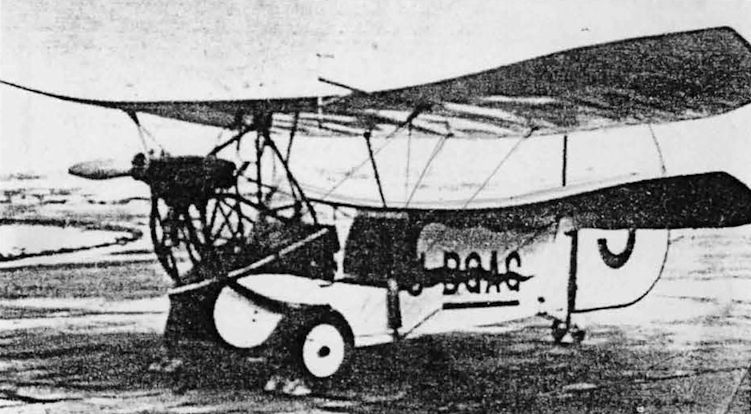
Регистрационный номер: J-BGAG The Mignet Pou-du-Ciel, commonly known in Britain as the Flying Flea, made an impression world-wide as every man's home built aeroplane. This example was built in Japan by Nippon (Nihon Hikoki KK) as the NH-1 Hibari J-BGAG.
Самолёты на фотографии: Mignet Pou-de-Ciel / HM-14 - Франция - 1932
-
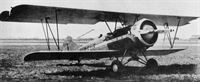
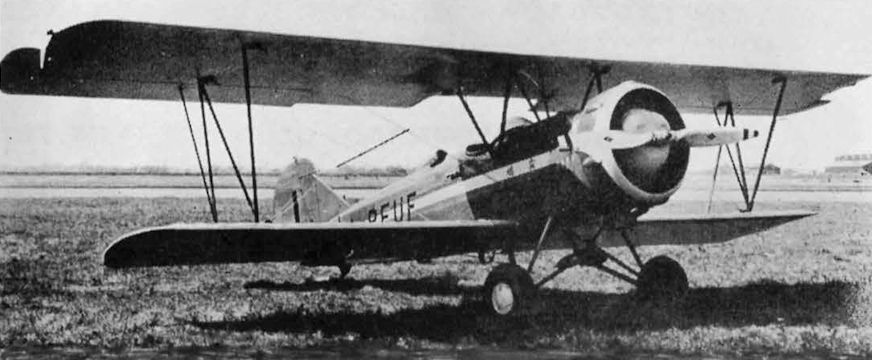
Регистрационный номер: J-BEUF [2] The Travelair 4000 3-seat biplanes, popular in America where they evolved, spread to Japan with the importation of J-BEUF in 1934. It has WW1 style 'elephant ear' ailerons and open cockpits, the front one holding 2 at a pinch or 1 with elbow room.
Самолёты на фотографии: Travel Air 1000 / 2000 / 4000 - США - 1925
-
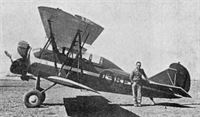
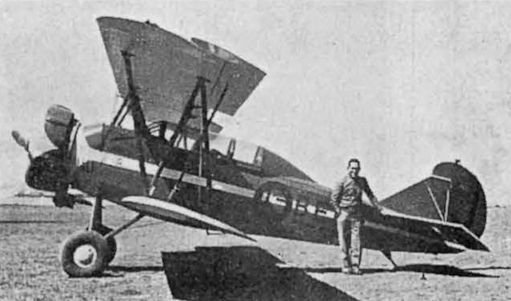
Регистрационный номер: J-BEUF [2] Travelair J-BEUF was later modified by fitting an enclosure over the rear (pilot's) cockpit, a fashion that had taken hold on some American single-engine biplanes.
Самолёты на фотографии: Travel Air 1000 / 2000 / 4000 - США - 1925
-
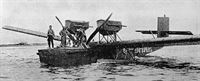
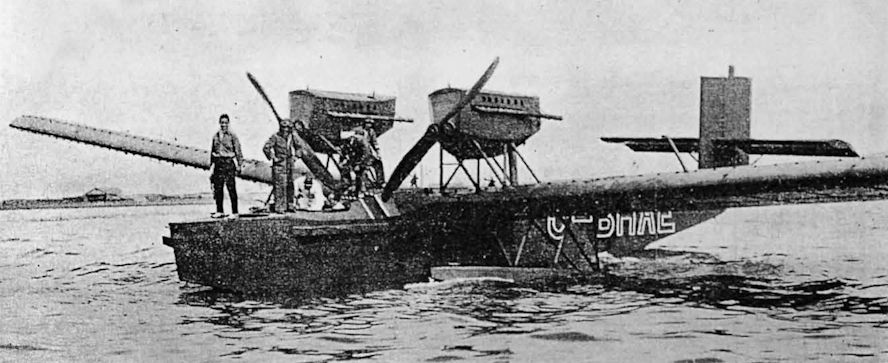
Регистрационный номер: J-BHAE The Rohrbach flying boats were impressive but not very successful and the 3 imported by Japan were no exception. J-BHAE, a Rohrbach Ro III with RollsRoyce Eagle engines, was the second in Japan where it was called the R2.
Самолёты на фотографии: Rohrbach Ro.II - Ro.IV - Германия - 1923
-
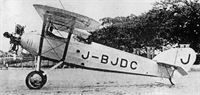
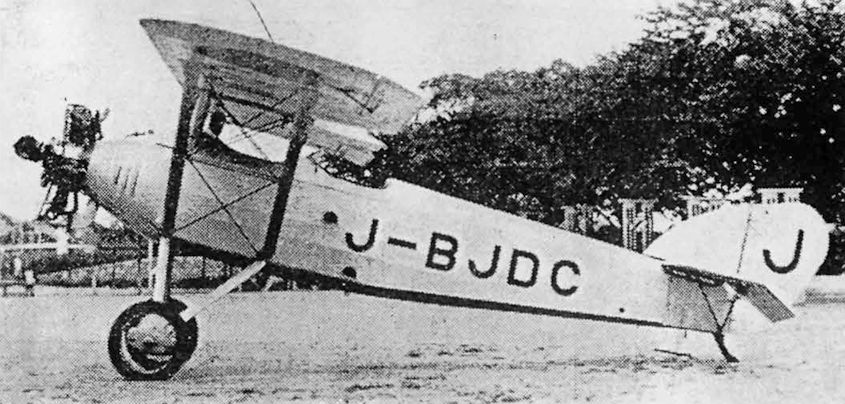
Регистрационный номер: J-BJDC The Hanriot H36 was a 1925 design but J-BJDC seems to have survived well. Basically a trainer, it could be used as a runabout and kept useful as long as spares for its rare Lorraine 5-cyl engine could be found.
Самолёты на фотографии: Hanriot H.34 / H.35 / H.36 - Франция - 1924
-
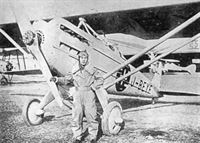
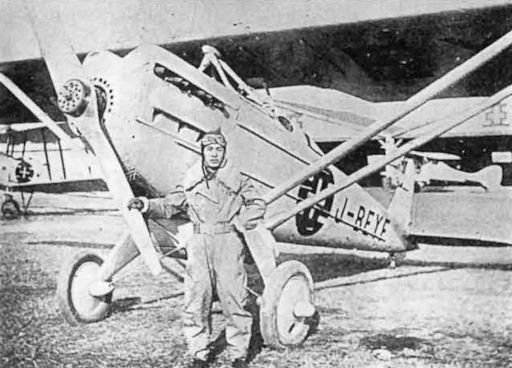
Регистрационный номер: J-BEYF The Kawasaki KDA-3 fighter, by German designer Dr-Ing Richard Vogt, was not successful but one of the 3 prototypes was retained by the makers for further experimentation as J-BEYF.
Самолёты на фотографии: Kawasaki KDA-3 - Япония - 1928
-
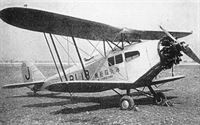
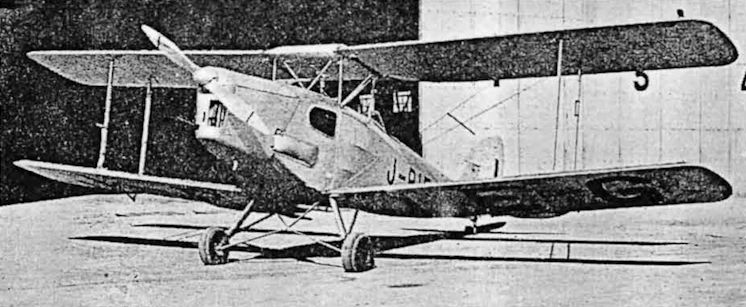
Регистрационный номер: J-BLIB J-BLIB was the Gasuden KR-2 copy of the de Havilland Fox Moth in its second form as a sesquiplane, reducing the total wing area by 46 square feet and increasing the cruising speed by 13 mph to 112 mph.
Самолёты на фотографии: Tokyo Gasu Denki KR-1 / KR-2 Chidori - Япония - 1933
-
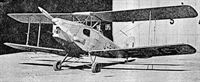
Регистрационный номер: J-BIEG J-BIEG was imported as a pattern aircraft for a Fox Moth copy to be produced by Gasuden, but it is not thought that any approval for doing so was obtained or that de Havilland bothered to do anything about it.
Самолёты на фотографии: Tokyo Gasu Denki KR-1 / KR-2 Chidori - Япония - 1933
-
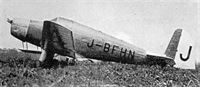
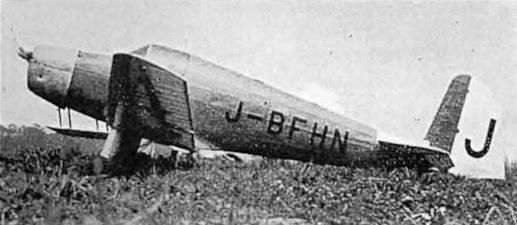
Регистрационный номер: J-BFHN The Fukuda Ken 2 motor glider J-BFHN first flew in 1941, had a maximum speed of 78 mph and as a glider a minimum sink rate of 1.03 m/sec (3.38 ft/sec).
Самолёты на фотографии: Fukuda Ken 2 - Япония - 1941
-
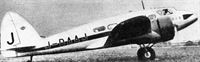
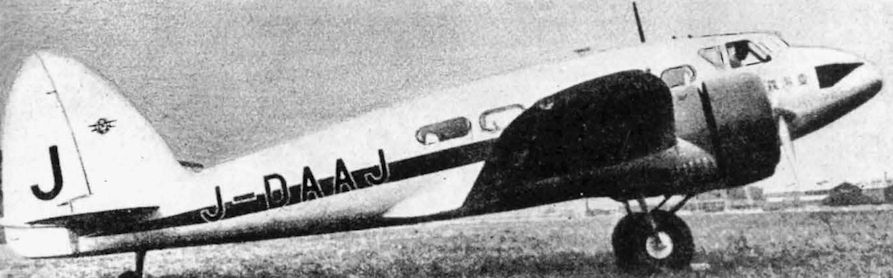
Регистрационный номер: J-DAAJ J-DAAJ was the Gasuden TR-2, a development aircraft built to replace the TR-1. Wing span was increased by a foot to 47 ft 2 ft in and smooth NACA engine cowlings were fitted, however no production followed.
Самолёты на фотографии: Tokyo Gasu Denki TR-1 / TR-2 - Япония - 1938
-
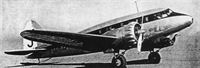
Регистрационный номер: J-DAAH J-DAAH was Gasuden's TR1 all-metal replacement for the Airspeed Envoy with Jimpu blister-cowled radial engines and fixed pitch metal propellers.
Самолёты на фотографии: Tokyo Gasu Denki TR-1 / TR-2 - Япония - 1938
Статьи
- -
- Casualty Compendium (69)
- Croydon Watch Log 1937-8 (13)
- Extracts
- The Japanese Civil Register 1919-45 /Japanese Civil Register/ (11)
- J.Geelen, R.Deerness - New Zealand (ZK-) /Complete Civil Registers/ (3)
- J.Havers - The Air Circuses of Barker and McEwen King
- M.Fillmore - The de Havilland Puss Moth /The Whole Truth/ (4)
- P.Gerhardt - East Germany (DM- DDR-) 1955-91 /Complete Civil Registers/ (13)