

Описание
 Wiki
Wiki 
Страна : Великобритания
Год : 1937
Двухместный самолет первоначального обучения
Варианты
- Miles - Hawk / M.2 - 1932 - Великобритания
- Miles - Sparrowhawk / M.5 - 1935 - Великобритания
- Miles - Magister / M.14 - 1937 - Великобритания
- Miles - Sparrowjet / M.77 - 1953 - Великобритания
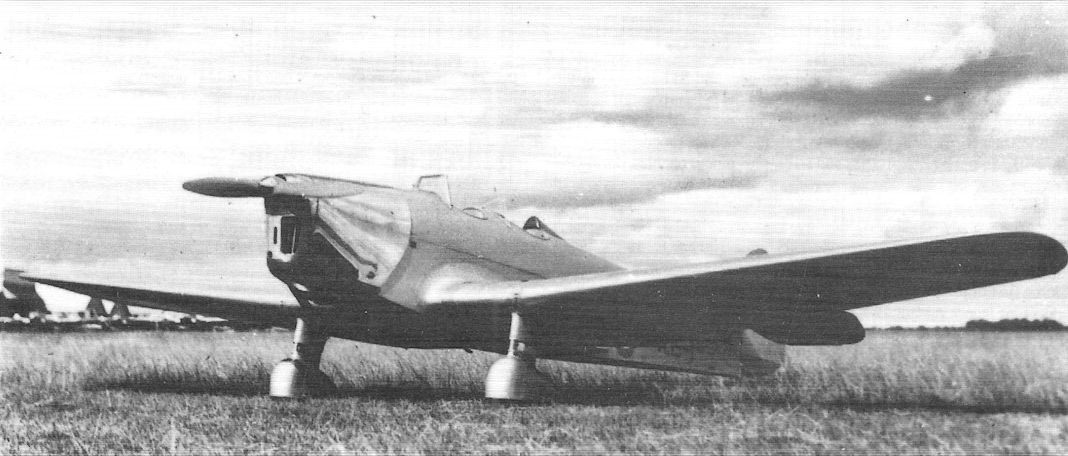
- MKEK - MKEK-4 Ugur / THK-15 - 1955 - Турция
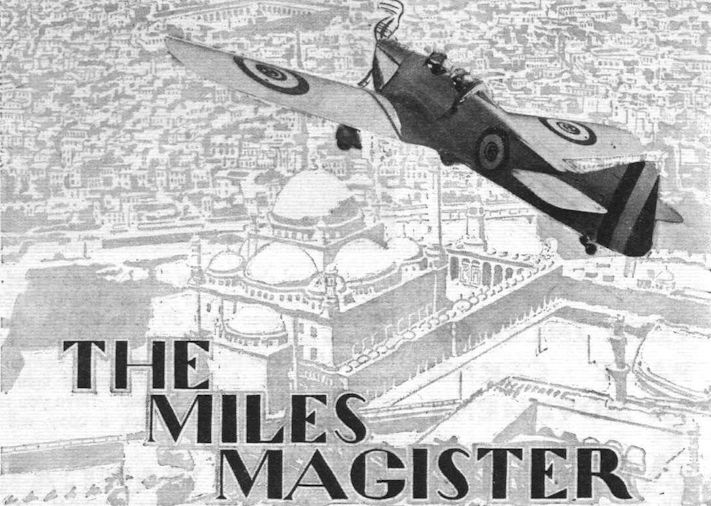
M.14 Magister
Miles M.14 Magister
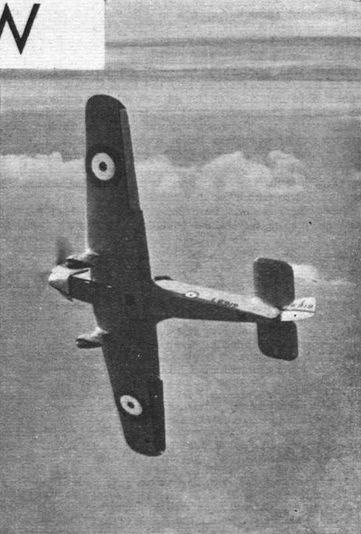
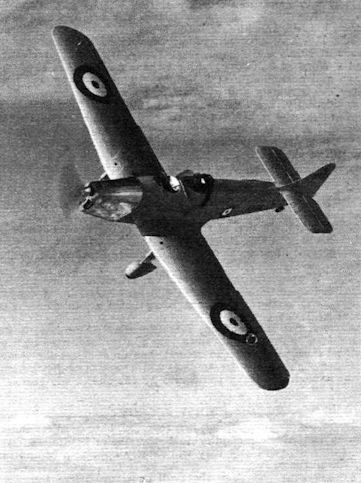
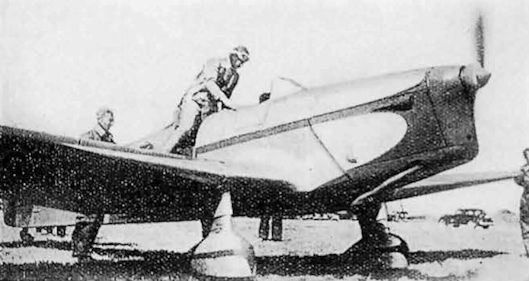
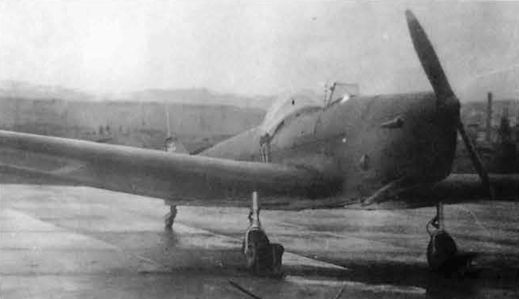
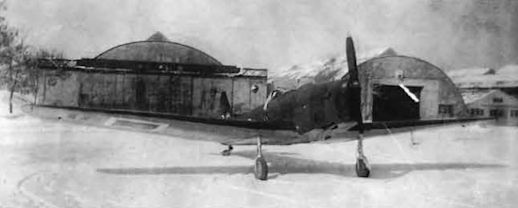
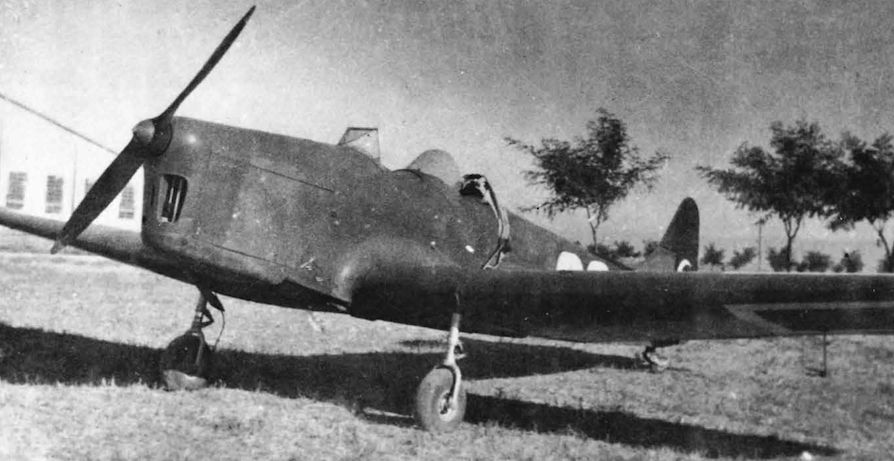
На волне успеха гражданского самолета Hawk Trainer Министерство авиации выпустило спецификацию T.40/36 на разработку Hawk в варианте самолета первоначального обучения для британских ВВС. Конструкцию машины пересмотрели и решили увеличить кабину. Производство M.14 началось в первой половине 1937 года согласно откорректированной спецификации T.37/37. Поставки британским ВВС начались в мае 1937 года. Самолет стал первым британским военным учебным монопланом. Вскоре у Magister выявили склонность к штопору, из-за чего в конструкцию пришлось внести изменения. Новый вариант обозначался M.14A и строился в 1937-1941 годах. Всего компания "Miles" построила 1293 самолета, еще 100 машин собрали в Турции по лицензии после испытаний четырех M.18 постройки "Miles". Контракт с британскими ВВС предусматривал изготовление 1229 самолетов. M.18 также экспортировались в Ирландию (15), Египет (42) и Новую Зеландию (2). Некоторое количество самолетов поставили гражданским заказчикам, а после окончания войны самолеты британских ВВС продавались на гражданском рынке как Hawk Trainer III. На пике использования M.18 британскими ВВС этими самолетами были вооружены 16 эскадрилий первоначального обучения и Центральная летная школа. Кроме того, M.18 использовали различные Командования Королевских ВВС; последний самолет сняли с вооружения в 1948 году. M.18 также эксплуатировались в британской Армии и ВМС Великобритании.
ТАКТИКО-ТЕХНИЧЕСКИЕ ХАРАКТЕРИСТИКИ
Miles M.14 Magister
Тип: двухместный самолет первоначального обучения
Силовая установка: один мотор жидкостного охлаждения de Havilland Gipsy Major I мощностью 130 л. с.
Летные характеристики: максимальная скорость на высоте 300 м - 212 км/ч; практический потолок 5485 м; дальность 612 км
Масса: пустого 583 кг; максимальная взлетная 862 кг
Размеры: размах крыла 10,31 м; длина 7,51 м; высота 2,03 м; площадь крыла 16,35 м2
Описание:
- M.14 Magister
- Flight, March 1938
TRAINING for TO-MORROW - Flight, September 1939
To-day's Light Aeroplanes - M.14 Magister
Фотографии

-
Мировая Авиация 194
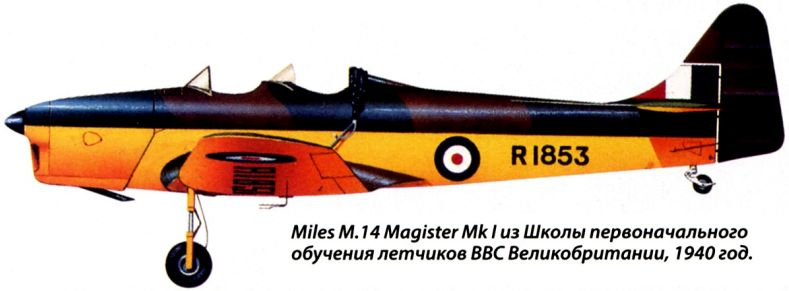
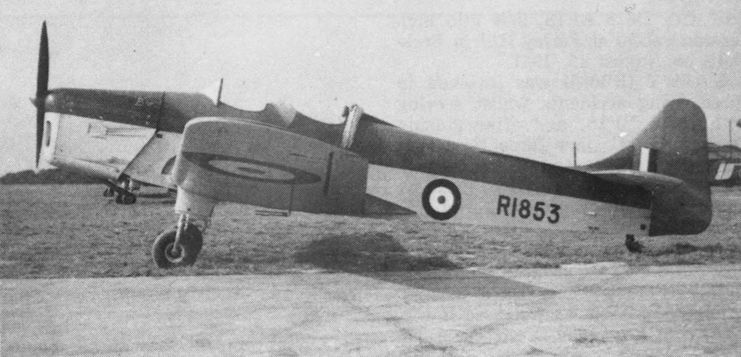
Регистрационный номер: R1853 [2] Miles M.14 Magister Mk I из Школы первоначального обучения летчиков ВВС Великобритании, 1940 год.
-

Авиация и Время 1996-02 / В.Нескороженный - Его года - его богатство /Домашний авиамузей/
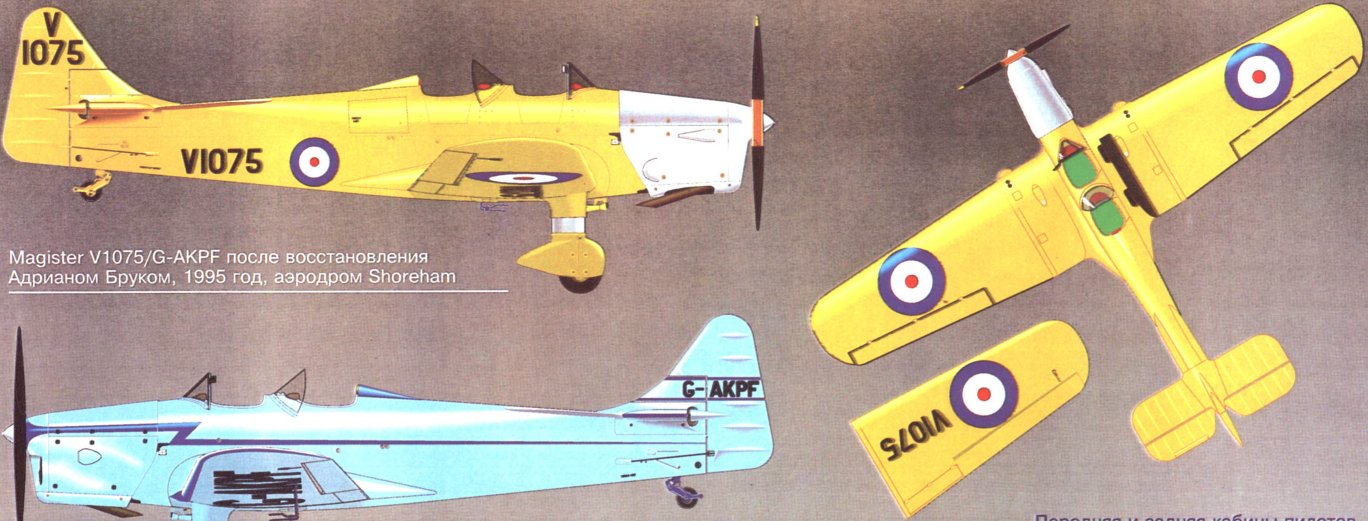
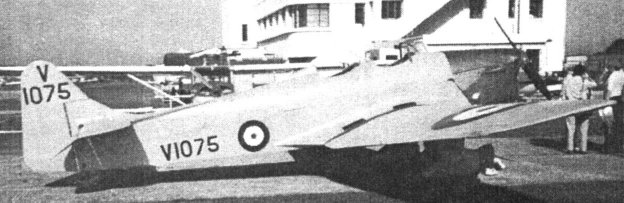
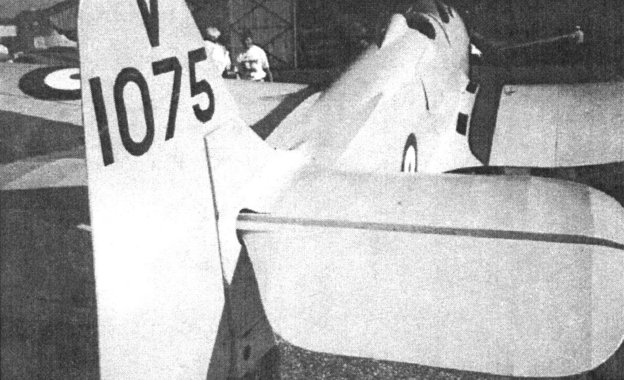
Регистрационный номер: V1075 [12], G-AKPF [12] Magister V1075/G-AKPF после восстановления Адрианом Бруком. 1995 год, аэродром Shoreham
-

Авиация и Время 1996-02 / В.Нескороженный - Его года - его богатство /Домашний авиамузей/
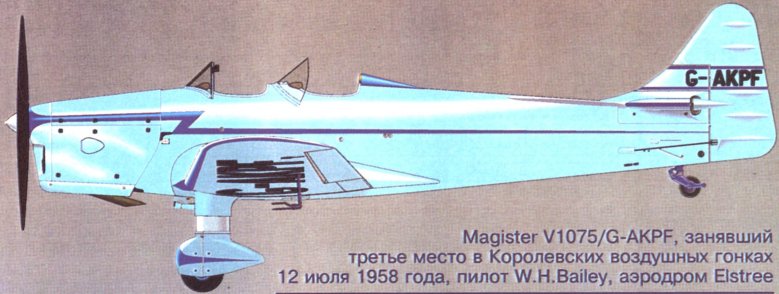
Регистрационный номер: G-AKPF [12], V1075 [12] Magister V1075/G-AKPF, занявший третье место в Королевских воздушных гонках 12 июля 1958 года, пилот W.H.Bailey, аэродром Elstree
-

Авиация и Время 1996-02 / В.Нескороженный - Его года - его богатство /Домашний авиамузей/
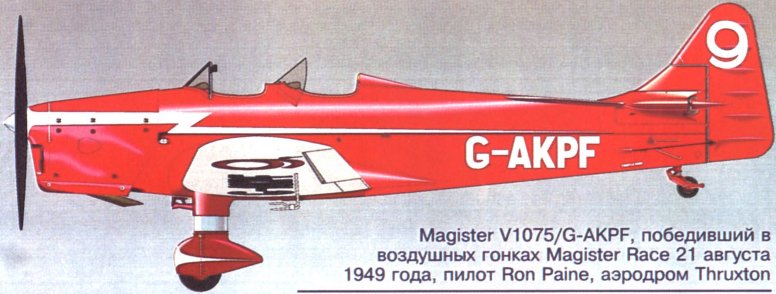
Регистрационный номер: G-AKPF [12], V1075 [12] Magister V1075/G-AKPF, победивший в воздушных гонках Magister Race 21 августа 1949 года, пилот Ron Paine, аэродром Thurxton
-
Aeroplane Monthly 2000-04 / M.Oakey, T.Harmsworth - News
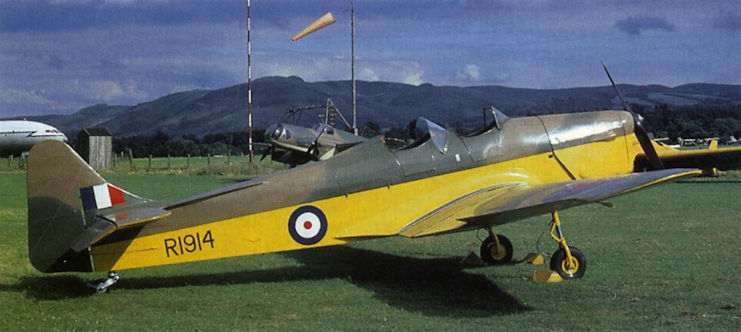
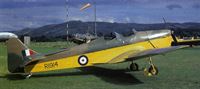
Регистрационный номер: R1914 [5], G-AHUJ [5] Miles Magister G-AHUJ, painted in World War Two training colours and its original serial R1914, has been withdrawn from use. It is seen here at Strathallan in summer 1976.
-
Aeroplane Monthly 2000-12 / M.Hooks - Archive Photographs. Croydon Colour /Early colour photography/
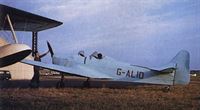
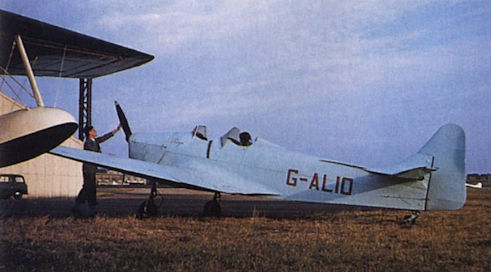
Регистрационный номер: G-ALIO, P2500 Magister G-ALIO Pongo about to have its propeller swung in August 1955, next to SCAN 30 F-BGTD. Formerly P2500, the Maggie was civil-registered on February 2, 1949, but crashed near Sevenoaks on July 6, 1958.
Другие самолёты на фотографии: Grumman J4F/OA-14 Widgeon/G-44 - США - 1941
-

Aeroplane Monthly 1993-09 / M.Oakey - Grapevine
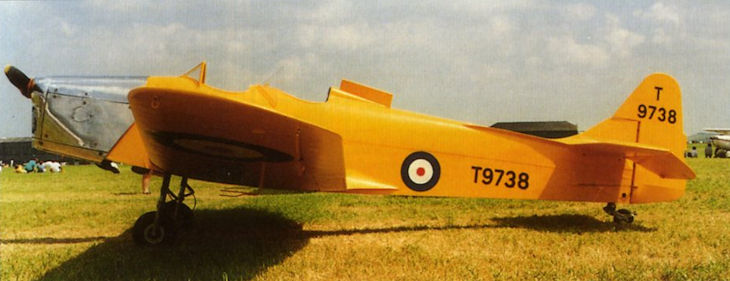
Регистрационный номер: T9738 [3], G-AKAT [3] Seen at the PFA Rally at Wroughton on July 2-4, 1993 was the UK’s third airworthy Miles Magister T9738/G-AKAT, which made its first post-restoration flight this spring. It appeared with Shoreham-based Magister V1075/G-AKPF.
-
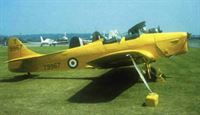
Air-Britain Aeromilitaria 2002-03 / RAF 50th Anniversary, Abingdon, June 1968
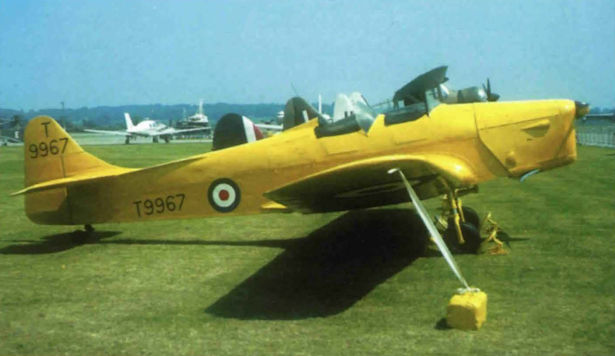
Регистрационный номер: T9967 Miles Magister T9967
-
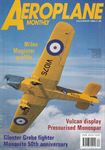
Aeroplane Monthly 1990-12 / Miles M.14a Magister I V1075/G-AKPF /Preservation Profile/
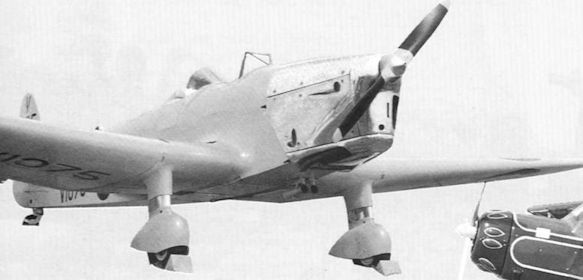
Регистрационный номер: V1075 [12], G-AKPF [12] GORDON BAIN'S breathtaking photograph of Adrian Brooks recently-restored Miles M.14a Magister G-AKPF. Flown by the owner, 'PF was photographed flying near Shoreham on September 25 this year.
-

Aeroplane Monthly 1993-11
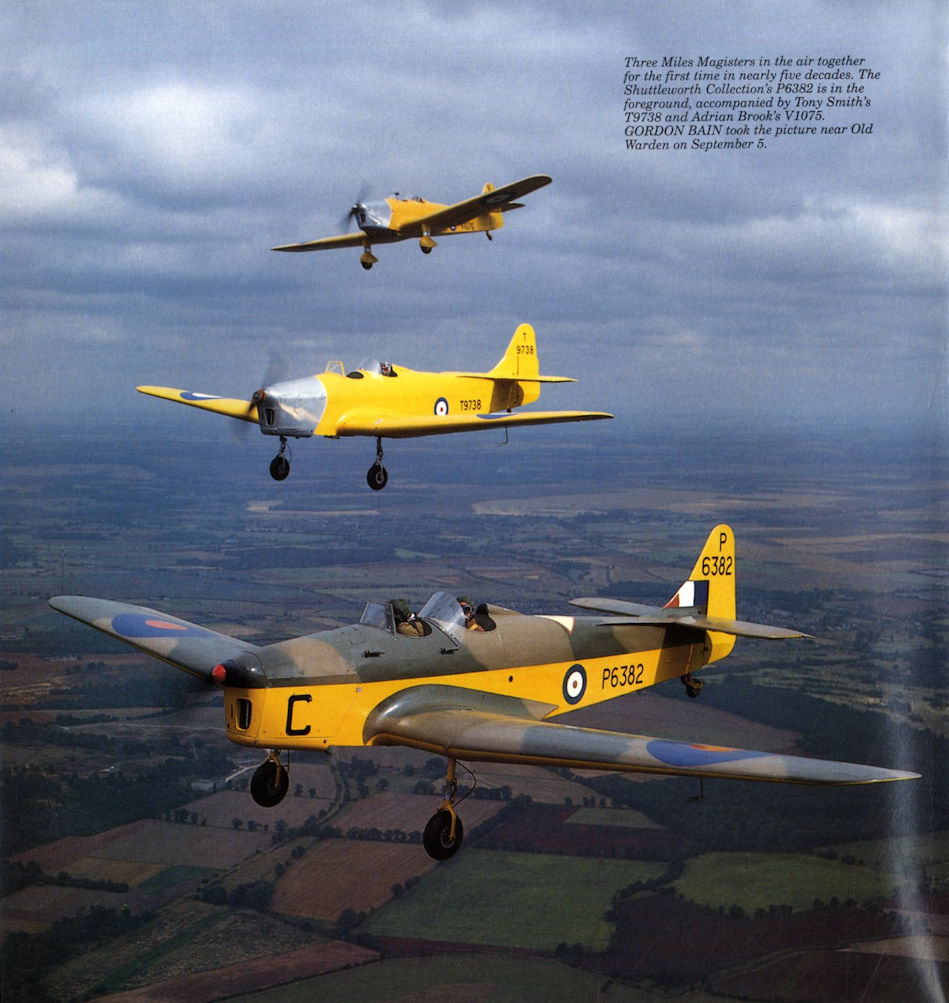
Регистрационный номер: P6382 [9], T9738 [3], V1075 [12], G-AJDR [10], G-AJRS [9], G-AKAT [3], G-AKPF [12] Three Miles Magisters in the air together for the first time in nearly five decades. The Shuttleworth Collection’s P6382 is in the foreground, accompanied by Tony Smith’s T9738 and Adrian Brook’s V1075. GORDON BAIN took the picture near Old Warden on September 5, 1993.
-
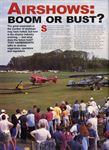
Aeroplane Monthly 1998-12 / T.Harmsworth - Airshows: boom or bust? /The airshow business/
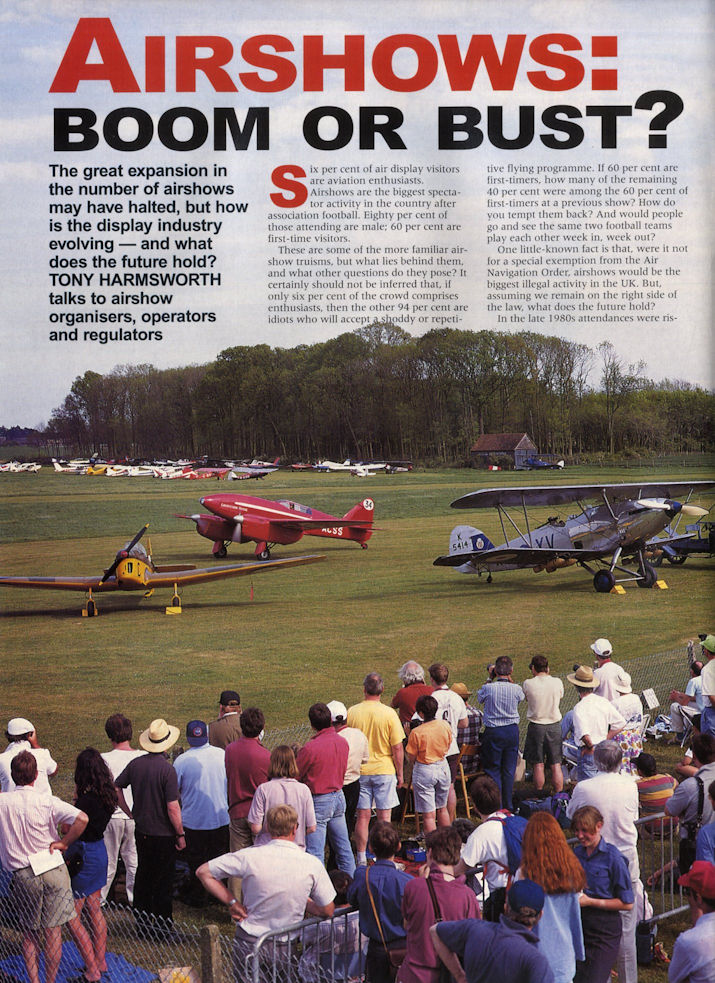
For many enthusiasts the quintessential English airshow: the Shuttleworth Collection at Old Warden. Its shows have a distinctive, timeless character reinforced by its setting on an intimate grass aerodrome. This typical view shows the Collection’s Comet racer taxying past the Magister, Hind and Hucks Starter in May 1995.
Другие самолёты на фотографии: De Havilland Comet / D.H.88 - Великобритания - 1934Hawker Hind - Великобритания - 1934
-

Aeroplane Monthly 1994-04 / Personal album. Civil
Регистрационный номер: F-BDPD [2], P6423 [2] This Miles M.14 Magister served with the RAF as P6423 until it was sold in November 1946. It became F-BDPD in France, and is seen complete with inflatable crew in 1967, location unknown.
-

Aeroplane Monthly 1996-07 / B.Ogden - Turkish delights
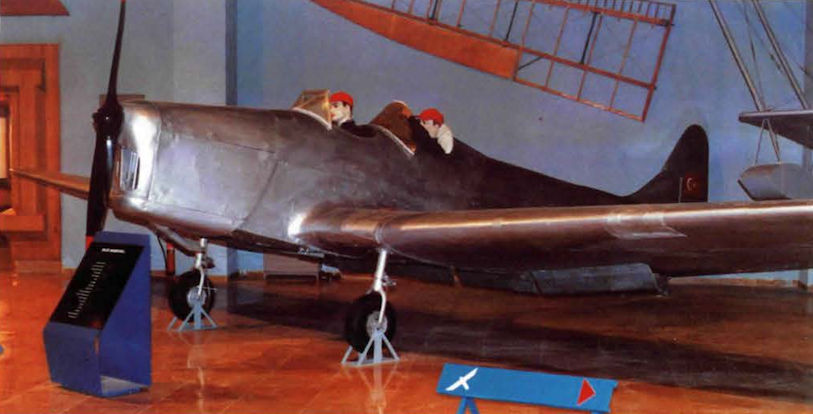
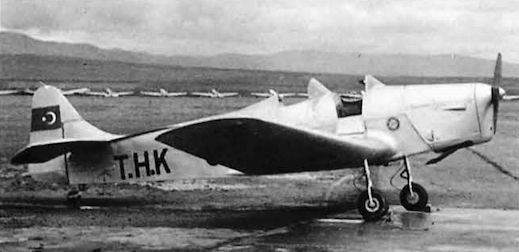
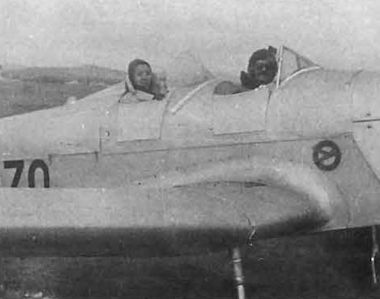
After the Second World War a number of Miles Magister trainers were supplied to the Turkish Air Force and about 80 were licence-built by THK during 1944-48. Many survived; the museum has this one on show and another example in store.
-
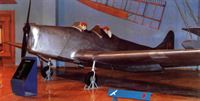
Air-Britain Archive 1999-04 / P.Amos, J.Meaden, O.Nikolajsen - The Miles Magister in Turkey
Регистрационный номер: THK-77 The silver THK.77 preserved at the Air Force Museum at Yesilkoy near Istanbul. Note the small red flag on the rudder and THK serial above. This is a controversial example as it is said to be an ex-RAF aircraft.
-
Air-Britain Archive 1999-04 / P.Amos, J.Meaden, O.Nikolajsen - The Miles Magister in Turkey
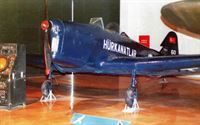
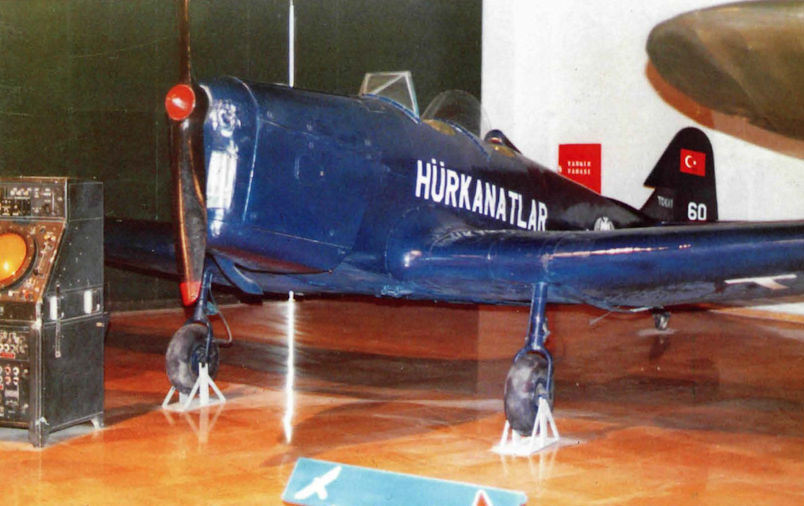
Регистрационный номер: TC-KAY On display at the TuAF Museum at Yesilkoy is Magister 5060/TC-KAY in the deep blue colour scheme of Hurkanatlar.
-
Air Enthusiast 2001-01 / R.Stitt - Midland Memories (1)
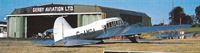
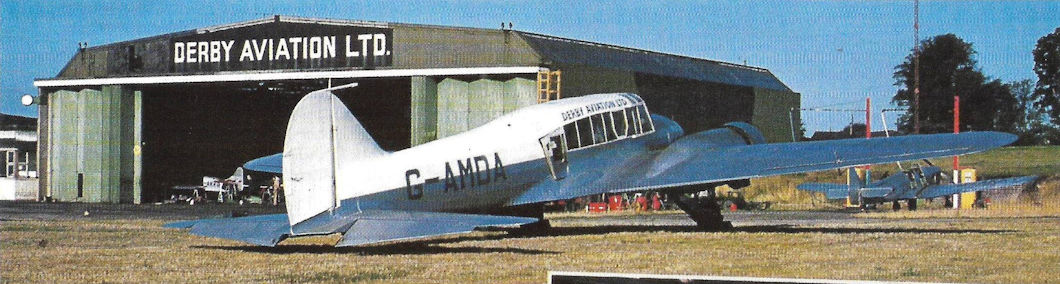
Регистрационный номер: G-AKKR [3], G-AKKV, T9707 [3] Anson G-AMDA at rest in front of the camouflaged Municipal Hangar in 1955. Just visible to the rear are two Miles Hawk Trainers IIIs belonging to Wolverhampton Aviation, G-AKKR in the hangar to the left and G-AKKV at the 'pumps’. G-AKKR is now on display as Magister 'T9707' in RAF training markings at the Museum of Army Flying at Middle Wallop.
Другие самолёты на фотографии: Avro Anson / Type 652 - Великобритания - 1935



-
Aeroplane Monthly 1980-03 / G.Johnson - Miles M.14 Magister /RAF Piston Trainers/ (7)
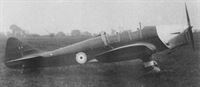
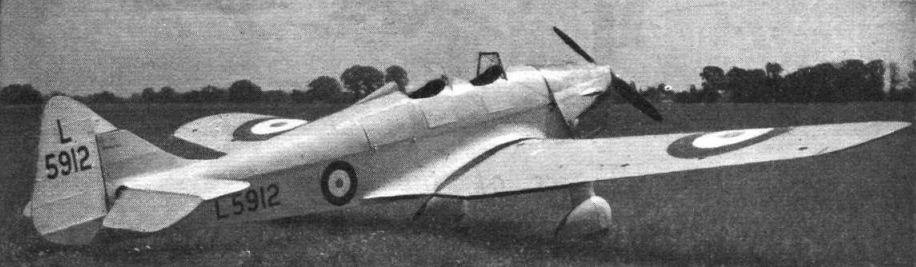
Регистрационный номер: L5912 [2] Miles Hawk Trainer L5912, which became the prototype Magister.
-

Flight 1937-03 / Flight
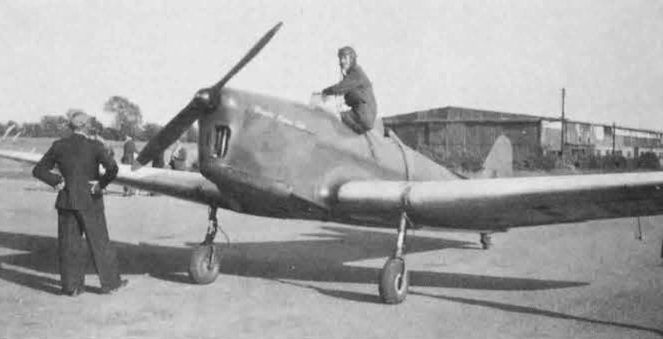
MAGISTER ARTIUM: Mr. F. G. Miles, past-master of the art of aircraft demonstration, reveals the qualities of the Miles Magister trainer (D.H. Gipsy Major) at a "family gathering" of Phillips and Powis employees last week when the prototype was christened with due ceremony by Mrs. Miles. The Magister is basically similar to the Hawk Trainer, but has been revised in detail. Note, for example, the new undercarriage and the tail wheel.
-

Flight 1937-06 / Flight
Регистрационный номер: L5912 [2] MILITARY MILES: A Miles Magister trainer (130 h.p. D.H. Gipsy Major) as delivered to the R.A.F. The Magister is a development of the Hawk Major series and is fitted with a new pattern of undercarriage. It incorporates, of course, Miles split flaps.
-
Aeroplane Monthly 1980-03 / G.Johnson - Miles M.14 Magister /RAF Piston Trainers/ (7)
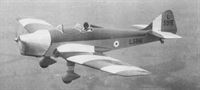
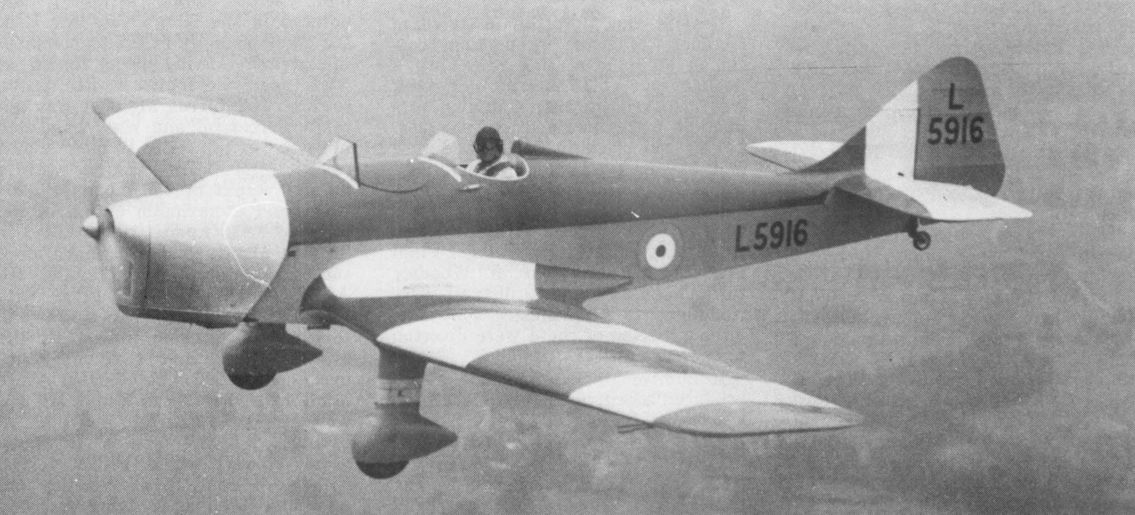
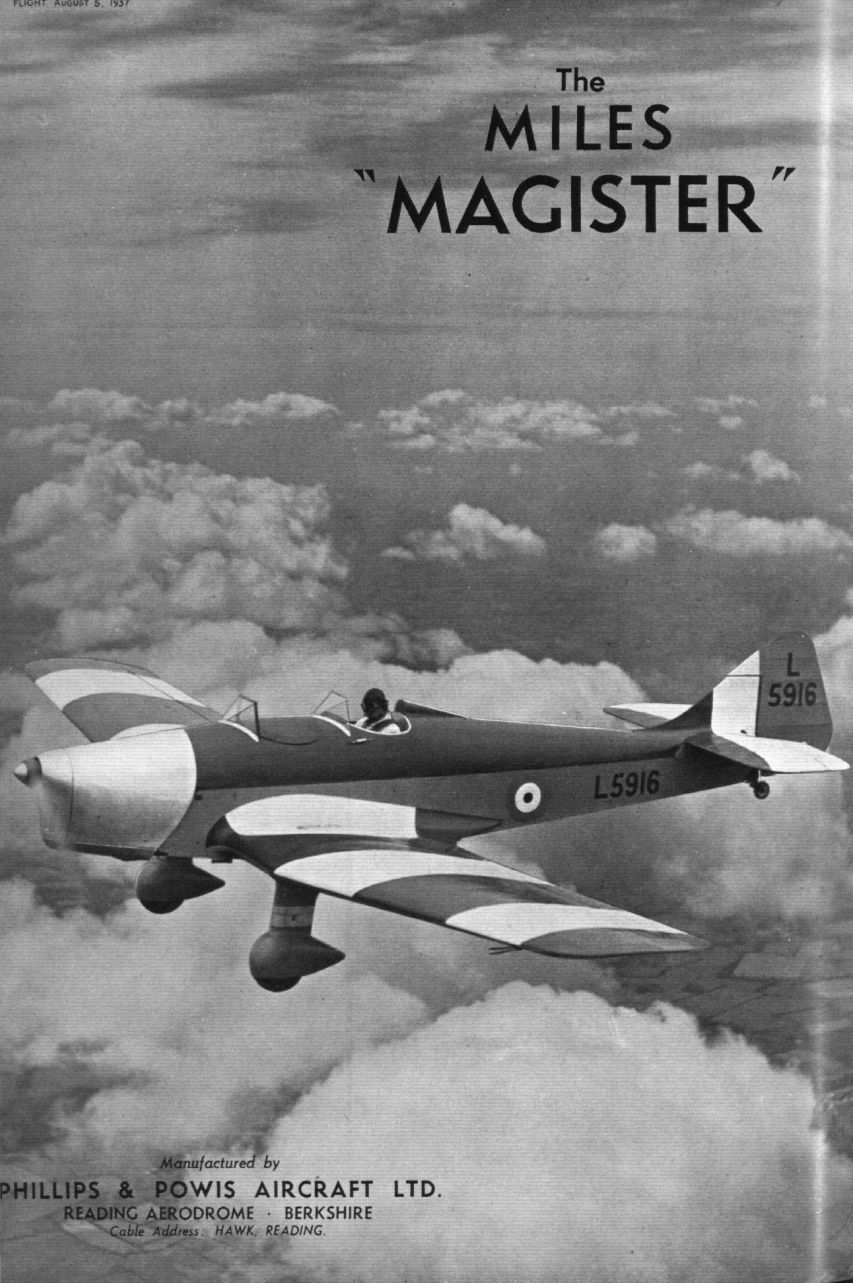
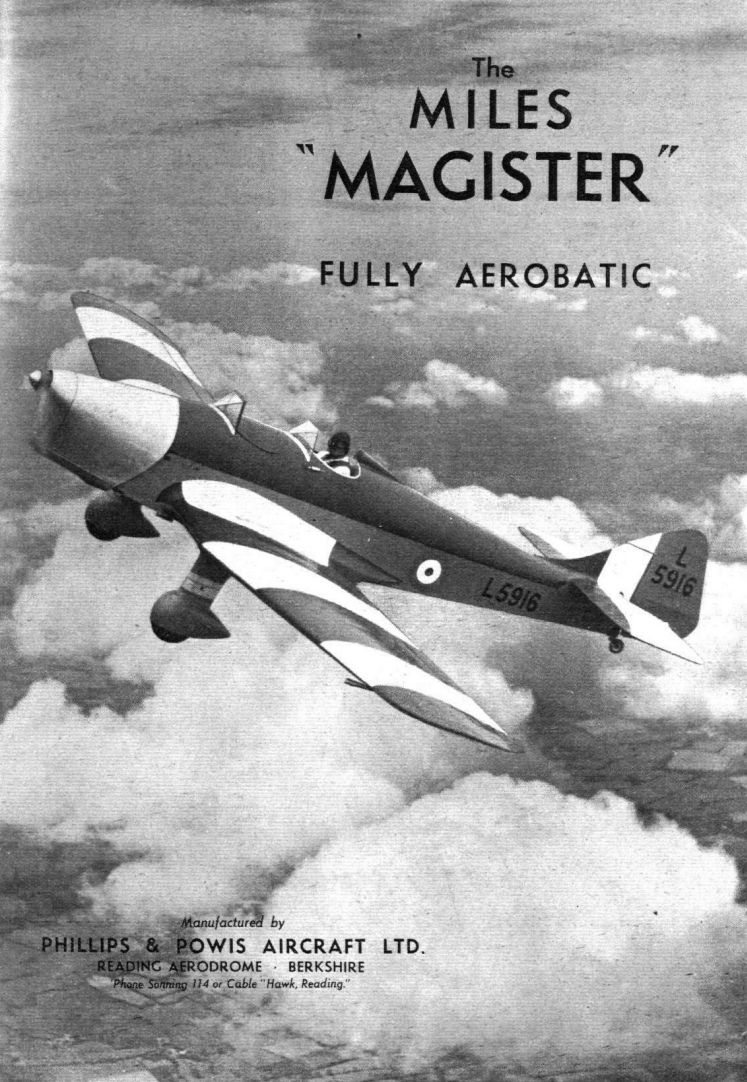
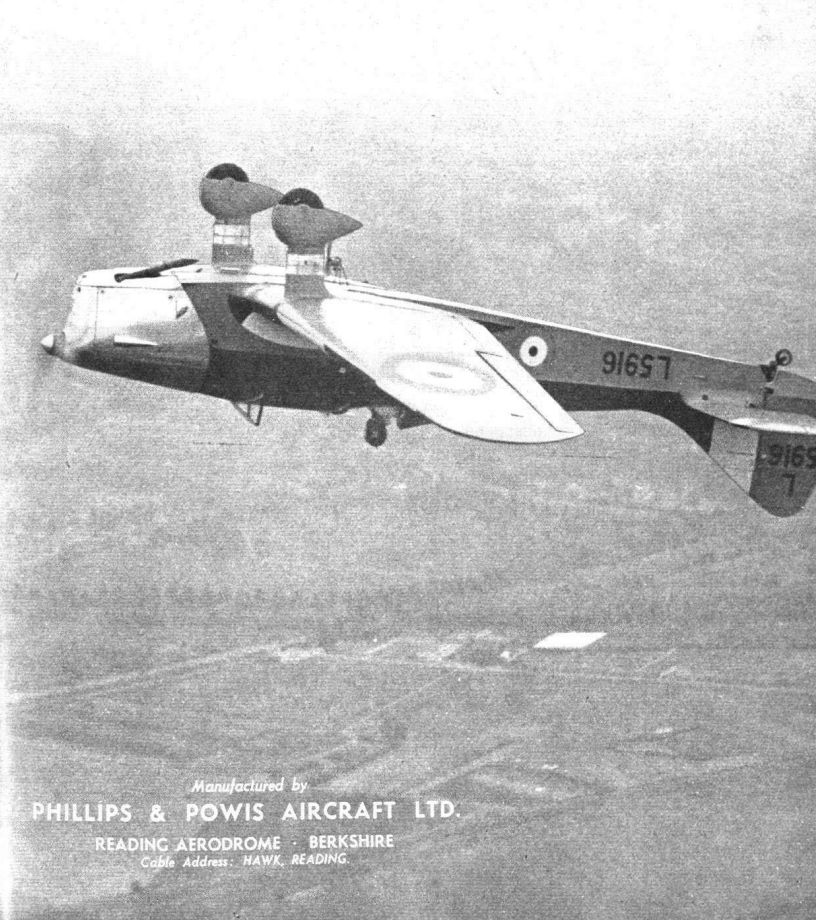
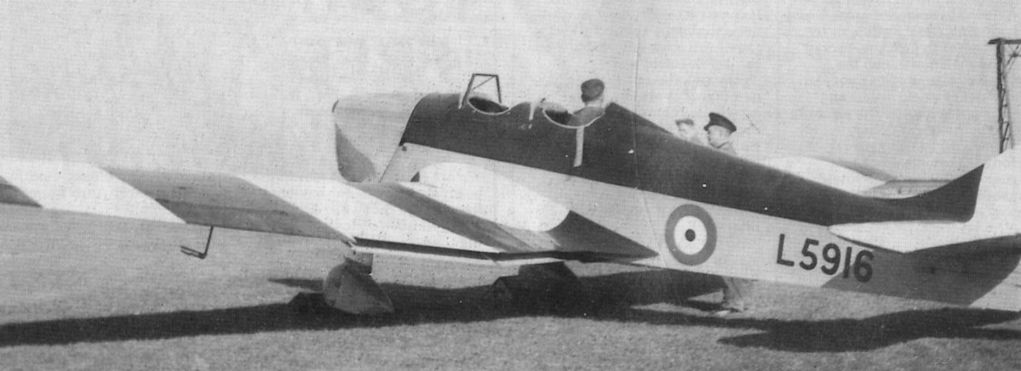
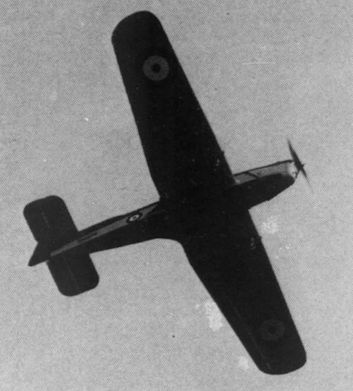
Регистрационный номер: L5916 [6] Magister L5916, one of the M14s for the CFS aerobatic flight, displays its red and white upper surfaces and the early form of empennage.
-

Flight 1937-07 / Flight Advertisements
Регистрационный номер: L5916 [6] -

Flight 1937-08 / Flight Advertisements
Регистрационный номер: L5916 [6] -

Flight 1937-09 / Flight
Регистрационный номер: L5916 [6] -
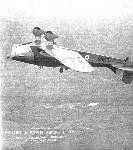
Flight 1937-06 / Flight Advertisements
Регистрационный номер: L5916 [6] -

Aeroplane Monthly 1991-10 / Personal album. Military
Регистрационный номер: L5916 [6] Miles Magister L5916 was delivered to the RAF in mid-1937 and went to the Central Flying School, when this photograph was taken. It wears the bold red-and-white markings of the CFS aerobatic team. The aircraft passed to 1 FTS and several other units before ending its flying career with the Air Transport Auxiliary. In July 1945 the Magister become an instructional airframe and was given the serial number 5362M.
-
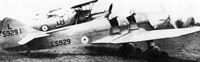
Air-Britain Archive 1999-03 / Elmdon Airport Movements Log 1939 (4)
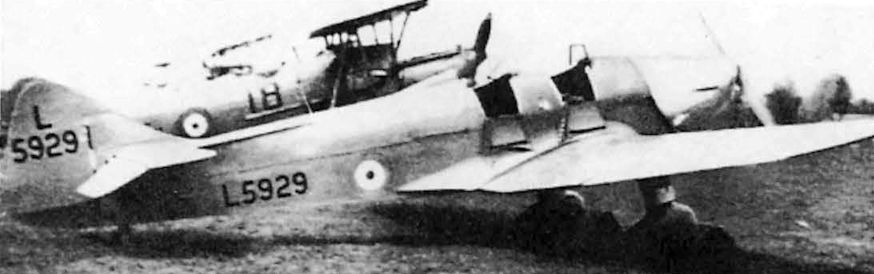
Регистрационный номер: L5929 Magister I L5929 was the 18th example from the first production batch and as one of the early aircraft has the broad chord fin and rudder inherited from the Hawk Major family. The trainer was based at Hucknall, from which it visited on 18.9.39.
-
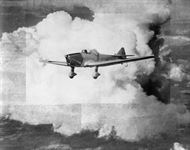
Aeroplane Monthly 1980-03 / G.Johnson - Miles M.14 Magister /RAF Piston Trainers/ (7)
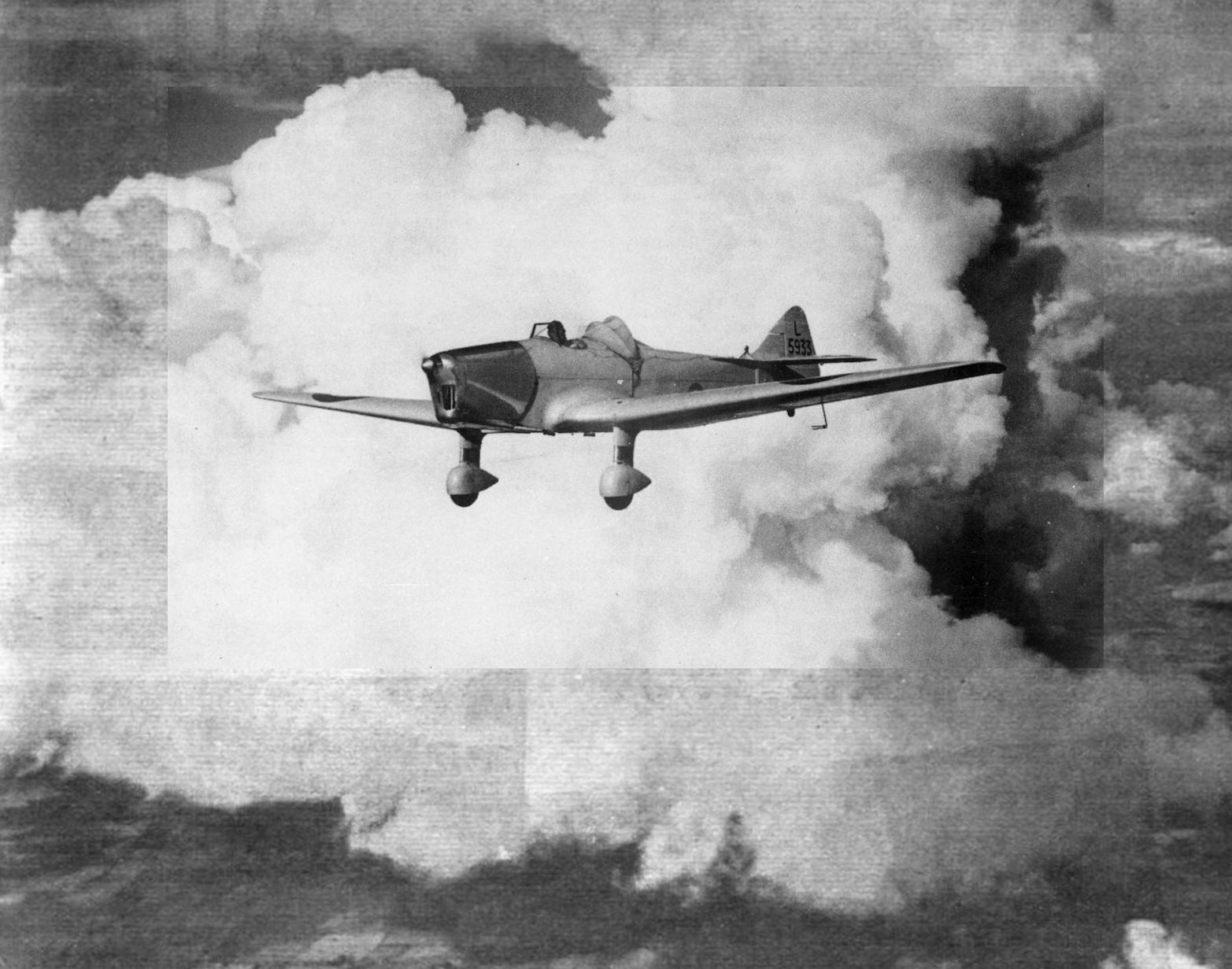
Регистрационный номер: L5933 [2] The Miles M14 Magister L5933 Two-seat Training Monoplane (130 h.p. "Gipsy-Major" engine) with the blind flying hood over the rear cockpit.
MAJESTY AND MAGISTER: A production-type Miles Magister with Gipsy Major engine set against a background of the kind which is the raison d'etre of the blind-flying "bonnet" over the rear cockpit. The Magister is really an improved Hawk Trainer. -

Flight 1937-10 / Flight Advertisements
Регистрационный номер: L5933 [2] -

Flight 1937-10 / Flight
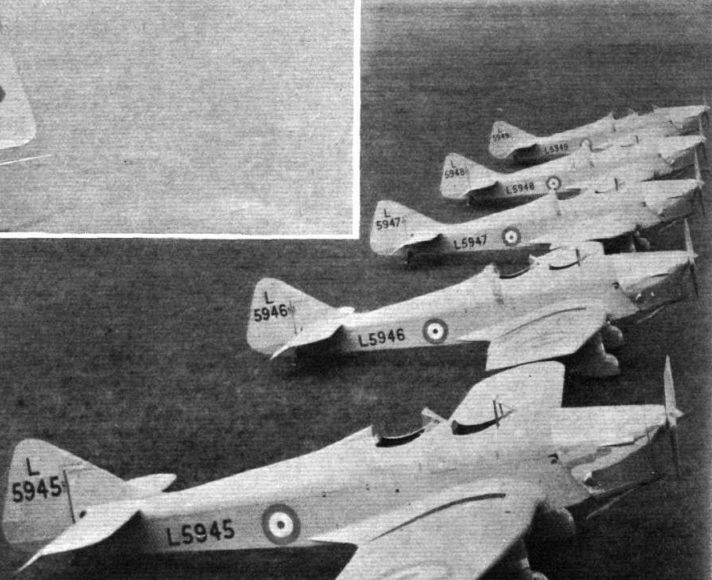
Регистрационный номер: L5945, L5946, L5947, L5948, L5949 A batch of Miles Magisters (Gipsy Major) just emerged from their makers' works at Woodley, Reading. These machines are now in steady production for Service ab initio and blind-flying training.
-
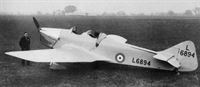
Aeroplane Monthly 1980-03 / G.Johnson - Miles M.14 Magister /RAF Piston Trainers/ (7)
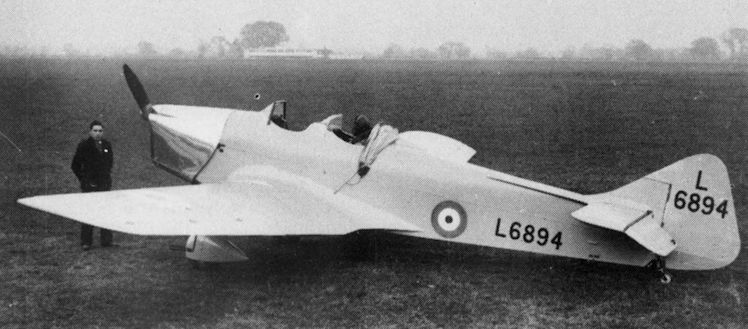
Регистрационный номер: L6894 L6894 in a similar condition, showing its deep-chord rudder.
-
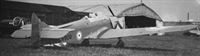
Air-Britain Archive 1985-04 / 1 - Miles M.14A Magister /'Civvie street'/ (3)
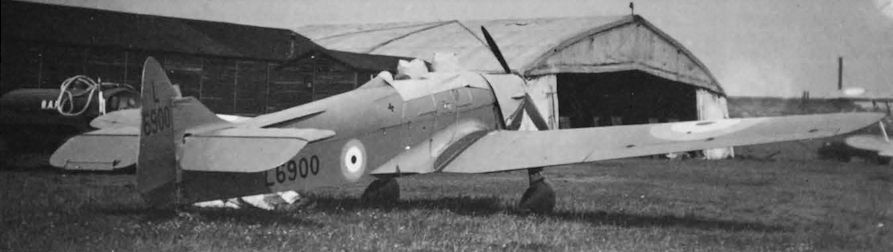
Регистрационный номер: L6900 L6900 was sold to Miles on 4.2.46 to become one of many refurbished for the Argentine AF.
-

Aeroplane Monthly 1987-09 / M.Oakey - Grapevine
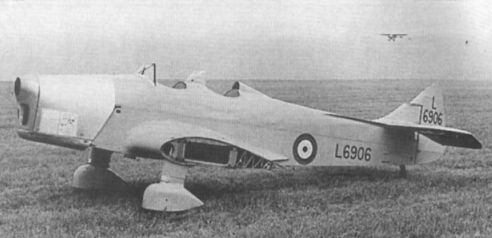
Регистрационный номер: L6906, BAPC-44 Miles Magister L6096/BAPC-44, seen at Air-Britain's Tenth Annual Fly-in at Wroughton on June 27-28, 1987, has been presented to the Berkshire Aviation Group by its owner, Graham Johnson. It is destined for eventual display in the projected Berkshire Museum of Aviation, for which a site adjacent to Woodley Airfield awaits approval by Wokingham District Council.
-
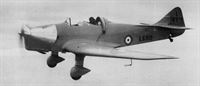
Aeroplane Monthly 1980-03 / G.Johnson - Miles M.14 Magister /RAF Piston Trainers/ (7)
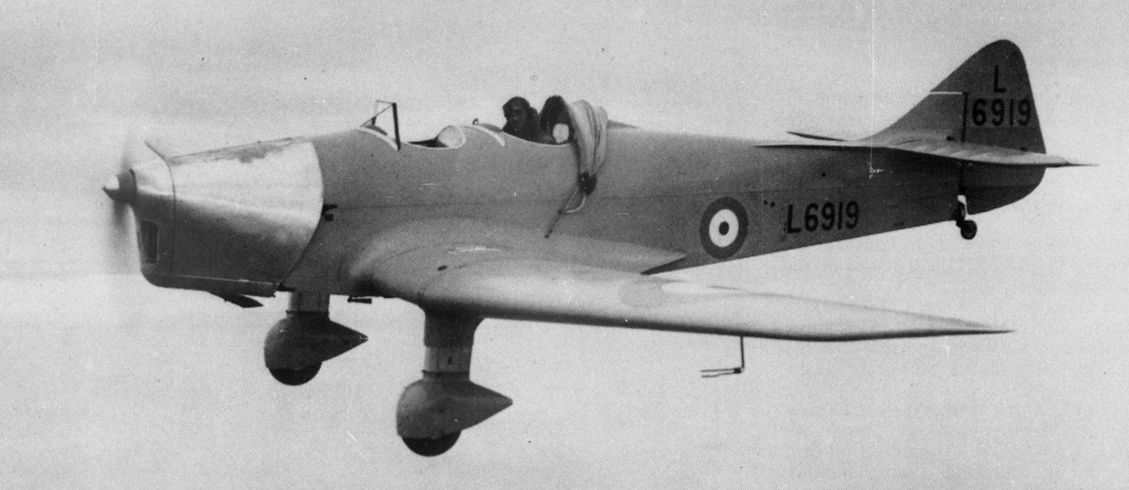
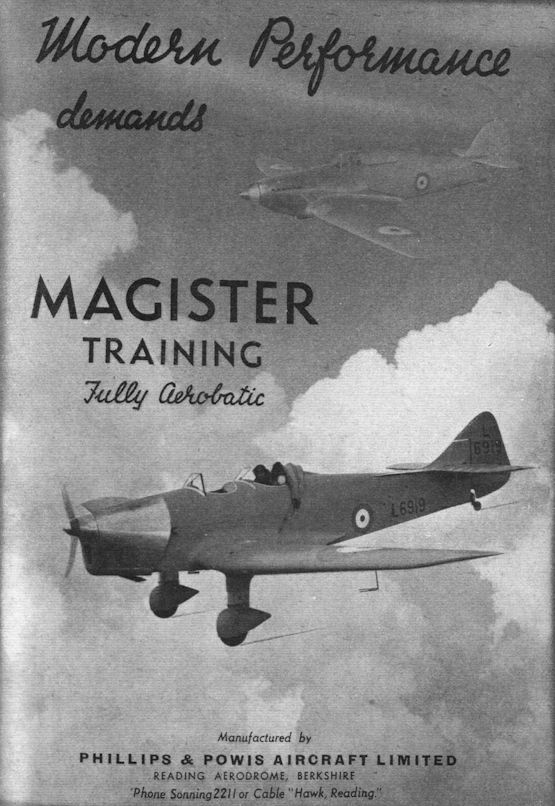
Регистрационный номер: L6919 [4] MILES MAGISTER: Trainer (Gipsy Major engine - 130 h.p. at sea level); span, 33ft.; gross weight, 1,825 lb.; max. speed, 145 m.p.h. at 1,000ft.
Magister L6919 with the antispin strakes but without the taller rudder. -
Flight 1938-03 / Flight Advertisements
Регистрационный номер: L6919 [4] -
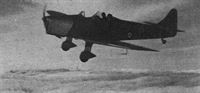
Flight 1940-05 / Flight
...most pupils get off solo between eight and ten hours but those who take twelve have no need to worry.
-
Flight 1938-03 / Flight
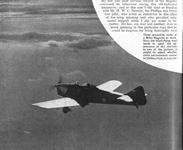
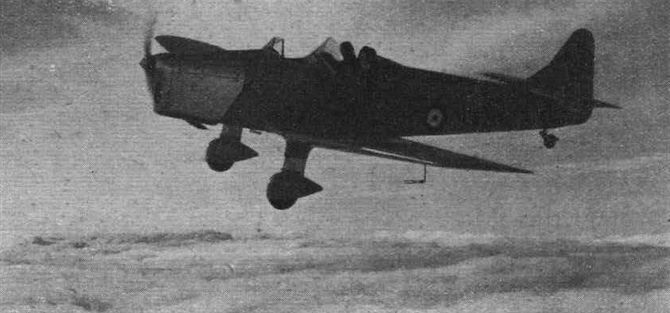
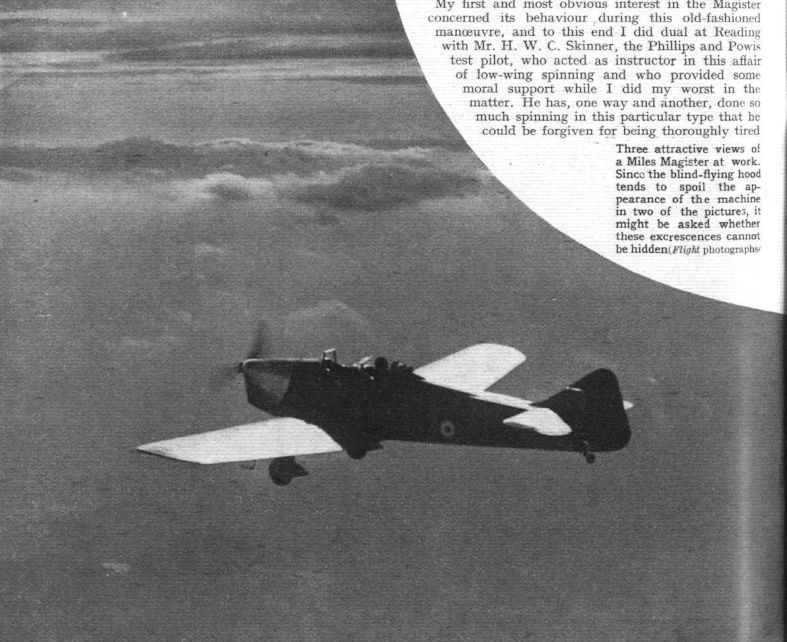
The attractive view of a Miles Magister at work. Since the blind-flying hood tends to spoil the appearance of the machine in the picture, it might be asked whether these excrescences cannot be hidden!
-
Flight 1938-03 / Flight
Регистрационный номер: L6919 [4] -

Aeroplane Monthly 1985-01 / L.Coombs - The expanding years 1936-1939 (3)
Регистрационный номер: L6919 [4] The Miles Magister was the RAF’s first monoplane trainer.
-

Flight 1937-11 / Flight
With its trailing edge flaps, Gipsy Major engine and sturdy construction, the Miles Magister will be a welcome addition to the ranks of Service trainers.
-

Flight 1938-04 / Flight
MAKING WAY FOR THE YOUNG ’UNS: A symbolic picture of a new Miles Magister on a visit to one of the few R.A.F. stations with an Avro 504N still on charge. The 504 series (and later the Tutor) were, of course, in the very front rank of training aircraft. Even to-day the Tutor is finding wide employment, but will eventually be superseded by monoplane types.
Другие самолёты на фотографии: Avro Avro 504N - Великобритания - 1920
-
Flight 1938-07 / Flight
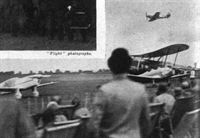
Variety: Sqn. Ldr. Gillan’s Hurricane flies over an International Air Freight Condor; on the left is Capt. Percival’s Mew Gull, and in front of the Condor is a Magister.
Другие самолёты на фотографии: Curtiss Condor 18 - США - 1929Hawker Hurricane - Великобритания - 1935Percival Mew Gull - Великобритания - 1934
-
-

Flight 1939-08 / Flight
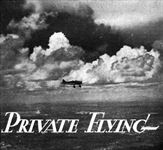
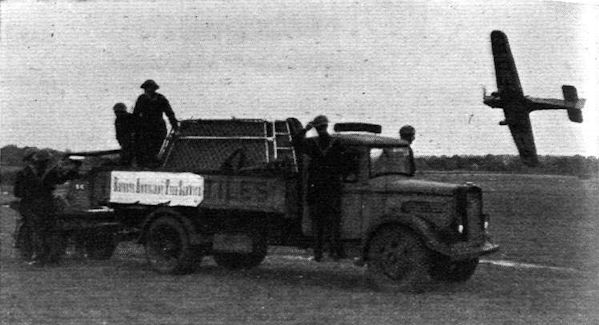
The Miles Magister does some low altitude aerobatic and crazy flying - with a Reigate A.F.S. tender in the foreground.
-
Flight 1938-05 / Flight
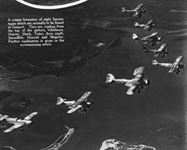
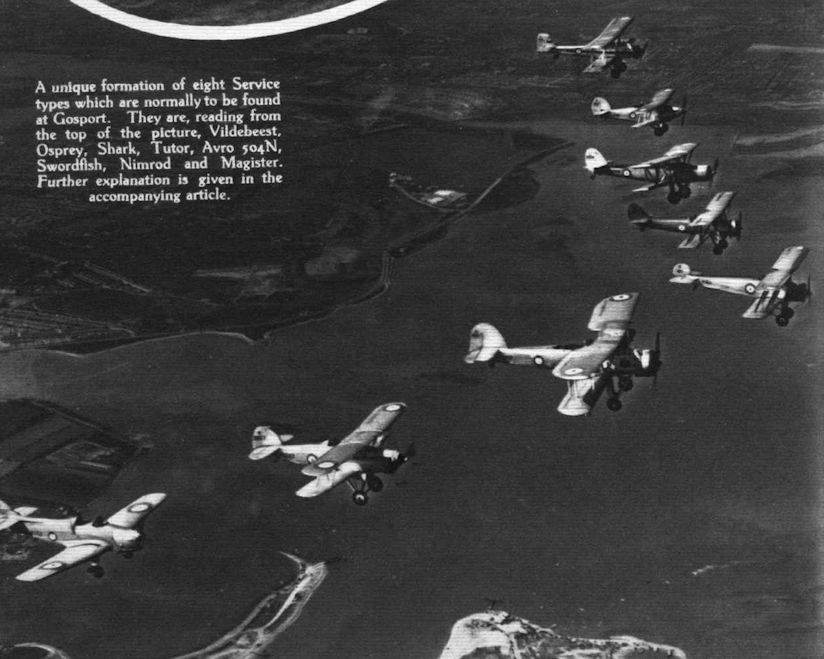
A unique formation of eight Service types which are normally to be found at Gosport. They are, reading from the top of the picture, Vildebeest, Osprey, Shark, Tutor, Avro 504N, Swordfish, Nimrod and Magister.
Другие самолёты на фотографии: Avro Avro 504N - Великобритания - 1920Avro Tutor/Sea Tutor/Prefect / Type 621/646/626 - Великобритания - 1929Blackburn Shark / B-6 - Великобритания - 1933Fairey Swordfish - Великобритания - 1934Hawker Nimrod - Великобритания - 1931Hawker Osprey - Великобритания - 1930Vickers Vildebeest / Type 132 - Великобритания - 1928
-

Aeroplane Monthly 1994-12 / G.Wansbrough-White - What's in a name? (2)
A formation of eight types based at Gosport in 1938. They are, from the top, Vildebeest, Osprey, Shark, Tutor, Avro 504N, Swordfish, Nimrod and Magister. The 504N was flying at full bore while the Kestrels of the Nimrod and Osprey were throttled well back. Pilots of this “Heinz” formation were drawn from the RAF, Army, Navy and Marines; the aircraft came from the Coastal Defence Development Flight and the Torpedo Training Unit.
Другие самолёты на фотографии: Avro Avro 504N - Великобритания - 1920Avro Tutor/Sea Tutor/Prefect / Type 621/646/626 - Великобритания - 1929Blackburn Shark / B-6 - Великобритания - 1933Fairey Swordfish - Великобритания - 1934Hawker Nimrod - Великобритания - 1931Hawker Osprey - Великобритания - 1930Vickers Vildebeest / Type 132 - Великобритания - 1928
-
Flight 1941-10 / Flight
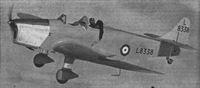
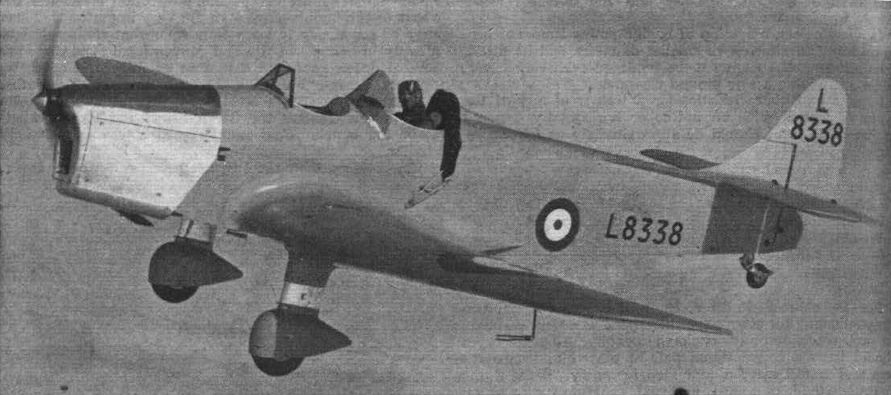
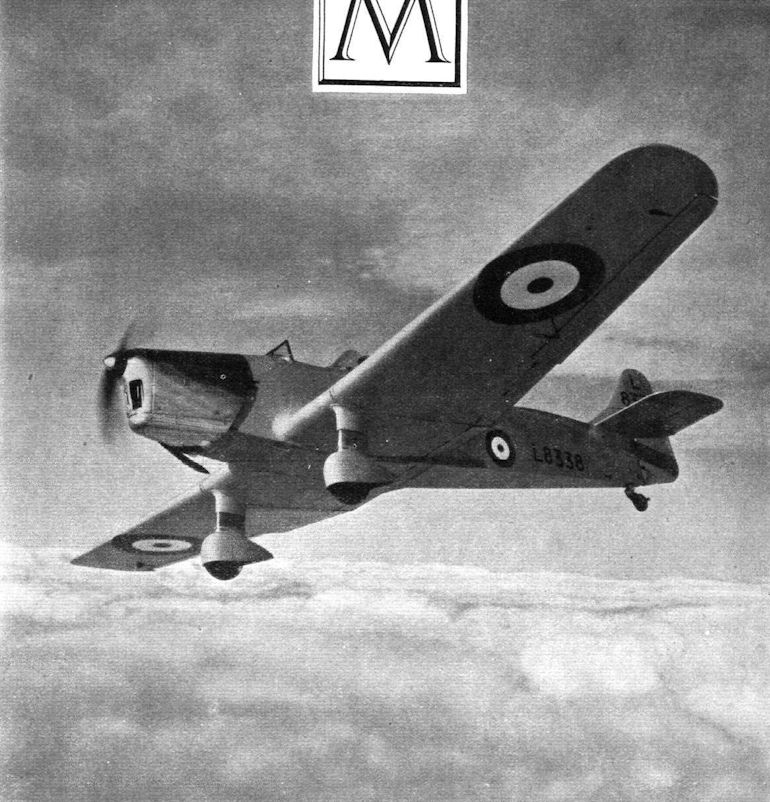
Регистрационный номер: L8338 [3] Although not often seen at clubs, the Miles Magister is one of the standard R.A.F. training types and particularly suited for primary work before passing on to modern types.
Monoplane trainers are coming into increasing use all over the world and many Royal Air Force pilots receive all their early training on the Miles Magister. -
Aeroplane Monthly 1980-03 / G.Johnson - Miles M.14 Magister /RAF Piston Trainers/ (7)
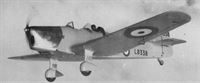
Регистрационный номер: L8338 [3] M14a L8338 flying near Reading in September 1938.
-
Flight 1938-11 / Flight Advertisements
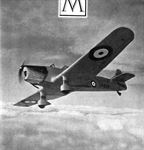
Регистрационный номер: L8338 [3] -

Flight 1939-03 / Flight
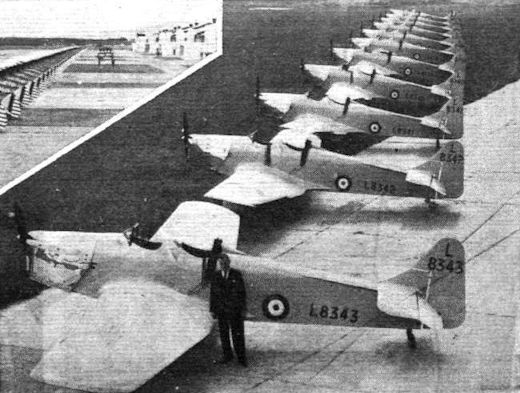
Регистрационный номер: L8341, L8342, L8343 [2] Miles Magisters before delivery from their manufacturer's Reading Aerodrome.
-

Flight 1939-05 / Flight
Регистрационный номер: L8343 [2] The D.H. Tiger Moth and the Miles Magister (shown) are both ab initio types fitted with the D.H. Gipsy Major engine.
-
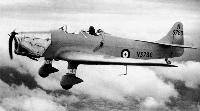
Мировая Авиация 194
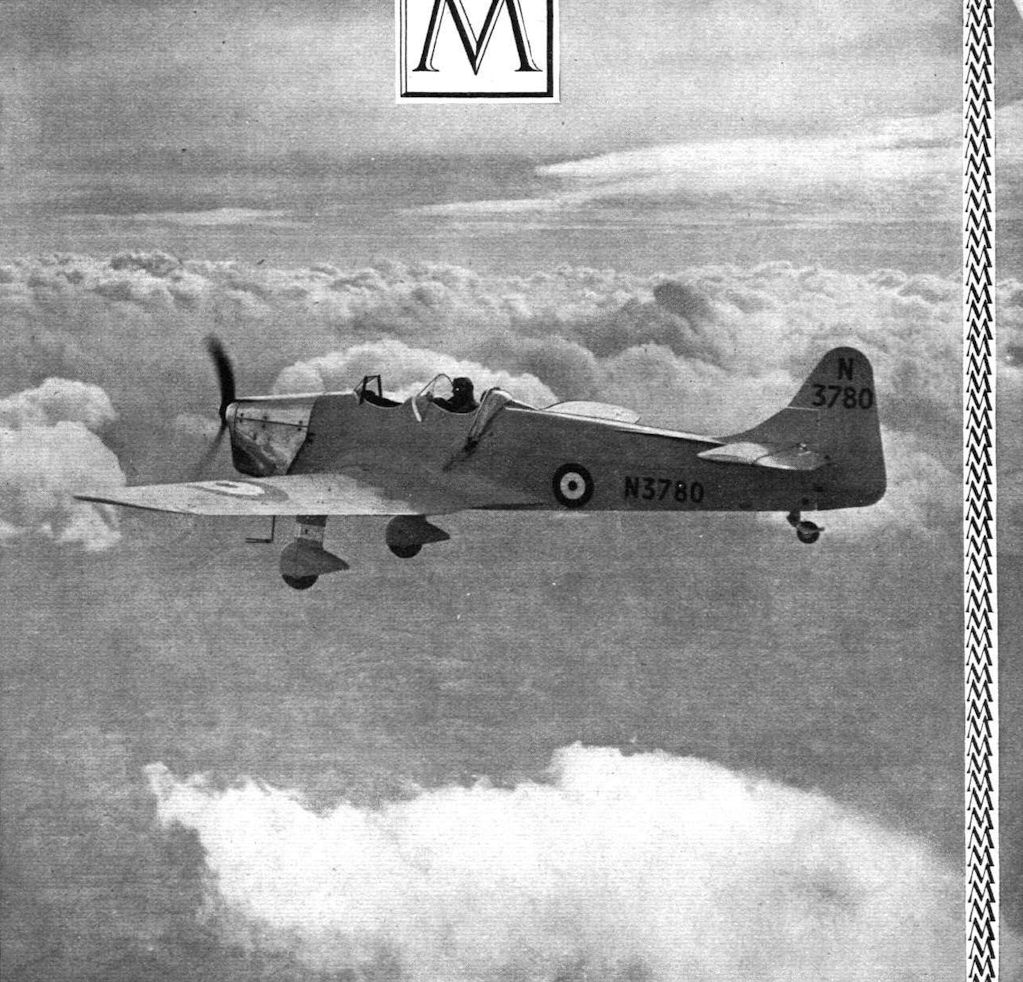
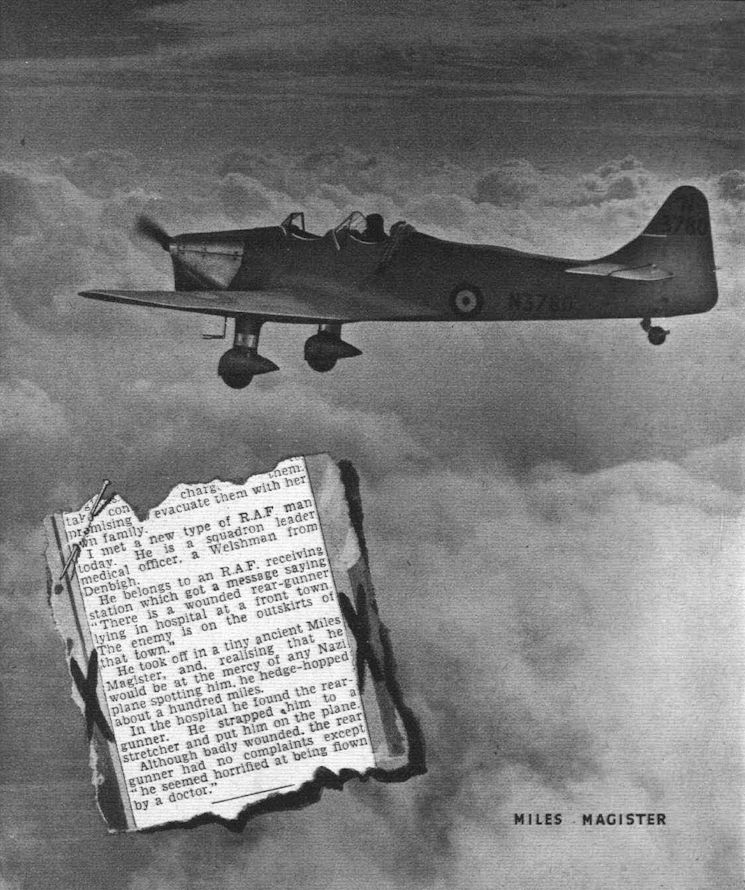
Регистрационный номер: N3780 [3] Miles Magister Mk I, задняя кабина которого оснащена складывающимся колпаком для обучения полетам по приборам.
-

Flight 1939-01 / Flight Advertisements
Регистрационный номер: N3780 [3] -
Flight 1940-07 / Flight Advertisements
Регистрационный номер: N3780 [3] -
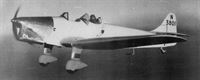
Aeroplane Monthly 1980-03 / G.Johnson - Miles M.14 Magister /RAF Piston Trainers/ (7)
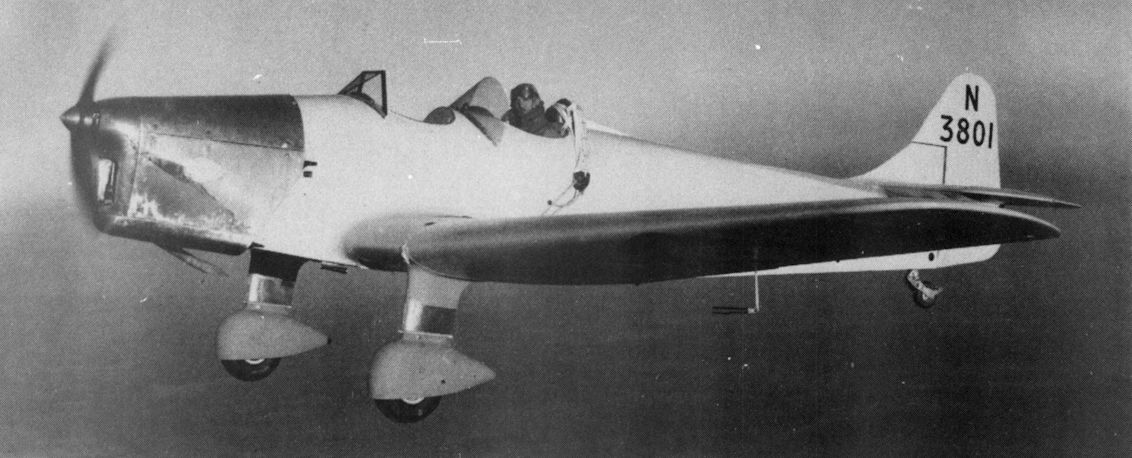
Регистрационный номер: N3801 A shot of N3801 which displays the tall rudder.
-
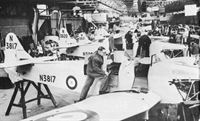
Air-Britain Archive 1985-02 / 1 - Miles M.14A Magister /'Civvie street'/ (1)
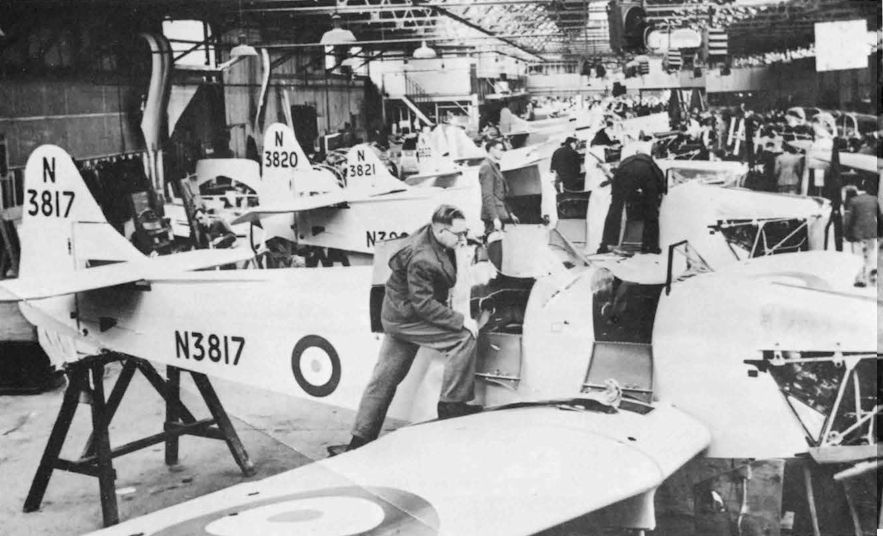
Регистрационный номер: N3817, N3820, N3821 The Magister production line at Woodley with N3817 and N3820 to N3822 in the foreground. Despite the gap in the serials these have consecutive c/ns 865 to 868 respectively, exemplifying just one of the problems facing would-be Miles historians.
Production at Phillips & Powis, Reading, in 1939. -
Aeroplane Monthly 1980-03 / G.Johnson - Miles M.14 Magister /RAF Piston Trainers/ (7)
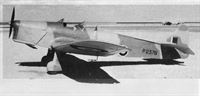
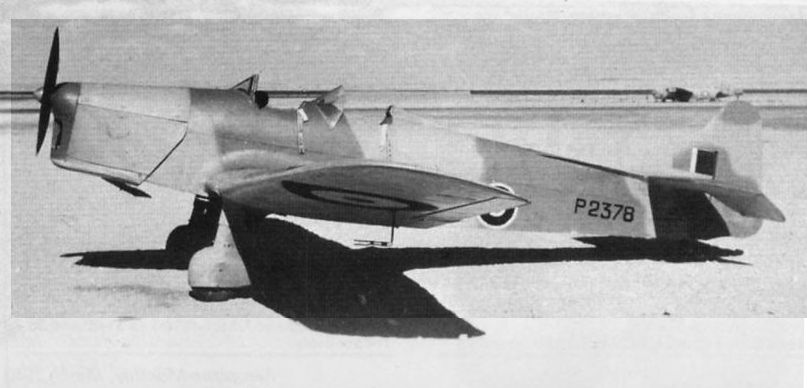
Регистрационный номер: P2378 Miles M.14A Magister I elementary trainer, P2378, was photographed at El Kabrit on June 18, 1943.
-
Air Enthusiast 2001-01 / R.Stitt - Midland Memories (1)
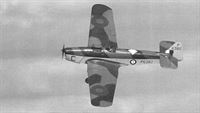
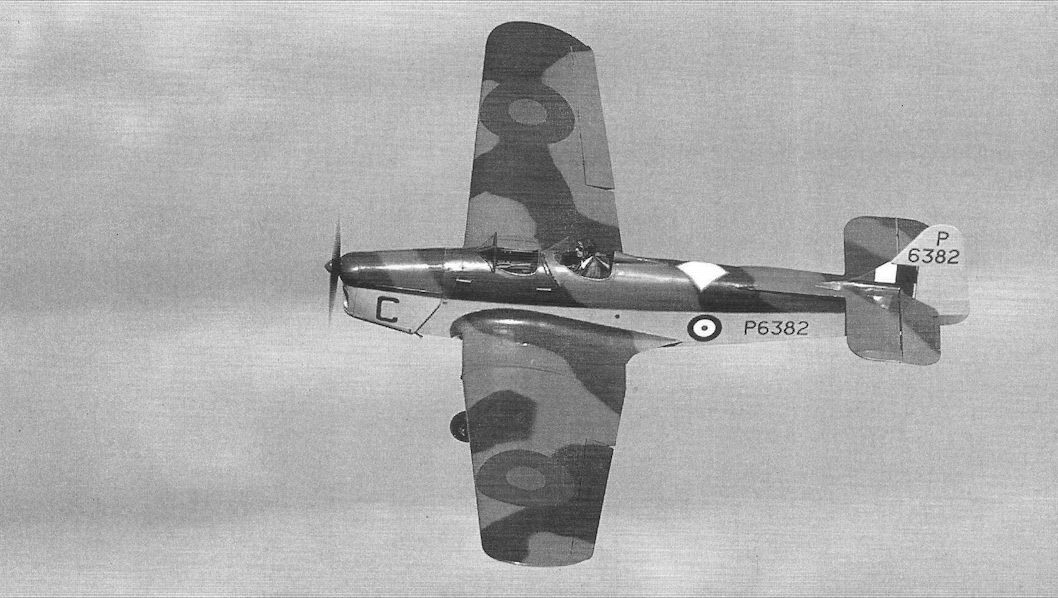
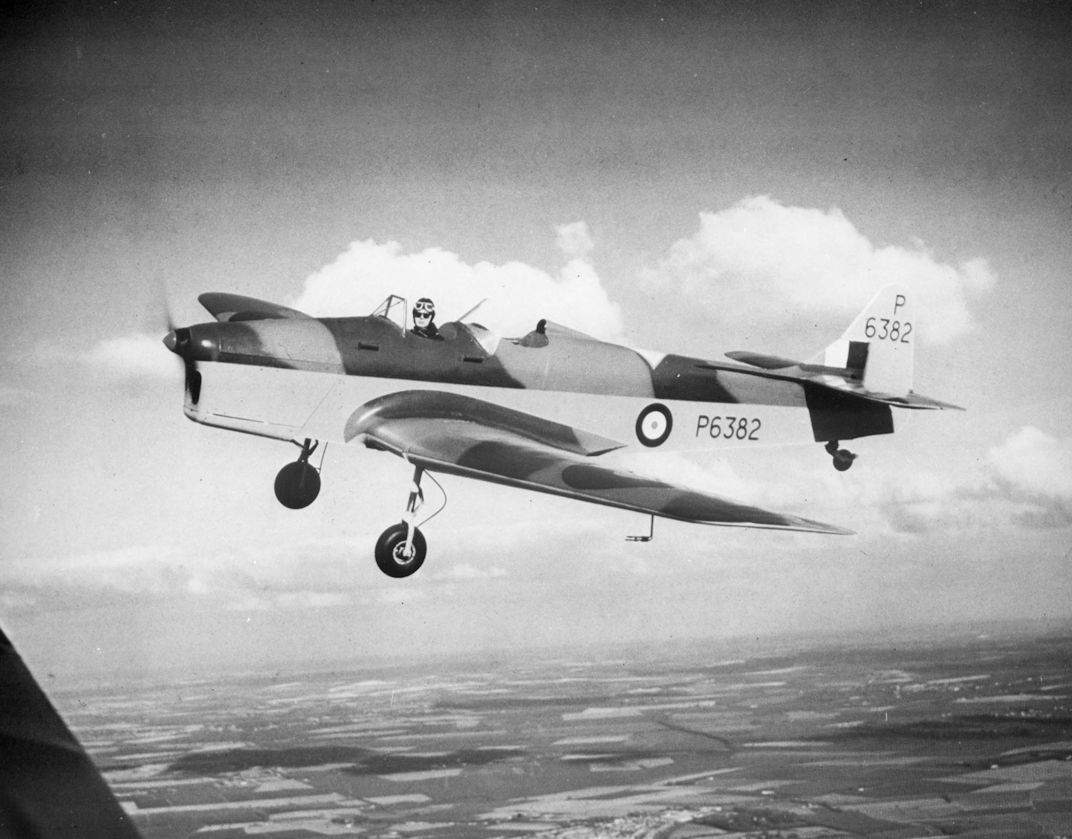
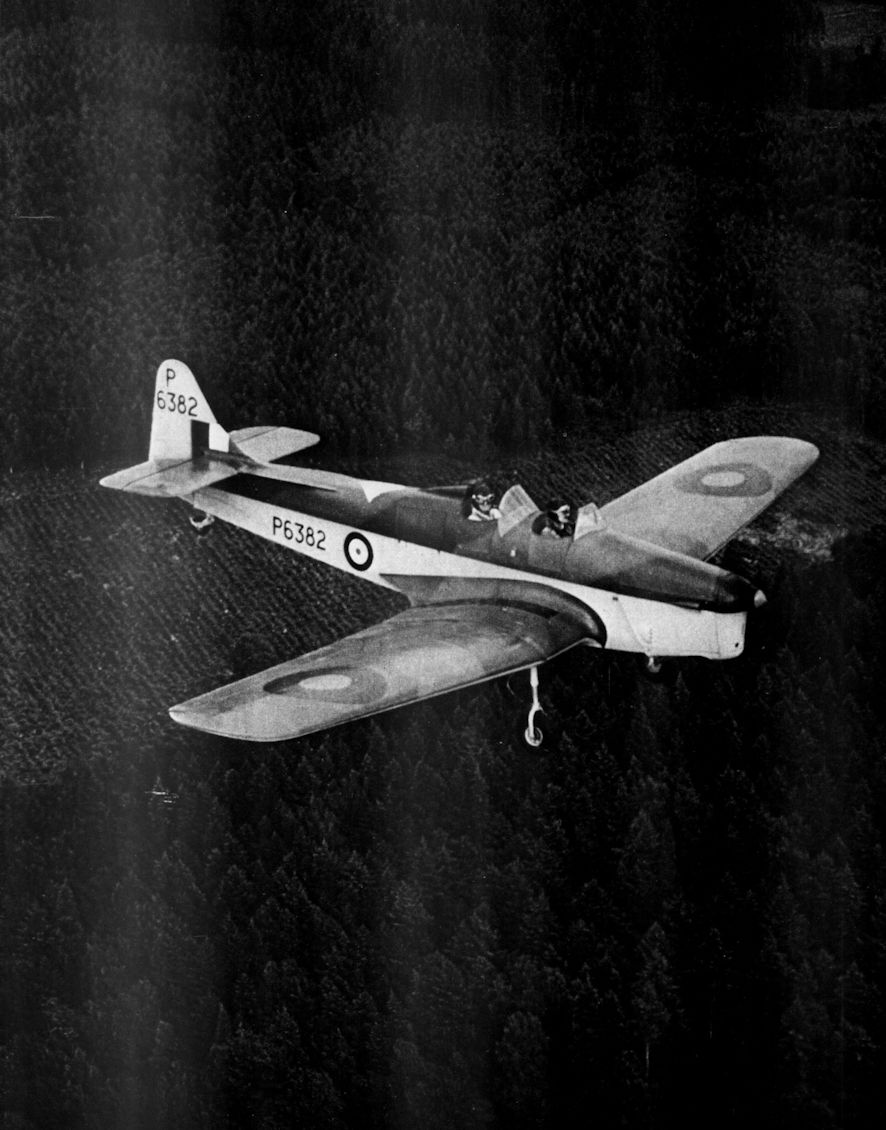
Регистрационный номер: P6382 [9], G-AJDR [10], G-AJRS [9] Wartime photographs of Miles Magisters operated by 16 EFTS have proved impossible to find. By a happy coincidence, the Shuttleworth Collection's airworthy example P6382 (G-AJRS) served with 16 EFTS during the war and was one of an initial six modified for night flying at Burnaston by St Athan.
-

Aeroplane Monthly 1981-07 / Miles M.14A Magister P6382 /Preservation Profile/
Регистрационный номер: P6382 [9], G-AJDR [10], G-AJRS [9] -

Aeroplane Monthly 1979-04 / L.Curtis - Anything To Anywhere (4)
Регистрационный номер: P6382 [9], G-AJDR [10], G-AJRS [9] One of the earliest types to be ferried by ATA pilots was the Miles Magister trainer, represented in TOM HAMILL'S plate by P6382 of the Shuttleworth Trust.
-

Aeroplane Monthly 1985-06 / 1985 UK airshows guide
Регистрационный номер: P6382 [9], G-AJDR [10], G-AJRS [9] The Shuttleworth Collection's Miles Magister, P6382, performs regularly for the crowds at Old Warden flying days.
-
Jane's All the World Aircraft 1980 / Encyclopedia of Aviation - Aircraft A-Z - v4
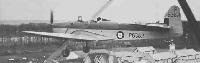
Регистрационный номер: P6382 [9], G-AJDR [10], G-AJRS [9] Miles M.14A Magister.
-

Air-Britain Archive 1985-02 / 1 - Miles M.14A Magister /'Civvie street'/ (1)
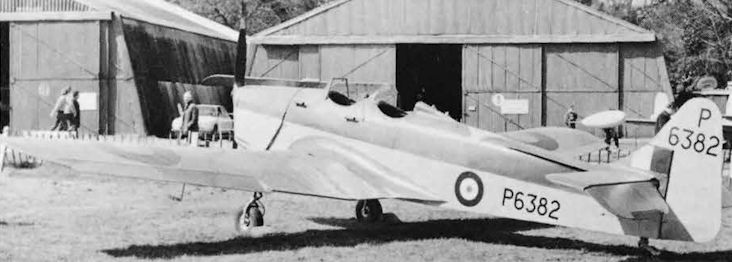
Регистрационный номер: P6382 [9], G-AJDR [10], G-AJRS [9] The same aircraft in its present guise wearing the correct RAF serial P6382, shown at Strathallan.
-
Air-Britain Archive 1985-03 / 1 - Miles M.14A Magister /'Civvie street'/ (2)
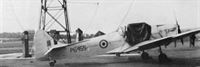
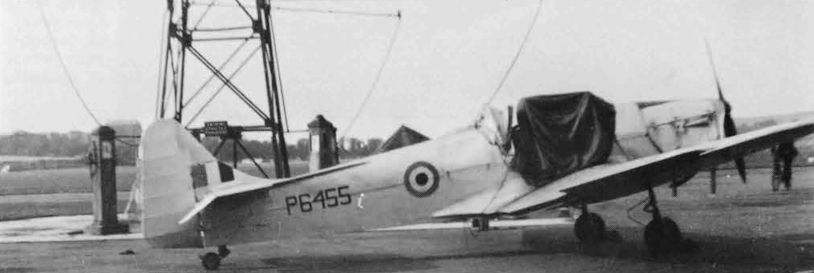
Регистрационный номер: P6455 One of the few postwar silver RAF Magisters, P6455 was operating with Reserves at Shoreham in the late 1940s. Though sold to Short it was not converted to civil use.
-

Flight 1939-07 / Flight
A well-tried British trainer - the Miles Magister
-
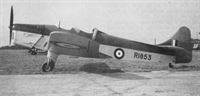
Aeroplane Monthly 1980-03 / G.Johnson - Miles M.14 Magister /RAF Piston Trainers/ (7)
Регистрационный номер: R1853 [2] M.14a R1853 with “B” Flight, 15EFTS, at Carlisle in the summer of 1940.
-

Air Pictorial 1977-05 / T.Norman - Strathallan Collection
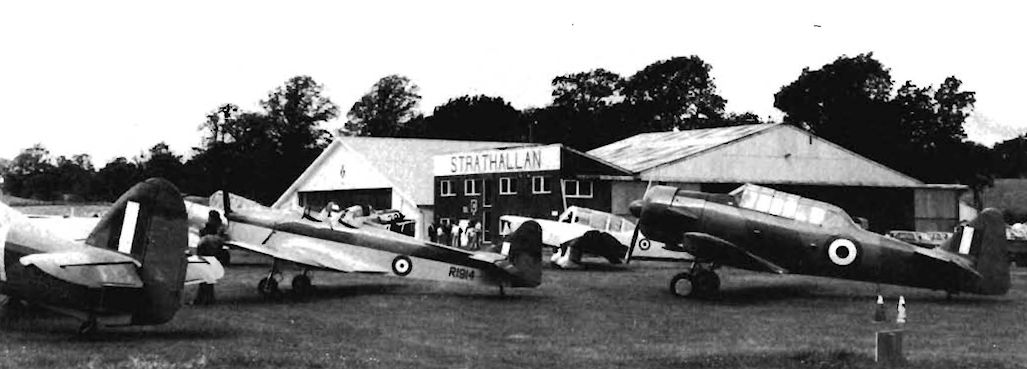
Регистрационный номер: R1914 [5], G-AHUJ [5] Strathallan types, with Miles Magister G-AHUJ/R1914 in centre, parked outside the office and existing hangars at the start of a day
Другие самолёты на фотографии: North American T-6 Texan / AT-6 Harvard - США - 1935Percival Prentice / P.40 - Великобритания - 1946
-
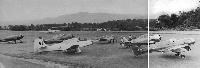
Air Pictorial 1977-05 / T.Norman - Strathallan Collection
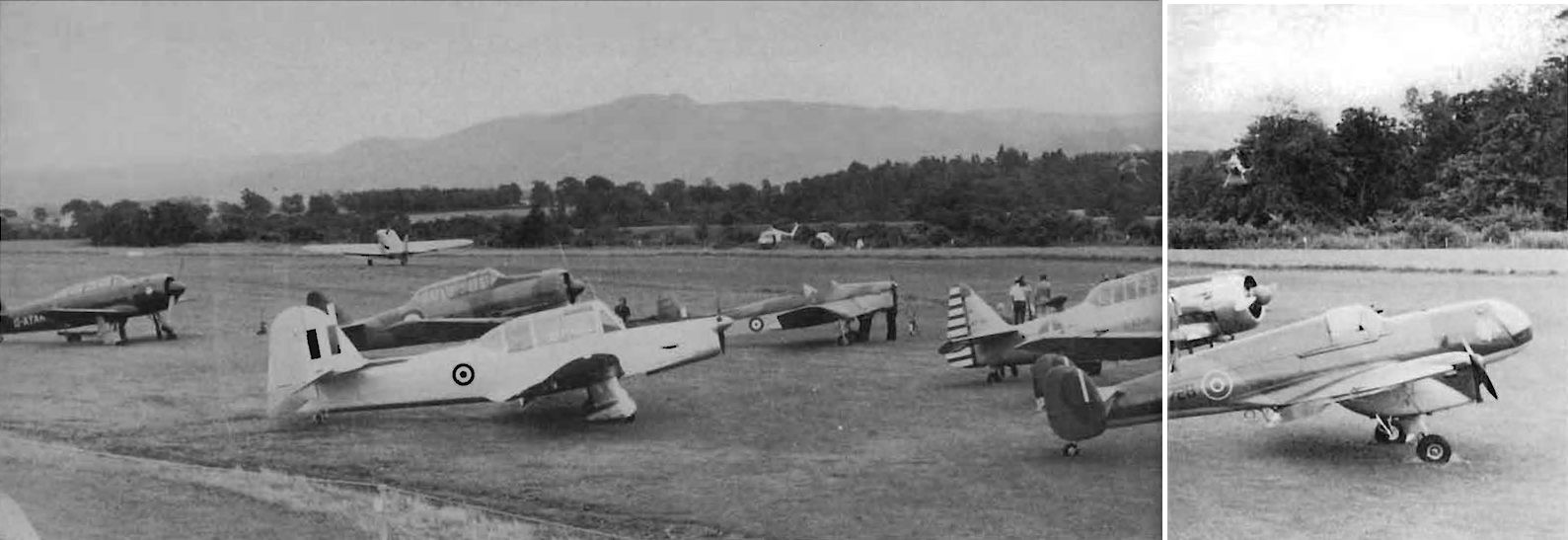
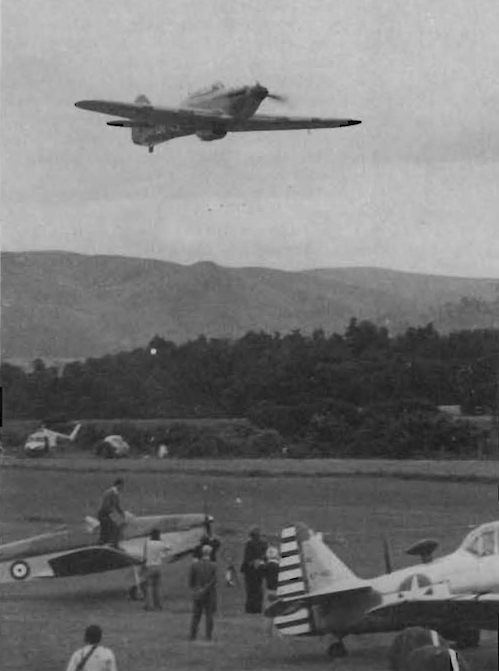
Регистрационный номер: R1914 [5], G-AHUJ [5] Part of the Strathallan Collection on display - Prentice G-AOLU/VS356 (foreground) with Harvard IIB G-AZBN/FT391 behind it, then Magister G-AHUJ/R1914, Texan G-AZJD and Desford G-AGOS/VZ728, all of which are airworthy. On the extreme left is visiting Yak-11 G-AYAK. In the background is Hurricane IIB G-AWLW/”P3308"
Другие самолёты на фотографии: Hawker Hurricane - Великобритания - 1935North American T-6 Texan / AT-6 Harvard - США - 1935Percival Prentice / P.40 - Великобритания - 1946Reid and Sigrist R.S.3 Desford / R.S.4 Bobsleigh - Великобритания - 1945Яковлев Як-11 / Як-3УТИ - Россия - 1946
-
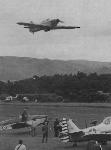
Air Pictorial 1977-05 / T.Norman - Strathallan Collection
Регистрационный номер: R1914 [5], G-AHUJ [5] The Hurricane beats up the airfield - Magister and Texan G-AZJD below
Другие самолёты на фотографии: Hawker Hurricane - Великобритания - 1935North American T-6 Texan / AT-6 Harvard - США - 1935
-

Aeroplane Monthly 1978-09 / News Spotlight from Strathallan
Регистрационный номер: R1914 [5], G-AHUJ [5] Strathallan’s Miles M.14A Magister R1914, alias G-AHUJ, displays its pristine finish during a low fly-past.
-

АэроХобби 1994-01 / В.Романенко - Пражское мемориальное аэрошоу - 93 /Глазами очевидца/
Регистрационный номер: T9738 [3], G-AKAT [3] Учебно-тренировочный самолет Miles Magister ВВС Великобритании.
-

Авиация и Время 1996-02 / В.Нескороженный - Его года - его богатство /Домашний авиамузей/
Регистрационный номер: V1075 [12], G-AKPF [12] Самолет Miles M.14A Magister I, принадлежащий А.Бруку. Аэродром Шорехем бай Си, 1995г.
-
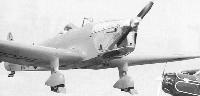
Air Pictorial 1991-09
Регистрационный номер: V1075 [12], G-AKPF [12] Adrian Brook won the Best Vintage Aircraft award with his Miles Magister G-AKPF, marked as V1075. Runner-up was Ian Castle's Tiger Moth, G-AGPK.
-

Авиация и Время 1996-02 / В.Нескороженный - Его года - его богатство /Домашний авиамузей/
Регистрационный номер: V1075 [12], G-AKPF [12] Хвостовое оперение "Магистра" с противоштопорными гребнями
-

Aeroplane Monthly 1990-12 / Miles M.14a Magister I V1075/G-AKPF /Preservation Profile/
Регистрационный номер: V1075 [12], G-AKPF [12] GORDON BAIN'S photograph was taken near Shoreham on September 25 this year.
-

Flight 1938-09 / Flight
TRAINING THE TRAINER: Mr. H. W. C. Skinner, Philips and Powis test pilot, takes a turn with the Magister, now modified by the fitting of a rudder of higher aspect ratio.
-

Flight 1939-10 / Flight
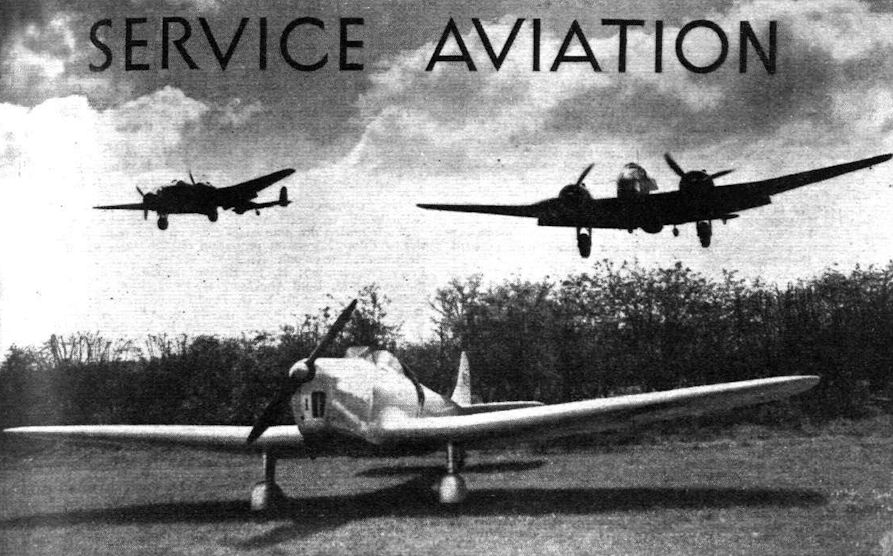
LOW APPROACH: Thanks to its slots and flaps the Handley Page Hampden can be operated from small aerodromes. A pair of Hampdens are seen approaching low with a Miles Magister in the foreground.
Другие самолёты на фотографии: Handley Page Hampden / H.P.52 - Великобритания - 1936
-
Air-Britain Archive 1985-02
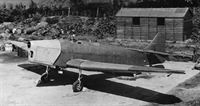
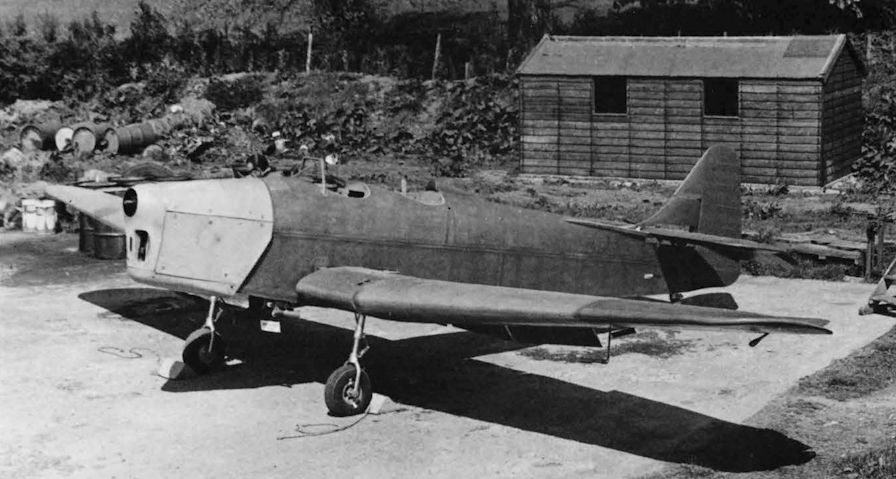
Peter Amos, our Miles Aircraft Specialist, submitted the Magister along with other photos for the Civvie Street listings. The airframe is completely unmarked, the location and date unknown, but the Maggie does carry a label (visible between the mainwheels) stating "Magister 1939" although the date is indistinct. This could indicate that it is a museum exhibit, which narrows the choice down to perhaps six or seven aircraft. If anyone can identify the machine, location, date, garden shed ... ?
-

Flight 1938-05 / Flight Advertisements
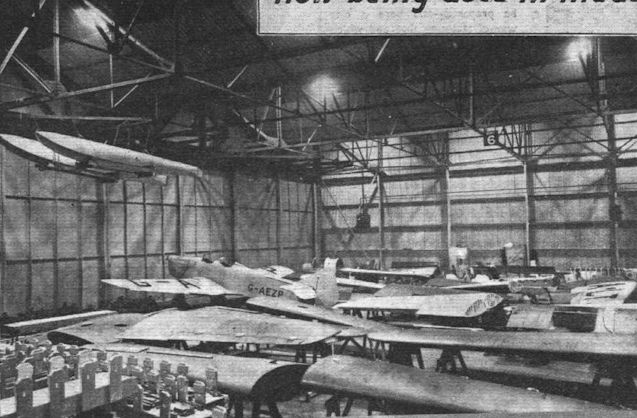
Регистрационный номер: G-AEZP -
Aviation Historian 22 / R.Riding, A.Stephenson - What a woman! Janet Ferguson: ferry pilot extraordinare
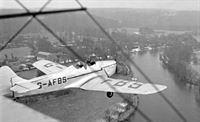
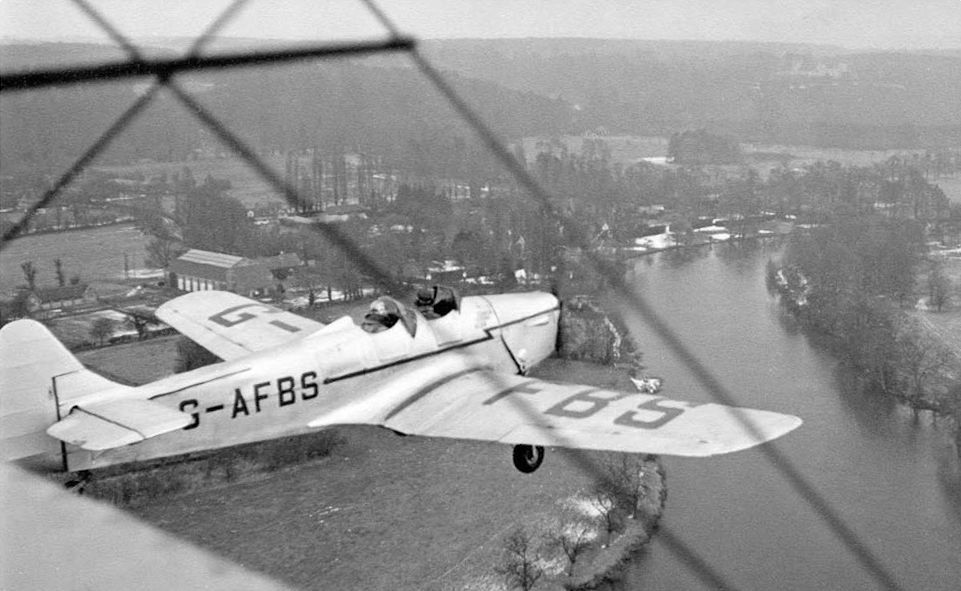
Регистрационный номер: G-AFBS [3] Janet Ferguson and Denham Flying Club’s chief flying instructor Derek "Wilbur" Wright in Miles M.14A Hawk Trainer G-AFBS over the Thames in 1951.
-
Air-Britain Archive 1981-02 / U.K. C of A Applications (6)
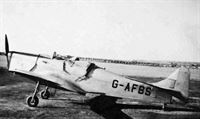
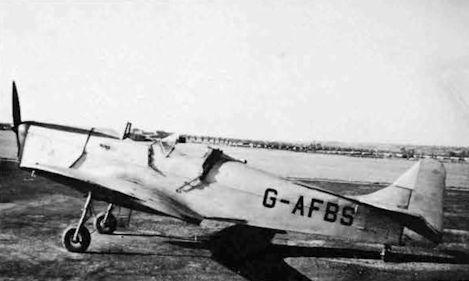
Регистрационный номер: G-AFBS [3] Trainer of October 1937 vintage. The Miles Hawk Trainer G-AFBS still exists at Duxford but is seen here at Whitchurch in 1952
-

Air-Britain Archive 1984-02 / Impressment Review (17)
Регистрационный номер: G-AFBS [3] Miles Hawk Trainer G-AFBS at Blackbushe 5.9.62.
-
Aeroplane Monthly 1980-03 / G.Johnson - Miles M.14 Magister /RAF Piston Trainers/ (7)
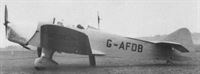
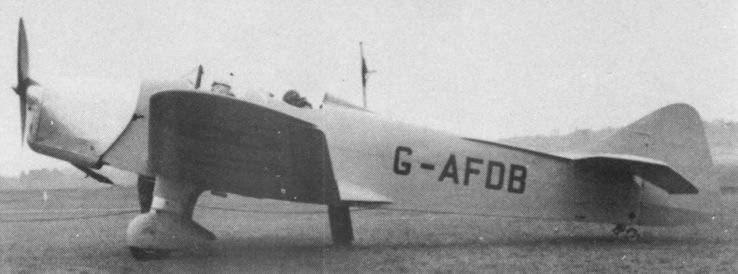
Регистрационный номер: G-AFDB, BB662 M.14 Hawk Trainer III G-AFDB, later became BB662 and finally 4557M before it was scrapped in 1945.
-

Aeroplane Monthly 1981-03 / Personal album
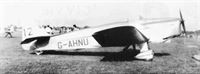
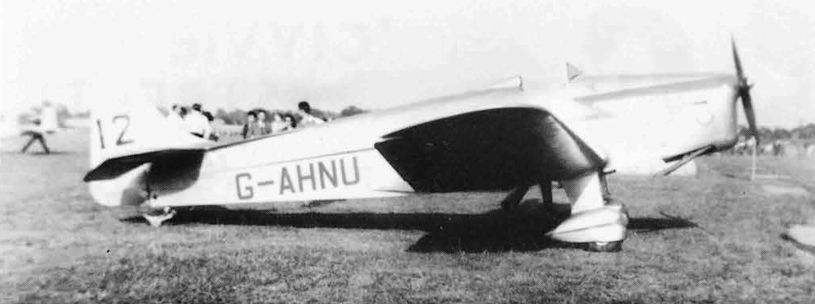
Регистрационный номер: G-AHNU [2] Winner of the Southend Cup was Ron Paine in the Miles M.14A Hawk Trainer,
-
Air-Britain Archive 1985-03 / 1 - Miles M.14A Magister /'Civvie street'/ (2)
Регистрационный номер: G-AHNU [2] G-AHNU at Southend on 9.8.47 operated as a single seater with the rear cockpit faired over to reduce drag for racing. It was written off near Sandbach on 7.2.51.
-
Air-Britain Archive 1985-03 / 1 - Miles M.14A Magister /'Civvie street'/ (2)
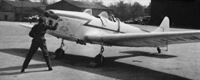
Регистрационный номер: G-AHNW G-AHNW gets a swing at Elstree in March 1954. It wears Elstree Flying Club titles, that club being one of those operated by the Wolverhampton Flying School group. G-AHNW was written off at Elstree on 2.6.57.
-

Air-Britain Archive 1984-04 / U.K. C of A Applications (19)
Регистрационный номер: G-AHYL [2] Under a glowering sky Hawk Trainer G-AHYL was a White Waltham guest on 22.6.58.
-
Air-Britain Archive 1989-02
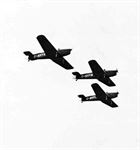
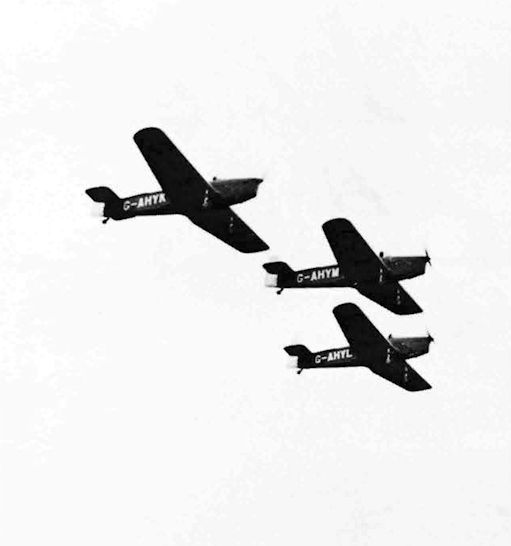
Регистрационный номер: G-AHYK, G-AHYL [2], G-AHYM Way back on page 87/86 we published a photograph of a flight line which included three identical Magisters. On page 88/2 Jack Meaden suggested that the colour schemes of the Fairey Flying Club Magisters G-AHYK/L/M matched the trio which made it possible that the venue was White Waltham. He has since provided us with the photo showing the three aircraft flying in formation on the club's opening day there in April 1947.
-
Air-Britain Archive 1987-04
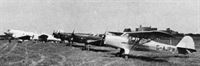
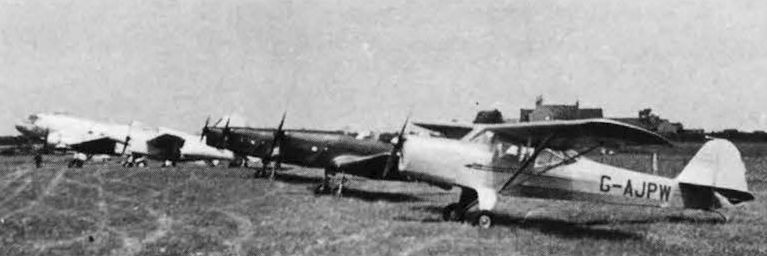
An Auster, three Magisters, the Desford and a Dakota all in one line-up - but Bernard Martin asks where were they, when and why?
Другие самолёты на фотографии: Auster J/1 - J/5 - Великобритания - 1945Douglas DC-3 / C-47 Skytrain/С-53 Skytrooper / Dakota - США - 1935Reid and Sigrist R.S.3 Desford / R.S.4 Bobsleigh - Великобритания - 1945
-
Air-Britain Archive 1985-03 / 1 - Miles M.14A Magister /'Civvie street'/ (2)
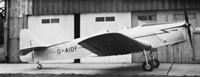
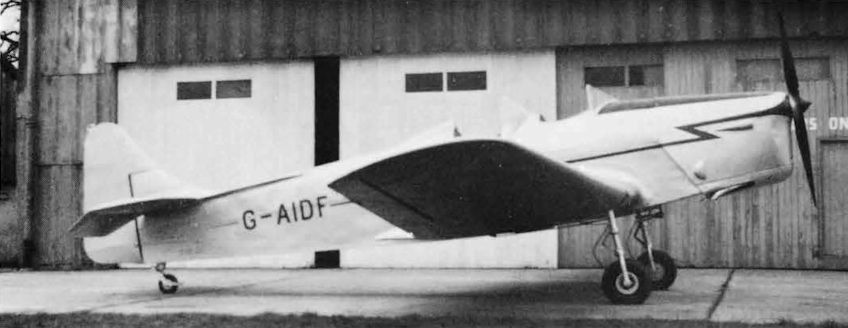
Регистрационный номер: G-AIDF G-AIDF was owned by the Denham Flying Club when photographed there on 6.2.60. It too was once a racing machine, having reached 147 mph as a race mean in 1950, but it was wrecked by a gale at Southend in 1968.
-

Aeroplane Monthly 1989-12 / Personal album. Civil
Регистрационный номер: G-AIOJ, T9888, ZK-ATE Miles M.14A Hawk Trainer Mk 3 G-AIOJ photographed at the Auster Flying Club meeting at Rearsby on June 21, 1947. Formerly T9888 with the RAF, this "Maggie" was sold in New Zealand as ZK-ATE in June 1949.
-

Aeroplane Monthly 1987-04 / M.Hardy - Redhill recollections (1)
Регистрационный номер: G-AITO Miles M.14A Hawk Trainer Mk 3 G-AITO, acquired by the Redhill Flying Club. The rear cockpit has been faired in for air racing.
-
Aeroplane Monthly 2002-02 / Skywriters /Readers' letters/
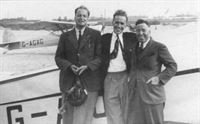
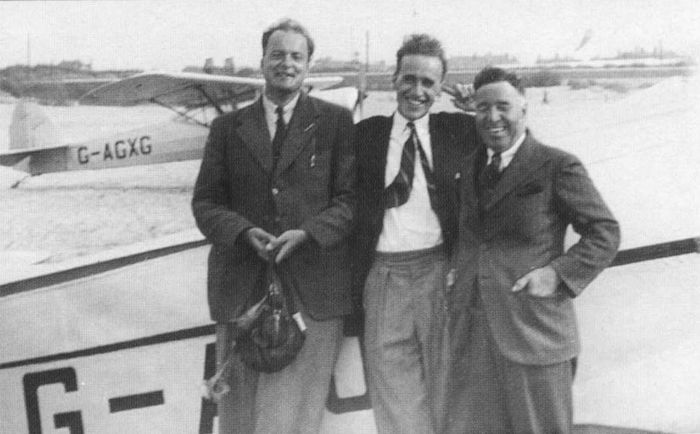
Регистрационный номер: G-AIUA [3], T9768 [3] E.J. Riding (left) and Alec Lumsden (centre) on Southport Sands on August 22, 1949, with Miles M.14A Hawk G-AIUA. Having flown in from Elstree, they are about to sample the delights of a free flight in Giro Aviation's joyriding D.H.83 Fox Moth G-ACCB, flown by L. Knight (right). Alec asked for a copy of this print shortly before his death.
Другие самолёты на фотографии: Auster J/1 - J/5 - Великобритания - 1945
-
Air Enthusiast 2001-01 / R.Stitt - Midland Memories (1)
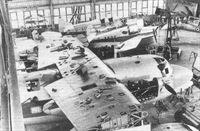
Регистрационный номер: G-AIUA [3], T9768 [3] A former WAAC Marathon undergoes deep maintenance and upgrading prior to entering service with Derby Aviation. In the background are Gemini 1A G-AKGE, Hawk Trainer G-AIUA and Chipmunk WP908 of Nottingham University Air Squadron.
Другие самолёты на фотографии: De Havilland Canada DHC-1 Chipmunk - Канада - 1946Handley Page Marathon / H.P.R.1 - Великобритания - 1946Miles Gemini M.65 / Aries M.75 - Великобритания - 1945
-
Air-Britain Archive 1985-03 / 1 - Miles M.14A Magister /'Civvie street'/ (2)
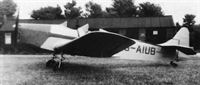
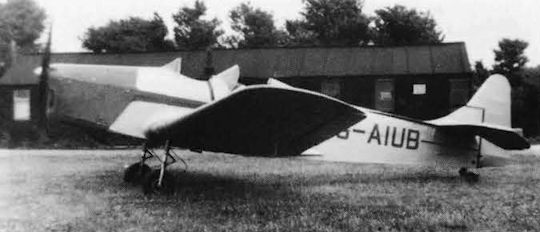
Регистрационный номер: G-AIUB G-AIUB seen at Fairoaks on 8.7.47 crashed three years later at Cowes.
-
Air-Britain Archive 1985-03 / 1 - Miles M.14A Magister /'Civvie street'/ (2)
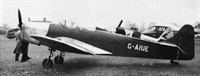
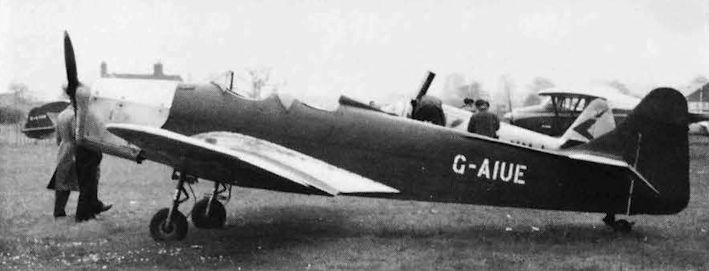
Регистрационный номер: G-AIUE [2] G-AIUE was operated by PFA Group no.74 resplendent in red fuselage and blue wings when photographed on 29.4.61 at Coventry. It survived for one more year before being written off 26.8.62 at Seething.
-
Air-Britain Archive 1986-02 / U.K. C of A Applications (25)
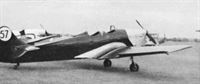
Регистрационный номер: G-AIUE [2] Magister G-AIUE at Coventry about 1960 in all-black with silver cowlings and red registration.
-
Aeroplane Monthly 1987-04 / M.Hardy - Redhill recollections (1)
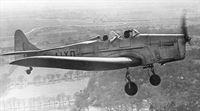
Регистрационный номер: G-AIYD C.Nepean Bishop flying the Redhill Flying Club’s Miles Hawk Trainer G-AIYD. Redhill Aerodrome is visible in the distance.
-

Aeroplane Monthly 1981-07 / Miles M.14A Magister P6382 /Preservation Profile/
Регистрационный номер: G-AJDR [10], G-AJRS [9], P6382 [9] -
Air-Britain Archive 1985-02 / 1 - Miles M.14A Magister /'Civvie street'/ (1)
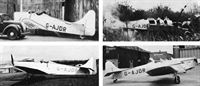
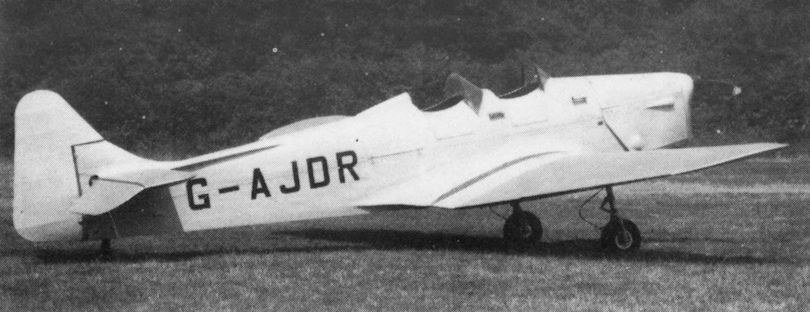
Регистрационный номер: G-AJDR [10], G-AJRS [9], P6382 [9] Top left: The genuine, original G-AJDR c/n 2169 at Redhill early in 1954 and Top right, being consigned to the bonfire at Redhill in April 1954.
Bottom left: At the same time c/n 1750 (actually G-AJRS) was wearing Redhill Flying Club colours as G-AJDR.
After a spell in Scotland and at Denham it was with the Gledhill Flying Group when seen at Speke on 26.5.62 Bottom right. -
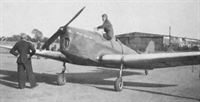
Air-Britain Archive 1986-01 / Feedback
Регистрационный номер: G-AJDR [10] The genuine G-AJDR in Gloucester Flying Club colours at Staverton in 1948. The instructor seated on the cockpit rim is contributor Jack Meaden!
-
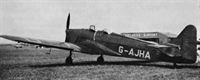
Air-Britain Archive 1985-02 / 1 - Miles M.14A Magister /'Civvie street'/ (1)
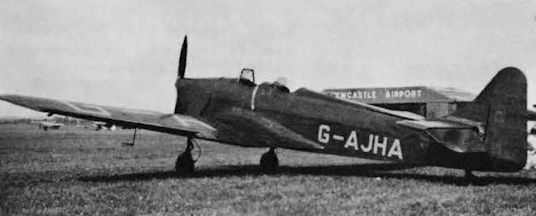
Регистрационный номер: G-AJHA One of the Magisters sold to F.K.McIntyre. G-AJHA at Newcastle about 1949/50, it later appeared in a lighter colour scheme and survived until 1956.
-
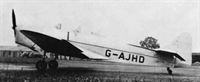
Air-Britain Archive 1985-02 / 1 - Miles M.14A Magister /'Civvie street'/ (1)
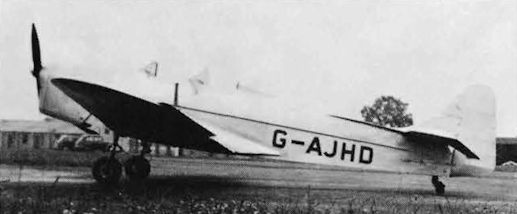
Регистрационный номер: G-AJHD One of the Magisters sold to F.K.McIntyre. G-AJHD at Croft on 27.8.49, this was eventually broken up at Newcastle in 1961.
-
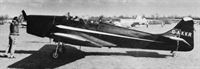
Air-Britain Archive 1985-02 / 1 - Miles M.14A Magister /'Civvie street'/ (1)
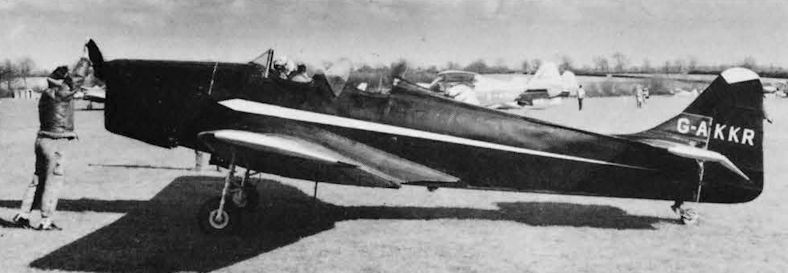
Регистрационный номер: G-AKKR [3], T9707 [3] Formerly with the Speedbird Flying Club, the black and yellow G-AKKR gets a swing at Sywell on 14.4.62.
-
Air-Britain Archive 2001-01 / P.Amos - The Miles M.38 Messenger /The Whole Truth/ (3)
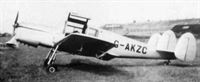
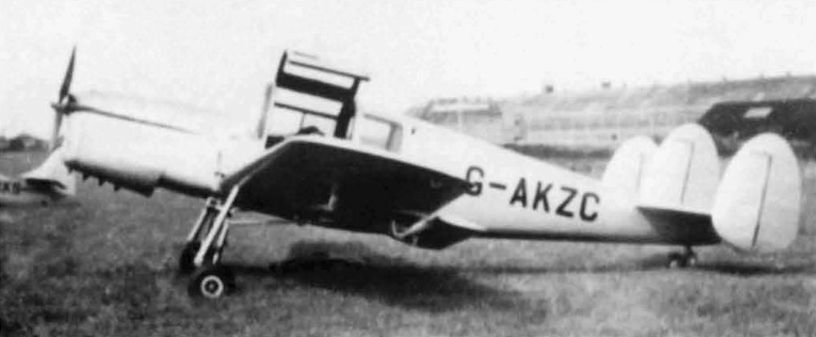
Регистрационный номер: G-AKKS Formerly RH372, G-AKZC had an eleven year civil career after its short RAF service. It is seen here, date and place unknown, but the presence of Hawk Trainer III G-AKKS behind indicates pre-1954.
Другие самолёты на фотографии: Miles Messenger M.38 / M.48 - Великобритания - 1942
-

Aeroplane Monthly 1993-05 / Personal album. Civil
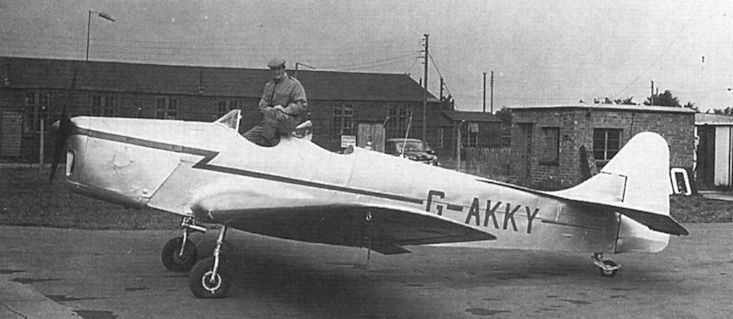
Регистрационный номер: G-AKKY, T9841 Miles M.14 Hawk Trainer G-AKKY, owned by the Birmingham Airport Flying Group, was earlier T9841 with the RAF. This Maggie ended its days at Renfrew, where it was withdrawn from use in November 1964.
-
Aeroplane Monthly 1980-03 / G.Johnson - Miles M.14 Magister /RAF Piston Trainers/ (7)
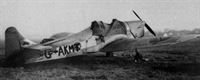
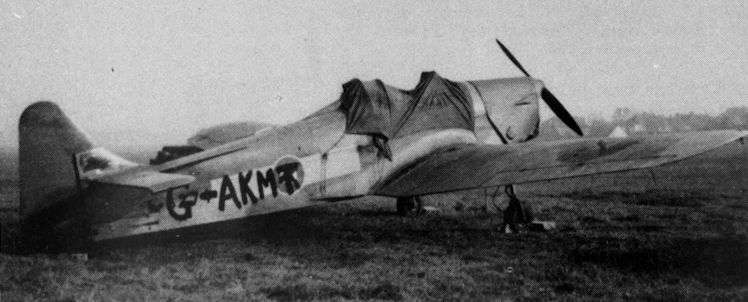
Регистрационный номер: G-AKMT, L8274 In May 1949 Maggie L8274 became G-AKMT, going to the Egyptian Air Force six months later.
Still in RAF colours but with markings crudely obliterated, G-AKMT eventually went to the Egyptian AF. -
Air-Britain Archive 1986-01 / Feedback
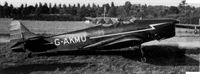
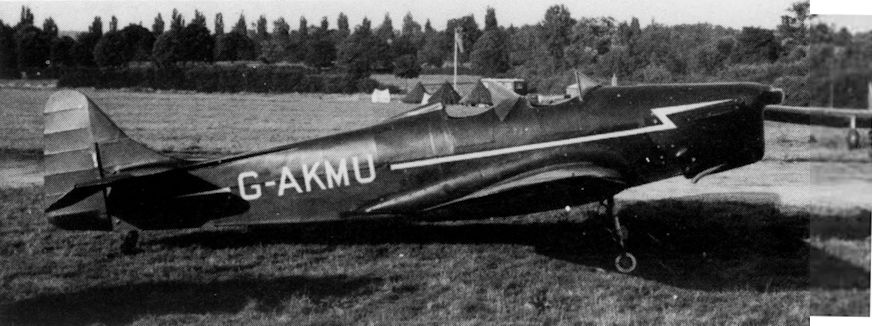
Регистрационный номер: G-AKMU, L8349 G-AKMU, ex L8349, in Post Office red with white trim, which donated its wings to G-AJDR after being written off in 1949.
-
Air-Britain Archive 2003-03 / J.Meaden - The C W Cygnet /Head-On View/ (7)
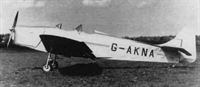
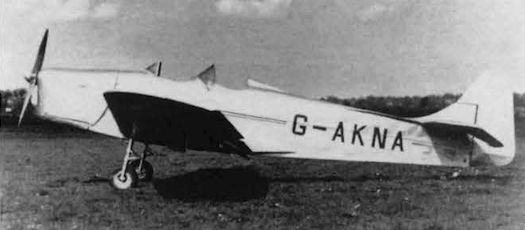
Регистрационный номер: G-AKNA Magister G-AKNA, a beautiful aeroplane lost as its Cirrus Major engine installation (short underside stubs just visible) did not have civil approval.
-
Air-Britain Archive 1985-02 / 1 - Miles M.14A Magister /'Civvie street'/ (1)
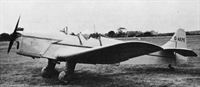
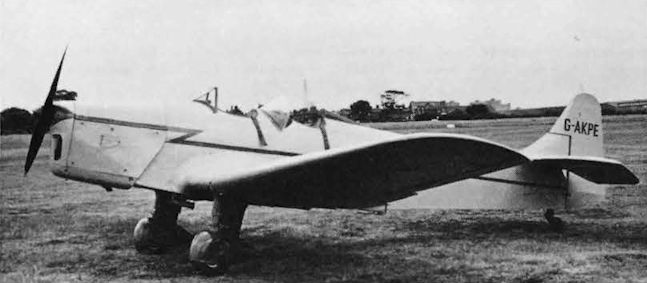
Регистрационный номер: G-AKPE A bespatted G-AKPE at Barton, probably in the late fifties.
-

Aeroplane Monthly 1990-12 / Miles M.14a Magister I V1075/G-AKPF /Preservation Profile/
Регистрационный номер: G-AKPF [12], V1075 [12] G-AKPF painted overall red with white trim and fitted with wheel spats.
-

Aeroplane Monthly 1994-11 / Personal album. Civil
Регистрационный номер: G-AKPF [12], V1075 [12] Miles Hawk Trainer G-AKPF during a visit to Ramsgate in 1957. Withdrawn from use in 1963, 'PF was put into storage at Ipswich in 1967. Parts of the aircraft are incorporated in a restoration of ’PF by Laurie Taylor at Kingston, Cambridgeshire.
-

Aeroplane Monthly 1990-12 / Miles M.14a Magister I V1075/G-AKPF /Preservation Profile/
Регистрационный номер: G-AKPF [12], V1075 [12] G-AKPF, minus wheel spats, circa 1960.
-
Air-Britain Archive 1985-02 / 1 - Miles M.14A Magister /'Civvie street'/ (1)
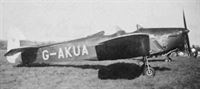
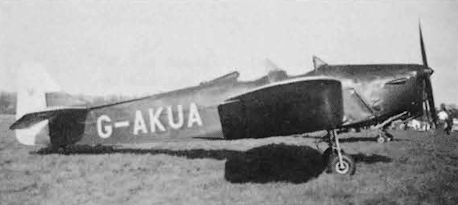
Регистрационный номер: G-AKUA G-AKUA wearing Fairey Aviation insignia on the rudder at Elstree 18.4.49.
-
Air-Britain Archive 1985-03 / 1 - Miles M.14A Magister /'Civvie street'/ (2)
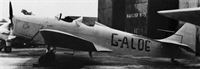
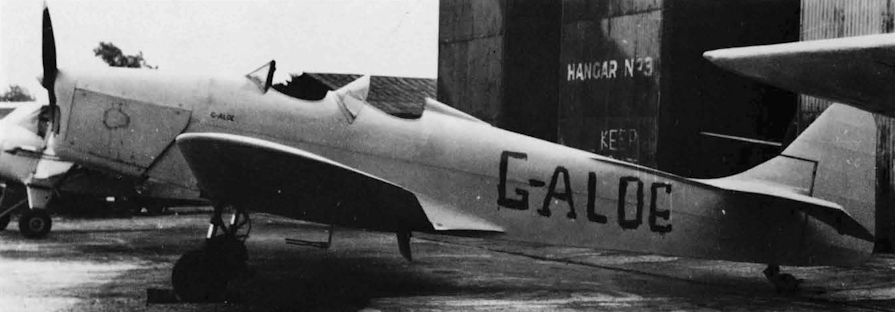
Регистрационный номер: G-ALOE A very crudely marked G-ALOE at Elstree on 6.9.50. The underwing registration appears to be in mirror-image! The aircraft was sold in Belgium later.
-
Air-Britain Archive 1985-03 / 1 - Miles M.14A Magister /'Civvie street'/ (2)
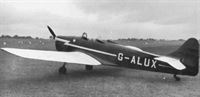
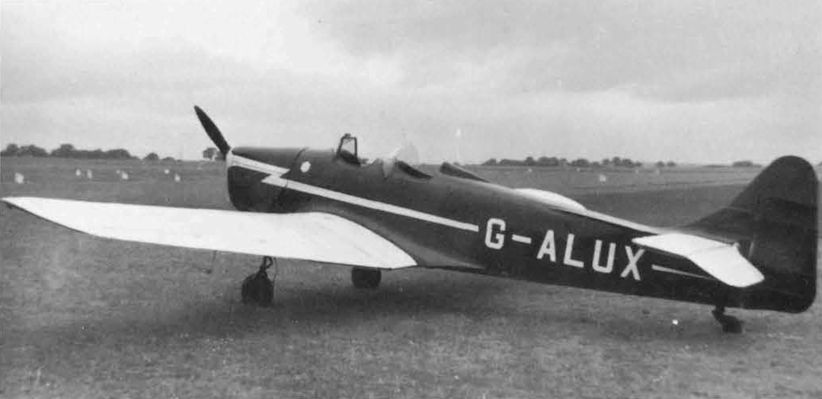
Регистрационный номер: G-ALUX [2] G-ALUX wearing a smart black and cream scheme with a dice motif ahead of the front cockpit. It was photographed at Newcastle on 1.7.61 by which time it was in the ownership of H.J. Pelham.
-
Air-Britain Archive 1985-04 / 1 - Miles M.14A Magister /'Civvie street'/ (3)
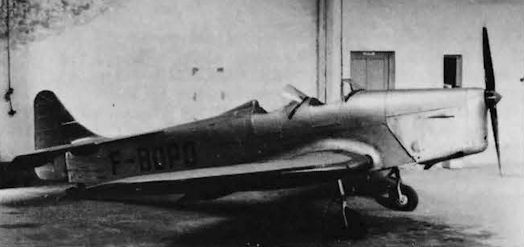
Регистрационный номер: F-BDPD [2], P6423 [2] F-BDPD at Berck-sur-Mer, probably in the early sixties since by 1965 it had become a roadside relic at Airaines.
-

Air-Britain Archive 1985-04 / 1 - Miles M.14A Magister /'Civvie street'/ (3)
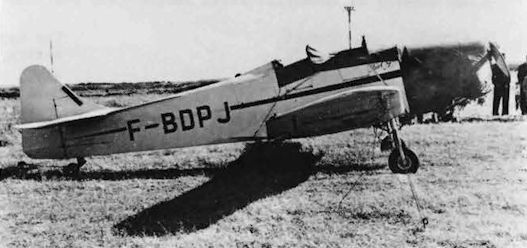
Регистрационный номер: F-BDPJ F-BDPJ wrapped up at Quiberon on 19.5.57.
-

Air-Britain Archive 1985-04 / 1 - Miles M.14A Magister /'Civvie street'/ (3)
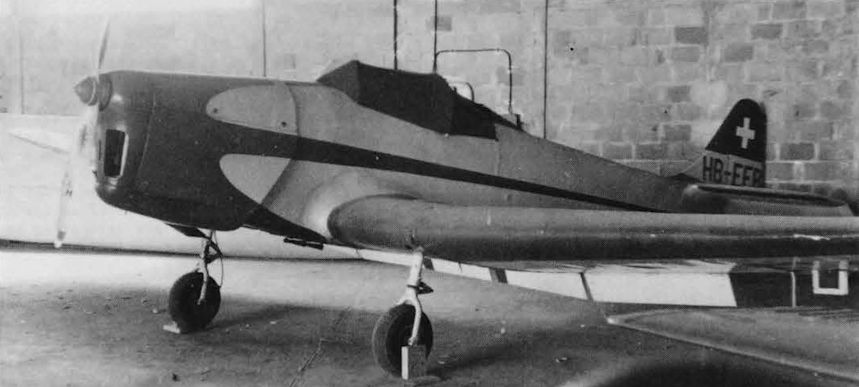
Регистрационный номер: HB-EEB HB-EEB whose c/n and serial are open to some doubt taken in 1968 when it was still active.
-
Air-Britain Archive 1986-04 / Feedback
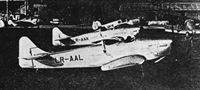
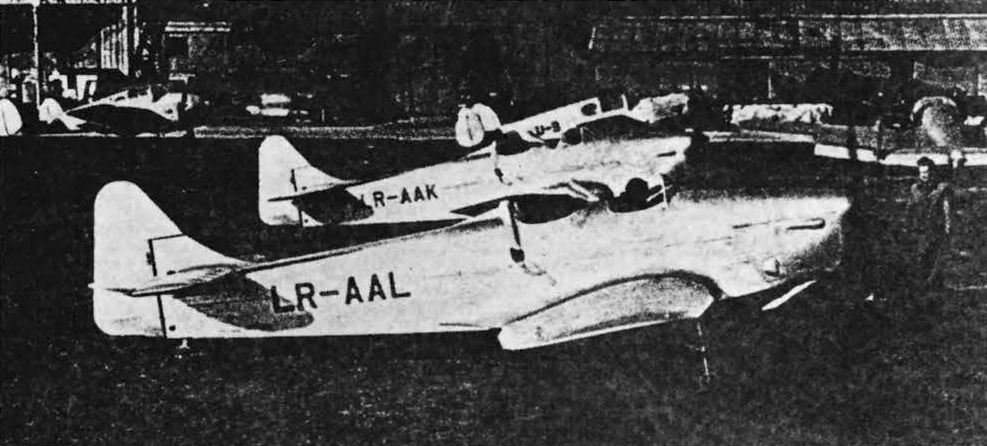
Регистрационный номер: LR-AAK, LR-AAL [2], OD-AAL [2] From Peter Amos, our Miles specialist, we were pleased to receive this copy of a photo showing Magisters LR-AAK and 'L at Woodley. On p.85/94 we noted that the CofA register quoted different marks but this photo proves that the registrations were used and it is likely to have been taken immediately prior to delivery. In the background is one of the U.9 Messengers after delivery from Newtownards.
Другие самолёты на фотографии: Miles Messenger M.38 / M.48 - Великобритания - 1942
-

Air-Britain Archive 1985-04 / 1 - Miles M.14A Magister /'Civvie street'/ (3)
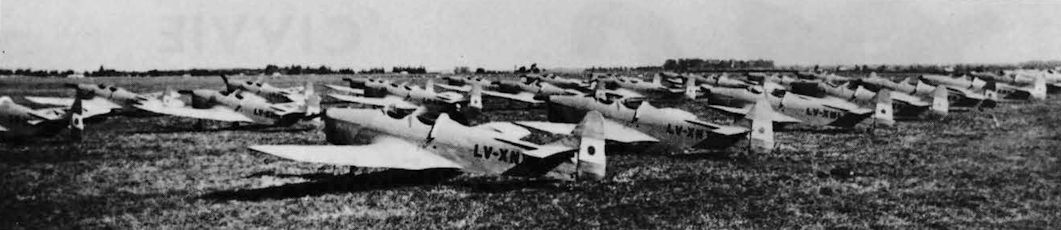
Регистрационный номер: LV-XMV, LV-XNJ, LV-XNL, LV-XNM, LV-XNN, LV-XNT, LV-XNU, LV-XNV Line up of Magisters at Padreco airfield prior to distribution to flying clubs. The row nearest the camera comprises LV-XNV, XNT, XNL, XNN, XNJ, XNM, while visible elsewhere are XNU and XMV.
-
Air-Britain Archive 1986-01 / Feedback
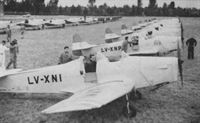
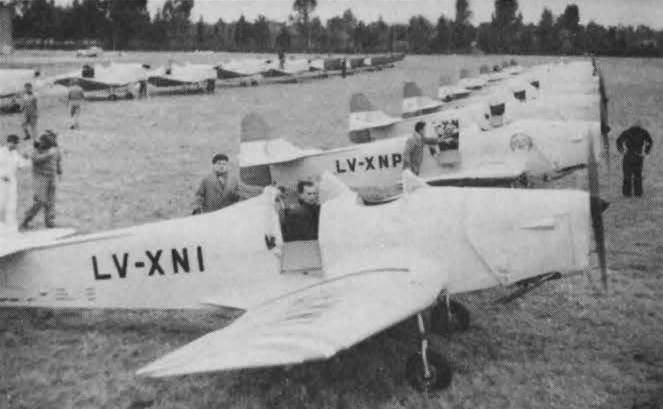
Регистрационный номер: LV-XNI, LV-XNP A post-delivery shot showing twenty Argentine Magisters in 1946, LV-XNI and LV-XNP in the foreground.
-
Air-Britain Archive 1985-04 / 1 - Miles M.14A Magister /'Civvie street'/ (3)
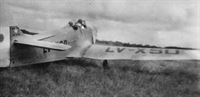
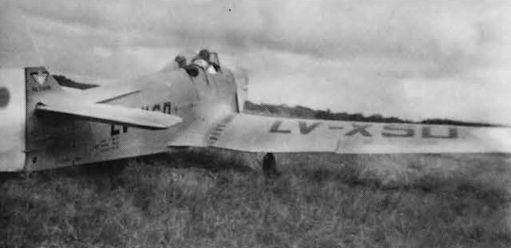
Регистрационный номер: LV-XSD LV-XSD c/n 2213 in more active condition.
-

Air-Britain Archive 1985-04 / 1 - Miles M.14A Magister /'Civvie street'/ (3)
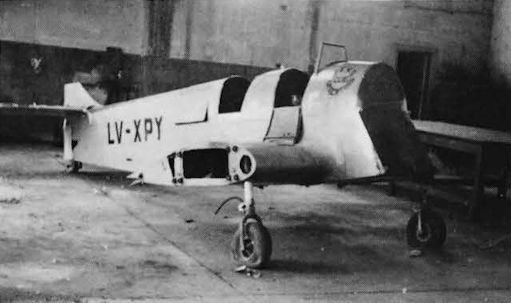
Регистрационный номер: LV-XPY As yet unidentified is LV-XPY, seen here in dismantled state but still wearing Aero Club del Argentina titles ahead of the front cockpit.
-
Air-Britain Archive 1985-04 / 1 - Miles M.14A Magister /'Civvie street'/ (3)
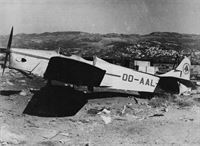
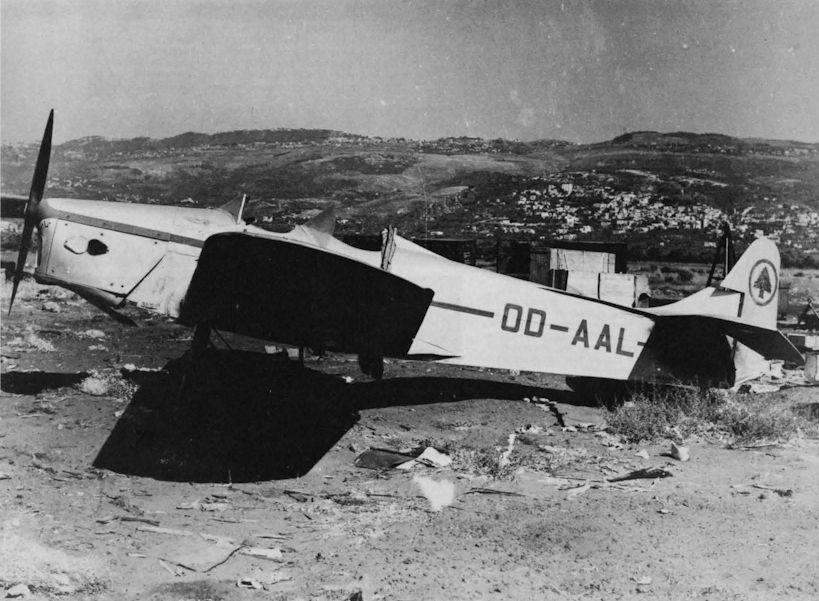
Регистрационный номер: OD-AAL [2], LR-AAL [2] Featured in our 'Civvie Street' series, Magister OD-AAL was sold to Middle East Airlines (as LR-AAL) in 1946. It had clearly been withdrawn from use by 8.5.56 when this photograph was taken at Beirut.
-

Air-Britain Archive 1985-04 / 1 - Miles M.14A Magister /'Civvie street'/ (3)
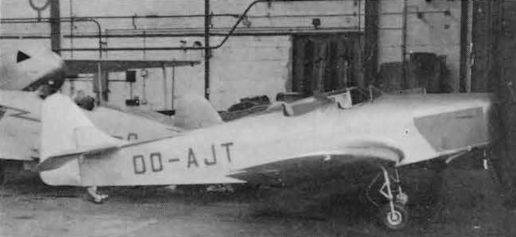
Регистрационный номер: G-ALUX [2], OO-AJT, G-ALUW OO-AJT c/n 1693 ex G-ALUW, presumably at Croydon before delivery ex-Rollasons in 1952. Another Magister behind appears to be G-ALUX.
-
Air-Britain Archive 1981-03 / Belgium (OO-) /Complete Civil Registers/ (1)
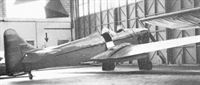
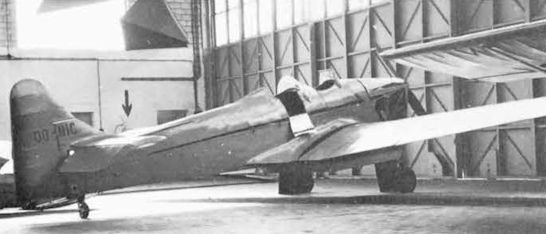
Регистрационный номер: OO-NIC [2], T9705 [2], T9800 [2] Miles M.14A Magister OO-NIC Ex T9705, Belgian TMR.50 and G.1. G.De Coster, Brussels; to G.Bertrand, Grimbergen; to De Meulemeister, Ghent; C of A expired 29.4.66 and wfu Ghent, eventually rescued and restored by Brussels Air Museum where exhibited as RAF T9800.
-
Air-Britain Archive 1985-04 / 1 - Miles M.14A Magister /'Civvie street'/ (3)
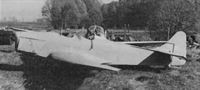
Регистрационный номер: OO-NIC [2], T9705 [2], T9800 [2] A better-known Belgian example, OO-NIC which we positively identified as c/n 2037 in our last episode, intact in the graveyard at Ghent.
-
Air-Britain Archive 1985-04 / 1 - Miles M.14A Magister /'Civvie street'/ (3)
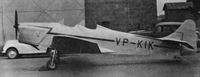
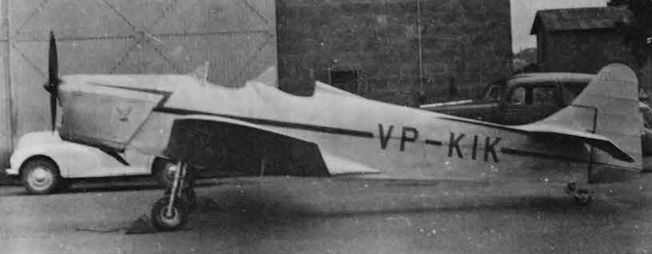
Регистрационный номер: VP-KIK, G-AKMJ, OO-CRU, ZS-DBF c/n 777 sold originally to J.E.Tomlinson as G-AKMJ then to South Africa as ZS-DBF. In its next guise as VP-KIK it was photographed at Nairobi West 9.7-55 just twelve months before its final sale to the Belgian Congo as OO-CRU.
-
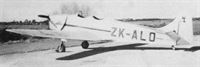
Air-Britain Archive 1983-04 / J.Geelen, R.Deerness - New Zealand (ZK-) /Complete Civil Registers/ (3)
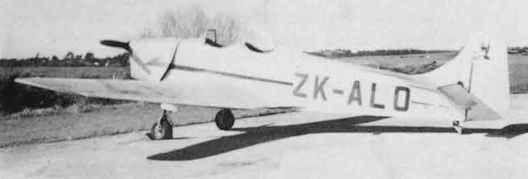
Регистрационный номер: ZK-ALO Hawk Trainer ZK-ALO complete with wolf motif at Mangere.
-

Air-Britain Archive 1984-02 / J.Geelen, R.Deerness - New Zealand (ZK-) /Complete Civil Registers/ (3)
Регистрационный номер: ZK-ANJ Wellington Aero Club had two ex-RAF Magisters in 1947 but both were short-lived. Seen here at Mangere is ZK-ANJ which lasted three years.
-
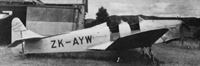
Air-Britain Archive 1986-02 / J.Geelen, R.Deerness - New Zealand (ZK-) /Complete Civil Registers/ (3)
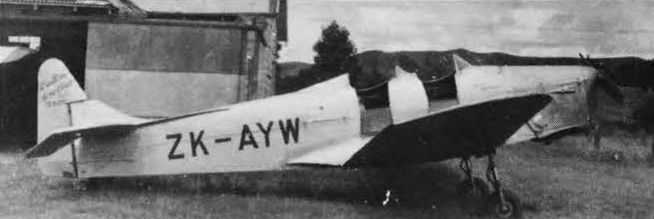
Регистрационный номер: ZK-AYW Magister ZK-AYW suitably inscribed with club titles at home at Te Kuiti in December 1959.
-
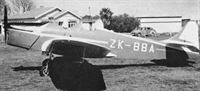
Air-Britain Archive 1986-04 / J.Geelen, R.Deerness - New Zealand (ZK-) /Complete Civil Registers/ (3)
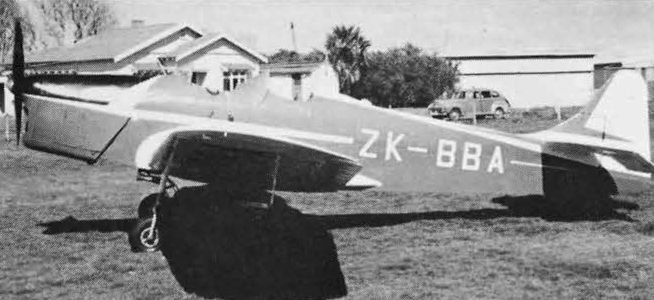
Регистрационный номер: ZK-BBA Magister ZK-BBA on a visit to Hamilton.
-
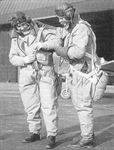
Air Enthusiast 2001-01 / R.Stitt - Midland Memories (1)
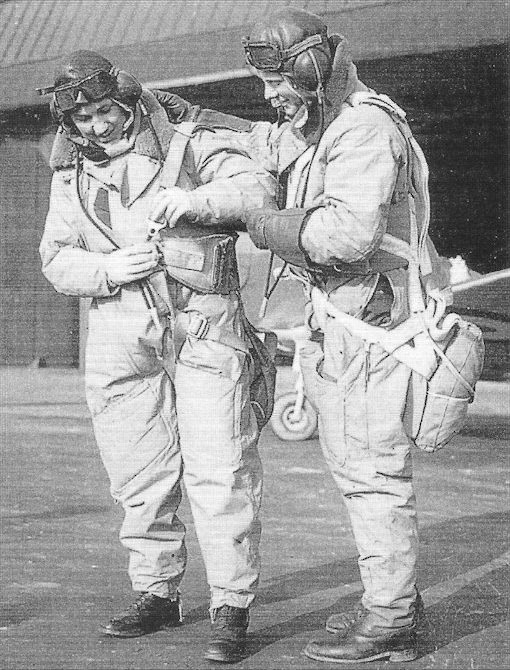
Two wartime trainees help one another prepare for their first solo flights in Miles Magisters, an example of which can just be seen to the rear
-
Air Enthusiast 1995-09 / C.Owers - Bulldog Breed
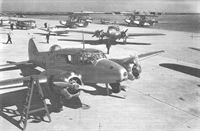
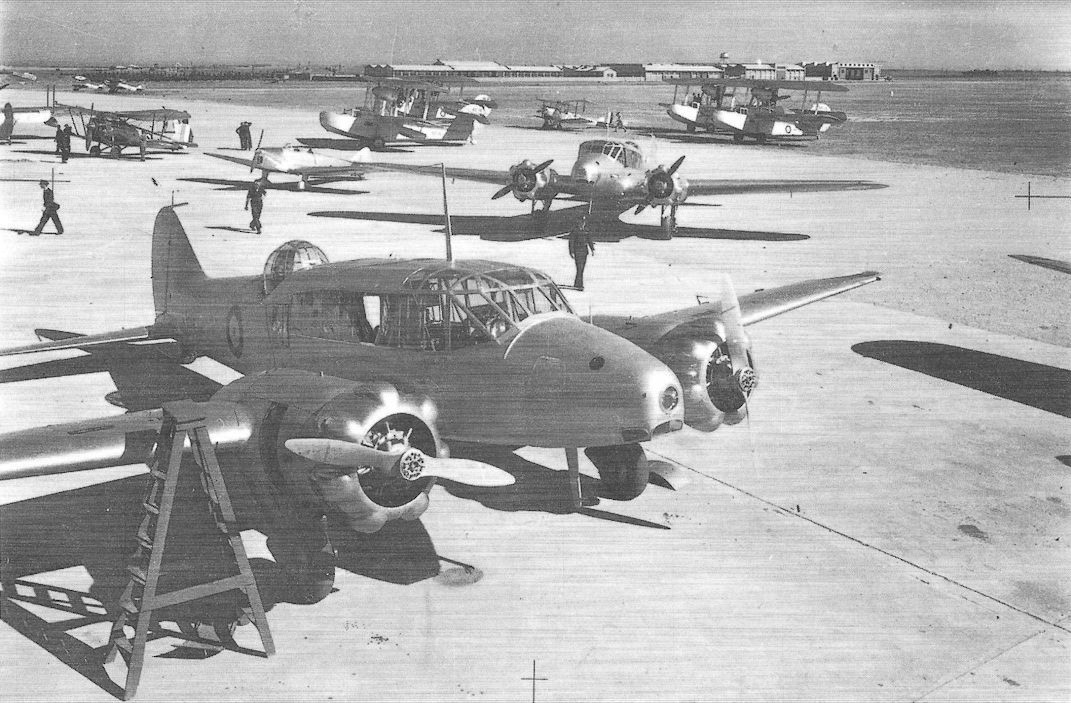
Laverton aerodrome circa 1939. Behind the Avro Ansons can be seen Supermarine Seagull V amphibians, the sole Miles Magister purchased for the RAAF, Bulldogs, a Moth and Demon.
Другие самолёты на фотографии: Avro Anson / Type 652 - Великобритания - 1935Bristol Bulldog - Великобритания - 1927De Havilland Gipsy Moth / Moth X - Великобритания - 1928Hawker Demon - Великобритания - 1932Supermarine Walrus/Seagull V - Великобритания - 1933
-

Aeroplane Monthly 1990-09 / P.Jarrett - Nothing ventured... (6)
Front view of the M.35 taken in June 1942. The aircraft in the background at right are Magisters, Masters, an Anson and a Blenheim.
Другие самолёты на фотографии: Avro Anson / Type 652 - Великобритания - 1935Bristol Blenheim - Великобритания - 1936Miles Libellula / M.35 - Великобритания - 1942Miles Master II M.19 / Master III M.27 - Великобритания - 1939
-
Aeroplane Monthly 1979-03 / R.Williams - Ensigns for the Empire (1)
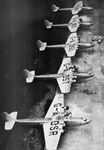
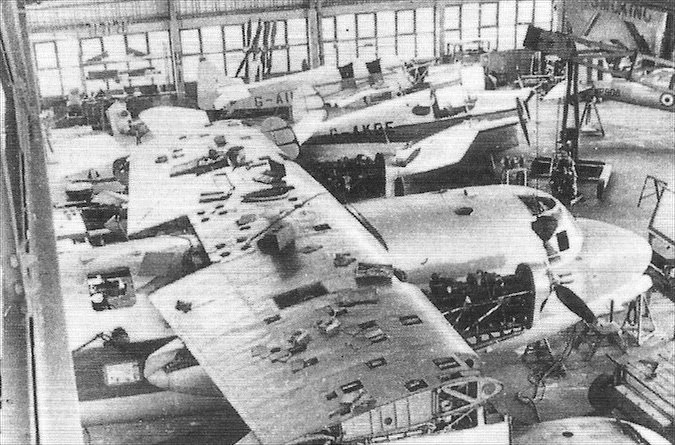
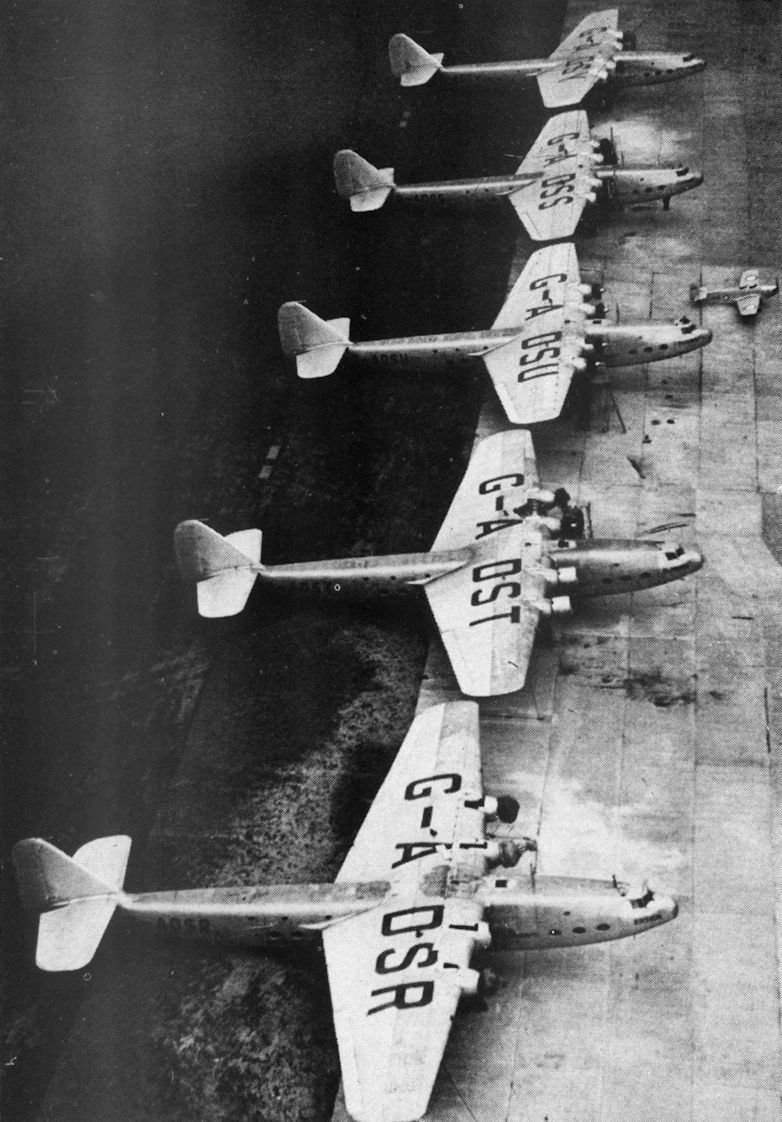
A Miles Magister lends scale to five Ensigns awaiting modification in 1939. Front to rear, Ensign, Elsinore, Euterpe, Egeria and Empyrean.
Другие самолёты на фотографии: Armstrong Whitworth Ensign / A.W.27 - Великобритания - 1938
-
Air-Britain Archive 1986-01 / Feedback
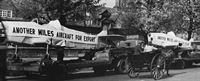
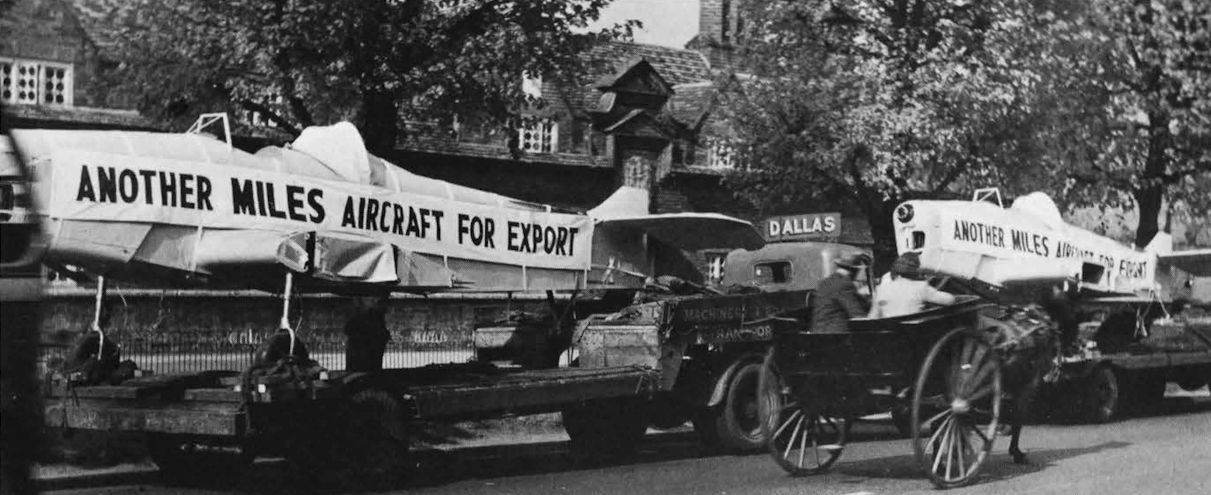
Publicising their contribution to the export drive, Miles trailered these Magisters destined for the Portuguese Army Air Force through the streets suitably bedecked in May 1946. It is noticeable that the aircraft were not sealed or fully protected for the journey.
-
Air Enthusiast 1997-01 / C.Owers - Comparative 'Maggie'
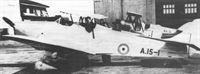
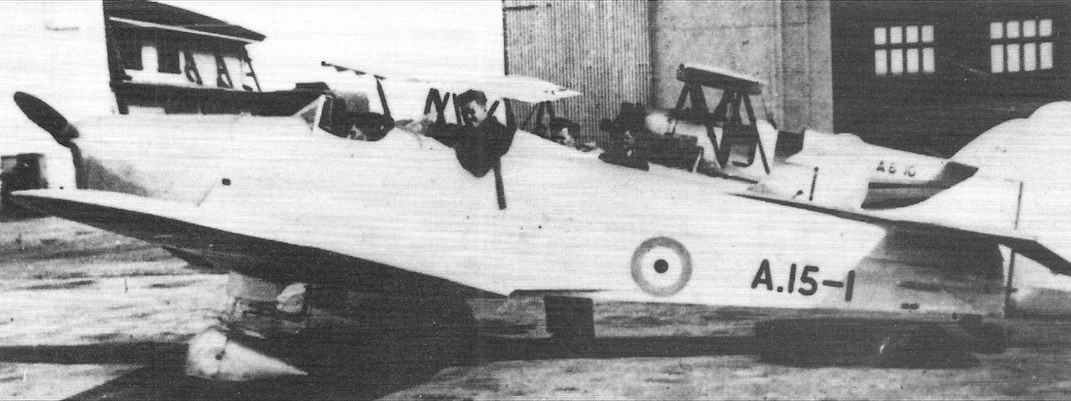
Регистрационный номер: A15-1 The Magister was never expected to be built in Australia but was to introduce the RAAF and CAC to the new type of trainer thought necessary for the emerging high powered service monoplanes then entering service. Avro Cadet Mk II in the background.
Другие самолёты на фотографии: Avro Cadet / Type 631/643 - Великобритания - 1932
-

Air Enthusiast 1997-01 / C.Owers - Comparative 'Maggie'
The clean lines of the Magister belied some handling problems.
-
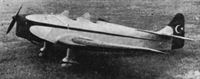
Air-Britain Archive 1999-04 / P.Amos, J.Meaden, O.Nikolajsen - The Miles Magister in Turkey
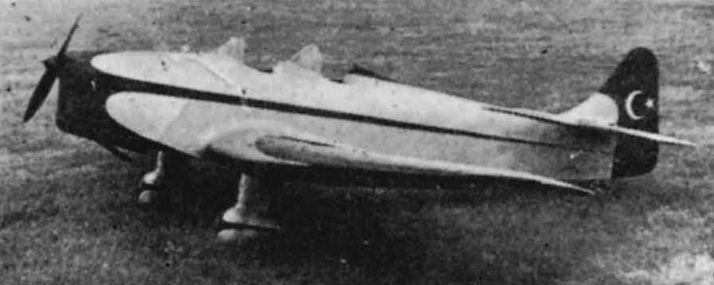
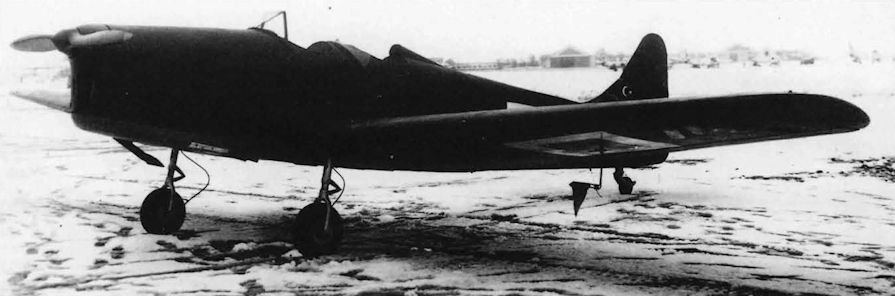
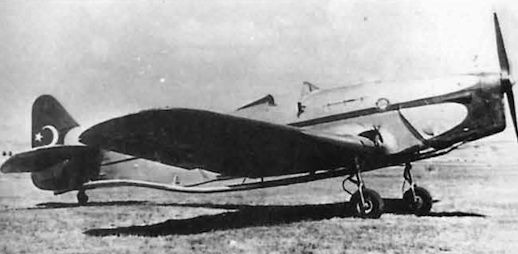
The sample aircraft supplied to Turkey, complete with spats, red and yellow colour scheme, red rudder with crescent and star.
-
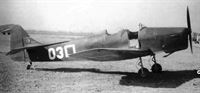
Air-Britain Archive 1999-04 / P.Amos, J.Meaden, O.Nikolajsen - The Miles Magister in Turkey
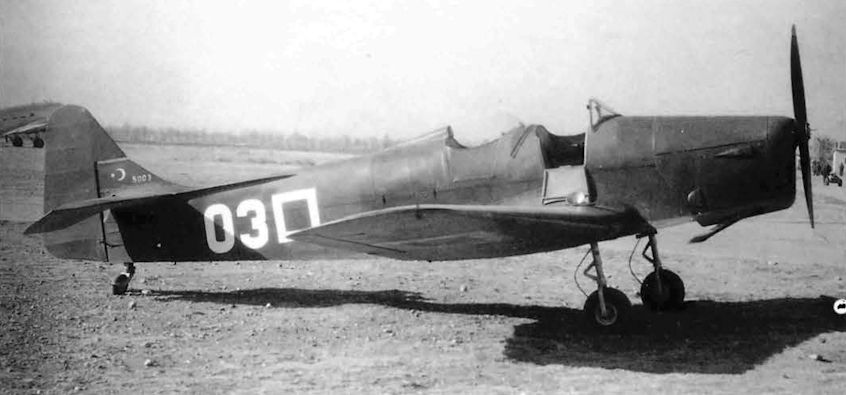
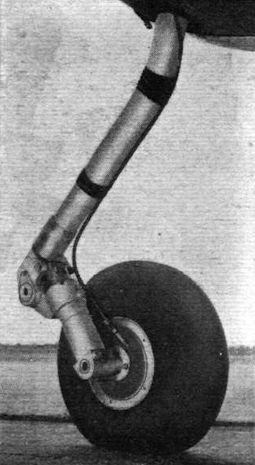
A THK Magister delivered to the TUAF in 1944, with serial 5003 on the fin just ahead of the small Turkish flag and the 'last two' of the serial 03 on the fuselage behind the Air Force insignia of a red square outlined in white. The cantilever undercarriage legs with Lockheed 'airdraulic' oleos stood up well to hard work, although here the starboard leg is a little low on pressure.
-
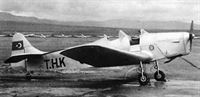
Air-Britain Archive 1999-04 / P.Amos, J.Meaden, O.Nikolajsen - The Miles Magister in Turkey
Регистрационный номер: THK-59 THK.59 standing chocked-up ready for the next sortie with the Flying School at Etimesgut. On the far side of the airfield are C-47s of the TuAF Transport Regiment which was also based there.
One of the 100 Miles M.14A Magisters constructed under licence by the Turkish Air League (THK), where, as Vaclav Nemecek points out, aircraft design was under the direction of Polish refugees.Другие самолёты на фотографии: Douglas DC-3 / C-47 Skytrain/С-53 Skytrooper / Dakota - США - 1935
-
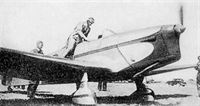
Air-Britain Archive 1995-02 / The Miles Magister in Turkey (1)
One of tne first Magisters in Turkey at the Eighth Turkish Congress. It has leg fairings and spats and an unusual paint scheme.
-
Air-Britain Archive 1999-04 / P.Amos, J.Meaden, O.Nikolajsen - The Miles Magister in Turkey
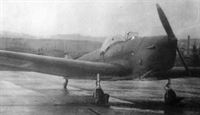
A rare shot of a KTF-built Magister with the KTF logo on the tailfin above the white serial number. The blind flying hood is closed.
-
Air-Britain Archive 1999-04 / P.Amos, J.Meaden, O.Nikolajsen - The Miles Magister in Turkey
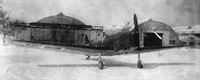
Finished KTF Magister No.3618 in front of the factory hangars. It has a full red rudder like all the KTF production.
-
Air-Britain Archive 1999-04 / P.Amos, J.Meaden, O.Nikolajsen - The Miles Magister in Turkey
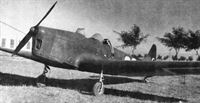
An unidentified KTF Magister (red rudder) of the T.A.F. It is absolutely identical to the Miles Magister of the RAF down to the smallest detail, including the instrument flying hood in the stowed position behind the rear cockpit.
-
Air-Britain Archive 1999-04 / P.Amos, J.Meaden, O.Nikolajsen - The Miles Magister in Turkey
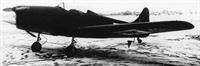
Magister 3574, identified as one of the 76 delivered 1941-43 from RAF stocks - note the small flag on the tail fin. Photo dates from 1954-56 as the F-86s visible behind were withdrawn in 1957.
Другие самолёты на фотографии: North American F-86 Sabre - США - 1947
-
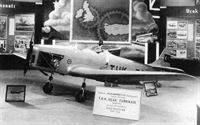
Air-Britain Archive 1997-02 / The Miles Magister in Turkey (2)
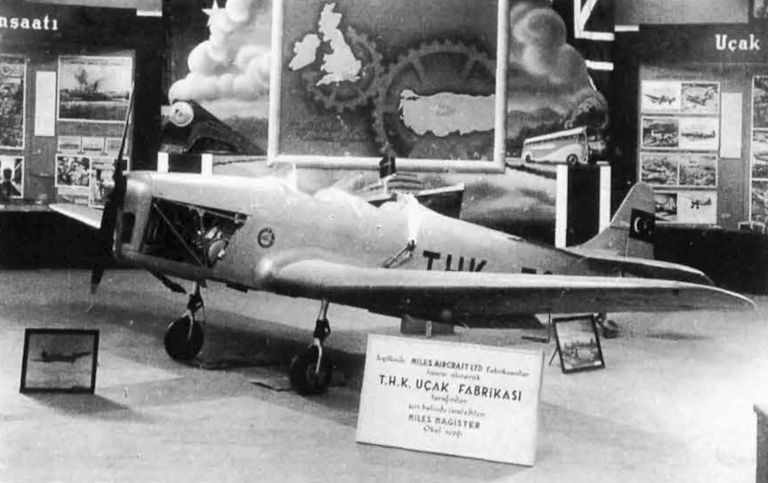
The British Embassy Mobile Exhibition in Turkey 1945.
-
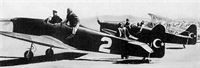
Air-Britain Archive 1995-02 / The Miles Magister in Turkey (1)
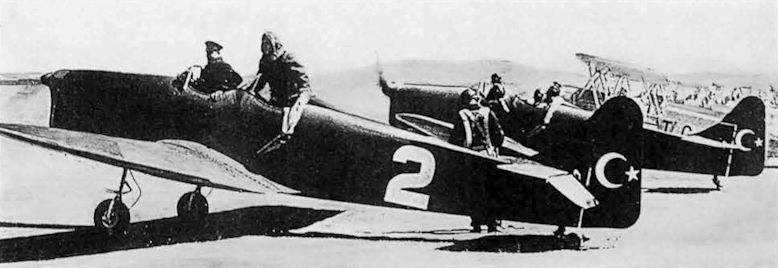
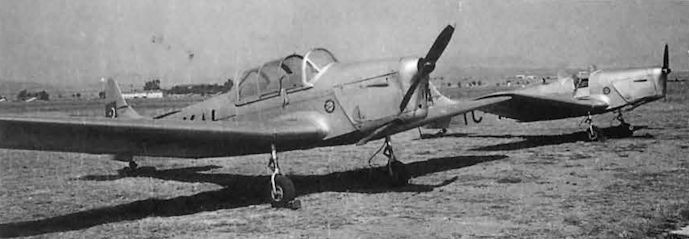
Two of the first Turkish Magisters in use for training, no.2 nearest. In the background are the school's Focke Wulf Fw 44 Stieglitz trainers with civil TC registrations.
Другие самолёты на фотографии: Focke-Wulf FW.44 Steiglitz - Германия - 1932
-
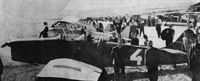
Air-Britain Archive 1999-04 / P.Amos, J.Meaden, O.Nikolajsen - The Miles Magister in Turkey
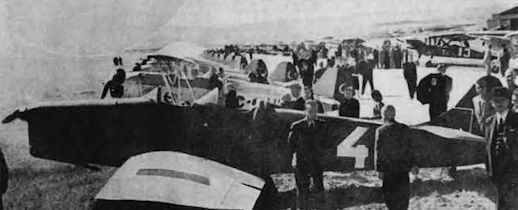
Presentation of the first Magisters in 1942 at an airshow held by THK at Etimesgut airfield included 3604 in the foreground with FW 44Js and Hanriot H.182 trainers behind.
Другие самолёты на фотографии: Focke-Wulf FW.44 Steiglitz - Германия - 1932Hanriot H.170 / H.180 / H.190 - Франция - 1934
-
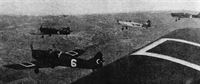
Air-Britain Archive 1999-04 / P.Amos, J.Meaden, O.Nikolajsen - The Miles Magister in Turkey
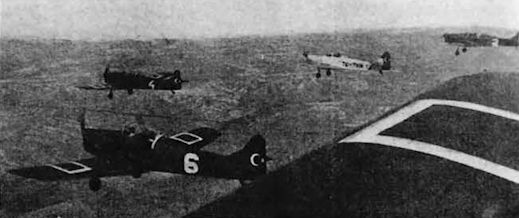
Formation flight from a KTF Magister in 1942 with three military examples 3602, 3604, 3606 in camouflage and one of the four civilianised examples TC-THK-13 in silver.
-
Air-Britain Archive 1999-04 / P.Amos, J.Meaden, O.Nikolajsen - The Miles Magister in Turkey
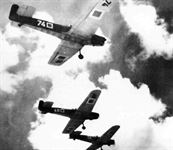
Three ex-RAF Magisters of the TuAF, serials 3574, 3548 and 3558 flying echelon formation stepped down.
-
Air-Britain Archive 1999-04 / P.Amos, J.Meaden, O.Nikolajsen - The Miles Magister in Turkey
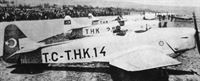
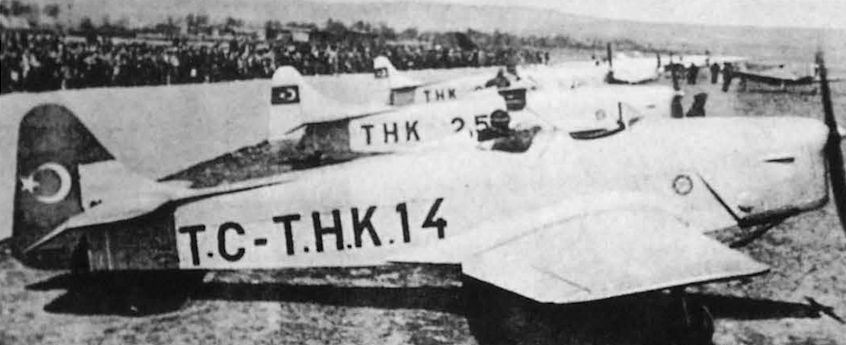
Регистрационный номер: THK-14, THK-25 A line of THK Magisters at the annual airshow at Etimesgut, probably in 1945. In the foreground is KTF-built ex-Army THK.14 still with its red rudder and behind it is THK-built THK.25 with the small national flag on the rudder and no TC- prefix.
-
Air-Britain Archive 1999-04 / P.Amos, J.Meaden, O.Nikolajsen - The Miles Magister in Turkey
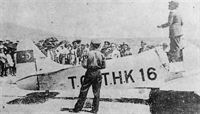
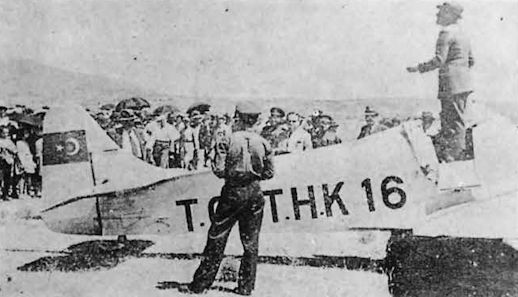
Регистрационный номер: THK-16 KTF-built THK-16 after repainting in the post-1944 THK scheme with a small flag on the rudder. In the rear cockpit an official is standing to make a promotional speech about the THK
-
Air-Britain Archive 1999-04 / P.Amos, J.Meaden, O.Nikolajsen - The Miles Magister in Turkey
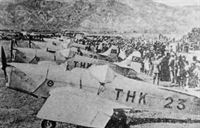
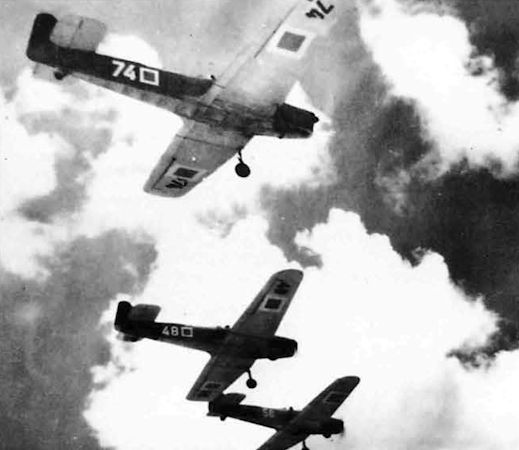
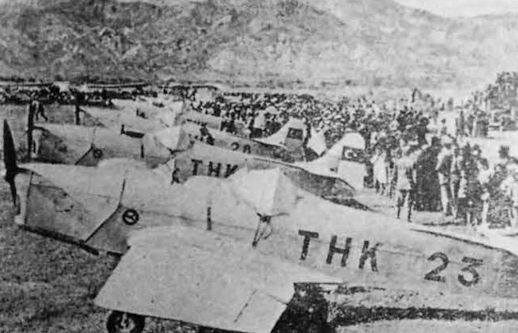
Регистрационный номер: THK-23 The Magister played a major role in the late fourties in promoting civil aviation in Turkey. The THK flew formations all over the country, as seen here, to raise public awareness and interest.
-
Air-Britain Archive 1999-04 / P.Amos, J.Meaden, O.Nikolajsen - The Miles Magister in Turkey
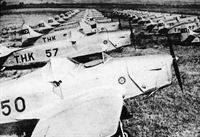
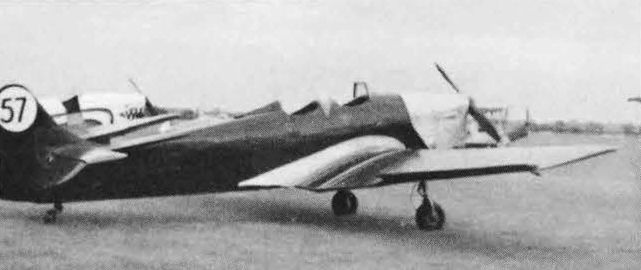
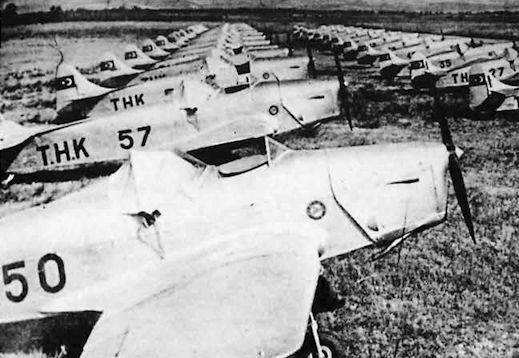
Регистрационный номер: THK-50, THK-57 A line-up of about half of the Magisters in service with THK at Etimesgut, at least 27 aircraft can be counted, all with blind-flying hoods closed - perhaps as a means of keeping the rear cockpit cool on the ground in summer.
-
Air-Britain Archive 1995-02 / The Miles Magister in Turkey (1)
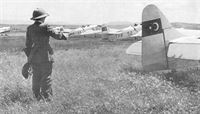
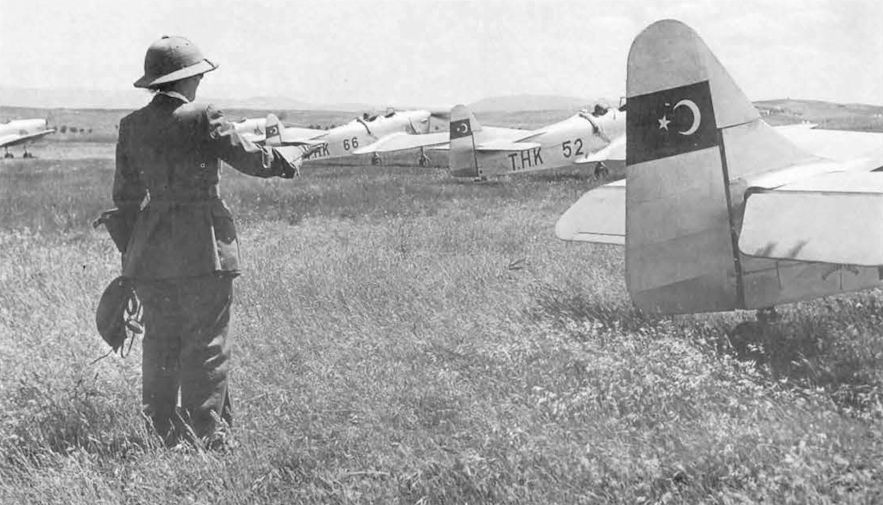
Регистрационный номер: THK-52, THK-66 Sabiha Gokcen, THK Chief Flying Instructor, seeing off student pilots, most flying solo, in Magisters from Etimesut airfield near Ankara.
-
Air-Britain Archive 1999-04 / P.Amos, J.Meaden, O.Nikolajsen - The Miles Magister in Turkey
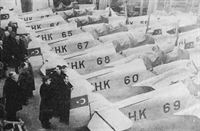
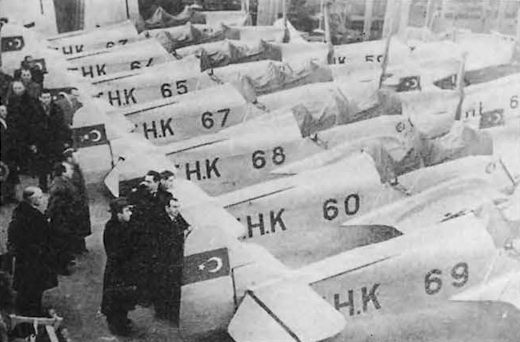
Регистрационный номер: THK-60, THK-65, THK-67, THK-68, THK-69 Some of the last batch of THK Magisters being shown to a DH delegation on a visit near the time that the engine factory at Ankara was under negotiation.
-
Air-Britain Archive 1999-04 / P.Amos, J.Meaden, O.Nikolajsen - The Miles Magister in Turkey
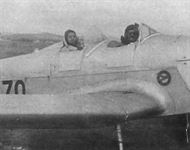
A large number of THK pilot trainees are women, which often surprises European observers, but the first Turkish female military pilot was trained in 1933 and the first female military jet pilots in 1953
-
Air-Britain Archive 1999-04 / P.Amos, J.Meaden, O.Nikolajsen - The Miles Magister in Turkey
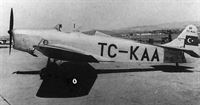
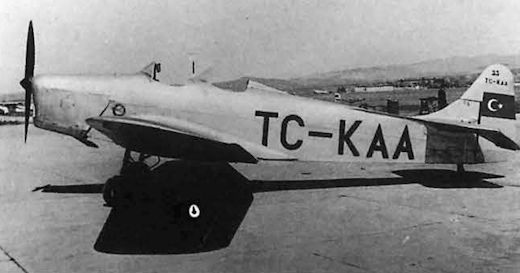
Регистрационный номер: TC-KAA TC-KAA, formerly THK.55, was one of the surviving THK Magisters on the new Turkish civil register which it entered in October 1958.
-
Air-Britain Archive 1999-04 / P.Amos, J.Meaden, O.Nikolajsen - The Miles Magister in Turkey
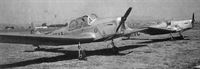
Регистрационный номер: TC-KAJ THK Magister 5035 was modified with an enclosed cockpit in the course of development of the Ugur. It retained this feature when it reverted to THK use, becoming TC-KAI and is seen here as such next to a standard Magister registered TC-KAJ (5070).
Другие самолёты на фотографии: MKEK MKEK-4 Ugur / THK-15 - Турция - 1955
-
Air-Britain Archive 1999-04 / P.Amos, J.Meaden, O.Nikolajsen - The Miles Magister in Turkey
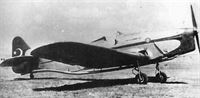
The pattern aircraft after conversion to a single-seat sprayer. It retains its original colour scheme but now wears a THK logo on the nose. In both the single-seat Magisters the front cockpit with spray tank fitted was covered over and the front windscreen was transferred to the rear cockpit.
An early Turkish Magister converted as a single-seat anti-malaria DDT sprayer with long underside exhaust pipe extension. The unusual paint scheme suggests it may be a conversion of the aircraft shown above. -
Air-Britain Archive 1999-04 / P.Amos, J.Meaden, O.Nikolajsen - The Miles Magister in Turkey
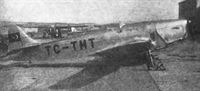
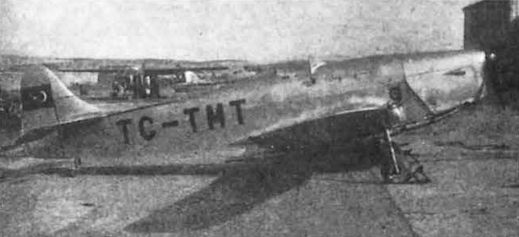
Регистрационный номер: TC-TMT The first THK Magister, serial 5001 after conversion to a sprayer as TC-TMT. In comparison with the other conversion it had a shorter exhaust/spray pipe which ended just behind the wing.
-
Air-Britain Archive 1999-04 / P.Amos, J.Meaden, O.Nikolajsen - The Miles Magister in Turkey
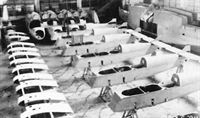
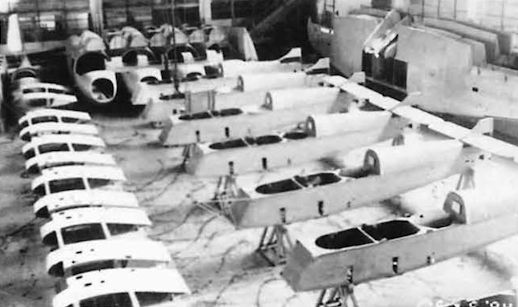
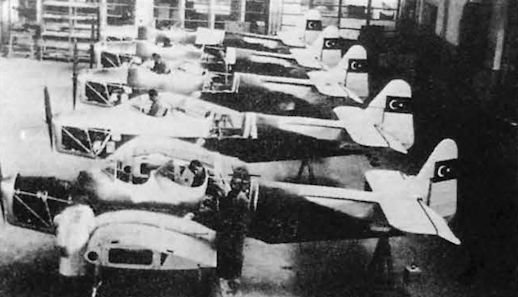
Construction by THK at Etimesgut. Left are the spar-joined wing centre sections containing the left and right side 10.5 gal fuel tanks. At the back are fuselages of the THK.5 twin with their wings on the right.
-
Air-Britain Archive 1999-04 / P.Amos, J.Meaden, O.Nikolajsen - The Miles Magister in Turkey
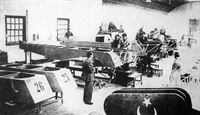
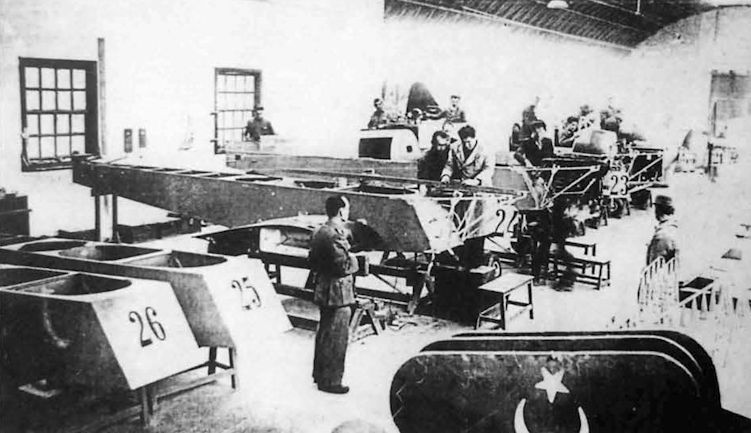
Building Magisters at KTF with a pattern airframe near this end between Nos. 24 and 25, probably in 1942. Fuselage frames 21 to 26 can be seen with three rudders foreground and wing structures behind.
-
Air-Britain Archive 1999-04 / P.Amos, J.Meaden, O.Nikolajsen - The Miles Magister in Turkey
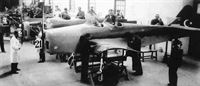
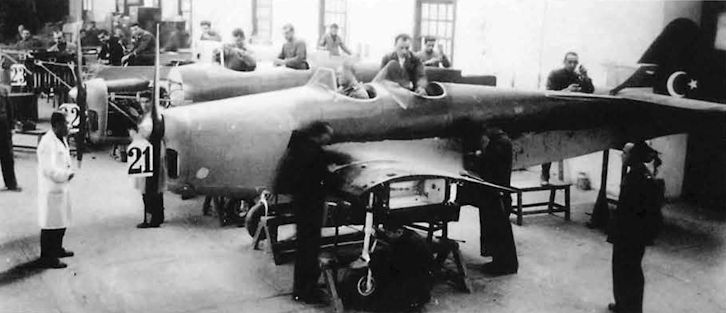
The same Magisters as on the previous page at KTF seen later from the other end of the line. They are in the last stage before final assembly when they will be pushed out on their own wheels and the completed mainplanes fitted.
-
Air-Britain Archive 1999-04 / P.Amos, J.Meaden, O.Nikolajsen - The Miles Magister in Turkey
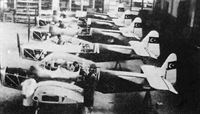
Magisters at THK in the last stage before final assembly. Numbered 35 to 39 (in foreground), all are being worked on at the same time and so are roughly at the same stage of completion.
-
История Авиации 31 / В.Морозов - Авиация Эстонии /Наши соседи/ (1)
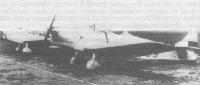
Следом за "французской эрой" в авиации Эстонии наступила "английская". На снимке "Майлс-Магистер"
-

-

Flight 1940-01 / Flight
EGYPTIAN MAGISTERS: Saleh Harb Pacha (centre in dark suit), the Egyptian Minister of National Defence, recently inspected a consignment of Miles Magisters for the Egyptian Air Force and a number of newly qualified flying officers, to whom he presented certificates.
-
Flight 1941-06 / Flight
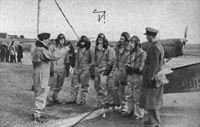
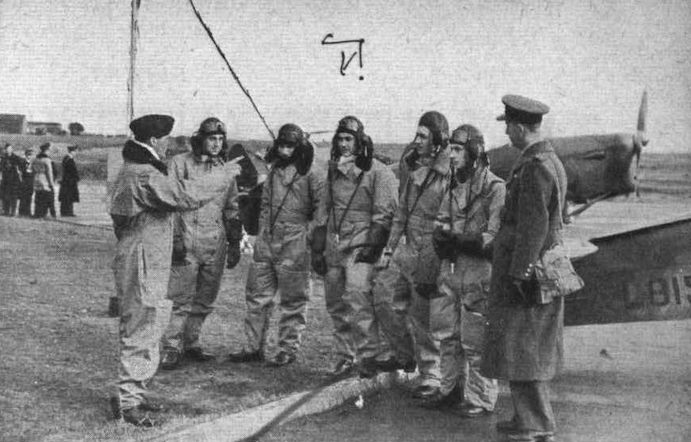
AB INITIO: An R.A.F. instructor gives a group of Belgian pupils a final word before taking the air. The nose of a "Maggie" can be seen in the background.
-

Air Enthusiast 1972-06 / In print
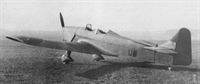
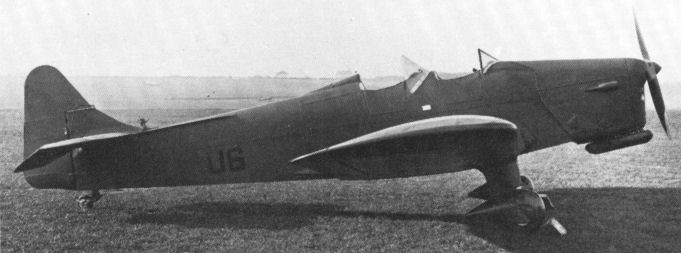
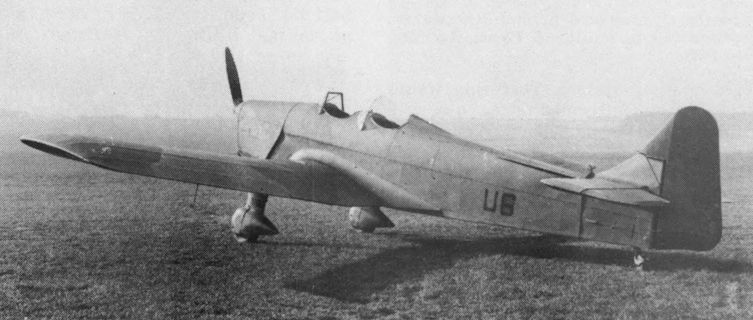
Регистрационный номер: G-AEZS [2] The Miles Magister shown here was fitted experimentally with a thick-section wing in the course of development of the Miles M.18. Originally registered G-AEZS, it bore the Miles Class B marking U6 during the period of its use as a prototype but later reverted to standard form for use as a company "hack".
-
Aeroplane Monthly 1980-03 / G.Johnson - Miles M.14 Magister /RAF Piston Trainers/ (7)
Регистрационный номер: G-AEZS [2] Hawk Trainer III G-AEZS as U6, while fitted with the thick-sectioned M.18 wing.
-
Aeroplane Monthly 1980-03 / G.Johnson - Miles M.14 Magister /RAF Piston Trainers/ (7)
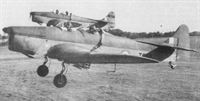
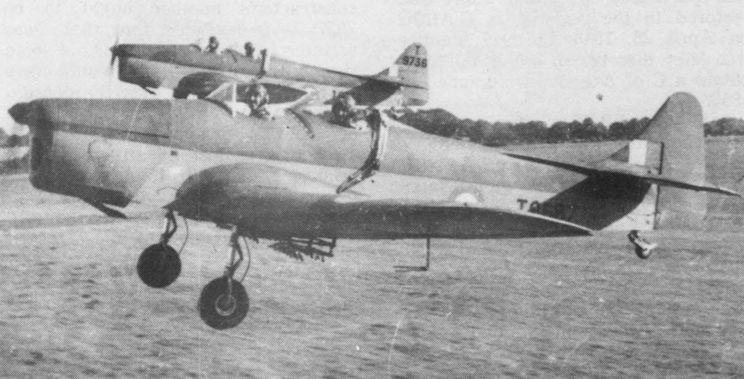
Регистрационный номер: T9687, T9736 “Maggibomber” T9687 in company with T9736.
-
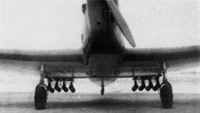
Aeroplane Monthly 1980-03 / G.Johnson - Miles M.14 Magister /RAF Piston Trainers/ (7)
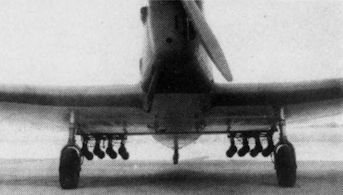
One of 16 "Maggibombers" produced in mid-1940.
-

Flight 1937-06 / Flight
Under the shining "bonnet" of the Miles Magister is a De Havilland Gipsy Major engine.
-
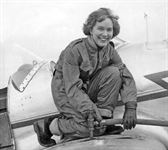
Aviation Historian 22 / R.Riding, A.Stephenson - What a woman! Janet Ferguson: ferry pilot extraordinare
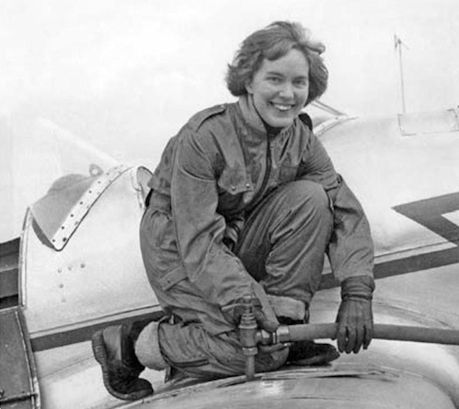
It was at Denham that Janet worked initially as a secretary, also helping with refuelling, as seen here in 1952, before becoming an assistant flying instructor, and ultimately fully-rated instructor.
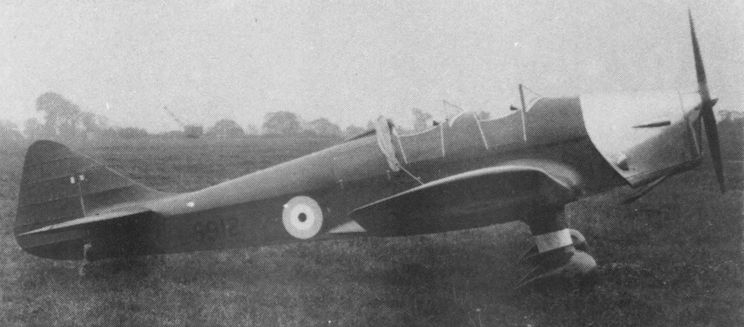
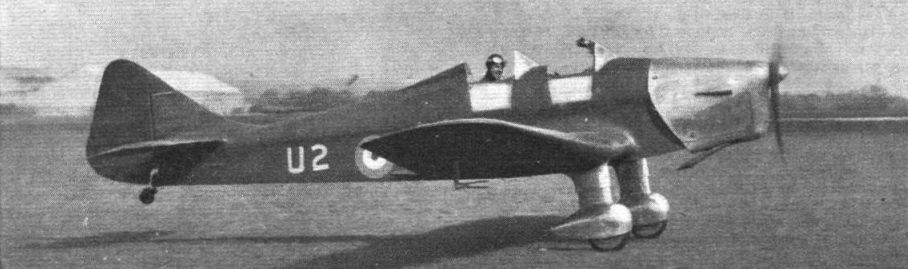




























-

Aeroplane Monthly 1981-07 / Miles M.14A Magister P6382 /Preservation Profile/
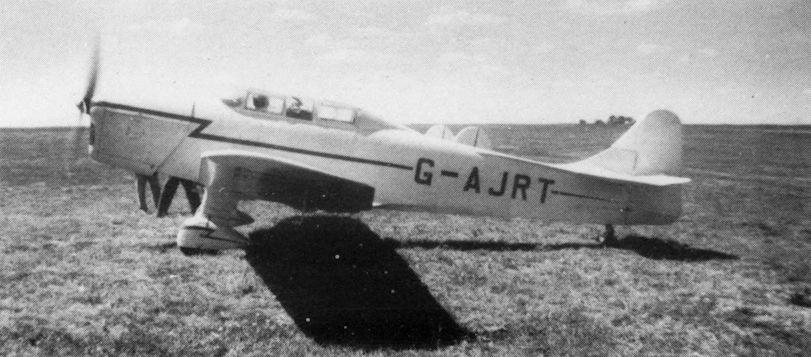
Регистрационный номер: G-AJRT [3] -
Air-Britain Archive 1994-04 / The Tandem-canopy Magisters /Fact file/ (5)
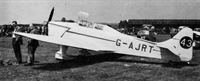
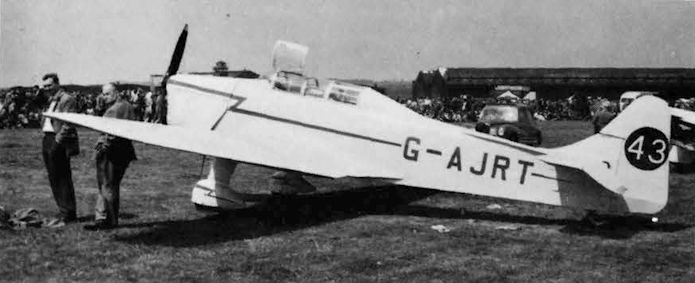
Регистрационный номер: G-AJRT [3] G-AJRT at a race meeting bearing "Johnny" Johnston's racing number 43. They finished third in the King's Cup of 1953 at 140 mph.
-
Air-Britain Archive 1994-04 / The Tandem-canopy Magisters /Fact file/ (5)
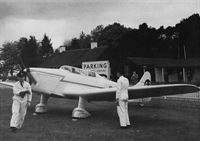
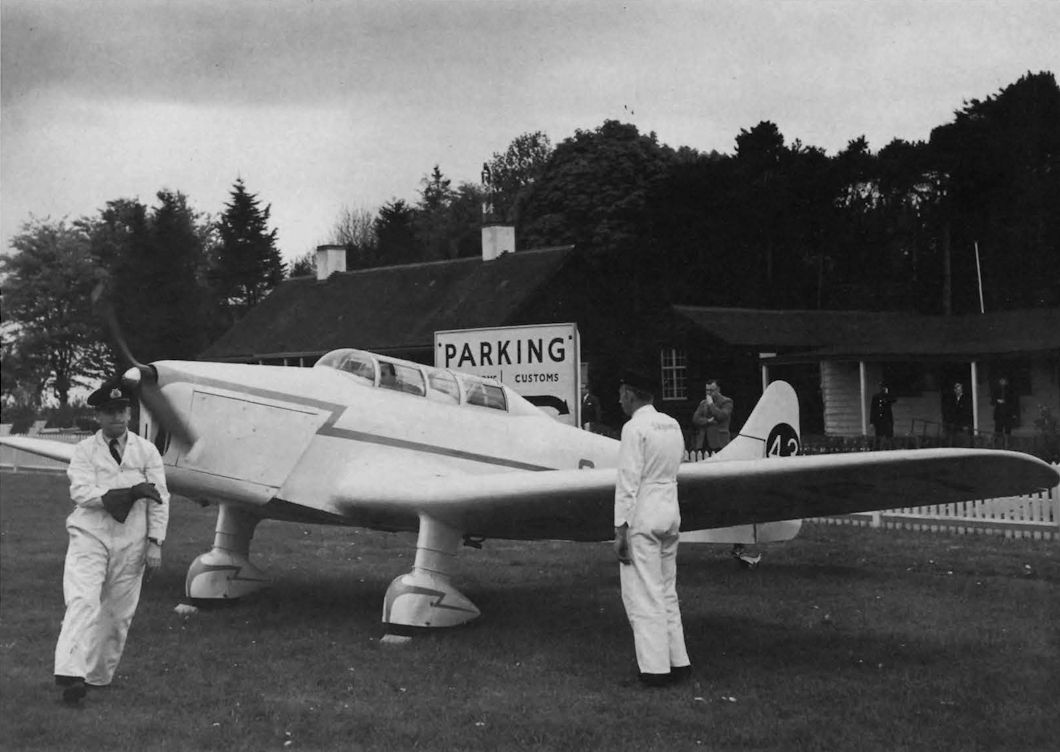
Регистрационный номер: G-AJRT [3] G-AJRT, race number 43, with chocks in position, has its propeller swung for starting by a Skyways engineer with well-gloved swinging hand, in 1956.
-
Air-Britain Archive 1985-03 / 1 - Miles M.14A Magister /'Civvie street'/ (2)
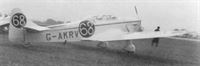
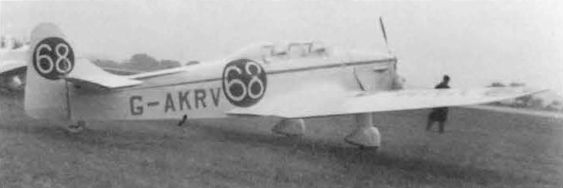
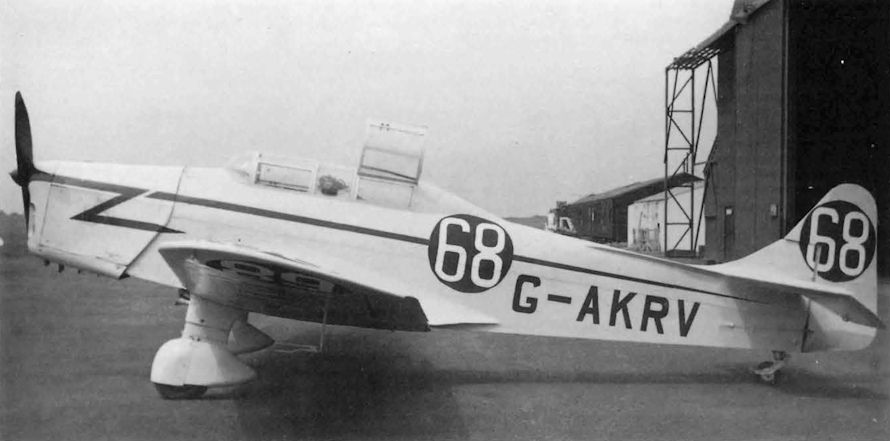
Регистрационный номер: G-AKRV [5] G-AKRV was modified with this enclosed cockpit when on wartime communications duties. In 1950 it won the King's Cup air race and although no National Air Races were held in 1951 it was still in racing trim when seen at Hatfield on 23.6.51.
-
Air-Britain Archive 1994-04 / The Tandem-canopy Magisters /Fact file/ (5)
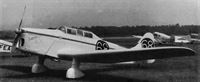
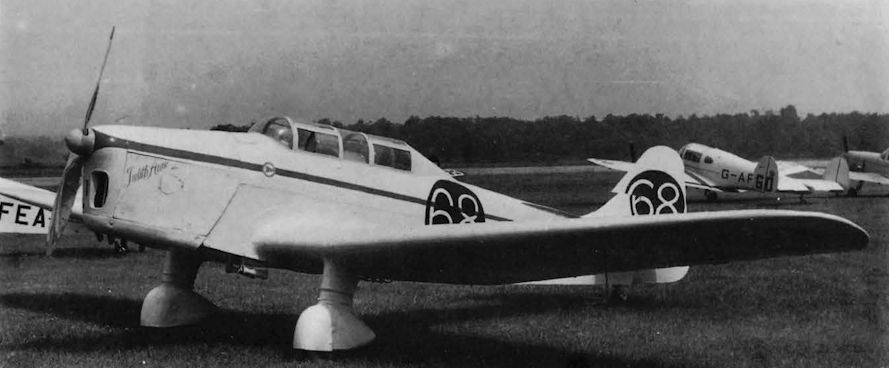
Регистрационный номер: G-AKRV [5] Winner of the King's Cup at Wolverhampton in 1950 flown by Edward Day, G-AKRV "Judith Anne" was fitted with a metal propeller and stub exhausts for racing.
-
Air-Britain Archive 1994-04 / The Tandem-canopy Magisters /Fact file/ (5)
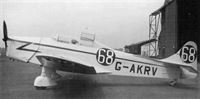
Регистрационный номер: G-AKRV [5] G-AKRV with wood propeller, stub exhausts and racing number 68 as flown by M.R.T. Chandler, was a former Air Transport Auxiliary aircraft.
-
Air-Britain Archive 1994-04 / The Tandem-canopy Magisters /Fact file/ (5)
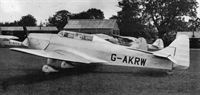
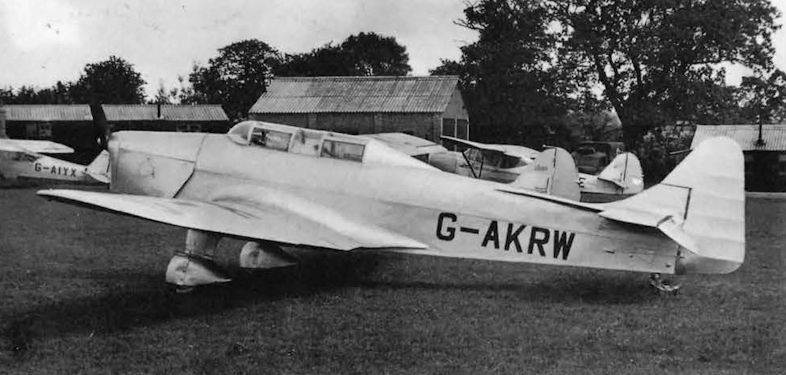
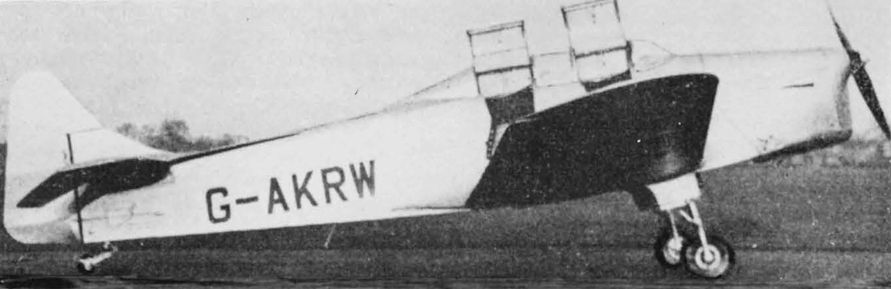
Регистрационный номер: G-AKRW [2] Magister G-AKRW showing off its tandem canopy and spats at Panshanger in 1948, having been struck off RAF charge earlier in the same year.
-
Air-Britain Archive 1994-04 / The Tandem-canopy Magisters /Fact file/ (5)
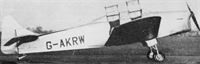
Регистрационный номер: G-AKRW [2] G-AKRW, with spats removed and both hoods open, at a late stage in its career.
-
Air-Britain Archive 1994-04 / The Tandem-canopy Magisters /Fact file/ (5)
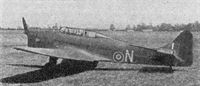
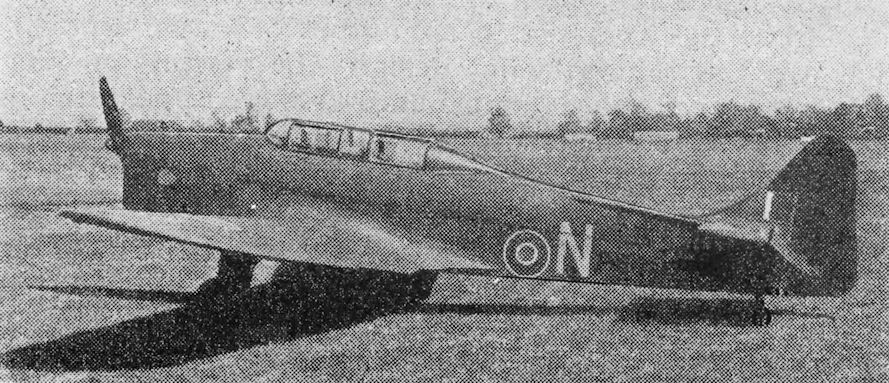
Регистрационный номер: P6407, G-AKJV The only known photograph of P6407 'N', seen in RAF service with sliding hoods. it was later to become G-AKJV and was burnt at Redhill 5.54 following an earlier accident.
-

-

Flight 1938-04 / Flight
Mr. J. Gadd, of Cirrus, inspects a Major 150 installed in a Miles Magister.
-
Flight 1938-03 / Flight
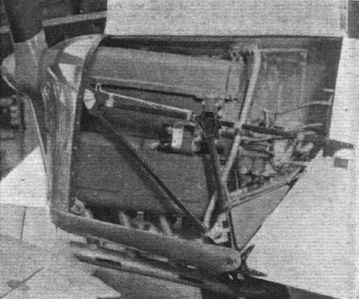
CIRRUS-MAGISTER: The first few of a batch of Cirrus Major 150 engines have been installed in Miles Magisters and encouraging results obtained. Externally, the new Cirrus combined manifold and exhaust pipe are apparent.
-

Авиация и Время 1996-02 / В.Нескороженный - Его года - его богатство /Домашний авиамузей/
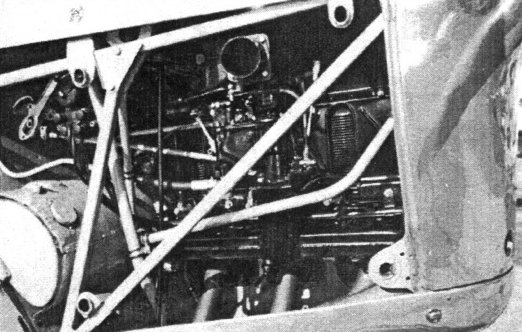
Раскапотированный двигатель
-

-

Flight 1939-03 / Flight Advertisements
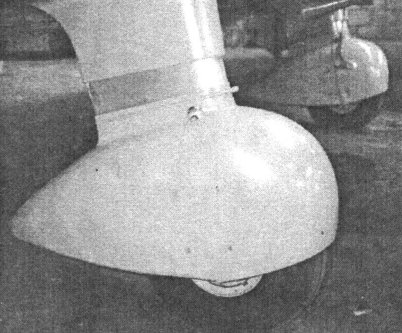
DOWTY SHOCK ABSORBER WHEEL fitted to a Miles Magister monoplane.
-



-

Aeroplane Monthly 1984-01 / L.Coombs - Cockpits of the RAF (4)
The open rear cockpit of a Miles Magister.
-

Авиация и Время 1996-02 / В.Нескороженный - Его года - его богатство /Домашний авиамузей/
Передняя и задняя кабины пилотов
-

Flight 1939-09 / Flight
Very complete instrument duplication is a feature of the Miles Magister Trainer. The control on the right, matching the throttle on the left, is that for fore and aft trim.


-
Aeroplane Monthly 2000-12 / News
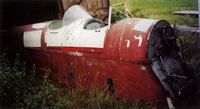
Регистрационный номер: G-AIUA [3], T9768 [3] MILES MAGISTER T9768/G-AIUA, which became famous in the late 1940s and early 1950s as the the mount of C.A. Nepean Bishop, the leading post-war exponent of Magister aerobatics, has been acquired by collector Bob Trickett. It was moved from long-term storage in Sussex to a new home near Kings Lynn in early September 2000.
-

Aeroplane Monthly 1982-09 / P.Jarrett - Grapevine
Регистрационный номер: T9707 [3], G-AKKR [3] First aircraft to arrive at Manchester’s up-and-coming Air and Space Museum, housed in the restored City Hall, Liverpool Road, was Miles Magister 1 T9707. It came from the RAF Museum via RAF Abingdon, where it had undergone some restoration work. The Maggie was moved into City Hall on July 15, 1982.

-
Air-Britain Archive 1994-04 / The Tandem-canopy Magisters /Fact file/ (5)
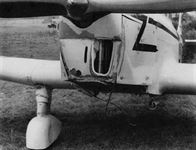
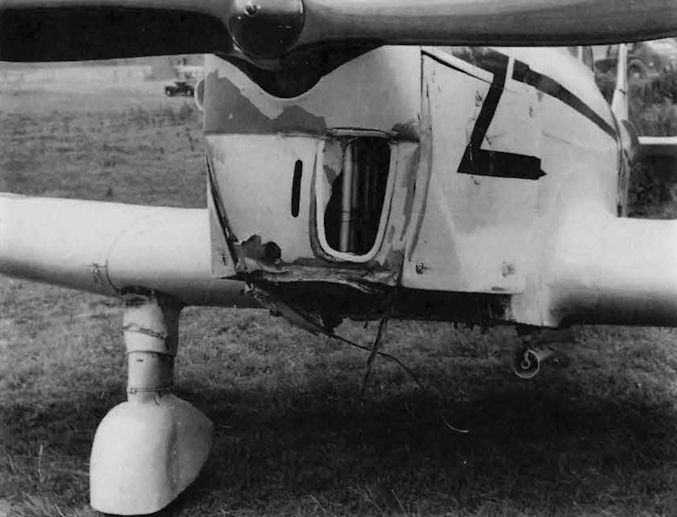
Регистрационный номер: G-AKRV [5] G-AKRV came second in the 1952 Norton-Griffiths Trophy after hitting cables in poor visibility. The lower cowling was ripped off and the exhausts damaged but amazingly the propeller avoided the impact.
-
Air-Britain Archive 1994-04 / The Tandem-canopy Magisters /Fact file/ (5)
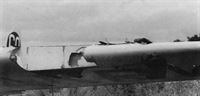
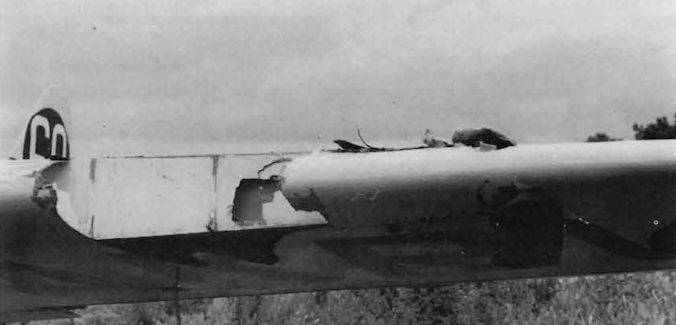
Регистрационный номер: G-AKRV [5] The port wing spar of G-AKRV was penetrated but the pitot below was untouched
-
Air-Britain Archive 1985-03 / 1 - Miles M.14A Magister /'Civvie street'/ (2)
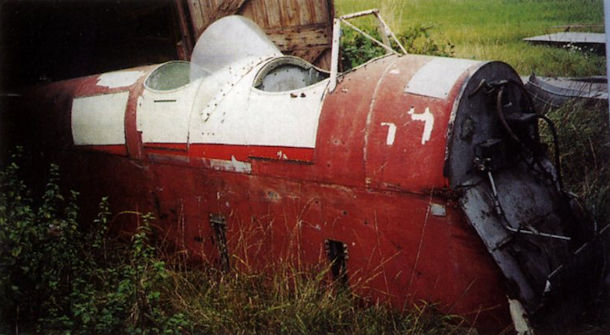
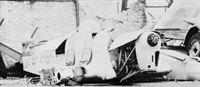
Регистрационный номер: G-AMBM G-AMBM was badly damaged at Deols in France on 14.9.54 and was removed to St.Cyr where it still lay on 16.6.63.
-

Aeroplane Monthly 1995-12 / B.Robertson - What's in store? (3)
Tails up but thumbs down for dumped Miles Masters at 23 MU, RAF Aldergrove, in 1951. The T.2 had been declared obsolete in November 1950.


-

Flight 1939-10 / Flight
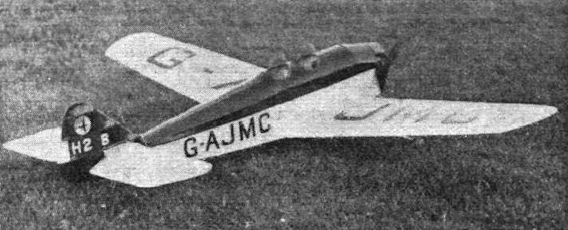
Регистрационный номер: G-AJMC This near-scale model of a Miles Magister won for Mr. J. Coxall the Bowden International Trophy for 1939.
-

Aeroplane Monthly 1993-10
Fred, Blossom, & George Miles
-

-

Flight 1939-12 / Flight Advertisements
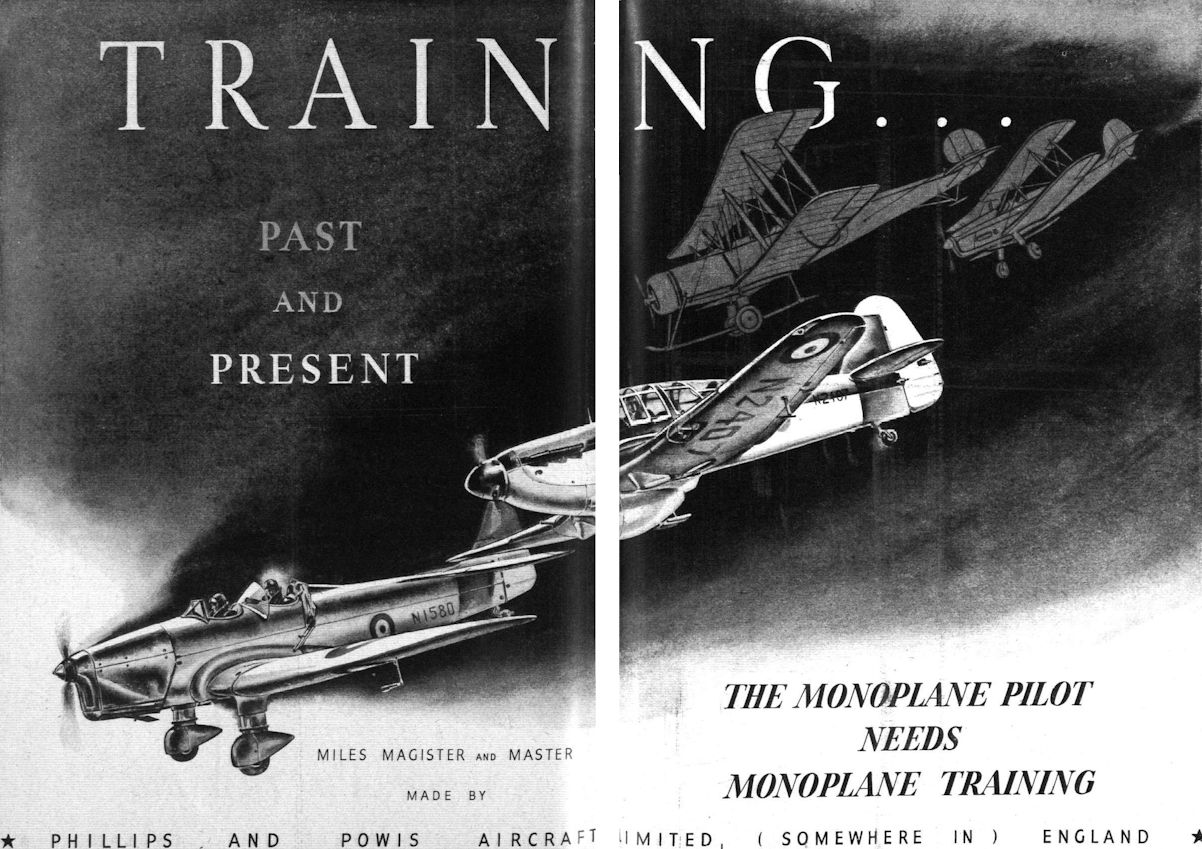
Регистрационный номер: N1580 Другие самолёты на фотографии: Miles Kestrel M.9 / Master I M.9A - Великобритания - 1937
-
Flight 1940-02 / Flight Advertisements
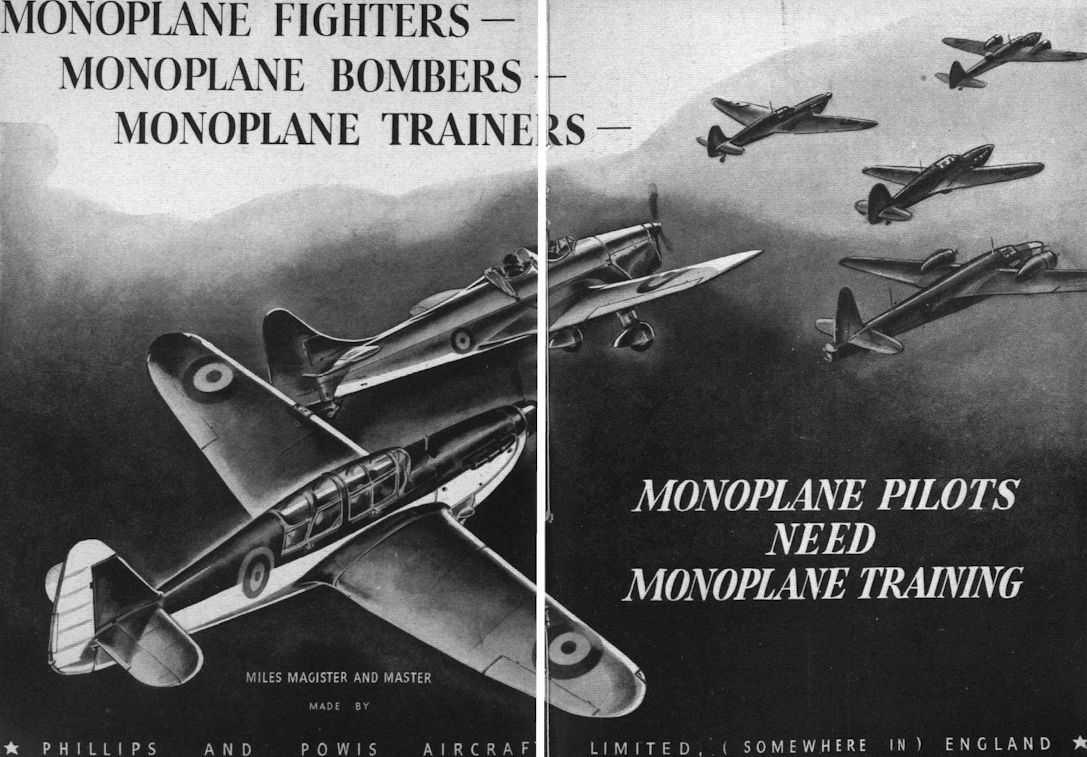
Другие самолёты на фотографии: Miles Kestrel M.9 / Master I M.9A - Великобритания - 1937
-
Air-Britain Archive 1981-02 / U.K. C of A Applications (6)
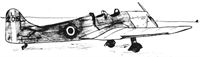
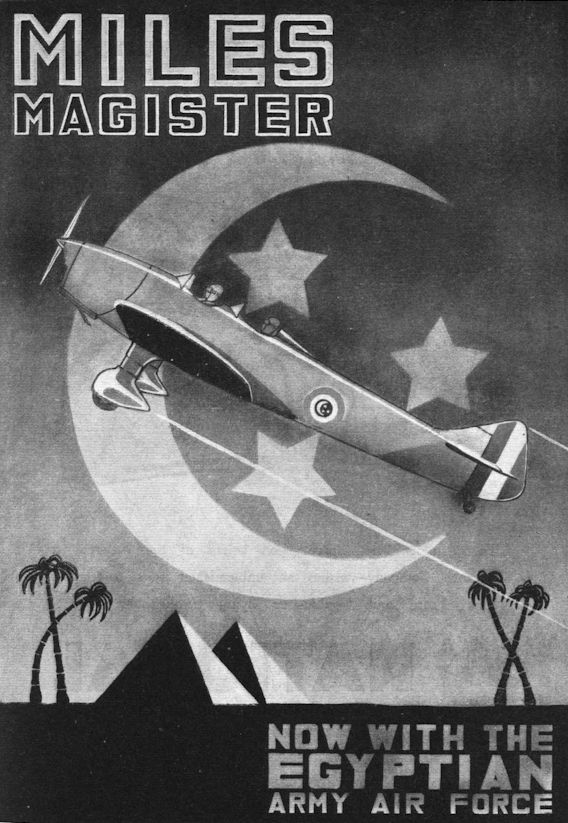
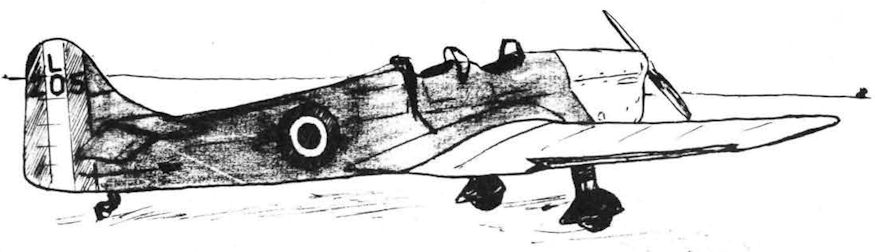
Регистрационный номер: L205 Artist's impression of Magister L.205 in Egyptian Army Air Force markings. The designation Magister was officially adopted by Miles in April 1937 and thus should apply to all M.14s built after that date.
-
Flight 1941-06 / Flight
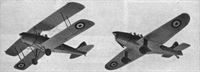
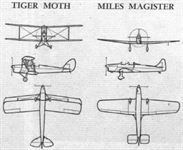
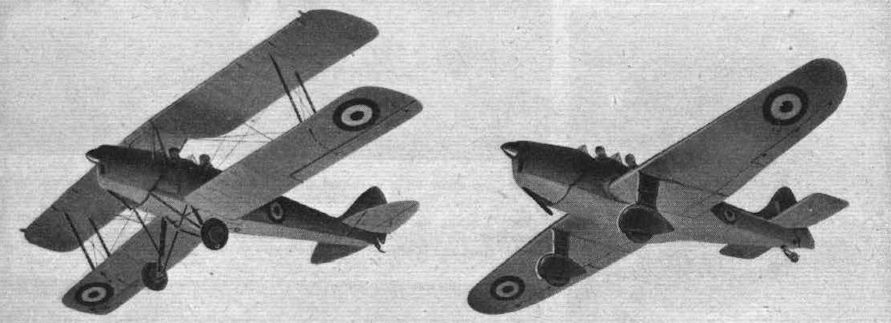
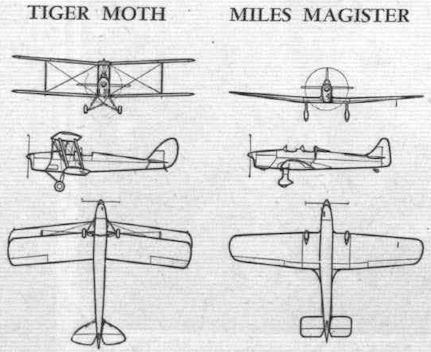
D.H. Tiger Moth. Biplane, equal span, staggered, parallel edges, straight tips. In-line air-cooled engine, small spinner. Open tandem cockpits. Leading edge of tailplane curves back to small rounded tips, straight taper to trailing-edge with large "bite" between elevators. Large curved fin and rudder. Fixed divided-axle undercarriage.
Miles Magister. Low-wing, slight taper to both edges, rounded tips with larger radius from trailing-edge. Large fillets at roots, dihedral from centre-section. In-line aircooled engine, small spinner. Open tandem cockpits. Rectangular tailplane. Tall tapered fin and rudder with small round apex. Fixed undercarriage legs; spats.Другие самолёты на фотографии: De Havilland Tiger Moth / D.H.82 - Великобритания - 1931
-

Flight 1937-09 / Flight
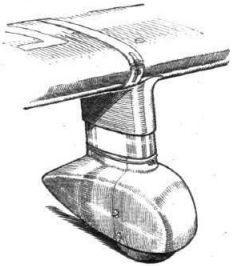
Mr. Miles has adopted this "leg"-type undercarriage for the Magister.
-
Flight 1941-07 / Flight
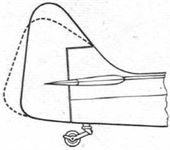
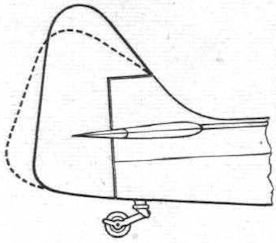
Rudder shape of the Miles Magister was altered to improve the spinning properties. It will be noticed that the later shape (shown in full line) is more efficient because of its higher aspect ratio.
-
Flight 1941-06 / Flight
Другие самолёты на фотографии: De Havilland Tiger Moth / D.H.82 - Великобритания - 1931
-

Flight 1939-09 / Flight
Miles Magister (D.H. Gipsy Major).
-
Jane's All the World Aircraft 1946 / 03 - All the world's aeroplanes
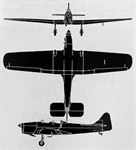
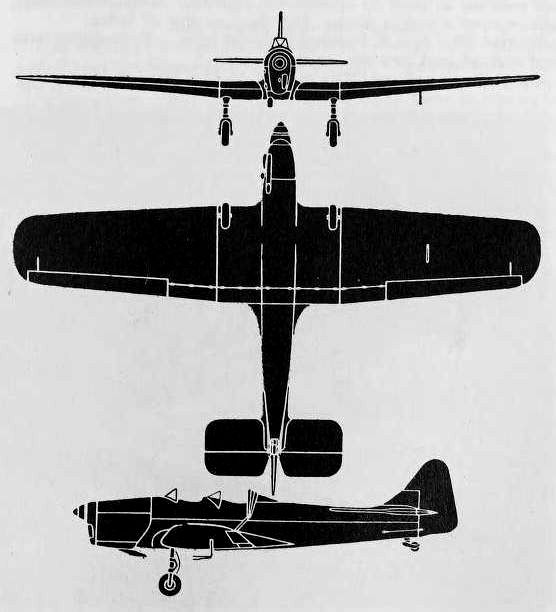
The Miles M-14 Magister Primary Trainer.
-
Aeroplane Monthly 1980-03 / G.Johnson - Miles M.14 Magister /RAF Piston Trainers/ (7)
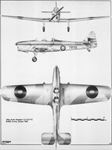
Miles M.14a Magister 1 of 15 EFTS Redhill, Surrey, summer 1940
-
Air-Britain Aeromilitaria 1998-01 / Out of the Archives
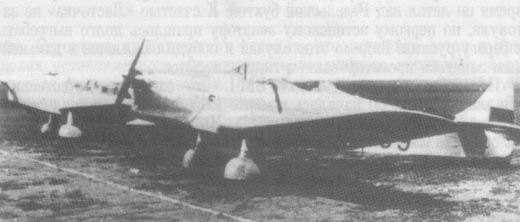
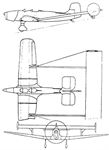
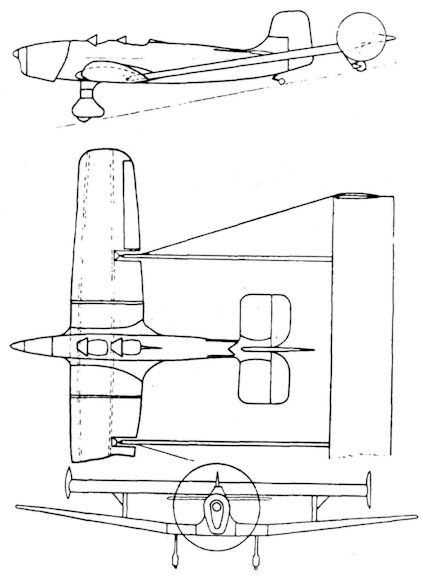
In the summer of 1941, trials were carried out to test the viability of using trailers to increase either the fuel load or the bomb load. It was envisaged that the Halifax II and Blenheim IV would benefit from such trailers as it would give them an increased bomb load for short ranges but it would also improve range/load if it could be fitted with fuel tanks and jettisoned when these were exhausted. On the debit side, the trailer wing lengthened the take-off run and reduced the rate of climb of the aircraft. Bombs would be carried in streamlined nacelles.
With such wings, it was calculated that the Halifax would not benefit greatly but the Blenheim would be able to carry a 4,000-lb bomb load for 300 miles.
The trailer consisted of a rectangular wing, known as the Malinowski wing, with circular endplates which was joined by two booms fixed rigidly to the trailer and pin-jointed to the rear spar of the aircraft. By releasing the pin joints, the trailer could be jettisoned. The undercarriage consisted of a castering wheel under each boom which could be locked before take-off.
A Magister was selected for initial flying experiments to see if the idea was practicable and streamlined lead ballast weights were carried on release points which could be released electrically by the pilot.
On 12 May 1941, L8326 carried out the first flight at Boscombe Down. This was not very successful and an extension was added to the Magister's fin and to the rudder balance horn to improve directional control. It was found that the Magister could be taxied up to 10 mph with the trailer wheels unlocked but during the take-off run the contraption was directionally unstable due to the aft position of the overall centre of gravity relative to the aircraft wheels. It was very difficult to keep the aircraft straight until take-off speed approached, full rudder and brakes being necessary to check the swing. This became progressively more difficult as the trailer weight increased and at 670 lbs it became impossible to stay on the runway. It the trailer wheels were locked, the ground run was stabilised but the pilot had little control over his direction. On a smooth surface, it was possible to steer a straight course but if bouncing took place it was impossible to predict the take-off path.
If the trailer became airborne first, the aircraft could swing before take-off speed attained. One-and-a-half hours flying time at various weights were carried out, including climbs and dives. The stability was satisfactory about all axes and, apart from the rudder, control was adequate after modifications. Landing was normal so long as the trailer touched down after the aircraft.
Four flights were carried out from Boscombe Down in May 1941 and on the 29th L8326 went to Woodley to be modified. On 14 June, it was returned for further tests by the RAE and nine more flights took place. On 24 July, it flew to Woodley and back and then flew to Wrington and back on the 29th. Was this a clerical error for Wroughton? On 30 July it went to Heath Row and on the 31st and 1st August to Woodley.
On 19 August, L8326 swung on take-off and headed off the runway, to collide with an obstruction. At this point the tests ended. The Magister was repaired and re-issued to a more conventional owner.



Тип фотографий
- Все фото (216)
- Боковые проекции (4)
- Цветные фото (12)
- Ч/б фото (177)
- Кабина (3)
- Реставрация (2)
- Обломки (4)
- Модели, рисунки, схемы (14)